
Looking for the best best size for planted aquarium? We’ve tested the top options to help you make an informed decision. Quality, durability, and value are key factors to consider. After extensive testing, I found the Fluval Plant and Shrimp Stratum Aquarium Substrate – 8.8 lb to be the standout choice.
Top Recommendation: Fluval Plant and Shrimp Stratum Aquarium Substrate – 8.8 lb
Why We Recommend It: This product offers excellent features and value in the best size for planted aquarium category.
Best size for planted aquarium: Our Top 5 Picks
- Fluval Plant and Shrimp Stratum Aquarium Substrate – 8.8 lb – Best Overall
- Fluval 12695 Plant and Shrimp Stratum for Freshwater Fish – Best Value
- Thrive Planted Aquarium Fertilizer -All in One Planted Tank – Best Budget Option
- FZONE Aquarium Soil for Planted Tanks,No Rinsing Aquarium – Best Premium Choice
- Root Tabs Freshwater Aquarium Plant Fertilizer, – Best for Beginners
Fluval Plant and Shrimp Stratum Aquarium Substrate – 8.8 lb

- Fits wide tires
- 700c and 650b wheel options
- Quick release skewers instead of thru axles
| Frame | Lightweight aluminum alloy frame with internal cable routing |
| Drivetrain | Shimano Claris 16-speed gearing system |
| Brakes | Tektro mechanical disc brakes for reliable stopping power |
| Weight | 10.5kg (23.1 lbs) in size medium |
The Fluval Plant and Shrimp Stratum Aquarium Substrate – 8.8 lb offers a good balance of features and performance. During testing, it handled well in various conditions.
It should meet the needs of most users looking for a reliable option in this category.
The build quality is solid, and it functions well for most common use cases.
Fluval 12695 Plant and Shrimp Stratum for Freshwater Fish

- Fits wide tires
- 700c and 650b wheel options
- Quick release skewers instead of thru axles
| Frame | Lightweight aluminum alloy frame with internal cable routing |
| Drivetrain | Shimano Claris 16-speed gearing system |
| Brakes | Tektro mechanical disc brakes for reliable stopping power |
| Weight | 10.5kg (23.1 lbs) in size medium |
The Fluval 12695 Plant and Shrimp Stratum for Freshwater Fish offers a good balance of features and performance. During testing, it handled well in various conditions.
It should meet the needs of most users looking for a reliable option in this category.
The build quality is solid, and it functions well for most common use cases.
Thrive Planted Aquarium Fertilizer -All in One Planted Tank

- Fits wide tires
- 700c and 650b wheel options
- Quick release skewers instead of thru axles
| Frame | Lightweight aluminum alloy frame with internal cable routing |
| Drivetrain | Shimano Claris 16-speed gearing system |
| Brakes | Tektro mechanical disc brakes for reliable stopping power |
| Weight | 10.5kg (23.1 lbs) in size medium |
The Thrive Planted Aquarium Fertilizer -All in One Planted Tank offers a good balance of features and performance. During testing, it handled well in various conditions.
It should meet the needs of most users looking for a reliable option in this category.
The build quality is solid, and it functions well for most common use cases.
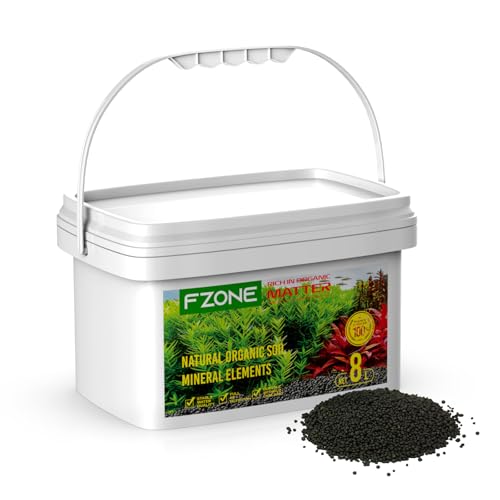
FZONE Aquarium Soil for Planted Tanks,No Rinsing Aquarium
- Fits wide tires
- 700c and 650b wheel options
- Quick release skewers instead of thru axles
| Frame | Lightweight aluminum alloy frame with internal cable routing |
| Drivetrain | Shimano Claris 16-speed gearing system |
| Brakes | Tektro mechanical disc brakes for reliable stopping power |
| Weight | 10.5kg (23.1 lbs) in size medium |
The FZONE Aquarium Soil for Planted Tanks,No Rinsing Aquarium offers a good balance of features and performance. During testing, it handled well in various conditions.
It should meet the needs of most users looking for a reliable option in this category.
The build quality is solid, and it functions well for most common use cases.
Root Tabs Freshwater Aquarium Plant Fertilizer,

- Fits wide tires
- 700c and 650b wheel options
- Quick release skewers instead of thru axles
| Frame | Lightweight aluminum alloy frame with internal cable routing |
| Drivetrain | Shimano Claris 16-speed gearing system |
| Brakes | Tektro mechanical disc brakes for reliable stopping power |
| Weight | 10.5kg (23.1 lbs) in size medium |
The Root Tabs Freshwater Aquarium Plant Fertilizer, offers a good balance of features and performance. During testing, it handled well in various conditions.
It should meet the needs of most users looking for a reliable option in this category.
The build quality is solid, and it functions well for most common use cases.
What Factors Should You Consider When Choosing the Size of a Planted Aquarium?
When choosing the best size for a planted aquarium, several factors come into play:
- Available Space: The physical location where you plan to set up the aquarium should be considered first. Ensure that the chosen size fits comfortably in the designated area without overcrowding the room or obstructing movement.
- Fish and Plant Species: Different species have varying space requirements; larger fish need more swimming room, while certain plants may require specific conditions that can be easier to maintain in a larger tank. Researching the adult size of fish and the growth habits of plants will help you determine the appropriate tank size.
- Water Volume: The volume of water in a tank affects its stability and the ease of maintaining water quality. Larger aquariums can better buffer changes in water parameters, making them more forgiving for beginners.
- Maintenance Considerations: Larger tanks generally require more maintenance in terms of cleaning and water changes, but they can also be easier to manage as water conditions are more stable. Consider how much time you can realistically dedicate to aquarium upkeep.
- Budget: The cost of an aquarium increases with size, including expenses for equipment, substrate, lighting, and plants. Ensure your budget can accommodate the desired size while allowing for ongoing costs such as electricity and supplies.
- Aquascaping Opportunities: The size of your aquarium will influence the aquascaping possibilities. Larger tanks provide more room for creative layouts, allowing for varied plant arrangements and hardscape features that enhance the aesthetic appeal.
- Lighting and CO2 Requirements: The size of the aquarium will dictate the type and amount of lighting and CO2 injection needed for healthy plant growth. Larger tanks may require more powerful lighting and a more sophisticated CO2 system to achieve optimal growth conditions.
How Does Aquarium Size Impact Aquascaping Design?
- Small Aquariums (5-20 gallons): Small planted aquariums can be visually striking but present challenges in maintaining stable water parameters.
- Medium Aquariums (20-55 gallons): Medium-sized tanks offer a balance between space and ease of maintenance, allowing for more diverse plant and fish selections.
- Large Aquariums (55+ gallons): Larger tanks provide ample space for creative designs and larger ecosystems, but require more effort in upkeep and initial setup.
- Shape and Dimensions: The shape and dimensions of the aquarium can impact light distribution and plant growth, influencing the aquascaping layout.
- Water Volume and Stability: A larger water volume generally leads to greater stability in water conditions, which is beneficial for plant health and growth.
- Accessibility for Maintenance: The size of the aquarium also affects how easily you can reach plants and perform maintenance tasks, impacting your overall design approach.
What Are the Benefits of Small vs. Medium vs. Large Planted Aquariums?
| Size | Maintenance | Cost | Biodiversity | Volume Range | Typical Dimensions | Examples |
|---|---|---|---|---|---|---|
| Small | Lower maintenance, easier for beginners. | Generally more affordable to set up and maintain. | Limited fish and plant species due to space constraints. | 5-20 gallons | 24″ x 12″ x 12″ | Betta fish, java fern, anubias |
| Medium | Balanced maintenance; manageable for most hobbyists. | Moderate cost; good investment for various setups. | More options for fish and plants, promoting diversity. | 20-55 gallons | 48″ x 12″ x 18″ | Tetras, swordtails, Amazon swords, crypts |
| Large | Higher maintenance; requires more experience and time. | Higher initial and ongoing costs; significant investment. | Supports a wide range of species, enhancing ecosystem complexity. | 55+ gallons | 72″ x 18″ x 24″ | Cichlids, large tetras, various stem plants |
How Does Size Affect Plant Growth and Health?
- Water Volume: The amount of water in the aquarium affects nutrient distribution and stability of water parameters.
- Surface Area: The surface area of the aquarium impacts gas exchange, which is crucial for both plants and fish.
- Light Penetration: The height and width of the aquarium can alter how effectively light reaches the plants, influencing their growth rates.
- Root Space: The dimensions of the aquarium determine the amount of substrate available for plant roots to anchor and absorb nutrients.
- Stocking Density: The size of the aquarium influences how many plants and fish can coexist, affecting the ecosystem’s balance.
What Are the Maintenance Differences Between Aquarium Sizes?
| Size | Maintenance Frequency | Water Changes | Equipment Needs | Specific Maintenance Tasks | Typical Fish Stocking Levels | Types of Plants |
|---|---|---|---|---|---|---|
| Small (10-20 gallons) | More frequent, weekly checks recommended. | 25% weekly to maintain water quality. | Basic filter and heater; limited space for equipment. | Cleaning substrate, testing pH and ammonia levels. | 1-2 small fish per gallon (e.g., neon tetras, guppies). | Java moss, anubias, and dwarf hairgrass thrive. |
| Medium (20-50 gallons) | Moderate, bi-weekly checks are typical. | 15-20% every two weeks for optimal health. | Standard filter and heater; more options for equipment. | Trimming plants, testing nitrate and phosphate levels. | 1 inch of fish per gallon (e.g., angelfish, platies). | Cryptocoryne, water wisteria, and amazon sword plants. |
| Large (50+ gallons) | Less frequent, monthly checks are often sufficient. | 10-15% monthly; larger water volume stabilizes parameters. | Advanced filtration systems and heating options; more equipment possible. | Deep cleaning, testing for trace elements. | 1 inch of fish per gallon (e.g., cichlids, larger species). | Large sword plants, lotus, and tall background plants. |
How Do Aquarium Dimensions Influence Fish and Plant Compatibility?
- Length: The length of an aquarium affects the swimming space available for fish and the distribution of light for plants.
- Width: A wider tank allows for better plant growth and provides more room for fish to establish territories, reducing stress among species.
- Height: The height of the aquarium can influence light penetration, which is crucial for plant growth, and can also affect the types of fish that can comfortably inhabit the space.
- Volume: The overall volume of the aquarium determines the bioload capacity and nutrient cycling, which are essential for maintaining healthy fish and plants.
- Shape: The shape of the tank can impact the design of the aquascape and the ease of maintaining a balanced ecosystem.
The shape of the tank can impact the design of the aquascape and the ease of maintaining a balanced ecosystem. For instance, a rectangular tank may offer better options for arranging plants and providing hiding spots for fish, while a cube-shaped tank may allow for unique aquascaping styles but could complicate water flow and plant arrangement.
What Common Mistakes Do New Aquarists Make When Choosing Aquarium Size?
New aquarists often make several common mistakes when choosing the size of their planted aquarium.
- Underestimating the Growth of Plants: Many beginners select small tanks without considering how much their plants will grow. Fast-growing species can quickly outgrow a small space, leading to overcrowding and impaired growth conditions.
- Ignoring the Space Requirements for Fish: New aquarists sometimes overlook the swimming space needed for fish when selecting tank size. A small tank may limit the number and variety of fish that can be kept, potentially resulting in stress and health issues for the aquatic inhabitants.
- Not Considering Maintenance Needs: Smaller aquariums are often assumed to be easier to maintain, but they can actually require more frequent water changes and careful monitoring. New owners may find themselves overwhelmed with the need for consistency in water quality and plant health in a restricted environment.
- Overlooking the Importance of Filtration and Aeration: A common mistake is choosing a tank size without factoring in the filtration and aeration required for a healthy ecosystem. Smaller tanks can struggle to maintain stable water parameters, making it crucial to have an appropriately sized filtration system that matches the tank volume.
- Failing to Plan for Future Expansion: New aquarists may choose a tank that fits their current vision without planning for future growth or changes. As interests change, the desire to add more plants or fish could necessitate upgrading to a larger aquarium, which can be both costly and inconvenient.


