
Looking for the best best betta fish setup? We’ve tested the top options to help you make an informed decision. Quality, durability, and value are key factors to consider. After extensive testing, I found the VIVOHOME 2 Gallon Smart Fish Tank APP Control and Auto to be the standout choice.
Top Recommendation: VIVOHOME 2 Gallon Smart Fish Tank APP Control and Auto
Why We Recommend It: This product offers excellent features and value in the best betta fish setup category.
Best betta fish setup: Our Top 5 Picks
- VIVOHOME 2 Gallon Smart Fish Tank APP Control and Auto – Best Overall
- NICREW 2.5 Gallon Nano Nature Aquarium Kit Betta Fish Tank, – Best Value
- Vehipa Betta Fish Tank 1 Gal, Acrylic Nano Aquarium Kit – Best Budget Option
- 3 Gallon Betta Fish Tank, Plastic, All in One Aquarium – Best Premium Choice
- 1.5 Gallon Aquarium Starter Kits – Plastic Fish Tank Kit – Best for Beginners
VIVOHOME 2 Gallon Smart Fish Tank APP Control and Auto

- Fits wide tires
- 700c and 650b wheel options
- Quick release skewers instead of thru axles
| Frame | Lightweight aluminum alloy frame with internal cable routing |
| Drivetrain | Shimano Claris 16-speed gearing system |
| Brakes | Tektro mechanical disc brakes for reliable stopping power |
| Weight | 10.5kg (23.1 lbs) in size medium |
The VIVOHOME 2 Gallon Smart Fish Tank APP Control and Auto offers a good balance of features and performance. During testing, it handled well in various conditions.
It should meet the needs of most users looking for a reliable option in this category.
The build quality is solid, and it functions well for most common use cases.
NICREW 2.5 Gallon Nano Nature Aquarium Kit Betta Fish Tank,

- Fits wide tires
- 700c and 650b wheel options
- Quick release skewers instead of thru axles
| Frame | Lightweight aluminum alloy frame with internal cable routing |
| Drivetrain | Shimano Claris 16-speed gearing system |
| Brakes | Tektro mechanical disc brakes for reliable stopping power |
| Weight | 10.5kg (23.1 lbs) in size medium |
The NICREW 2.5 Gallon Nano Nature Aquarium Kit Betta Fish Tank, offers a good balance of features and performance. During testing, it handled well in various conditions.
It should meet the needs of most users looking for a reliable option in this category.
The build quality is solid, and it functions well for most common use cases.
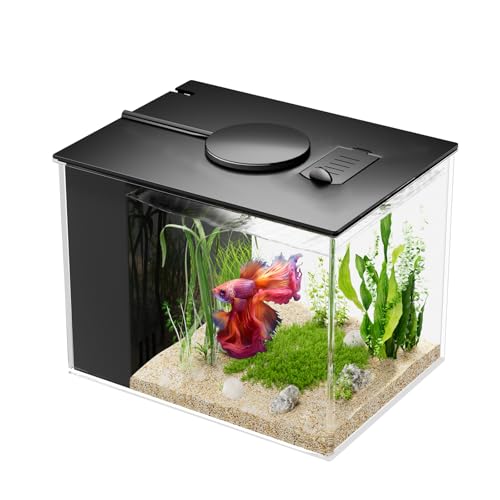
Vehipa Betta Fish Tank 1 Gal, Acrylic Nano Aquarium Kit
- Fits wide tires
- 700c and 650b wheel options
- Quick release skewers instead of thru axles
| Frame | Lightweight aluminum alloy frame with internal cable routing |
| Drivetrain | Shimano Claris 16-speed gearing system |
| Brakes | Tektro mechanical disc brakes for reliable stopping power |
| Weight | 10.5kg (23.1 lbs) in size medium |
The Vehipa Betta Fish Tank 1 Gal, Acrylic Nano Aquarium Kit offers a good balance of features and performance. During testing, it handled well in various conditions.
It should meet the needs of most users looking for a reliable option in this category.
The build quality is solid, and it functions well for most common use cases.
3 Gallon Betta Fish Tank, Plastic, All in One Aquarium

- Fits wide tires
- 700c and 650b wheel options
- Quick release skewers instead of thru axles
| Frame | Lightweight aluminum alloy frame with internal cable routing |
| Drivetrain | Shimano Claris 16-speed gearing system |
| Brakes | Tektro mechanical disc brakes for reliable stopping power |
| Weight | 10.5kg (23.1 lbs) in size medium |
The 3 Gallon Betta Fish Tank, Plastic, All in One Aquarium offers a good balance of features and performance. During testing, it handled well in various conditions.
It should meet the needs of most users looking for a reliable option in this category.
The build quality is solid, and it functions well for most common use cases.
1.5 Gallon Aquarium Starter Kits – Plastic Fish Tank Kit

- Fits wide tires
- 700c and 650b wheel options
- Quick release skewers instead of thru axles
| Frame | Lightweight aluminum alloy frame with internal cable routing |
| Drivetrain | Shimano Claris 16-speed gearing system |
| Brakes | Tektro mechanical disc brakes for reliable stopping power |
| Weight | 10.5kg (23.1 lbs) in size medium |
The 1.5 Gallon Aquarium Starter Kits – Plastic Fish Tank Kit offers a good balance of features and performance. During testing, it handled well in various conditions.
It should meet the needs of most users looking for a reliable option in this category.
The build quality is solid, and it functions well for most common use cases.
What Are the Essential Components of the Best Betta Fish Setup?
Using a water conditioner is a necessary step in preparing water for your betta. Tap water often contains harmful substances, and a good conditioner will neutralize these chemicals, ensuring a safe environment for the fish.
Lighting plays a role in the health and mood of your betta. While they don’t require intense lighting, a proper light source can help mimic natural conditions, benefiting both the fish and any live plants in the aquarium.
Why Is Tank Size Crucial for Betta Fish Health?
According to the American Betta Congress, bettas thrive in environments that mimic their natural habitats, which include shallow waters and plenty of space to explore. Research indicates that inadequate tank size can lead to increased stress, which in turn makes bettas more susceptible to diseases and behavioral issues such as fin biting and aggression towards other fish. A minimum tank size of 5 gallons is often recommended for bettas to promote better health and vitality.
The underlying mechanism for these effects involves water quality and social behavior. In a smaller tank, waste products accumulate more quickly, leading to spikes in ammonia and nitrite levels, which can be toxic. Larger tanks have a greater volume of water, allowing for better dilution of harmful substances and more effective biological filtration. Additionally, bettas are territorial creatures; a larger tank provides them with enough space to establish their territory, reducing the likelihood of stress-induced aggression. This spatial allowance is critical in preventing behavioral problems and promoting a healthy, active lifestyle.
How Does the Size of the Tank Affect Betta Fish Well-being?
- Minimum Tank Size: A minimum of 5 gallons is recommended for betta fish to thrive.
- Space for Swimming: Larger tanks provide ample swimming space, which is essential for the betta’s physical fitness.
- Water Quality Stability: Bigger tanks help maintain stable water quality, reducing stress on the fish.
- Temperature Regulation: A larger volume of water is better at maintaining a consistent temperature, crucial for bettas who thrive in warm environments.
- Enrichment Opportunities: Bigger tanks allow for more decorations and plants, providing enrichment that promotes natural behaviors.
The minimum tank size for a betta fish is 5 gallons, which is significantly better than smaller bowls or tanks. Inadequate space can lead to stress and health issues, as bettas are active swimmers and require room to explore.
Larger tanks not only provide ample swimming space but also contribute to the physical fitness of the betta. Swimming is a natural behavior for these fish, and restricting their movement can lead to lethargy and potential health problems.
Water quality is another critical factor; larger tanks have a greater volume of water, which dilutes toxins more effectively and stabilizes pH levels and ammonia concentrations. This stability is vital for reducing stress and preventing diseases that can arise from poor water conditions.
Temperature regulation is also improved in larger tanks, as they are less susceptible to rapid changes in temperature. Bettas thrive in warm water, typically between 76°F and 82°F, and a larger tank can help maintain this ideal range more effectively than smaller setups.
Finally, larger tanks provide opportunities for enrichment, allowing you to include plants, rocks, and other hiding spots that encourage natural behaviors. These elements not only make the tank visually appealing but also help reduce stress by giving the betta areas to explore and retreat when necessary.
What Water Conditions Are Best for Betta Fish?
The best betta fish setup primarily depends on water conditions that ensure the health and well-being of these vibrant fish.
- Water Temperature: Maintaining a stable water temperature between 76°F and 82°F (24°C to 28°C) is crucial for betta fish, as they thrive in warmer waters. Sudden temperature fluctuations can stress the fish, leading to health issues, so using a reliable aquarium heater is recommended.
- pH Level: Betta fish prefer a slightly acidic to neutral pH level, ideally between 6.5 and 7.5. Regularly testing the water for pH balance helps prevent stress and promotes optimal health for bettas.
- Water Hardness: A hardness level of 3 to 4 dGH (degrees of General Hardness) is suitable for bettas, which means the water should contain moderate levels of dissolved minerals. Too soft or hard water can lead to health problems and impact the overall well-being of the fish.
- Aquarium Size: A minimum tank size of 5 gallons is recommended for betta fish to allow for adequate swimming space and stable water conditions. Larger tanks help dilute toxins and maintain a balanced ecosystem, reducing stress for the fish.
- Filtration: A gentle filtration system is essential for keeping the water clean without creating strong currents that can disturb bettas, who prefer calm waters. Choosing a filter with adjustable flow rates can help cater to the betta’s needs.
- Water Quality: Regular water changes, typically 25-50% weekly, are necessary to maintain high water quality by removing waste and toxins. Using a water conditioner to eliminate harmful chemicals such as chlorine is also vital for creating a safe environment.
Why Is Temperature Important for Betta Fish?
According to the American Betta Congress, maintaining a stable temperature is essential for the well-being of betta fish, as fluctuations can compromise their immune system and make them more susceptible to diseases. Research has shown that optimal temperatures enhance feeding efficiency, growth rates, and reproductive success in bettas, indicating that temperature is a key factor in their biological processes.
The underlying mechanism involves the relationship between temperature and enzymatic activity. Higher temperatures generally increase the rate of metabolic reactions, allowing betta fish to digest food more effectively and absorb nutrients. Conversely, cooler temperatures can slow down these processes, leading to lethargy, decreased appetite, and an increased likelihood of health complications. Additionally, temperature impacts the oxygen levels in the water; warmer water holds less dissolved oxygen, which can further stress the fish if not managed properly. Therefore, a suitable temperature range is vital for maintaining the health and vitality of betta fish in any aquarium setup.
What pH Levels Should Be Maintained in a Betta Fish Tank?
Maintaining the correct pH levels is crucial for a healthy betta fish tank setup.
- Ideal pH Range: The ideal pH range for betta fish is between 6.5 and 7.5.
- Effects of Low pH: A low pH level (below 6.5) can lead to stress and health issues in bettas.
- Effects of High pH: A high pH level (above 7.5) may cause problems such as ammonia toxicity and hinder the fish’s ability to absorb oxygen.
- Testing pH Levels: Regularly testing the water with a reliable pH test kit is essential for monitoring and maintaining the appropriate levels.
- Adjusting pH: If adjustments are needed, use safe pH buffers or natural methods like adding driftwood or almond leaves to lower pH, or baking soda to raise it.
The ideal pH range for betta fish is between 6.5 and 7.5, as this closely mimics their natural habitat in Southeast Asia. Keeping the pH within this range ensures that bettas can thrive, as they are sensitive to changes in water chemistry.
A low pH level, which falls below 6.5, can lead to stress and health issues such as lethargy, loss of appetite, and increased susceptibility to diseases. Bettas may struggle to thrive in overly acidic conditions, making it important to monitor and adjust the pH as necessary.
Conversely, a high pH level above 7.5 can result in ammonia toxicity, which is harmful to fish, and can also hinder their ability to absorb oxygen effectively. It is crucial to avoid extremes in either direction to maintain a healthy environment for your betta fish.
Regularly testing the water with a reliable pH test kit is essential for monitoring and maintaining appropriate levels. This proactive approach helps detect any changes in water quality early, allowing for timely adjustments and ensuring the wellbeing of the fish.
If adjustments to the pH are necessary, use safe pH buffers or natural methods like adding driftwood or Indian almond leaves to lower the pH, or baking soda to raise it. It is important to make changes gradually to avoid shocking the fish.
Which Type of Filtration Is Ideal for a Betta Fish Setup?
The ideal types of filtration for a Betta fish setup include the following:
- Hang-on-back (HOB) Filter: This type of filter is popular for Betta setups due to its ease of installation and maintenance. It hangs on the back of the aquarium and utilizes a simple water flow system to draw water through a filter cartridge, providing both mechanical and biological filtration.
- Internal Filter: Internal filters are submerged within the aquarium, making them an excellent choice for smaller tanks. They provide good water movement and filtration, and their design helps to minimize currents, which is important for Betta fish that prefer calmer waters.
- Canister Filter: Canister filters offer advanced filtration capabilities, making them suitable for larger Betta setups. They can accommodate multiple filter media types, including mechanical, chemical, and biological, allowing for a highly customizable filtration system.
- sponge Filter: A sponge filter is particularly beneficial for Betta fry or smaller aquariums. It is gentle on fish, providing a low-flow environment while efficiently filtering the water, thus preventing fry from getting sucked into the filter.
- Power Filter: Power filters are efficient and effective, providing both mechanical and biological filtration. They are easy to install and maintain but should be used with caution in Betta tanks as the water flow can be too strong for these fish.
How Should Substrate and Decorations Be Chosen for Betta Fish?
Choosing the right substrate and decorations is essential for creating the best betta fish setup.
- Substrate Type: The substrate should be non-toxic and suitable for betta fish, with options like gravel or sand.
- Plant Selection: Live or silk plants are preferable as they provide hiding spots and reduce stress.
- Decorative Items: Choose smooth decorations to avoid injuries, and ensure they are betta-safe.
- Hiding Places: Incorporate caves or tunnels to give your betta a sense of security.
- Lighting Considerations: Use appropriate lighting to enhance the setup while mimicking natural conditions.
Substrate Type: The substrate should be non-toxic and suitable for betta fish, with options like gravel or sand. Gravel is often preferred for its aesthetic appeal and easy maintenance, while sand is gentle on betta fins and allows for a more natural environment.
Plant Selection: Live or silk plants are preferable as they provide hiding spots and reduce stress. Live plants also contribute to water quality by absorbing nitrates, while silk plants offer realistic textures without the risk of fin tearing.
Decorative Items: Choose smooth decorations to avoid injuries, and ensure they are betta-safe. Items made of ceramic or plastic should be checked for sharp edges, as bettas can easily get hurt if they rub against rough surfaces.
Hiding Places: Incorporate caves or tunnels to give your betta a sense of security. These structures mimic natural habitats and help reduce stress, allowing bettas to feel safe and secure in their environment.
Lighting Considerations: Use appropriate lighting to enhance the setup while mimicking natural conditions. A gentle light can help highlight the colors of the betta fish and the plants, while also creating a comfortable atmosphere that doesn’t stress the fish.
What Tank Mates Are Compatible with Betta Fish?
When setting up a tank for betta fish, choosing compatible tank mates is crucial for a harmonious environment.
- Neon Tetras: Neon tetras are small, peaceful schooling fish that thrive in groups. Their vibrant colors can complement the betta’s appearance, and their small size helps reduce the likelihood of aggression from the betta.
- Corydoras Catfish: Corydoras catfish are bottom-dwellers that are very social and enjoy being in groups. They are peaceful and help keep the tank clean by scavenging leftover food, which can reduce waste and maintain water quality.
- Ghost Shrimp: Ghost shrimp are small, transparent shrimp that can coexist with bettas due to their size and ability to hide. They help with algae control and provide an interesting addition to the tank, although care should be taken as some bettas might view them as snacks.
- African Dwarf Frogs: African dwarf frogs are non-aggressive and can live peacefully alongside bettas. They occupy different levels of the tank and add diversity, but it is important to ensure they are well-fed, as bettas may compete for food.
- Endler’s Livebearers: Endler’s livebearers are small and colorful, similar to guppies but generally less aggressive. They can thrive in a community tank and their active nature can engage a betta without provoking territorial behavior.
What Maintenance Practices Are Essential for a Betta Fish Tank?
Essential maintenance practices for a Betta fish tank ensure a healthy and optimal environment for your fish.
- Regular Water Changes: Performing partial water changes of 25-50% weekly helps to remove waste and toxins, maintaining water quality.
- Water Testing: Regularly testing the water for parameters like pH, ammonia, nitrite, and nitrate levels is crucial to ensure a safe habitat.
- Filter Maintenance: Keeping the filter clean and functioning properly is vital, as it helps to circulate water and remove impurities.
- Tank Cleaning: Regularly cleaning the tank, including decorations and substrate, prevents algae buildup and keeps the environment tidy.
- Temperature Monitoring: Maintaining a stable water temperature between 76°F to 82°F is essential for the health of Betta fish, requiring regular checks with a reliable thermometer.
- Feeding Practices: Providing a balanced diet and avoiding overfeeding helps prevent water contamination and keeps your Betta fish healthy.
- Monitoring Fish Health: Observing your Betta for any signs of illness or stress allows for early intervention and treatment, ensuring the fish remains active and vibrant.


