
Looking for the best best fresh water fish to keep? We’ve tested the top options to help you make an informed decision. Quality, durability, and value are key factors to consider. After extensive testing, I found the API TAP WATER CONDITIONER Aquarium Water Conditioner to be the standout choice.
Top Recommendation: API TAP WATER CONDITIONER Aquarium Water Conditioner
Why We Recommend It: This product offers excellent features and value in the best fresh water fish to keep category.
Best fresh water fish to keep: Our Top 5 Picks
- API TAP WATER CONDITIONER Aquarium Water Conditioner – Best Overall
- KloudAway Freshwater Aquarium Water Clarifier – Clears – Best Value
- API Freshwater Master Test Kit 800-Test Freshwater Aquarium – Best Budget Option
- 500 Freshwater Aquarium Fish: A Visual Reference to the – Best Premium Choice
- API Betta Water Conditioner Betta Fish Freshwater Aquarium – Best for Beginners
API TAP WATER CONDITIONER Aquarium Water Conditioner

- Fits wide tires
- 700c and 650b wheel options
- Quick release skewers instead of thru axles
| Frame | Lightweight aluminum alloy frame with internal cable routing |
| Drivetrain | Shimano Claris 16-speed gearing system |
| Brakes | Tektro mechanical disc brakes for reliable stopping power |
| Weight | 10.5kg (23.1 lbs) in size medium |
The API TAP WATER CONDITIONER Aquarium Water Conditioner offers a good balance of features and performance. During testing, it handled well in various conditions.
It should meet the needs of most users looking for a reliable option in this category.
The build quality is solid, and it functions well for most common use cases.
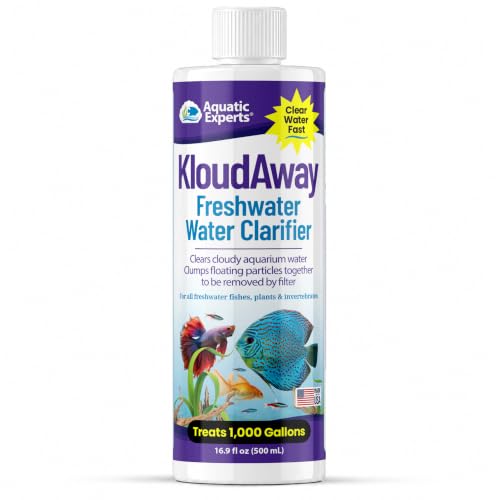
KloudAway Freshwater Aquarium Water Clarifier – Clears
- Fits wide tires
- 700c and 650b wheel options
- Quick release skewers instead of thru axles
| Frame | Lightweight aluminum alloy frame with internal cable routing |
| Drivetrain | Shimano Claris 16-speed gearing system |
| Brakes | Tektro mechanical disc brakes for reliable stopping power |
| Weight | 10.5kg (23.1 lbs) in size medium |
The KloudAway Freshwater Aquarium Water Clarifier – Clears offers a good balance of features and performance. During testing, it handled well in various conditions.
It should meet the needs of most users looking for a reliable option in this category.
The build quality is solid, and it functions well for most common use cases.
API Freshwater Master Test Kit 800-Test Freshwater Aquarium

- Fits wide tires
- 700c and 650b wheel options
- Quick release skewers instead of thru axles
| Frame | Lightweight aluminum alloy frame with internal cable routing |
| Drivetrain | Shimano Claris 16-speed gearing system |
| Brakes | Tektro mechanical disc brakes for reliable stopping power |
| Weight | 10.5kg (23.1 lbs) in size medium |
The API Freshwater Master Test Kit 800-Test Freshwater Aquarium offers a good balance of features and performance. During testing, it handled well in various conditions.
It should meet the needs of most users looking for a reliable option in this category.
The build quality is solid, and it functions well for most common use cases.
500 Freshwater Aquarium Fish: A Visual Reference to the

- Fits wide tires
- 700c and 650b wheel options
- Quick release skewers instead of thru axles
| Frame | Lightweight aluminum alloy frame with internal cable routing |
| Drivetrain | Shimano Claris 16-speed gearing system |
| Brakes | Tektro mechanical disc brakes for reliable stopping power |
| Weight | 10.5kg (23.1 lbs) in size medium |
The 500 Freshwater Aquarium Fish: A Visual Reference to the offers a good balance of features and performance. During testing, it handled well in various conditions.
It should meet the needs of most users looking for a reliable option in this category.
The build quality is solid, and it functions well for most common use cases.
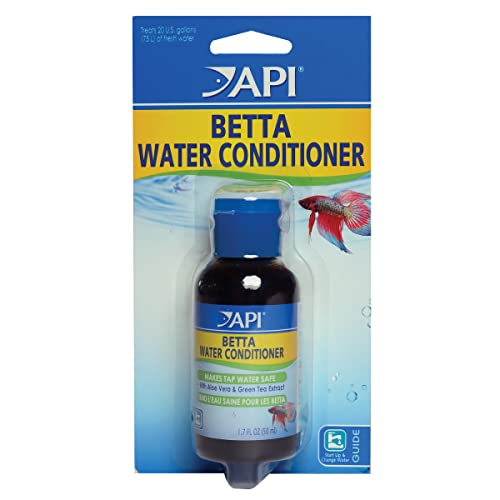
API Betta Water Conditioner Betta Fish Freshwater Aquarium
- Fits wide tires
- 700c and 650b wheel options
- Quick release skewers instead of thru axles
| Frame | Lightweight aluminum alloy frame with internal cable routing |
| Drivetrain | Shimano Claris 16-speed gearing system |
| Brakes | Tektro mechanical disc brakes for reliable stopping power |
| Weight | 10.5kg (23.1 lbs) in size medium |
The API Betta Water Conditioner Betta Fish Freshwater Aquarium offers a good balance of features and performance. During testing, it handled well in various conditions.
It should meet the needs of most users looking for a reliable option in this category.
The build quality is solid, and it functions well for most common use cases.
What Are the Best Freshwater Fish for Beginners to Keep?
The best freshwater fish for beginners to keep are those that are hardy, easy to care for, and adaptable to various water conditions.
- Betta Fish: Betta fish are vibrant, colorful, and known for their flowing fins. They thrive in smaller tanks and do well in a variety of water conditions, making them an ideal choice for novice aquarists.
- Goldfish: Goldfish are classic beginners’ fish due to their hardiness and longevity. They require a larger tank than commonly thought, but they are resilient and can adapt to different water conditions.
- Neon Tetra: Neon tetras are small, peaceful schooling fish that display stunning iridescent colors. They are easy to care for and thrive in groups, making them a great option for community tanks.
- Zebra Danio: Zebra danios are lively and hardy fish that can tolerate a range of water conditions. Their playful nature and ease of care make them ideal for beginner aquarists looking to establish a lively aquarium.
- Platies: Platies are colorful, friendly fish that are available in various colors and patterns. They adapt well to different water conditions and are easy to breed, making them a fun choice for beginners.
- Guppies: Guppies are small, vibrant fish known for their striking colors and patterns. They are very easy to care for and breed rapidly, which can be a delightful experience for new fish keepers.
- Corydoras Catfish: Corydoras catfish are bottom-dwelling fish that are peaceful and social. They help keep the tank clean by scavenging for leftover food, and they thrive in groups, making them a great addition to community tanks.
- Cherry Shrimp: While not fish, cherry shrimp are excellent for beginners and add a splash of color to the aquarium. They are easy to care for, help with algae control, and can coexist peacefully with many fish species.
Why Should Beginners Start with Community Fish?
Beginners should start with community fish because they are generally more forgiving and easier to care for, making them ideal for those new to fishkeeping.
According to the American Aquarium Products website, community fish like guppies, tetras, and mollies are known for their hardiness and adaptability, which can significantly enhance the success rate of novice aquarists. These species typically have peaceful temperaments and can thrive in a variety of water conditions, allowing beginners to gain confidence without overwhelming challenges.
The underlying mechanism for this ease of care lies in the social nature of community fish. Many of these species have evolved to live in groups, which reduces stress and encourages natural behaviors. This social dynamic helps to create a more stable environment, as the fish are less likely to display aggressive behaviors that can lead to conflicts, which is often a concern for beginners. Additionally, community fish often exhibit a range of colors and patterns, making them visually appealing and providing a rewarding experience for new fishkeepers as they observe their interactions and growth over time.
Moreover, starting with community fish can help beginners develop essential skills in maintaining aquarium ecosystems. Learning how to balance water parameters, feed appropriately, and manage tank mates becomes easier when the fish selected are compatible and resilient. This foundational knowledge is crucial for progressing to more delicate species in the future, as it establishes a solid understanding of basic fish care principles.
What Are the Most Popular Freshwater Fish Species?
The best freshwater fish to keep are popular among aquarists for their hardiness, beauty, and compatibility with community tanks.
- Betta Fish: Known for their vibrant colors and flowing fins, Betta fish are a favorite among hobbyists. They thrive in smaller tanks but should be kept alone or with very peaceful species due to their territorial nature.
- Neon Tetra: Neon Tetras are small, brightly colored fish that are ideal for community tanks. They are peaceful and do best in schools of six or more, adding a lively splash of color to any aquarium.
- Goldfish: Goldfish are one of the most recognized freshwater fish, known for their hardiness and variety. They require a larger tank than many realize, as they can grow quite large and produce significant waste.
- Guppy: Guppies are small, colorful fish that are easy to care for and breed. They are highly adaptable and do well in various water conditions, making them perfect for beginners.
- Angelfish: Angelfish are elegant and striking with their triangular shape and graceful movements. They are semi-aggressive and may require a larger aquarium to accommodate their territorial behavior, especially during breeding.
- Corydoras Catfish: Corydoras are small, bottom-dwelling fish known for their peaceful nature and social behavior. They help keep the tank clean by scavenging for leftover food, making them excellent tankmates for various other fish.
- Platies: Platies are hardy, easy-to-care-for fish that come in many colors and patterns. They are livebearers, which means they give birth to free-swimming young, and they thrive in community tanks with similar-sized fish.
- Discus: Discus fish are known for their stunning appearance and are often considered the “king” of freshwater fish. They require specific water conditions and a larger tank, making them more suitable for experienced aquarists.
- Swordtails: Swordtails are lively fish characterized by the elongated tails of males. They are hardy and can adapt to various water conditions, making them a great choice for community tanks.
Which Fish Are Best for Small and Large Aquariums?
The best freshwater fish to keep vary depending on the size of the aquarium, with specific species suited for both small and large tanks.
- Betta Fish: Known for their vibrant colors and flowing fins, Betta fish are ideal for small aquariums due to their territorial nature and preference for solitude. They thrive in tanks of 5 gallons or more and require a heater to maintain optimal water temperatures.
- Neon Tetra: These small, peaceful fish are perfect for community tanks, making them suitable for both small and medium-sized aquariums. They do best in groups of six or more and appreciate well-planted tanks with gentle filtration.
- Guppy: Guppies are hardy and colorful fish that can adapt to a range of tank sizes, making them a popular choice for beginners. They reproduce quickly, so it’s important to keep a balanced male-to-female ratio to prevent overpopulation.
- Goldfish: While often thought of as a beginner fish, goldfish actually require larger tanks, with at least 20 gallons for one fish due to their potential size and bioload. They are social creatures and do well in groups but need ample space and filtration to thrive.
- Corydoras Catfish: These bottom-dwelling fish are excellent for community tanks and can adapt to both small and larger aquariums. They are peaceful, social fish that thrive in groups and help keep the tank substrate clean by scavenging for food.
- Oscar Fish: Best suited for large aquariums of at least 55 gallons, Oscars are intelligent and interactive fish that can recognize their owners. They have a strong personality and will need a varied diet, along with ample swimming space and hiding spots.
- Angelfish: These stunning fish require a larger tank, ideally 30 gallons or more, and are known for their unique shape and graceful swimming. They can be territorial, especially during breeding, and do best in a well-planted tank with plenty of vertical space.
- Discus Fish: Discus are considered some of the most beautiful freshwater fish and thrive in larger aquariums of at least 50 gallons. They require specific water conditions and a stable environment, making them more suitable for experienced aquarists.
How Do Water Conditions Affect the Health of Freshwater Fish?
Different species of freshwater fish thrive at specific temperature ranges, making temperature control crucial for their well-being. For instance, tropical fish generally prefer warmer water (around 75-80°F), while cold-water species like goldfish do better in cooler temperatures (60-70°F).
High levels of ammonia and nitrites are toxic to fish, making regular monitoring essential to prevent poisoning. These compounds can accumulate due to overfeeding, inadequate filtration, or poor maintenance, leading to serious health issues or even death.
Hardness refers to the concentration of minerals in the water, impacting fish health and breeding behaviors. Some species, like cichlids, thrive in hard water, while others may require softer conditions to breed successfully.
Sufficient levels of dissolved oxygen are necessary for fish respiration, and low oxygen can lead to stress and health issues. Aeration methods, such as air stones or surface agitation, can help maintain adequate oxygen levels in the aquarium.
What Are the Ideal Water Parameters for Common Freshwater Fish?
The ideal water parameters for common freshwater fish vary depending on the species, but several key factors are generally important for their health and well-being.
- pH Level: The pH level of the water is crucial as it affects fish metabolism and health. Most freshwater fish thrive in a pH range of 6.5 to 7.5, but some species, like African cichlids, prefer a more alkaline environment, while others, like tetras, thrive in slightly acidic conditions.
- Temperature: Temperature is another vital parameter, with most freshwater fish requiring a range between 72°F to 78°F (22°C to 26°C). However, some species, such as goldfish, can tolerate cooler temperatures, while tropical fish may need warmer waters to thrive.
- Hardness: Water hardness, measured in degrees of hardness (dGH), indicates the concentration of dissolved minerals. Many freshwater fish prefer a hardness level between 4-12 dGH, with softer water preferred by species like discus and harder water suitable for fish like livebearers.
- Ammonia and Nitrite Levels: Ammonia and nitrite levels should always be at zero, as these compounds are toxic to fish even at low concentrations. Maintaining a healthy nitrogen cycle in the aquarium can help ensure these levels remain safe for fish.
- Nitrate Levels: Nitrate is less harmful than ammonia and nitrite but should still be kept below 20-40 mg/L. Regular water changes and live plants can help manage nitrate levels, promoting a healthier environment for fish.
- Oxygen Levels: Dissolved oxygen levels are vital for fish respiration, ideally maintained above 5 mg/L. Proper aeration and surface agitation can significantly enhance oxygen levels in the aquarium.
What Unique Freshwater Fish Species Should You Consider?
When selecting unique freshwater fish species for your aquarium, consider the following options:
- Betta Fish: These vibrant fish are known for their striking colors and flowing fins, making them a popular choice for aquarists. Betta fish are territorial and should be kept alone or with compatible species to avoid aggression.
- Neon Tetra: With their bright blue and red coloration, Neon Tetras are small, peaceful fish that thrive in schools. They are ideal for community tanks and can adapt well to various water conditions, making them beginner-friendly.
- Discus: Known for their unique round shape and stunning patterns, Discus fish require a bit more care and stable water conditions. They are social creatures that do best in groups and can be a centerpiece in larger aquariums.
- Angelfish: These elegant fish feature a distinctive triangular shape and graceful swimming style. Angelfish can be semi-aggressive, so it’s essential to choose tank mates wisely, and they thrive in taller aquariums where they can swim freely.
- Rainbowfish: Renowned for their iridescent colors, Rainbowfish are lively and active, making them a beautiful addition to any community tank. They are hardy and adaptable, which makes them suitable for both novice and experienced aquarists.
- Corydoras Catfish: These small, bottom-dwelling fish are excellent for keeping the substrate clean and are known for their friendly demeanor. Corydoras thrive in groups and are peaceful, making them great companions for a variety of other freshwater species.
- Pufferfish (Freshwater): Freshwater pufferfish are unique with their quirky personalities and ability to inflate when threatened. They can be challenging to keep due to their specific dietary needs and aggression, but they provide an engaging experience for dedicated fish keepers.
Which Oddball Fish Are Easy to Care For?
The best freshwater fish that are easy to care for include:
- Betta Fish: These vibrant fish are known for their stunning colors and flowing fins, making them a popular choice among aquarists.
- Goldfish: Often regarded as the quintessential pet fish, goldfish are hardy and can adapt to various water conditions, though they require adequate space.
- Neon Tetra: Small and peaceful, neon tetras are ideal for community tanks and thrive in groups, adding a beautiful splash of color.
- Guppies: Known for their playful nature and diverse color patterns, guppies are easy to breed and require minimal care.
- Platies: These cheerful fish are adaptable and come in a variety of colors, making them a great addition to a community aquarium.
Betta Fish: Betta fish, also known as Siamese fighting fish, are relatively low-maintenance and can thrive in a small tank with proper filtration. They prefer warm water and can be kept alone or with compatible species, though males should not be housed together due to aggression. Their striking appearance and unique personalities make them a favorite among both novice and experienced fish keepers.
Goldfish: Goldfish are one of the most recognizable freshwater fish and are often the first choice for beginners. They are hardy and can live for many years if kept in a suitable environment, ideally in larger tanks or ponds to accommodate their growth. Regular water changes and a balanced diet are essential for their health, but they are quite forgiving of minor mistakes.
Neon Tetra: Neon tetras are small, colorful fish that do well in community tanks and prefer to be in schools of at least six. They thrive in slightly acidic to neutral water conditions and are relatively easy to feed, accepting a variety of foods. Their peaceful nature makes them a great choice for community aquariums, where they can coexist with other non-aggressive species.
Guppies: Guppies are small, hardy fish known for their vibrant colors and lively behavior, making them a great choice for beginners. They are livebearers, meaning they give birth to live young, which can lead to a rapidly growing population if not managed. Guppies are tolerant of various water conditions and are generally easy to care for, requiring only a balanced diet and clean water.
Platies: Platies are friendly and adaptable fish that come in various colors, making them visually appealing and easy to care for. They thrive in a community setting and are peaceful, which allows them to coexist with many other species. Platies are also livebearers and are known for their hardiness, making them suitable for beginners looking to start a community aquarium.
How Can You Maintain a Healthy Freshwater Aquarium?
- Regular Water Testing: Consistent testing of water parameters such as pH, ammonia, nitrite, and nitrate levels is crucial for a healthy aquarium. These parameters directly affect fish health, and keeping them within optimal ranges helps prevent stress and disease.
- Proper Filtration: A quality filtration system is essential for maintaining water clarity and removing toxins. Different types of filters, such as canister, sponge, or hang-on-back, cater to various tank sizes and fish needs, ensuring efficient waste removal and oxygenation.
- Routine Water Changes: Performing regular water changes, typically 10-20% weekly, helps to dilute harmful substances and replenish essential minerals. This practice also aids in stabilizing water conditions, creating a more stable environment for fish.
- Balanced Feeding: Feeding fish a varied diet in appropriate quantities prevents overfeeding and promotes healthy growth. It’s important to choose high-quality fish food and to observe feeding habits to adjust amounts based on fish activity levels.
- Adequate Tank Size: Choosing the right tank size is vital for the comfort of your fish. Overcrowding can lead to stress and aggression, so it’s essential to research the best freshwater fish to keep in relation to their space requirements and compatibility.
- Regular Maintenance: Keeping the aquarium clean through regular gravel vacuuming and cleaning of decorations prevents the buildup of debris and algae. This not only enhances the aesthetic appeal of the tank but also supports the health of the aquatic environment.
- Monitoring Fish Health: Observing fish behavior and appearance regularly helps in early detection of illness. Keeping an eye out for signs of stress, such as unusual swimming patterns or changes in color, allows for prompt intervention before problems escalate.
- Creating a Suitable Habitat: Providing appropriate plants, substrates, and hiding spots is essential for fish to feel secure and exhibit natural behaviors. Each fish species may have specific habitat preferences that should be incorporated to enhance their quality of life.
What Regular Maintenance Practices Should Fish Keepers Follow?
Maintaining a healthy aquarium environment is essential for the well-being of freshwater fish. Here are practical maintenance practices every fish keeper should follow:
-
Regular Water Testing: Monitor key parameters such as pH, ammonia, nitrite, and nitrate levels. Regular testing helps ensure that the water remains safe and conducive for fish health.
-
Routine Water Changes: Change 10-20% of the water weekly to dilute toxins and replenish essential minerals. This practice also helps remove waste and maintain water clarity.
-
Filter Maintenance: Clean or replace filter media as recommended by the manufacturer. A well-maintained filter supports beneficial bacteria that aid in breaking down waste.
-
Tank Cleaning: Remove algae and debris from the tank walls and substrate. Use an algae scraper or magnet for glass and a siphon for the substrate to maintain cleanliness without disturbing fish.
-
Feeding Practices: Feed fish appropriate amounts, ensuring that all food is consumed within a few minutes. Overfeeding can lead to waste accumulation and water quality issues.
-
Observation of Fish Health: Regularly check fish for signs of illness, unusual behavior, or physical changes. Early detection can prevent disease from spreading.
Implementing these maintenance practices will enhance the longevity and vibrancy of your aquarium, creating a thriving environment for your fish.
Related Post:

