
Looking for the best best fresh water fish to own? We’ve tested the top options to help you make an informed decision. Quality, durability, and value are key factors to consider. After extensive testing, I found the API Quick Start Freshwater & Saltwater Aquarium Nitrifying to be the standout choice.
Top Recommendation: API Quick Start Freshwater & Saltwater Aquarium Nitrifying
Why We Recommend It: This product offers excellent features and value in the best fresh water fish to own category.
Best fresh water fish to own: Our Top 3 Picks
- API Quick Start Freshwater & Saltwater Aquarium Nitrifying – Best Overall
- Ultra Fresh Tropical Fish Flakes Food, Color Boosting, All – Best Value
API Quick Start Freshwater & Saltwater Aquarium Nitrifying

- Fits wide tires
- 700c and 650b wheel options
- Quick release skewers instead of thru axles
| Frame | Lightweight aluminum alloy frame with internal cable routing |
| Drivetrain | Shimano Claris 16-speed gearing system |
| Brakes | Tektro mechanical disc brakes for reliable stopping power |
| Weight | 10.5kg (23.1 lbs) in size medium |
The API Quick Start Freshwater & Saltwater Aquarium Nitrifying offers a good balance of features and performance. During testing, it handled well in various conditions.
It should meet the needs of most users looking for a reliable option in this category.
The build quality is solid, and it functions well for most common use cases.
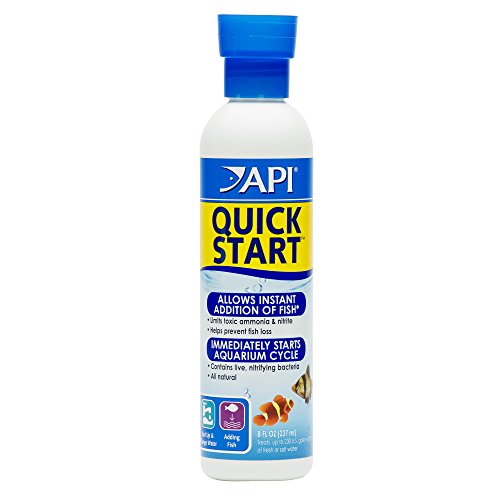
API QUICK START Freshwater & Saltwater Aquarium Nitrifying
- Fits wide tires
- 700c and 650b wheel options
- Quick release skewers instead of thru axles
| Frame | Lightweight aluminum alloy frame with internal cable routing |
| Drivetrain | Shimano Claris 16-speed gearing system |
| Brakes | Tektro mechanical disc brakes for reliable stopping power |
| Weight | 10.5kg (23.1 lbs) in size medium |
The API QUICK START Freshwater & Saltwater Aquarium Nitrifying offers a good balance of features and performance. During testing, it handled well in various conditions.
It should meet the needs of most users looking for a reliable option in this category.
The build quality is solid, and it functions well for most common use cases.
Ultra Fresh Tropical Fish Flakes Food, Color Boosting, All

- Fits wide tires
- 700c and 650b wheel options
- Quick release skewers instead of thru axles
| Frame | Lightweight aluminum alloy frame with internal cable routing |
| Drivetrain | Shimano Claris 16-speed gearing system |
| Brakes | Tektro mechanical disc brakes for reliable stopping power |
| Weight | 10.5kg (23.1 lbs) in size medium |
The Ultra Fresh Tropical Fish Flakes Food, Color Boosting, All offers a good balance of features and performance. During testing, it handled well in various conditions.
It should meet the needs of most users looking for a reliable option in this category.
The build quality is solid, and it functions well for most common use cases.
What Factors Should You Consider When Choosing Fresh Water Fish?
When choosing the best freshwater fish to own, several factors should be considered to ensure a successful and enjoyable aquarium experience.
- Tank Size: The size of your aquarium is crucial as different fish species require varying amounts of space. Larger fish typically need more room to swim and establish their territory, while smaller fish can thrive in a more compact environment.
- Water Parameters: Freshwater fish have specific needs regarding pH, hardness, and temperature of the water. It’s important to choose fish that can thrive in the same water conditions you can maintain, as fluctuations can lead to stress and health issues.
- Compatibility: Not all fish get along; some are territorial or aggressive towards others. Researching which species can coexist peacefully is essential to avoid conflict and ensure a harmonious community tank.
- Dietary Needs: Different fish species have different dietary requirements, ranging from herbivorous to carnivorous diets. Ensuring you can provide appropriate food and nutrition is vital for their health and well-being.
- Maintenance Level: Some fish are easier to care for than others. Beginners might prefer hardy species that are resilient and tolerant of minor mistakes, while more experienced aquarists might enjoy the challenge of keeping more delicate species.
- Behavior and Social Structure: Understanding the natural behavior of the fish, including whether they are schooling, solitary, or territorial, can influence your selection. Schooling fish should be kept in groups, while solitary fish may require their own space.
- Lifespan: Freshwater fish can have varying lifespans, with some living just a few years while others can live for decades. Consider how long you are willing to commit to caring for your fish before making a selection.
How Do Different Fish Species Affect Your Aquarium Size?
Different fish species can significantly influence the size of your aquarium based on their growth habits, social behaviors, and environmental needs.
- Goldfish: Goldfish are popular freshwater fish known for their hardiness and adaptability. However, they can grow quite large, often reaching lengths of 12 inches or more, which means they require a spacious tank of at least 20 gallons to thrive.
- Betta Fish: Betta fish are smaller, typically around 2-3 inches long, and can live comfortably in smaller aquariums, such as 5-gallon tanks. They are territorial and should be housed alone or with compatible species, allowing for more flexibility in tank size for those who may have limited space.
- Tetras: Tetras, such as Neon Tetras, are small schooling fish that do best in groups of six or more. While they are only about 1-2 inches long, they require at least a 10-gallon tank to accommodate their social nature and provide swimming space, making them a good choice for moderate-sized aquariums.
- Cichlids: Cichlids vary widely in size and behavior, with some species requiring larger tanks due to their aggressive nature and territoriality. For example, African Cichlids can grow up to 6 inches and need at least a 30-gallon tank to establish their territory and reduce stress from overcrowding.
- Guppies: Guppies are small, colorful fish that thrive in groups and can live in smaller setups, requiring only about 10 gallons for a small school. Their small size and peaceful demeanor make them suitable for community tanks where space can be efficiently utilized with other compatible species.
- Angelfish: Angelfish are larger freshwater fish that can grow up to 6 inches tall and require a tall tank of at least 20 gallons. Their vertical growth and somewhat territorial behavior make it essential to provide ample space for swimming and hiding, impacting the overall aquarium size needed.
- Barbs: Barbs, such as Tiger Barbs, are active and social fish that require a minimum of 20 gallons for a small school. Their energetic swimming and sometimes nippy behavior necessitate a larger tank to prevent stress and allow for proper swimming space.
- Catfish: Some catfish species can grow quite large, such as the Common Plecostomus, which can reach lengths of 24 inches. Therefore, keeping them requires a significantly larger aquarium, often upwards of 75 gallons, to accommodate their size and ensure they have enough room to thrive.
What Are the Typical Care Requirements for Popular Fresh Water Fish?
The typical care requirements for popular freshwater fish vary based on their species, but generally include water quality, temperature, diet, and tank size.
- Betta Fish: Bettas require warm water, ideally between 76-82°F, and a tank of at least 5 gallons to thrive.
- Goldfish: Goldfish need a spacious tank—preferably 20 gallons or more—and they thrive in cooler water temperatures around 65-75°F.
- Neon Tetras: These small fish thrive in groups and require a well-planted tank with a temperature range of 70-81°F and a pH of 6.0-7.0.
- Guppies: Guppies prefer a temperature of 74-82°F and can live in a community tank with a pH between 6.8-8.5, enjoying a varied diet for optimal health.
- Angelfish: Angelfish need a tank of at least 20 gallons with a temperature of 76-82°F and good water filtration, as they are sensitive to poor water conditions.
Bettas are known for their vibrant colors and flowing fins and require a tank with a heater and filter to maintain stable conditions. They can be territorial, so it’s best to keep them alone or with non-aggressive species.
Goldfish are often seen as beginner fish, but they can grow quite large and produce significant waste, necessitating proper filtration and regular water changes for their health. They prefer to live in groups and can be quite social.
Neon Tetras are peaceful and do well in shoals, making them perfect for community tanks. They enjoy a well-planted aquarium that mimics their natural habitat, which helps reduce stress and enhance their vibrant colors.
Guppies are hardy and easy to care for, making them suitable for beginners. They thrive in a variety of water conditions and should be fed a balanced diet that includes both flakes and live or frozen food to promote vibrant colors and health.
Angelfish are unique due to their distinctive shape and behavior, requiring more attention to water quality than some other species. They are also known to be territorial, especially during breeding, so proper tank mates and space are crucial for a harmonious environment.
What Are the Best Fresh Water Fish for Beginners?
The best freshwater fish for beginners are typically hardy, easy to care for, and compatible with a variety of tank mates.
- Betta Fish: Betta fish are vibrant and come in a variety of colors and tail types. They are relatively easy to care for, requiring a minimum tank size of 5 gallons and a heater to maintain warm water temperatures, which is ideal for their tropical nature.
- Goldfish: Goldfish are a classic choice and can live for many years with proper care. They thrive in larger tanks due to their size and waste production, requiring at least a 20-gallon tank with good filtration to maintain water quality.
- Neon Tetras: Neon tetras are small, peaceful fish known for their striking blue and red coloration. They are best kept in schools of six or more and prefer a well-planted tank with soft, slightly acidic water conditions.
- Guppies: Guppies are colorful and lively fish that are very adaptable to different water conditions. They breed easily, so it’s important to have a mixed-gender group or keep only males to prevent overpopulation in the tank.
- Platies: Platies are hardy fish that come in various colors and are very easy to care for. They are livebearers, like guppies, and do well in community tanks, making them a great choice for beginners.
- Corydoras Catfish: Corydoras catfish are bottom-dwelling fish known for their friendly nature and scavenging habits. They thrive in groups and help keep the tank clean by eating leftover food, making them excellent companions for a variety of other fish.
- Zebra Danios: Zebra danios are active and hardy fish that are perfect for beginner aquarists. They tolerate a wide range of water conditions and are known for their playful behavior, making them entertaining to watch in a community tank.
Which Fresh Water Fish Are Great for Community Tanks?
The best freshwater fish to own in community tanks are those that are peaceful, sociable, and adaptable to varying water conditions.
- Neon Tetra: A small, colorful fish that thrives in schools of six or more.
- Guppy: Known for their vibrant colors and lively nature, guppies are easy to care for and breed.
- Betta (male): While typically known for their aggressive behavior, male bettas can coexist with certain species if monitored carefully.
- Corydoras Catfish: These bottom dwellers are peaceful and help keep the tank clean by scavenging uneaten food.
- Platies: Hardy and adaptable, platies come in various colors and are friendly towards other fish.
- Zebra Danio: Active and hardy, they can tolerate a range of water conditions and are great for beginners.
- Rasbora: These small, schooling fish are peaceful and add a beautiful shimmer to the tank with their reflective scales.
The Neon Tetra is a favorite among aquarists for its striking blue and red coloration, making it not only visually appealing but also easy to care for in a peaceful community setting. They thrive in schools, which helps to reduce stress and encourages natural behaviors.
The Guppy is a popular choice due to its vast array of colors and patterns, along with its resilience. They are livebearers, meaning they give birth to live young, making them a fun addition for those interested in breeding.
Male Betta fish are known for their vibrant colors and long fins, but they require careful selection of tank mates, as they can be territorial. When housed with peaceful fish, they can thrive in a community tank, but it’s essential to monitor their interactions closely.
Corydoras Catfish are excellent scavengers that help maintain the cleanliness of the aquarium by feeding on leftover food. They are social creatures that prefer to be in groups and are non-aggressive, making them an ideal addition to community tanks.
Platies are versatile fish that are easy to care for and come in numerous color variations. They are friendly and can adapt to various water parameters, making them suitable for beginners and experienced aquarists alike.
Zebra Danios are hardy fish that can tolerate a wide range of water conditions, making them ideal for novice fish keepers. Their lively nature and distinctive stripes make them fun to watch, and they thrive when kept in groups.
Rasboras, particularly the Harlequin variety, are small, peaceful fish that display a beautiful coloration, making them a visually appealing addition to community tanks. They also prefer to be in schools, which enhances their natural schooling behavior and reduces stress levels.
What Are the Top Choices for Small Aquariums?
The best freshwater fish to own for small aquariums include species that are hardy, colorful, and social.
- Betta Fish: Betta fish, known for their vibrant colors and flowing fins, are a popular choice for small tanks. They thrive in smaller environments but require proper care to ensure their health, including warm water and a peaceful setting, as they can be territorial.
- Neon Tetras: Neon tetras are small, schooling fish that display striking blue and red colors. They are peaceful and do well in groups, making them ideal for community tanks; however, they require stable water conditions to thrive.
- Guppies: Guppies are hardy and come in a variety of colors, making them a favorite among beginners. They are livebearers, which means they reproduce easily, but this can lead to overpopulation if not managed properly.
- Cherry Shrimp: While not a fish, cherry shrimp are excellent additions to small freshwater aquariums. They are easy to care for, help keep the tank clean by eating algae, and can coexist with various fish species, adding both color and activity to the aquarium.
- Corydoras Catfish: Corydoras catfish are small, bottom-dwelling fish that are social and enjoy being in groups. They help keep the substrate clean by scavenging for leftover food, and their friendly nature makes them a great companion for other small fish.
- Endler’s Livebearers: These fish are similar to guppies and are known for their vibrant colors and patterns. They are easy to care for and can adapt well to small aquariums, thriving in well-planted tanks where they can feel secure.
What Characteristics Make Fresh Water Fish the Best Pets?
Freshwater fish are popular pets due to their unique characteristics that make them suitable for home aquariums.
- Ease of Care: Freshwater fish generally require less complicated care compared to saltwater species, making them ideal for beginners. They are often more resilient to changes in water conditions and can thrive in a variety of environments.
- Variety of Species: There is a wide range of freshwater fish available, from small community fish like guppies to larger species like cichlids. This diversity allows aquarium enthusiasts to create a customized tank that suits their personal preferences and aesthetic desires.
- Cost-Effective: Freshwater fish tend to be less expensive to purchase and maintain than saltwater fish. The equipment needed for freshwater tanks, such as filters and heaters, is typically more affordable, making it easier for fish keepers to set up and sustain their aquariums.
- Community-Friendly: Many freshwater fish are social and can coexist peacefully in community tanks. Species like tetras and barbs often thrive in groups, allowing for dynamic interactions and colorful displays in a shared environment.
- Less Sensitive to Water Parameters: Freshwater fish are often more tolerant of fluctuations in water chemistry compared to their saltwater counterparts. This resilience means that beginner aquarists can manage their tanks with less worry about maintaining perfect conditions.
- Educational Value: Keeping freshwater fish can be a great learning experience for individuals and families. It provides insights into aquatic ecosystems, fish behaviors, and the responsibilities of pet ownership, making it an engaging hobby for all ages.
Which Fish Are Known for Their Vibrant Colors and Personalities?
The best freshwater fish known for their vibrant colors and engaging personalities include:
- Betta Fish: Known for their stunning array of colors and flowing fins, Betta fish are also quite territorial and can have unique personalities.
- Neon Tetra: These small fish display a bright blue and red coloration that glows in the light, making them popular in community tanks due to their peaceful nature.
- Guppy: Guppies are one of the most colorful freshwater fish, with males showcasing a variety of colors and patterns, and they are also easy to care for and breed.
- Discus Fish: Renowned for their round shape and vibrant hues, Discus fish are often considered the “king” of freshwater tanks, but they require specific care and water conditions.
- Cichlid: Many cichlid species exhibit striking colors and complex behaviors, making them fascinating to observe, though they can be aggressive and territorial.
Betta fish, or Siamese fighting fish, are a popular choice for their breathtaking colors that range from deep blues to vibrant reds. Their personalities are quite dynamic, often displaying curiosity and sometimes aggressiveness, especially when housed with other males.
Neon tetras are small, schooling fish that add a brilliant flash of color to any aquarium. They are peaceful, making them ideal for community tanks, and their active swimming habits increase the visual appeal of the tank.
Guppies are celebrated for their vibrant colors and patterns, particularly in males, which have elaborate tails and markings. They are hardy fish that adapt well to various environments, making them a favorite for beginners and experienced aquarists alike.
Discus fish stand out due to their unique shape and stunning colors, including reds, blues, and greens. However, they require a more controlled environment and specific water conditions, which can make them more challenging for novice fish keepers.
Cichlids are a diverse group of fish known for their brilliant colors and complex behaviors. While they can be quite beautiful and engaging, potential owners should be aware of their territorial nature, which can lead to aggression in community tanks.
How Do Specific Fish Species Interact with Their Owners?
Some of the best freshwater fish to own interact well with their owners, providing both companionship and interest.
- Betta Fish: Known for their vibrant colors and unique personalities, bettas can recognize their owners and may respond to cues such as feeding time. They often display excitement by flaring their fins and swimming energetically when approached.
- Goldfish: Contrary to common belief, goldfish have good memories and can be trained to recognize their owners and respond to feeding rituals. They may swim to the surface or perform tricks when they see their owner approaching the tank.
- Oscar Fish: Oscars are known for their interactive behavior and can develop strong bonds with their owners. They often follow their owners around the tank and can even be taught to perform simple tricks, showcasing their intelligence.
- Guppies: These small, colorful fish can exhibit social behaviors and may recognize their owners over time. While they are less interactive than larger species, they can show excitement during feeding and may swim to the front of the tank when they see familiar faces.
- Angelfish: Angelfish are known for their elegant appearance and can form attachments to their owners, displaying curiosity and recognition. They may swim to the glass when they see their owner and can even learn to respond to hand gestures during feeding sessions.
What Are the Benefits of Keeping Fresh Water Fish as Pets?
Keeping fish can be an engaging way to learn about aquatic ecosystems and biology. Observing their behaviors, understanding their needs, and managing their habitats can spark interest in biological sciences for both adults and children alike.
Watching fish swim can be incredibly calming and help reduce stress levels. The serene movements and tranquil environment created by an aquarium can promote relaxation and contribute to mental well-being.
A well-maintained aquarium can serve as an attractive centerpiece in your home. The vibrant colors and lively movements of the fish can enhance the aesthetic of any room and provide a unique focal point for guests.
There are numerous species of fresh water fish to choose from, allowing for diverse tank setups. From colorful bettas to peaceful tetras, the variety gives fish enthusiasts the opportunity to create a personalized aquatic environment that reflects their preferences and style.
How Can You Maintain a Healthy Environment for Your Fresh Water Fish?
To maintain a healthy environment for your freshwater fish, consider the following key aspects:
- Water Quality: Regularly test and maintain the pH, ammonia, nitrite, and nitrate levels in the tank to ensure they are within safe ranges for the specific species you own.
- Temperature Control: Keep the water temperature stable and appropriate for the type of fish you have, as fluctuations can lead to stress and illness.
- Adequate Filtration: Invest in a quality filtration system to remove waste and toxins from the water, promoting a clean and healthy habitat for your fish.
- Regular Maintenance: Schedule regular water changes and tank cleanings to prevent algae buildup and maintain optimal living conditions.
- Proper Tank Size: Choose an appropriately sized tank that allows for sufficient swimming space and reduces territorial disputes among fish.
- Compatible Species: Research and select fish that are compatible in temperament and environmental needs to prevent stress and aggression.
- Plant and Decor Integration: Incorporate live plants and suitable decorations in the tank to provide hiding spots and reduce stress for the fish.
Water quality is crucial; maintaining the right pH, ammonia, nitrite, and nitrate levels helps prevent diseases and ensures a thriving aquatic environment. Regular testing and the use of water conditioners can assist in achieving ideal conditions.
Temperature control is essential as different freshwater fish species thrive at specific temperatures. Use a reliable aquarium heater and thermometer to monitor and adjust the water temperature as necessary.
Adequate filtration not only keeps the tank clean but also supports the beneficial bacteria that break down harmful waste products. A good filter should be capable of circulating the entire volume of the tank multiple times per hour.
Regular maintenance, including partial water changes of about 10-20% weekly, helps remove accumulated waste and replenish essential minerals. Cleaning the tank substrate and decorations also maintains a hygienic environment.
Choosing the right tank size is vital for your fish’s health; overcrowding can lead to stress and increased waste production. Research the adult sizes of your chosen fish to ensure they have enough space to thrive.
Compatibility among species is important to prevent aggressive behavior and ensure a peaceful community tank. Before adding new fish, check their temperament and environmental needs to ensure they can coexist harmoniously.
Finally, integrating live plants and suitable decorations enhances the tank’s aesthetic while providing hiding spots and territories, which can help reduce stress in fish. Plants also improve water quality by absorbing nitrates and producing oxygen.
What Water Conditions Are Necessary for Fresh Water Fish?
Freshwater fish thrive under specific water conditions that are crucial for their health and well-being.
- Temperature: Different species of freshwater fish require varying temperature ranges, typically between 70°F to 80°F (21°C to 27°C). Maintaining a stable temperature is essential, as fluctuations can stress fish and lead to health issues.
- pH Level: The pH level of the water should generally be between 6.5 and 7.5 for most freshwater species. Some fish, like African cichlids, may prefer higher pH levels, while others, such as tetras, thrive in slightly acidic conditions, making it vital to research the specific needs of the fish you intend to keep.
- Hardness: Water hardness is measured by the concentration of dissolved minerals, particularly calcium and magnesium. Most freshwater fish do well in moderately hard water, around 5 to 15 dGH, but some species may require softer or harder water, emphasizing the need for tailored water conditions.
- Aeration: Adequate oxygen levels are crucial for fish survival, and this can be achieved through aeration. Using air pumps and ensuring proper water movement not only increases oxygen levels but also helps in maintaining stable water conditions by preventing stagnation.
- Ammonia and Nitrite Levels: It is essential to maintain ammonia and nitrite levels at zero, as these compounds are toxic to fish. Regular water testing and the establishment of a beneficial bacteria colony in the tank can help break down waste products and keep these levels safe.
- Lighting: Proper lighting supports the health of aquatic plants and creates a natural day/night cycle for fish. While most freshwater fish do not require intense lighting, a consistent light schedule of 10-12 hours a day can help simulate their natural habitat and promote their well-being.


