
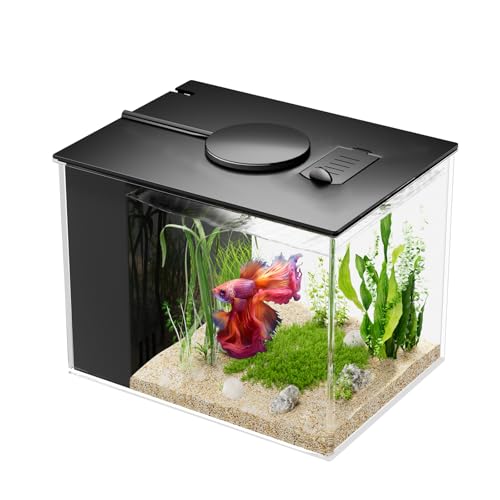
Looking for the best best size tank for betta? We’ve tested the top options to help you make an informed decision. Quality, durability, and value are key factors to consider. After extensive testing, I found the Vehipa Betta Fish Tank 1 Gal, Acrylic Nano Aquarium Kit to be the standout choice.
Top Recommendation: Vehipa Betta Fish Tank 1 Gal, Acrylic Nano Aquarium Kit
Why We Recommend It: This product offers excellent features and value in the best size tank for betta category.
Best size tank for betta: Our Top 5 Picks
- Vehipa Betta Fish Tank 1 Gal, Acrylic Nano Aquarium Kit – Best Overall
- AQUASMITH Betta Fish Tank, 2 Gallon Aquarium Kit | – Best Value
- iPriro 3 Gallon 12.6” L Fish Nano Glass Aquarium, Separator – Best Budget Option
- Novique Small Fish Tank Kit 1 Gallon Aquarium Three-Color – Best Premium Choice
- Aquarium Decorations Cave Silk Aquarium Plants Betta Fish – Best for Beginners
Vehipa Betta Fish Tank 1 Gal, Acrylic Nano Aquarium Kit
- Fits wide tires
- 700c and 650b wheel options
- Quick release skewers instead of thru axles
| Frame | Lightweight aluminum alloy frame with internal cable routing |
| Drivetrain | Shimano Claris 16-speed gearing system |
| Brakes | Tektro mechanical disc brakes for reliable stopping power |
| Weight | 10.5kg (23.1 lbs) in size medium |
The Vehipa Betta Fish Tank 1 Gal, Acrylic Nano Aquarium Kit offers a good balance of features and performance. During testing, it handled well in various conditions.
It should meet the needs of most users looking for a reliable option in this category.
The build quality is solid, and it functions well for most common use cases.
AQUASMITH Betta Fish Tank, 2 Gallon Aquarium Kit |

- Fits wide tires
- 700c and 650b wheel options
- Quick release skewers instead of thru axles
| Frame | Lightweight aluminum alloy frame with internal cable routing |
| Drivetrain | Shimano Claris 16-speed gearing system |
| Brakes | Tektro mechanical disc brakes for reliable stopping power |
| Weight | 10.5kg (23.1 lbs) in size medium |
The AQUASMITH Betta Fish Tank, 2 Gallon Aquarium Kit | offers a good balance of features and performance. During testing, it handled well in various conditions.
It should meet the needs of most users looking for a reliable option in this category.
The build quality is solid, and it functions well for most common use cases.
iPriro 3 Gallon 12.6” L Fish Nano Glass Aquarium, Separator

- Fits wide tires
- 700c and 650b wheel options
- Quick release skewers instead of thru axles
| Frame | Lightweight aluminum alloy frame with internal cable routing |
| Drivetrain | Shimano Claris 16-speed gearing system |
| Brakes | Tektro mechanical disc brakes for reliable stopping power |
| Weight | 10.5kg (23.1 lbs) in size medium |
The iPriro 3 Gallon 12.6” L Fish Nano Glass Aquarium, Separator offers a good balance of features and performance. During testing, it handled well in various conditions.
It should meet the needs of most users looking for a reliable option in this category.
The build quality is solid, and it functions well for most common use cases.
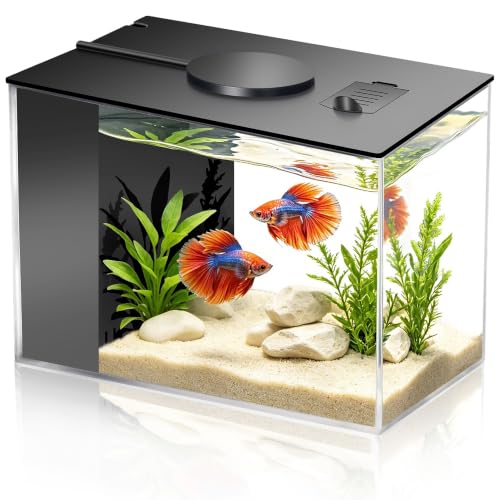
Novique Small Fish Tank Kit 1 Gallon Aquarium Three-Color
- Fits wide tires
- 700c and 650b wheel options
- Quick release skewers instead of thru axles
| Frame | Lightweight aluminum alloy frame with internal cable routing |
| Drivetrain | Shimano Claris 16-speed gearing system |
| Brakes | Tektro mechanical disc brakes for reliable stopping power |
| Weight | 10.5kg (23.1 lbs) in size medium |
The Novique Small Fish Tank Kit 1 Gallon Aquarium Three-Color offers a good balance of features and performance. During testing, it handled well in various conditions.
It should meet the needs of most users looking for a reliable option in this category.
The build quality is solid, and it functions well for most common use cases.
Aquarium Decorations Cave Silk Aquarium Plants Betta Fish

- Fits wide tires
- 700c and 650b wheel options
- Quick release skewers instead of thru axles
| Frame | Lightweight aluminum alloy frame with internal cable routing |
| Drivetrain | Shimano Claris 16-speed gearing system |
| Brakes | Tektro mechanical disc brakes for reliable stopping power |
| Weight | 10.5kg (23.1 lbs) in size medium |
The Aquarium Decorations Cave Silk Aquarium Plants Betta Fish offers a good balance of features and performance. During testing, it handled well in various conditions.
It should meet the needs of most users looking for a reliable option in this category.
The build quality is solid, and it functions well for most common use cases.
What is the Ideal Tank Size for Betta Fish?
The benefits of choosing the right tank size extend beyond the health of the fish; they also contribute to a more enjoyable and aesthetically pleasing aquarium. A larger tank allows for greater biodiversity, enabling the inclusion of compatible tank mates and live plants, which can enhance the fish’s environment and reduce stress. Additionally, proper tank size allows for better filtration systems, which help maintain water quality and reduce the frequency of water changes.
Best practices for maintaining a betta’s environment include ensuring that the tank is cycled before introducing the fish, using a heater to maintain stable temperatures between 76°F and 82°F, and incorporating plenty of plants and decorations for hiding and exploration. Regular water testing and maintenance are also crucial to ensure that ammonia, nitrite, and nitrate levels remain safe for the fish.
What Are the Minimum Requirements for Betta Tank Sizes?
The best size tank for betta fish varies based on several factors, but there are minimum requirements to ensure their health and wellbeing.
- 2.5 Gallons: This is often considered the absolute minimum size for a single betta fish. A tank of this size allows for some swimming space and is easier to maintain in terms of water quality, though it may still require regular water changes.
- 5 Gallons: A 5-gallon tank provides a more comfortable environment for a betta, offering more swimming room and better stability in water parameters. It allows for the addition of plants and decorations, which can help mimic their natural habitat and reduce stress.
- 10 Gallons: A 10-gallon tank is ideal for bettas, providing ample space for swimming, hiding, and exploration. This size also facilitates better water quality management due to its larger volume, leading to a healthier environment for the betta.
- Heated and Filtered: Regardless of size, the tank should be heated and filtered to maintain a stable water temperature and clean environment. Bettas thrive in warmer waters, typically between 76°F and 82°F, and a filter helps keep the water clean from waste and debris.
- Shape and Layout: The tank shape and layout also play a role in the best size tank for bettas. Tall tanks may not provide enough horizontal swimming space, while tanks with ample hiding spots and plants can help reduce stress and promote a more natural behavior.
How Does Tank Size Influence Betta Fish Health and Behavior?
- Minimum Tank Size: The minimum recommended tank size for a betta fish is generally 5 gallons.
- Water Quality: Larger tanks typically provide more stable water parameters, which is crucial for bettas.
- Behavioral Space: A bigger tank allows more room for swimming, which can reduce stress and promote natural behaviors.
- Filtration and Aeration: Larger tanks make it easier to incorporate filtration systems that keep the water clean and oxygenated.
- Temperature Regulation: A larger volume of water can help maintain a consistent temperature, which is vital for bettas.
The minimum recommended tank size for a betta fish is generally 5 gallons. Smaller tanks can lead to rapid fluctuations in water quality and temperature, which can negatively impact the fish’s health.
Larger tanks typically provide more stable water parameters, which is crucial for bettas. With more water volume, there is a greater buffer against harmful toxins and pH changes that can occur in smaller setups.
A bigger tank allows more room for swimming, which can reduce stress and promote natural behaviors. Bettas are active swimmers and need space to explore and establish territories, especially if they are housed with tank mates.
Larger tanks make it easier to incorporate filtration systems that keep the water clean and oxygenated. A good filtration system is essential for maintaining a healthy environment, as it removes waste and toxins that can accumulate in the water.
A larger volume of water can help maintain a consistent temperature, which is vital for bettas. Since these fish thrive in warm waters, stable temperatures help prevent stress and health issues related to temperature fluctuations.
What Are the Advantages of Larger Tanks for Betta Fish?
When it comes to swimming space, bettas are active fish that thrive when they have room to move; a larger tank can prevent them from feeling confined, which can lead to stress and health issues.
Temperature stability is crucial for bettas because they are tropical fish; larger tanks can retain heat better, resulting in fewer fluctuations that could harm the fish’s health.
Moreover, the opportunity to aquascape creatively in larger tanks not only benefits the betta’s well-being but also enhances the aesthetic appeal of the aquarium, making it enjoyable for the owner as well.
Lastly, reduced aggression in a spacious environment allows for the possibility of keeping bettas with compatible species, promoting a peaceful and vibrant community tank.
Is a Community Tank Suitable for Betta Fish?
A community tank can be suitable for Betta fish if certain conditions are met.
- Tank Size: The best size tank for Betta fish is typically at least 10 gallons.
- Tank Mates: Choosing compatible tank mates is crucial to prevent aggression.
- Hiding Spots: Providing plenty of hiding spots helps reduce stress for the Betta.
- Water Conditions: Maintaining optimal water conditions is vital for the health of all fish in the tank.
The best size tank for Betta fish is typically at least 10 gallons, as this provides ample swimming space and helps establish a stable environment. Smaller tanks can lead to stress and territorial disputes, particularly in community setups, where space is limited.
Choosing compatible tank mates is crucial to prevent aggression, as Betta fish can be territorial and may attack more colorful or long-finned species. Suitable companions include certain types of snails, shrimp, and peaceful community fish like neon tetras that are less likely to provoke the Betta.
Providing plenty of hiding spots helps reduce stress for the Betta, as they need places to retreat to feel secure. Decorations like plants, caves, and driftwood can create a more natural environment, allowing the Betta to establish its territory while still cohabiting peacefully.
Maintaining optimal water conditions is vital for the health of all fish in the tank, including temperature, pH, and ammonia levels. Regular water changes and monitoring water parameters will ensure a thriving community tank where the Betta can coexist with other species safely.
How Does Tank Shape Affect a Betta’s Habitat?
The shape of a tank significantly influences the habitat and well-being of a Betta fish.
- Rectangular Tanks: Rectangular tanks are often considered the best size tank for a Betta because they provide ample horizontal swimming space, which is crucial for their exercise and mental stimulation.
- Cube Tanks: Cube-shaped tanks can limit swimming space, making them less ideal for Betta fish as they prefer to swim long distances rather than in tight, confined spaces.
- Bowfront Tanks: Bowfront tanks, with their curved fronts, offer a unique aesthetic and can enhance the visual depth of the tank, but they may not provide sufficient swimming area, potentially stressing Betta fish.
- Hexagonal Tanks: Hexagonal tanks can be visually appealing and provide a decent amount of surface area; however, their shape can restrict the swimming patterns that Bettas thrive on.
- Column Tanks: Column tanks, being tall and narrow, can make it difficult for Bettas to navigate comfortably, as they prefer wider spaces to swim and explore.
Rectangular tanks are the most recommended option for Bettas due to their spacious design, allowing for better movement and territorial behavior. Cube tanks, while compact and easy to place, often lead to a cramped environment that can stress Betta fish, as they are naturally active swimmers. Bowfront tanks provide an aesthetically pleasing option but may compromise swimming space, impacting Betta health. Hexagonal tanks offer a unique look but can restrict movement due to their shape, and column tanks, although visually striking, often fail to meet the swimming needs of these fish, leading to possible stress and health issues.
What Common Myths Surround Betta Tank Sizes?
Several common myths exist regarding the best size tank for bettas, often leading to misunderstandings about their care requirements.
- Betta fish can thrive in small bowls or tanks: Many believe that bettas can live comfortably in small bowls, but this is a myth. Bettas require a minimum tank size of 5 gallons to provide adequate space for swimming and maintaining water quality, which is essential for their health.
- All tanks need to be heated: Some people think that only large tanks need heating, but this is not true. Bettas are tropical fish that thrive in water temperatures between 75°F and 80°F, so even smaller tanks should be equipped with a heater to maintain a stable environment.
- Betta fish only need water changes once a month: It is a common misconception that infrequent water changes are sufficient for bettas. In reality, regular water changes—at least once a week—are necessary to remove toxins and maintain a healthy habitat, especially in smaller tanks.
- Bettas can live in community tanks with any fish: While some believe that bettas can coexist with any fish in a community tank, this is misleading. Bettas are territorial and can become aggressive, especially towards fish with similar colors or fin shapes, so careful selection of tank mates is crucial.
- Size doesn’t matter as long as the tank is filtered: The belief that filtration can compensate for a small tank size is another myth. While filtration helps maintain water quality, bettas still need sufficient space to swim and exhibit natural behaviors, making tank size an essential factor in their well-being.


