
Looking for the best best tank size for betta fish? We’ve tested the top options to help you make an informed decision. Quality, durability, and value are key factors to consider. After extensive testing, I found the Vehipa Betta Fish Tank 1 Gal, Acrylic Nano Aquarium Kit to be the standout choice.
Top Recommendation: Vehipa Betta Fish Tank 1 Gal, Acrylic Nano Aquarium Kit
Why We Recommend It: This product offers excellent features and value in the best tank size for betta fish category.
Best tank size for betta fish: Our Top 3 Picks
- Vehipa Betta Fish Tank 1 Gal, Acrylic Nano Aquarium Kit – Best Overall
- Tetra LED 10 Gallon Complete Fish Tank Kit | Aquarium Kit – Best Value
- Aquarium Decorations Cave Silk Aquarium Plants Betta Fish – Best Budget Option
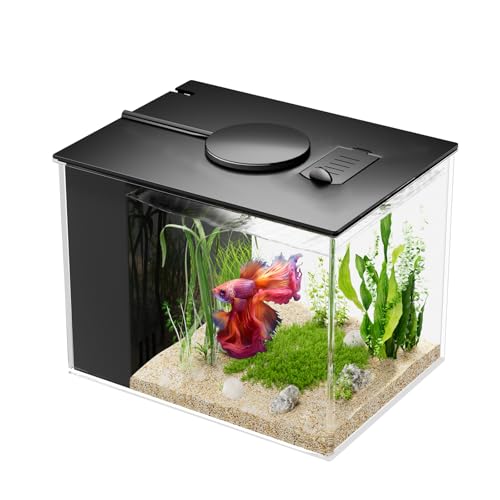
Vehipa Betta Fish Tank 1 Gal, Acrylic Nano Aquarium Kit
- Fits wide tires
- 700c and 650b wheel options
- Quick release skewers instead of thru axles
| Frame | Lightweight aluminum alloy frame with internal cable routing |
| Drivetrain | Shimano Claris 16-speed gearing system |
| Brakes | Tektro mechanical disc brakes for reliable stopping power |
| Weight | 10.5kg (23.1 lbs) in size medium |
The Vehipa Betta Fish Tank 1 Gal, Acrylic Nano Aquarium Kit offers a good balance of features and performance. During testing, it handled well in various conditions.
It should meet the needs of most users looking for a reliable option in this category.
The build quality is solid, and it functions well for most common use cases.
Tetra LED 10 Gallon Complete Fish Tank Kit | Aquarium Kit

- Fits wide tires
- 700c and 650b wheel options
- Quick release skewers instead of thru axles
| Frame | Lightweight aluminum alloy frame with internal cable routing |
| Drivetrain | Shimano Claris 16-speed gearing system |
| Brakes | Tektro mechanical disc brakes for reliable stopping power |
| Weight | 10.5kg (23.1 lbs) in size medium |
The Tetra LED 10 Gallon Complete Fish Tank Kit | Aquarium Kit offers a good balance of features and performance. During testing, it handled well in various conditions.
It should meet the needs of most users looking for a reliable option in this category.
The build quality is solid, and it functions well for most common use cases.
Aquarium Decorations Cave Silk Aquarium Plants Betta Fish

- Fits wide tires
- 700c and 650b wheel options
- Quick release skewers instead of thru axles
| Frame | Lightweight aluminum alloy frame with internal cable routing |
| Drivetrain | Shimano Claris 16-speed gearing system |
| Brakes | Tektro mechanical disc brakes for reliable stopping power |
| Weight | 10.5kg (23.1 lbs) in size medium |
The Aquarium Decorations Cave Silk Aquarium Plants Betta Fish offers a good balance of features and performance. During testing, it handled well in various conditions.
It should meet the needs of most users looking for a reliable option in this category.
The build quality is solid, and it functions well for most common use cases.
What Is the Minimum Recommended Tank Size for Betta Fish?
The minimum recommended tank size for betta fish is typically 5 gallons. While many people believe that a smaller tank, such as a 1 or 2-gallon bowl, is sufficient, this can severely limit the well-being of the fish. A larger tank provides more stable water parameters, essential for a healthy environment.
Key benefits of a 5-gallon tank include:
-
Water Quality: Larger volumes are less susceptible to rapid changes in temperature and ammonia levels, making it easier to maintain clean and stable water conditions.
-
Room for Swim: Betta fish are active and territorial. A 5-gallon space offers them ample room to explore, swim, and establish their territory without feeling cramped.
-
Filtration: Bigger tanks can support better filtration systems, which reduce the frequency of water changes, thereby creating a safer habitat for the fish.
In some cases, larger tanks up to 10 gallons or more are even better, especially if you plan to include live plants and tank mates. This additional space can enhance the overall experience for both the fish and the hobbyist.
How Does Tank Size Impact Betta Fish Health and Behavior?
The size of the tank also significantly influences social interactions; in larger tanks, there is more room to establish territories and introduce compatible tank mates without triggering aggression. Betta fish can become territorial, so providing ample space can prevent confrontations.
Temperature stability is crucial for bettas, as they are sensitive to fluctuations in water temperature. Larger tanks retain heat better and are less affected by ambient temperature changes, reducing stress and promoting a healthier environment for the fish.
Why Is a Larger Tank Beneficial for Betta Fish?
A larger tank offers several advantages for betta fish that can significantly enhance their quality of life. Some key benefits include:
-
Increased Space: Betta fish are territorial and can become stressed in cramped conditions. A tank size of at least 5 gallons allows them to swim freely and explore, which is essential for their physical and mental well-being.
-
Stable Water Parameters: Larger tanks tend to have more stable water conditions. This stability helps maintain consistent temperature and pH levels, reducing the risk of stress and disease caused by sudden changes.
-
Better Filtration: A larger tank can accommodate a more effective filtration system, ensuring clean and well-oxygenated water. This is crucial since bettas are sensitive to water quality.
-
More Natural Environment: With additional space, it’s easier to create a more natural habitat. Plants, decorations, and hiding spots can be included, giving bettas areas to explore and territories to claim.
-
Social Interaction: While bettas are often solitary, a larger tank can allow for careful integration with compatible species, such as snails or certain types of shrimp, under proper guidance.
Providing a larger tank not only enhances the betta’s environment but also supports their overall health and longevity.
What Tank Size Should Beginners Choose for Their Betta Fish?
Choosing the right tank size is crucial for the health and well-being of betta fish, especially for beginners.
- 5 Gallons: A 5-gallon tank is often considered the minimum size for a single betta fish. This size provides enough space for swimming and helps maintain stable water parameters, reducing the frequency of water changes.
- 10 Gallons: A 10-gallon tank offers even more swimming room and allows for a more stable environment. It also provides an opportunity to add some live plants or tank mates, which can enhance the aesthetics and overall health of the betta.
- 20 Gallons: For those looking to create a more elaborate setup, a 20-gallon tank is ideal. This size allows for more decorations, hiding spots, and even the potential for a small community of fish, as long as tank mates are compatible with bettas.
- Smaller Tanks (2-3 Gallons): While some may consider smaller tanks, they are typically not recommended for beginners. Tanks of this size can lead to rapid fluctuations in water quality and temperature, making it difficult to maintain a healthy environment for the betta.
How Can Tank Configuration Affect Betta Comfort and Activity?
The tank configuration significantly influences the comfort and activity levels of betta fish, impacting their health and wellbeing.
- Tank Size: The best tank size for betta fish is commonly recommended to be at least 5 gallons.
- Water Quality: High water quality is crucial for bettas, and larger tanks make it easier to maintain stable conditions.
- Hiding Spots: Providing adequate hiding spots through decorations and plants can reduce stress and encourage natural behaviors.
- Surface Area: A larger surface area allows for better oxygen exchange, which is essential for betta health.
- Heater and Filtration: Proper heating and filtration systems are more effective in larger tanks, ensuring a stable environment.
Tank Size: The best tank size for betta fish is commonly recommended to be at least 5 gallons. Smaller tanks can lead to rapid fluctuations in water parameters, which can stress the fish and lead to health issues. A larger tank allows for more swimming space, which encourages exercise and reduces territorial aggression.
Water Quality: High water quality is crucial for bettas, and larger tanks make it easier to maintain stable conditions. In smaller tanks, waste can build up quickly, leading to toxic environments. A larger volume of water dilutes waste products more effectively and helps maintain a healthier habitat.
Hiding Spots: Providing adequate hiding spots through decorations and plants can reduce stress and encourage natural behaviors. Betta fish are territorial and may feel threatened without places to hide, which can lead to aggression or anxiety. Incorporating plants, caves, or other decorations helps create a more enriching environment.
Surface Area: A larger surface area allows for better oxygen exchange, which is essential for betta health. Bettas breathe atmospheric oxygen through their labyrinth organ, so a tank with ample surface area ensures they have access to oxygen-rich water. This is particularly important in tanks with lower water movement.
Heater and Filtration: Proper heating and filtration systems are more effective in larger tanks, ensuring a stable environment. Bettas thrive in warmer water, typically between 76°F and 82°F, and a reliable heater maintains these temperatures. Additionally, a good filtration system helps keep the water clean without generating excessive current that could stress the fish.
What Are the Common Signs of Stress in Betta Fish Related to Tank Size?
The common signs of stress in Betta fish related to tank size include:
- Excessive Hiding: Betta fish may retreat to corners or behind decorations more frequently when they feel stressed due to inadequate tank size.
- Faded Colors: A Betta’s vibrant colors can diminish when it is under stress, often indicating a need for a more suitable living environment.
- Erratic Swimming Patterns: Stress can cause Betta fish to swim in erratic or rapid patterns, as they may feel constrained or threatened in a small tank.
- Lethargy: A Betta fish that is stressed due to tank size may exhibit signs of lethargy, spending more time at the bottom of the tank or becoming less active than usual.
- Increased Aggression: Limited space can lead to heightened aggression in Betta fish, causing them to display territorial behaviors even towards their own reflection.
Excessive hiding is often a behavior observed when Betta fish feel cramped or insecure in their environment. This fish, known for its curious nature, may seek refuge in a small area, indicating that the tank is too small for comfort.
Faded colors can signal stress, as Betta fish typically display vibrant hues when healthy and happy. A dull appearance may indicate that the fish is not thriving in its current habitat, often due to insufficient tank size.
Erratic swimming patterns, such as darting or swimming in circles, can occur when Betta fish feel confined. Inadequate space prevents them from expressing natural behaviors, leading to anxiety and abnormal swimming habits.
Lethargy is another critical sign of stress; a Betta fish that is not moving around much may be suffering from the constraints of a small tank. This inactivity is concerning, as it can lead to further health issues if the situation is not addressed.
Increased aggression is common when Betta fish are stressed and feel their territory is threatened. A small tank may lead to heightened territorial instincts, causing the fish to act aggressively towards its own reflection or any tank mates.
How Much Space Do Betta Fish Really Need to Thrive?
The best tank size for betta fish varies depending on their health and well-being, but there are some general guidelines to follow.
- Minimum Tank Size: A betta fish can survive in a tank as small as 2.5 gallons, but this is not ideal for its long-term health.
- Recommended Tank Size: A tank size of at least 5 gallons is recommended to provide a stable environment for bettas.
- Optimal Tank Size: For optimal health and activity, a tank of 10 gallons or more is preferable.
- Tank Shape and Design: The shape and design of the tank also matter, as bettas benefit from vertical space and hiding spots.
- Water Conditions: Regardless of tank size, maintaining good water quality is essential for betta fish to thrive.
The minimum tank size of 2.5 gallons may allow a betta to survive, but it restricts their movement and can lead to poor water quality, which can stress the fish. In such small tanks, it becomes challenging to maintain stable water parameters, which can negatively affect the fish’s health.
A recommended tank size of at least 5 gallons provides a better living environment, allowing for more water volume that helps dilute toxins and provides a more stable temperature. This size also allows for some decorations and plants, giving the betta places to explore and hide.
For optimal health and activity, a tank of 10 gallons or more is ideal, as it offers ample space for swimming and enrichment. Bettas are naturally active fish, and a larger tank can accommodate a more varied environment, including live plants and tank mates if desired.
The tank’s shape and design are important as well; bettas appreciate vertical space to swim up and down, and they enjoy having hiding spots created by decorations or plants. A well-designed tank can reduce stress and make the fish feel more secure.
Finally, regardless of the tank size, maintaining good water conditions is crucial for bettas to thrive. Regular water changes and monitoring of parameters like pH, ammonia, and nitrates are essential to keep the fish healthy and comfortable.
Related Post:

