
Looking for the best best aquarium nitrate filter? We’ve tested the top options to help you make an informed decision. Quality, durability, and value are key factors to consider. After extensive testing, I found the API NITRA-ZORB SIZE 6 Aquarium Canister Filter Filtration to be the standout choice.
Top Recommendation: API NITRA-ZORB SIZE 6 Aquarium Canister Filter Filtration
Why We Recommend It: This product offers excellent features and value in the best aquarium nitrate filter category.
Best aquarium nitrate filter: Our Top 5 Picks
- API NITRA-ZORB SIZE 6 Aquarium Canister Filter Filtration – Best Overall
- Nitrate Reducer Filter Pad 18×10 – Cut to Fit for – Best Value
- PENN-PLAX Nitrate Reducer Aquarium Filter Media Pad – Easy – Best Budget Option
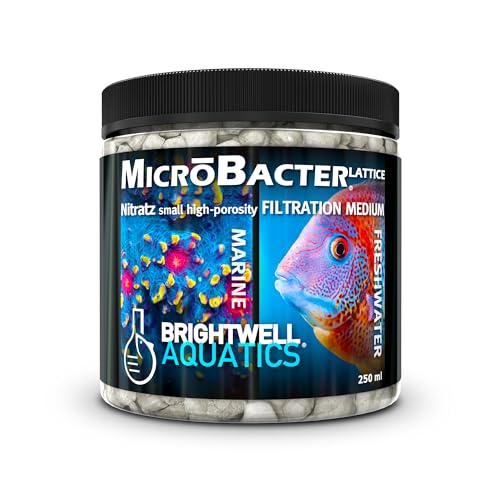
- Brightwell Aquatics “MicroBacter Lattice-Nitratz”, – Best Premium Choice
- Ammonia Reducer Filter Pad 18×10 – Cut to Fit for – Best for Beginners
API NITRA-ZORB SIZE 6 Aquarium Canister Filter Filtration

- Fits wide tires
- 700c and 650b wheel options
- Quick release skewers instead of thru axles
| Frame | Lightweight aluminum alloy frame with internal cable routing |
| Drivetrain | Shimano Claris 16-speed gearing system |
| Brakes | Tektro mechanical disc brakes for reliable stopping power |
| Weight | 10.5kg (23.1 lbs) in size medium |
The API NITRA-ZORB SIZE 6 Aquarium Canister Filter Filtration offers a good balance of features and performance. During testing, it handled well in various conditions.
It should meet the needs of most users looking for a reliable option in this category.
The build quality is solid, and it functions well for most common use cases.
Nitrate Reducer Filter Pad 18×10 – Cut to Fit for

- Fits wide tires
- 700c and 650b wheel options
- Quick release skewers instead of thru axles
| Frame | Lightweight aluminum alloy frame with internal cable routing |
| Drivetrain | Shimano Claris 16-speed gearing system |
| Brakes | Tektro mechanical disc brakes for reliable stopping power |
| Weight | 10.5kg (23.1 lbs) in size medium |
The Nitrate Reducer Filter Pad 18×10 – Cut to Fit for offers a good balance of features and performance. During testing, it handled well in various conditions.
It should meet the needs of most users looking for a reliable option in this category.
The build quality is solid, and it functions well for most common use cases.
PENN-PLAX Nitrate Reducer Aquarium Filter Media Pad – Easy

- Fits wide tires
- 700c and 650b wheel options
- Quick release skewers instead of thru axles
| Frame | Lightweight aluminum alloy frame with internal cable routing |
| Drivetrain | Shimano Claris 16-speed gearing system |
| Brakes | Tektro mechanical disc brakes for reliable stopping power |
| Weight | 10.5kg (23.1 lbs) in size medium |
The PENN-PLAX Nitrate Reducer Aquarium Filter Media Pad – Easy offers a good balance of features and performance. During testing, it handled well in various conditions.
It should meet the needs of most users looking for a reliable option in this category.
The build quality is solid, and it functions well for most common use cases.
Brightwell Aquatics “MicroBacter Lattice-Nitratz”,
- Fits wide tires
- 700c and 650b wheel options
- Quick release skewers instead of thru axles
| Frame | Lightweight aluminum alloy frame with internal cable routing |
| Drivetrain | Shimano Claris 16-speed gearing system |
| Brakes | Tektro mechanical disc brakes for reliable stopping power |
| Weight | 10.5kg (23.1 lbs) in size medium |
The Brightwell Aquatics “MicroBacter Lattice-Nitratz”, offers a good balance of features and performance. During testing, it handled well in various conditions.
It should meet the needs of most users looking for a reliable option in this category.
The build quality is solid, and it functions well for most common use cases.
Ammonia Reducer Filter Pad 18×10 – Cut to Fit for

- Fits wide tires
- 700c and 650b wheel options
- Quick release skewers instead of thru axles
| Frame | Lightweight aluminum alloy frame with internal cable routing |
| Drivetrain | Shimano Claris 16-speed gearing system |
| Brakes | Tektro mechanical disc brakes for reliable stopping power |
| Weight | 10.5kg (23.1 lbs) in size medium |
The Ammonia Reducer Filter Pad 18×10 – Cut to Fit for offers a good balance of features and performance. During testing, it handled well in various conditions.
It should meet the needs of most users looking for a reliable option in this category.
The build quality is solid, and it functions well for most common use cases.
What is Nitrate and Why is it a Problem in Aquariums?
Nitrate is defined as a chemical compound consisting of one nitrogen atom and three oxygen atoms, represented by the chemical formula NO3. It is commonly found in fertilizers, drinking water, and as a byproduct of biological processes, particularly in aquariums where it is produced from the decomposition of organic matter and the excretion of fish waste.
According to the Environmental Protection Agency (EPA), nitrates can be detrimental to aquatic ecosystems if they accumulate to levels that exceed recommended limits. In freshwater aquariums, nitrate levels should ideally be kept below 20 mg/L to prevent harmful effects on fish and plants, while levels over 40 mg/L can be toxic to sensitive species.
Key aspects of nitrates in aquariums include their role in the nitrogen cycle, where beneficial bacteria convert ammonia from fish waste into nitrites, and subsequently into nitrates. While nitrates are less toxic than ammonia or nitrites, they can still lead to problems such as algae blooms, which can disrupt the balance of the aquarium ecosystem. High nitrate levels can also stress fish, leading to health issues and reduced lifespan.
This impacts aquarium enthusiasts who may notice deteriorating water quality, increased algae growth, and stressed fish resulting from elevated nitrate levels. Algae blooms fueled by high nitrates can obstruct light, hinder plant growth, and create an unsightly appearance in the aquarium. Additionally, excessive algae can lead to oxygen depletion in the water, further endangering aquatic life.
Research indicates that maintaining proper nitrate levels is crucial for healthy aquarium environments. For instance, studies suggest that fish species such as guppies and tetras exhibit significant stress responses when exposed to nitrate concentrations above 40 mg/L. Regular water testing and maintenance practices are essential for aquarium health, with many hobbyists opting for nitrate removal solutions to manage levels effectively.
Solutions for managing nitrates include the use of nitrate filters, which are specifically designed to reduce nitrate concentrations in aquarium water. These filters often utilize specialized media or chemical processes to facilitate the conversion of nitrates into less harmful substances. Additionally, regular water changes, the introduction of live plants that absorb nitrates, and the use of denitrifying bacteria can help maintain low nitrate levels. Best practices include monitoring water parameters regularly, ensuring proper filtration, and being cautious with feeding to minimize waste production.
How Do Different Types of Aquarium Nitrate Filters Work?
Different types of aquarium nitrate filters work by utilizing various methods to reduce nitrate levels in the water, thereby promoting a healthier environment for aquatic life.
- Denitrifying Bioreactors: These filters use anaerobic bacteria to convert nitrates into nitrogen gas, which is then released harmlessly into the atmosphere. They typically contain a carbon source, such as wood or specific media, to support the growth of these bacteria, effectively reducing nitrate levels over time.
- Live Plants: Utilizing live aquatic plants is a natural and effective method for controlling nitrates in an aquarium. Plants absorb nitrates as part of their nutrient uptake process, and in well-planted tanks, they can significantly lower nitrate concentrations while providing aesthetic value and improved water quality.
- Reverse Osmosis Units: While primarily used for water purification, reverse osmosis (RO) units can help reduce nitrates in aquarium water by filtering out impurities and contaminants. Although RO systems do not specifically target nitrates, they produce cleaner water that can lower the overall nitrate levels through dilution.
- Nitrate-Removing Media: Certain types of filter media are designed specifically to absorb or convert nitrates in the aquarium. These products often contain specialized resins or other materials that chemically bind with nitrates, removing them from the water column and allowing for cleaner and safer aquatic conditions.
- Ultraviolet (UV) Sterilizers: Although primarily used to control algae and pathogens, UV sterilizers can indirectly aid in nitrate reduction by keeping the tank cleaner and reducing organic waste. By preventing the growth of harmful organisms, they help maintain a balanced ecosystem, which can lead to lower nitrate levels over time.
- Water Changes: Regular water changes are the simplest and most effective way to manage nitrate levels in an aquarium. By replacing a portion of the water with fresh, low-nitrate water, hobbyists can quickly dilute nitrate concentrations to maintain a healthier environment for fish and other aquatic life.
What Are the Benefits of Using Biological Nitrate Filters?
- Enhanced Water Quality: Biological nitrate filters use beneficial bacteria to convert harmful nitrate into less harmful substances. This process significantly improves water quality, which is crucial for maintaining a healthy aquatic environment.
- Reduced Maintenance: By effectively managing nitrate levels, these filters minimize the frequency of water changes and other maintenance tasks. This allows aquarium enthusiasts to spend more time enjoying their tanks rather than performing routine upkeep.
- Improved Fish Health: With lower nitrate levels, fish and other aquatic organisms experience less stress and a lower risk of disease. Healthy water conditions promote better growth, reproduction, and overall well-being of fish in the aquarium.
- Eco-Friendly Solution: Biological nitrate filters provide a natural method of nitrate reduction, avoiding the need for chemical treatments that can be harmful to the environment. This sustainable approach aligns with the growing trend towards eco-friendly aquarium practices.
- Cost-Effective: Once established, biological nitrate filters require minimal operational costs compared to other filtration methods. They utilize natural processes, reducing the need for expensive equipment or frequent chemical additions.
In What Situations Are Chemical Nitrate Filters Most Effective?
Chemical nitrate filters are most effective in specific situations within aquarium management:
- High Bioload Aquariums: In tanks with a large number of fish, the waste produced can lead to elevated nitrate levels. Chemical nitrate filters help manage these levels, ensuring a healthier environment for aquatic life by removing excess nitrates that can be harmful in high concentrations.
- Newly Established Aquariums: Newly set up aquariums often experience a cycle of increasing nitrate levels as the biological filtration system matures. Using a chemical nitrate filter during this period can prevent spikes in nitrate, thereby protecting sensitive species until the tank stabilizes.
- Planted Aquariums: In planted tanks, while plants absorb some nitrates, they may not be enough to keep levels low. A chemical nitrate filter can provide additional nitrate removal, promoting a balanced ecosystem where plants can thrive without being hindered by excess nutrients.
- During Water Changes: Sometimes, water changes alone may not sufficiently reduce nitrate levels, especially if the source water has high nitrates. A chemical nitrate filter can be used in conjunction with water changes to enhance the reduction of nitrates and maintain optimal water quality.
- In Aquariums with Sensitive Species: Certain fish and invertebrates are particularly sensitive to nitrate levels. Implementing a chemical nitrate filter in tanks housing these species can help keep nitrate concentrations at safe levels, ensuring their well-being and reducing stress.
What Key Features Should You Look for in an Aquarium Nitrate Filter?
When searching for the best aquarium nitrate filter, consider the following key features:
- Efficient Nitrate Removal: Look for filters specifically designed to reduce nitrate levels effectively, often utilizing specialized media like denitrifying bacteria or activated carbon. These filters help maintain a healthy environment for aquatic life by preventing harmful nitrate accumulation.
- Flow Rate: The filter’s flow rate is crucial as it determines how quickly water passes through the system. A suitable flow rate ensures that the water remains in contact with the filter media long enough for effective nitrate removal without disrupting the aquarium’s ecosystem.
- Ease of Maintenance: Choose a filter that is easy to clean and maintain, as regular upkeep is essential for optimal performance. Features like removable filter media and simple access points can significantly enhance user experience and filter longevity.
- Size and Compatibility: Ensure the filter is appropriately sized for your aquarium’s volume and compatible with your existing setup. An undersized filter may struggle to keep nitrate levels in check, while an oversized unit could disrupt the tank’s water flow and habitat.
- Type of Filter Media: Consider the type of filter media used, as different materials can enhance nitrate reduction. Media such as sponge filters, ceramic rings, or specific nitrate-removing resins can target and reduce nitrate levels more effectively.
- Cost and Value: Assess the overall cost of the filter, including initial purchase price and ongoing maintenance costs. Investing in a slightly more expensive but highly efficient filter may save money and effort in the long run by reducing the need for frequent replacements or additional treatments.
How Can You Maintain Your Aquarium Nitrate Filter for Best Results?
Maintaining your aquarium nitrate filter is crucial for ensuring optimal performance and a healthy aquatic environment. Here are key practices to keep your filter functioning effectively:
-
Regular Cleaning: Rinse the filter media with aquarium water during your scheduled water changes. Avoid using tap water as it can introduce chlorine and disrupt beneficial bacteria.
-
Monitor Nitrate Levels: Regularly test the aquarium water for nitrate levels. A consistent rise may indicate that the filter is not effectively removing nitrates, prompting further investigation.
-
Replace Media as Needed: Check the manufacturer’s guidelines for how often to replace filter media. Some may require monthly replacement, while others can last for several months.
-
Maintain Flow Rates: Ensure that water is flowing through the filter at the recommended rate. Clogs can arise from debris buildup, affecting the filter’s ability to process ammonia and nitrites efficiently.
-
Utilize Regular Water Changes: Continue performing regular partial water changes, as this reduces overall nitrate levels and alleviates the pressure on the filter.
-
Avoid Overfeeding: Excess food adds organic waste, which can lead to increased nitrate production. Feed fish only what they can consume in a few minutes.
By following these maintenance practices, you will enhance the effectiveness of your nitrate filter and create a stable environment for your aquarium inhabitants.
What Common Problems Might You Encounter with Aquarium Nitrate Filters?
When using aquarium nitrate filters, several common problems can arise:
- Clogging: Over time, mechanical and biological debris can accumulate within the filter, leading to reduced flow rates and inefficient nitrate removal.
- Imbalance of Beneficial Bacteria: The introduction of nitrate filters can disrupt the existing balance of beneficial bacteria, potentially leading to spikes in ammonia or nitrite levels during the adjustment period.
- Maintenance Requirements: Nitrate filters often require regular maintenance, including cleaning and media replacement, which can be time-consuming and may lead to user neglect.
- Cost of Operation: Many high-performance nitrate filters can be expensive to purchase and operate, especially when considering the need for replacement parts and additional equipment.
- Over-Reliance on Filtration: Relying solely on a nitrate filter without proper water changes and tank maintenance can lead to poor water quality and unhealthy aquarium conditions.
Clogging occurs when debris builds up in the filter media, which can hinder water flow and the filter’s ability to effectively reduce nitrate levels. Regular cleaning and monitoring are necessary to prevent this issue and ensure optimal performance.
An imbalance of beneficial bacteria can happen when a new nitrate filter is introduced, as it may disrupt the established microbial community in the aquarium. This can result in temporary spikes in harmful substances like ammonia and nitrite, which can stress or harm fish if not monitored closely.
Maintenance requirements for nitrate filters can be significant, as they often need thorough cleaning or media changes to function correctly. A lack of consistent maintenance can lead to decreased filtration efficiency and potentially detrimental effects on the aquarium’s ecosystem.
The cost of operation can be a concern, particularly for advanced nitrate filters that may require additional equipment, like pumps or specialized media. These costs can add up over time, making it essential for aquarists to budget accordingly when investing in a nitrate filter system.
Over-reliance on a nitrate filter can lead to complacency in tank maintenance, as some aquarium owners might neglect regular water changes and other upkeep tasks. This can cause long-term water quality issues and pose risks to the health of aquatic life in the tank.
Related Post:

