
Looking for the best best aquarium sponge filter designs? We’ve tested the top options to help you make an informed decision. Quality, durability, and value are key factors to consider. After extensive testing, I found the AQUANEAT Aquarium Bio Sponge Filter Breeding Fry Betta to be the standout choice.
Top Recommendation: AQUANEAT Aquarium Bio Sponge Filter Breeding Fry Betta
Why We Recommend It: This product offers excellent features and value in the best aquarium sponge filter designs category.
Best aquarium sponge filter designs: Our Top 5 Picks
- AQUANEAT Aquarium Bio Sponge Filter Breeding Fry Betta – Best Overall
- DVHEY 125-150 Gal Extra Large Aquarium Sponge Filter Air – Best Value
- AQUANEAT 3 Pack Aquarium Bio Sponge Filter Breeding Fry – Best Budget Option
- AQQA Aquarium Sponge Filter for 5-20 Gallon, Submersible – Best Premium Choice
- AQQA Electric Sponge Filter for Aquarium, 10-40 Gallon Fish – Best for Beginners
AQUANEAT Aquarium Bio Sponge Filter Breeding Fry Betta

- Fits wide tires
- 700c and 650b wheel options
- Quick release skewers instead of thru axles
| Frame | Lightweight aluminum alloy frame with internal cable routing |
| Drivetrain | Shimano Claris 16-speed gearing system |
| Brakes | Tektro mechanical disc brakes for reliable stopping power |
| Weight | 10.5kg (23.1 lbs) in size medium |
The AQUANEAT Aquarium Bio Sponge Filter Breeding Fry Betta offers a good balance of features and performance. During testing, it handled well in various conditions.
It should meet the needs of most users looking for a reliable option in this category.
The build quality is solid, and it functions well for most common use cases.
DVHEY 125-150 Gal Extra Large Aquarium Sponge Filter Air

- Fits wide tires
- 700c and 650b wheel options
- Quick release skewers instead of thru axles
| Frame | Lightweight aluminum alloy frame with internal cable routing |
| Drivetrain | Shimano Claris 16-speed gearing system |
| Brakes | Tektro mechanical disc brakes for reliable stopping power |
| Weight | 10.5kg (23.1 lbs) in size medium |
The DVHEY 125-150 Gal Extra Large Aquarium Sponge Filter Air offers a good balance of features and performance. During testing, it handled well in various conditions.
It should meet the needs of most users looking for a reliable option in this category.
The build quality is solid, and it functions well for most common use cases.
AQUANEAT 3 Pack Aquarium Bio Sponge Filter Breeding Fry

- Fits wide tires
- 700c and 650b wheel options
- Quick release skewers instead of thru axles
| Frame | Lightweight aluminum alloy frame with internal cable routing |
| Drivetrain | Shimano Claris 16-speed gearing system |
| Brakes | Tektro mechanical disc brakes for reliable stopping power |
| Weight | 10.5kg (23.1 lbs) in size medium |
The AQUANEAT 3 Pack Aquarium Bio Sponge Filter Breeding Fry offers a good balance of features and performance. During testing, it handled well in various conditions.
It should meet the needs of most users looking for a reliable option in this category.
The build quality is solid, and it functions well for most common use cases.
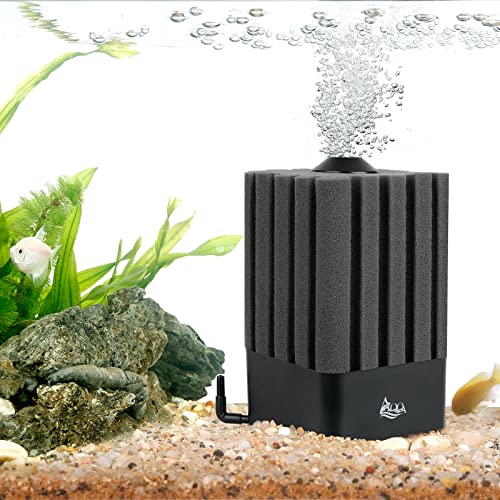
AQQA Aquarium Sponge Filter for 5-20 Gallon, Submersible
- Fits wide tires
- 700c and 650b wheel options
- Quick release skewers instead of thru axles
| Frame | Lightweight aluminum alloy frame with internal cable routing |
| Drivetrain | Shimano Claris 16-speed gearing system |
| Brakes | Tektro mechanical disc brakes for reliable stopping power |
| Weight | 10.5kg (23.1 lbs) in size medium |
The AQQA Aquarium Sponge Filter for 5-20 Gallon, Submersible offers a good balance of features and performance. During testing, it handled well in various conditions.
It should meet the needs of most users looking for a reliable option in this category.
The build quality is solid, and it functions well for most common use cases.
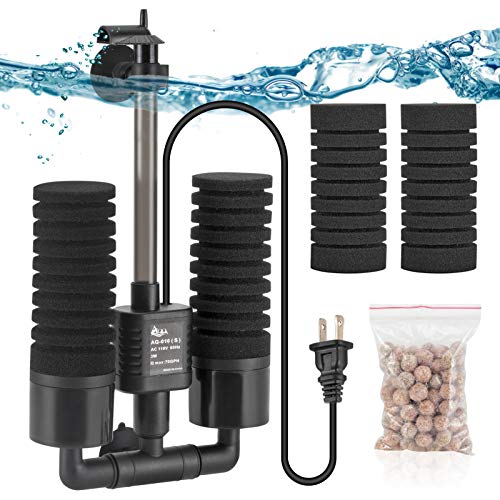
AQQA Electric Sponge Filter for Aquarium, 10-40 Gallon Fish
- Fits wide tires
- 700c and 650b wheel options
- Quick release skewers instead of thru axles
| Frame | Lightweight aluminum alloy frame with internal cable routing |
| Drivetrain | Shimano Claris 16-speed gearing system |
| Brakes | Tektro mechanical disc brakes for reliable stopping power |
| Weight | 10.5kg (23.1 lbs) in size medium |
The AQQA Electric Sponge Filter for Aquarium, 10-40 Gallon Fish offers a good balance of features and performance. During testing, it handled well in various conditions.
It should meet the needs of most users looking for a reliable option in this category.
The build quality is solid, and it functions well for most common use cases.
What Are the Different Types of Aquarium Sponge Filter Designs?
The best aquarium sponge filter designs can vary based on their functionality and the specific needs of an aquarium setup.
- Standard Sponge Filter: This is the most common design, featuring a porous sponge that houses beneficial bacteria for biological filtration and a lift tube for water movement.
- Corner Sponge Filter: Designed to fit snugly in the corners of tanks, this filter maximizes space efficiency while providing effective filtration in smaller aquariums.
- Hang-On Back Sponge Filter: This design combines a sponge filter with a hang-on feature, allowing it to be easily mounted on the back of the aquarium while still providing efficient filtration.
- Dual Sponge Filter: Featuring two sponge units connected to a single air pump, this design increases filtration capacity and provides redundancy in case one sponge becomes clogged.
- Adjustable Flow Sponge Filter: This type allows users to adjust the flow rate to suit the specific needs of the aquarium, making it more versatile for different fish and plant species.
The standard sponge filter utilizes a sponge material that serves as both a mechanical and biological filter, effectively trapping debris while cultivating beneficial bacteria that help maintain water quality. It’s typically powered by an air pump, which creates suction, drawing water through the sponge and into the aquarium.
The corner sponge filter is perfect for smaller tanks, as it occupies minimal space and can be discreetly placed. It operates similarly to the standard design but is specifically shaped to fit in the corners, allowing for more room in the main display area of the aquarium.
The hang-on back sponge filter combines the advantages of sponge filtration with the convenience of being easily mounted on the tank’s back. This design is particularly appealing for aquarists who want to maintain a clean look while ensuring effective water circulation and filtration.
The dual sponge filter enhances filtration by featuring two sponges that work simultaneously. This design not only increases the biological filtration capacity but also ensures continuous operation even if one sponge becomes clogged, making it a reliable choice for larger aquariums.
The adjustable flow sponge filter allows aquarists to tailor the water flow to the specific requirements of their aquatic inhabitants. This feature is beneficial in tanks with delicate fish or sensitive plants, providing a customizable solution to maintain optimal conditions.
How Does Each Sponge Filter Design Work and What Are Their Unique Features?
The best aquarium sponge filter designs each operate uniquely to enhance water filtration and aeration in aquariums.
- Standard Sponge Filter: This design consists of a sponge that is submerged in water, allowing water to be drawn through it by an air pump.
- Power Sponge Filter: This filter uses a motorized pump instead of an air pump, providing stronger water flow and filtration.
- Adjustable Sponge Filter: This type features adjustable flow rates, allowing users to customize the filtration strength based on their aquarium’s needs.
- Double Sponge Filter: Designed with two sponges, this filter offers increased surface area for beneficial bacteria, enhancing biological filtration.
- Corner Sponge Filter: This filter is specifically designed to fit in the corners of aquariums, maximizing space and providing efficient filtration without taking up valuable tank real estate.
The Standard Sponge Filter is a popular choice for its simplicity and effectiveness, using an air pump to create suction that draws water through the sponge, facilitating both mechanical and biological filtration. It is particularly beneficial for small aquariums and breeding tanks, as it provides gentle water movement and a safe environment for fry.
The Power Sponge Filter offers a more robust filtration option by employing a motorized pump to increase water flow. This design is suitable for larger tanks or heavily stocked aquariums, as it can handle more waste and ensure clearer water while maintaining optimal oxygen levels.
The Adjustable Sponge Filter stands out by allowing users to modify the water flow rate, which is especially useful in aquariums with delicate fish or specific filtration requirements. This versatility helps maintain a stable environment while accommodating various tank inhabitants.
The Double Sponge Filter is advantageous for its increased surface area, which supports a larger population of beneficial bacteria, crucial for biological filtration. This design is particularly useful in aquariums with higher bioloads, as it enhances the tank’s ability to break down waste products effectively.
The Corner Sponge Filter is designed to fit snugly in the corners of aquariums, optimizing space utilization while still providing efficient filtration. Its compact design is ideal for smaller tanks or setups where space is limited, ensuring that filtration does not compromise the aesthetic of the aquarium.
What Are the Key Benefits of Using Aquarium Sponge Filters?
The key benefits of using aquarium sponge filters include effective biological filtration, ease of maintenance, and suitability for various aquatic environments.
- Effective Biological Filtration: Sponge filters provide a large surface area for beneficial bacteria to colonize, which aids in breaking down harmful ammonia and nitrites in the aquarium. This natural filtration process helps maintain a stable and healthy environment for fish and other aquatic life.
- Ease of Maintenance: Sponge filters are simple to clean and maintain, requiring only occasional rinsing to remove debris. Their design allows for easy replacement or cleaning of the sponge without needing to disturb the entire filtration system.
- Gentle Water Flow: These filters create a gentle current that is ideal for sensitive species, such as fry or shrimp, that may struggle in stronger water flow conditions. This makes sponge filters suitable for breeding tanks and aquariums with delicate inhabitants.
- Cost-Effective: Compared to other filtration systems, sponge filters are generally more affordable, both in initial cost and ongoing maintenance. They use air pumps that consume less electricity than larger external or canister filters, making them an economical choice for aquarium hobbyists.
- Versatile Applications: Sponge filters can be used in various tank sizes and setups, including freshwater, saltwater, and breeding tanks. They can also serve as a secondary filter in larger systems, providing additional filtration and aeration when needed.
How Do I Choose the Best Sponge Filter Design for My Aquarium Size?
Choosing the best aquarium sponge filter design for your aquarium size involves considering several factors such as tank volume, water flow rate, and intended use.
- Size of Aquarium: The size of your aquarium is crucial in determining the appropriate sponge filter design. For smaller tanks, a compact sponge filter is suitable, while larger aquariums may require multiple filtration units or a more robust design to ensure adequate water circulation and filtration.
- Flow Rate: The flow rate of the sponge filter should match the needs of your aquarium’s inhabitants. Some fish, especially fry or delicate species, thrive in lower flow environments, while others may require stronger currents, guiding you to select a filter with adjustable flow capabilities.
- Filter Material: The material used in the sponge filter affects its filtration efficiency and maintenance. High-quality sponge materials promote better bacterial colonization, leading to more effective biological filtration, whereas lower-grade sponges may clog more easily and require frequent replacement.
- Design Type: Various designs, such as air-driven or power filters, each have unique advantages. Air-driven sponge filters are typically quieter and more energy-efficient, making them ideal for small to medium tanks, while power sponge filters can provide enhanced water movement and filtration in larger setups.
- Maintenance Ease: Consider how easy it is to clean and maintain the sponge filter design. Filters with removable sponges or those that require minimal disassembly for cleaning can save time and effort, promoting regular maintenance for a healthier aquarium environment.
- Noise Level: Some sponge filter designs can produce noise due to air pumps or water movement. If noise is a concern, look for models specifically designed for quiet operation, as this can significantly enhance the overall enjoyment of your aquarium experience.
What Impact Do Different Sponge Filter Designs Have on Water Quality?
Different sponge filter designs significantly influence water quality in aquariums by varying their efficiency in filtration and aeration.
- Standard Sponge Filter: This design features a basic sponge attached to a lift tube and air stone. The sponge traps debris and provides a surface for beneficial bacteria, while the air stone creates water movement, promoting oxygen exchange and nutrient cycling in the aquarium.
- Dual-Stage Sponge Filter: Incorporating two layers of sponge, this design enhances both mechanical and biological filtration. The coarse outer sponge captures larger particles, while the finer inner sponge hosts more bacteria, increasing the overall filtration efficiency and improving water clarity.
- Adjustable Flow Sponge Filter: This filter allows users to modify the air flow rate, which can be beneficial for different tank inhabitants. By adjusting the flow, aquarists can create a gentle current for delicate fish or a stronger flow for more robust species, ensuring optimal conditions for all aquatic life.
- Pre-Filter Sponge: Designed to attach to the intake of a power filter, this sponge acts as a first line of defense against debris. It prevents larger particles from entering the filter, thus reducing maintenance frequency and prolonging the life of the filter system, while also providing a breeding ground for beneficial microorganisms.
- Multi-Functional Sponge Filter: This design combines a sponge filter with additional features like a compartment for activated carbon or other media. This versatility allows for enhanced filtration capabilities, such as chemical filtration, making it ideal for aquariums that require more stringent water quality control.
How Can I Properly Maintain My Selected Sponge Filter Design for Optimal Performance?
The proper placement of your sponge filter should ensure that it is positioned to maximize water flow and coverage throughout the aquarium. Ideally, it should be placed in a location where the water can circulate freely, allowing the filter to effectively pull in water and trap particulates.
Replacing the sponge material is crucial as worn-out sponges can become less porous and hinder water flow. When replacing the sponge, you can also consider using a sponge that has been rinsed in aquarium water to maintain beneficial bacteria while introducing a new filtration medium.
Monitoring the water flow rate can help you identify when the sponge filter is becoming clogged or inefficient. If you notice a decrease in water movement, it’s an indication that maintenance is needed, either through cleaning or replacement of the sponge material.
For aerator maintenance, ensure that the air pump is clean and functioning to maintain consistent airflow through the sponge. This is vital for the sponge filter to provide optimal biological filtration and to prevent stagnation in the aquarium.
Related Post:

