
Looking for the best best cheap external aquarium filter? We’ve tested the top options to help you make an informed decision. Quality, durability, and value are key factors to consider. After extensive testing, I found the PONDFORSE Canister Filter, External Aquarium Filter to be the standout choice.
Top Recommendation: PONDFORSE Canister Filter, External Aquarium Filter
Why We Recommend It: This product offers excellent features and value in the best cheap external aquarium filter category.
Best cheap external aquarium filter: Our Top 4 Picks
- PONDFORSE Canister Filter, External Aquarium Filter – Best Overall
- VEVOR 224.5GPH Canister Filter, 3-Stage External Aquarium – Best Value
- AMOSIJOY Ultra-Quiet Canister Filter for Large Fish Tanks – Best Budget Option
- Veehoo Canister Filters for Aquarium Easy Bottom Drain up – Best Premium Choice
PONDFORSE Canister Filter, External Aquarium Filter

- Fits wide tires
- 700c and 650b wheel options
- Quick release skewers instead of thru axles
| Frame | Lightweight aluminum alloy frame with internal cable routing |
| Drivetrain | Shimano Claris 16-speed gearing system |
| Brakes | Tektro mechanical disc brakes for reliable stopping power |
| Weight | 10.5kg (23.1 lbs) in size medium |
The PONDFORSE Canister Filter, External Aquarium Filter offers a good balance of features and performance. During testing, it handled well in various conditions.
It should meet the needs of most users looking for a reliable option in this category.
The build quality is solid, and it functions well for most common use cases.
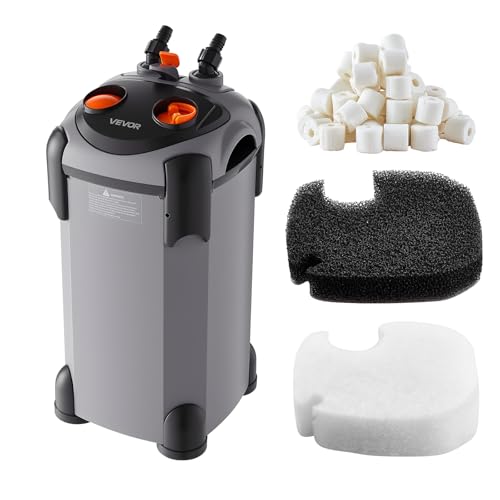
VEVOR 224.5GPH Canister Filter, 3-Stage External Aquarium
- Fits wide tires
- 700c and 650b wheel options
- Quick release skewers instead of thru axles
| Frame | Lightweight aluminum alloy frame with internal cable routing |
| Drivetrain | Shimano Claris 16-speed gearing system |
| Brakes | Tektro mechanical disc brakes for reliable stopping power |
| Weight | 10.5kg (23.1 lbs) in size medium |
The VEVOR 224.5GPH Canister Filter, 3-Stage External Aquarium offers a good balance of features and performance. During testing, it handled well in various conditions.
It should meet the needs of most users looking for a reliable option in this category.
The build quality is solid, and it functions well for most common use cases.
AMOSIJOY Ultra-Quiet Canister Filter for Large Fish Tanks

- Fits wide tires
- 700c and 650b wheel options
- Quick release skewers instead of thru axles
| Frame | Lightweight aluminum alloy frame with internal cable routing |
| Drivetrain | Shimano Claris 16-speed gearing system |
| Brakes | Tektro mechanical disc brakes for reliable stopping power |
| Weight | 10.5kg (23.1 lbs) in size medium |
The AMOSIJOY Ultra-Quiet Canister Filter for Large Fish Tanks offers a good balance of features and performance. During testing, it handled well in various conditions.
It should meet the needs of most users looking for a reliable option in this category.
The build quality is solid, and it functions well for most common use cases.
Veehoo Canister Filters for Aquarium Easy Bottom Drain up

- Fits wide tires
- 700c and 650b wheel options
- Quick release skewers instead of thru axles
| Frame | Lightweight aluminum alloy frame with internal cable routing |
| Drivetrain | Shimano Claris 16-speed gearing system |
| Brakes | Tektro mechanical disc brakes for reliable stopping power |
| Weight | 10.5kg (23.1 lbs) in size medium |
The Veehoo Canister Filters for Aquarium Easy Bottom Drain up offers a good balance of features and performance. During testing, it handled well in various conditions.
It should meet the needs of most users looking for a reliable option in this category.
The build quality is solid, and it functions well for most common use cases.
What Should You Consider When Choosing the Best Cheap External Aquarium Filter?
When choosing the best cheap external aquarium filter, there are several key factors to consider to ensure it meets your aquarium’s needs effectively.
- Filtration Type: It’s essential to understand the different types of filtration, such as mechanical, chemical, and biological. Mechanical filtration removes debris, chemical filtration eliminates toxins, and biological filtration supports beneficial bacteria that break down waste, providing a balanced environment for your fish.
- Flow Rate: The flow rate of a filter indicates how much water can be processed in an hour. A filter that circulates the entire volume of your aquarium at least 3-5 times per hour is ideal for maintaining water quality, so ensure to match the flow rate with the size of your tank.
- Size and Compatibility: The physical size of the filter should be compatible with your aquarium setup. Consider the dimensions of the filter and where it will be placed, ensuring it doesn’t take up too much space or disrupt the aesthetics of the aquarium.
- Media Options: Look for a filter that offers easy access to replace or clean filter media. The best cheap external aquarium filters will often provide multiple media options, allowing you to customize the filtration process according to your aquarium’s specific needs.
- Noise Level: Some filters can be quite noisy, which may disrupt the tranquility of your home environment. Read reviews or specifications to find a filter that operates quietly, especially if your aquarium is located in a living area.
- Ease of Maintenance: Consider how easy it is to maintain the filter. Filters that are simple to disassemble and clean will save you time and effort in the long run, ensuring that your aquarium remains healthy and well-maintained.
- Price and Warranty: While looking for cheap options, ensure you balance cost with quality. A good warranty can provide peace of mind, indicating that the manufacturer stands behind their product while allowing you to return or exchange if issues arise.
How Do You Determine the Right Size for Your Aquarium Filter?
Determining the right size for your aquarium filter involves considering several key factors that influence its effectiveness and compatibility with your aquarium setup.
- Aquarium Size: The size of your aquarium is crucial in selecting a filter that can adequately maintain water quality.
- Filter Flow Rate: The flow rate of the filter, measured in gallons per hour (GPH), should be appropriate for the volume of your aquarium.
- Tank Stocking Levels: The number and type of fish you keep will impact the filtration needs of your aquarium.
- Type of Filtration: Different filters provide varying types of filtration, including mechanical, chemical, and biological, and understanding these can help determine the right filter size.
- Maintenance and Accessibility: Consideration of how easy it is to maintain the filter can influence the choice of size and type.
Aquarium size is crucial because a filter must be able to handle the volume of water effectively. For example, a filter that is too small for a large tank will struggle to keep the water clean and clear, leading to poor water quality and fish health issues.
The flow rate of the filter is another essential factor; a good rule of thumb is to select a filter with a flow rate that can turn over the tank’s water volume at least 4 to 5 times per hour. This ensures efficient filtration and circulation, which is vital for maintaining a healthy aquatic environment.
Tank stocking levels refer to the number of fish and other inhabitants in your aquarium. Heavily stocked tanks produce more waste and require a more powerful filter to manage the increased biological load and maintain water clarity.
Different types of filtration systems serve various purposes: mechanical filtration removes debris, chemical filtration eliminates toxins, and biological filtration supports beneficial bacteria. A filter that provides a combination of these will typically need to be sized according to the specific needs of your aquarium.
Finally, consider maintenance and accessibility; a larger filter may require more space and effort to maintain, so ensure that you select a filter that fits your routine and available space. A filter that is easy to access and clean will encourage regular maintenance, which is key to the health of your aquarium.
What Types of Filtration Are Most Effective for Your Needs?
The best cheap external aquarium filters come in various types, catering to different filtration needs and aquarium sizes.
- Canister Filters: These filters provide excellent mechanical, chemical, and biological filtration, making them suitable for larger aquariums. They are versatile, allowing for the use of different filter media, and can handle high flow rates, ensuring clean water circulation across the tank.
- Hang-on-Back (HOB) Filters: HOB filters are easy to install and maintain, making them a popular choice for beginners. They hang on the back of the aquarium, utilizing gravity to draw water through the filter media, providing efficient mechanical and biological filtration without taking up valuable space inside the tank.
- Power Filters: These filters are similar to HOB filters but often come with added features such as multiple stages of filtration or adjustable flow rates. They are known for their reliability and effectiveness in keeping the water clear while being budget-friendly, making them a great option for hobbyists.
- Submersible Filters: Ideal for smaller tanks or setups requiring minimal space, submersible filters are placed entirely underwater. They provide good mechanical and biological filtration, are usually quiet, and are often less expensive, but may not be suitable for larger aquariums due to lower flow capacities.
- UV Sterilizers: Although not a traditional filter, UV sterilizers can be used in conjunction with other filters to enhance water quality. They work by using ultraviolet light to kill bacteria and algae, helping to prevent outbreaks and keep the aquarium water crystal clear, making them a valuable addition to any filtration system.
How Can You Assess the Maintenance Requirements of Different Filters?
Assessing the maintenance requirements of different filters involves considering various factors that affect their operation and upkeep.
- Type of Filter Media: Different filters use various types of filter media, such as sponge, ceramic, or activated carbon. Each type has different maintenance needs; for example, sponge filters require regular rinsing, while ceramic media may last longer before needing replacement, which impacts overall maintenance frequency.
- Flow Rate: The flow rate of a filter can influence how often it needs maintenance. Filters with higher flow rates may require more frequent cleaning to prevent clogging, while those with lower rates could run longer between maintenance sessions, affecting your overall upkeep schedule.
- Size and Design: The size and design of the filter also play a crucial role in maintenance. Larger filters typically have more capacity for debris and may not need cleaning as often, whereas compact designs might fill up quickly, necessitating more regular maintenance to ensure efficient operation.
- Ease of Access: Filters that are easier to access for cleaning and maintenance will generally require less time and effort to maintain. Some designs allow for quick media changes or easy disassembly, which can significantly reduce the hassle associated with regular upkeep.
- Manufacturer Recommendations: Always consider the manufacturer’s guidelines regarding maintenance frequency and procedures. These recommendations are typically based on the filter’s design and intended use, providing valuable insights into how often you should perform maintenance tasks for optimal performance.
- Community Feedback: Researching reviews and feedback from other aquarium enthusiasts can give insights into the real-world maintenance experiences of various filters. This information can highlight potential issues or advantages that may not be apparent from the product specifications alone, helping you make a more informed decision.
What Are the Key Benefits of Using the Best Cheap External Aquarium Filter?
Using the best cheap external aquarium filter offers several noteworthy benefits that enhance both the health of aquatic life and the overall maintenance of your tank. These filters are designed to provide effective filtration without overwhelming your budget. Here are some key advantages:
-
Efficient Filtration: External filters often offer better mechanical, biological, and chemical filtration compared to internal options. This ensures that your tank remains clean and the water quality stays high.
-
Increased Water Capacity: Since an external filter is located outside the tank, it allows for a larger filtration volume. This is particularly beneficial for larger aquariums, where more water needs to be processed.
-
Easy Maintenance: Many external filters are easier to maintain than their internal counterparts. Cleaning and replacing filter media can be done outside the aquarium, reducing stress on fish and other inhabitants during maintenance.
-
Customization: Many best cheap external filters come with customizable media options. This allows hobbyists to adapt filtration methods based on the specific needs of their aquariums.
-
Enhanced Oxygenation: External filters often improve water movement, promoting better oxygenation in the tank, which is crucial for fish and beneficial bacteria.
Choosing a cost-effective external filter can create a healthier environment for aquatic life while ensuring convenience and efficiency in tank upkeep.
How Does an External Filter Enhance Water Quality in Your Aquarium?
Chemical filtration plays a vital role in removing harmful substances like chlorine, chloramines, and heavy metals from tap water or waste products. Activated carbon is commonly used for this purpose, as it effectively adsorbs these toxins, making the water safer for fish.
Biological filtration is crucial for the nitrogen cycle in the aquarium. Beneficial bacteria colonize the filter media and convert toxic ammonia from fish waste into less harmful nitrates, a process that is essential for the long-term health of the aquarium ecosystem.
Water circulation is enhanced by the powerful pumps in external filters, which pull water from the aquarium, filter it, and return it, promoting oxygen exchange and preventing stagnation. This movement is vital for the well-being of fish and plants, as it ensures that all areas of the tank receive adequate oxygen and nutrients.
Customization options in external filters allow aquarium owners to select different types of filter media according to their specific setup. This flexibility means that hobbyists can address unique challenges, such as high waste production or specific water quality issues, making external filters suitable for a wide range of aquatic environments.
What Cost Savings Can You Expect from Using External Filters?
Bulk Purchase Savings: When you opt for an external filter, you often have the option to buy replacement filter media in larger quantities. Purchasing in bulk typically comes with discounts, meaning you can save money on ongoing filter maintenance while ensuring your aquarium remains clean and healthy.
What Are the Best Cheap External Aquarium Filters Available on the Market?
The best cheap external aquarium filters combine affordability with effective filtration for maintaining a healthy aquatic environment.
- Marineland Penguin 200: This filter offers a powerful yet budget-friendly option for aquarists, featuring a multi-stage filtration system that includes a biological, mechanical, and chemical filter.
- Aqueon QuietFlow 55/75: Known for its silent operation and user-friendly design, this filter provides efficient water flow and is equipped with a built-in LED indicator for filter maintenance.
- Fluval 107 Performance Filter: This compact filter is designed for aquariums up to 30 gallons and boasts a three-stage filtration process, making it both effective and economical.
- SunSun HW-302: A popular choice for budget-conscious fish keepers, this filter features a reliable four-stage filtration system and comes with a UV sterilizer option to help keep the water clear.
- IceCap 1.5 External Filter: This filter is designed for smaller aquariums, offering an efficient filtration system with easy maintenance and an affordable price point, making it ideal for those new to aquarium keeping.
The Marineland Penguin 200 is particularly favored for its ease of setup and comprehensive filtration capabilities, ensuring optimal water quality for fish and plants alike. Its adjustable flow rate allows users to customize the water flow to suit different aquarium setups.
The Aqueon QuietFlow 55/75 stands out for its whisper-quiet performance, making it an ideal choice for home environments where noise is a concern. The built-in LED indicator is a handy feature that alerts users when it’s time to replace the filter cartridge, simplifying maintenance.
Fluval 107 Performance Filter is designed for smaller setups, providing reliable filtration in a compact design. Its three-stage filtration effectively removes debris and toxins, promoting a healthy ecosystem for aquatic life.
SunSun HW-302 is praised for its versatility and effectiveness, featuring a four-stage filtration system that ensures thorough cleaning. The added UV sterilizer option helps control algae and harmful microorganisms, making it a great value for the price.
IceCap 1.5 External Filter is perfect for those just starting their aquarium journey, offering a budget-friendly solution without compromising on essential filtration features. Its compact size and straightforward installation process make it accessible for beginners while still delivering solid performance.
What Standout Features Should You Look for in These Filters?
When searching for the best cheap external aquarium filter, there are several standout features to consider:
- Filtration Efficiency: Look for filters that offer multi-stage filtration, which typically includes mechanical, biological, and chemical processes. This ensures that the water remains clean and clear by effectively removing debris, toxins, and harmful substances.
- Flow Rate: The flow rate indicates how much water the filter can process in an hour, which is crucial for maintaining proper water circulation in the aquarium. A higher flow rate is generally better for larger tanks, but it’s important to ensure that it suits the needs of your specific fish and aquatic plants.
- Noise Level: A quiet filter is essential for maintaining a peaceful aquarium environment. Filters with noise-reducing features or those designed for silent operation can significantly enhance the overall experience of having an aquarium.
- Size and Design: The size and design of the filter should be appropriate for your aquarium setup. Compact designs can save space, while larger models may offer more filtration capacity; however, ensure they fit well in your chosen location.
- Ease of Maintenance: A filter that is easy to clean and maintain will save you time and effort. Look for models with accessible filter media and simple disassembly features to make routine maintenance hassle-free.
- Durability and Build Quality: The construction materials of the filter should be sturdy and resistant to wear and tear. A durable filter will last longer, providing reliable performance without frequent replacements.
- Price and Warranty: While looking for cheap options, consider the price-to-value ratio and check if the manufacturer offers a warranty. A good warranty can provide peace of mind, ensuring that you’re covered in case of any defects or issues.
How Can You Effectively Set Up and Maintain Your Cheap External Aquarium Filter?
To effectively set up and maintain your cheap external aquarium filter, consider the following key steps:
- Choosing the Right Location: Select a stable, level surface for the filter that is close to the aquarium but allows for easy access for maintenance.
- Connecting the Hoses: Properly attach the inlet and outlet hoses to the filter, ensuring they are secure to prevent leaks.
- Priming the Filter: Fill the filter with water before starting it to prevent damage to the pump and ensure proper operation.
- Regular Maintenance Schedule: Establish a routine for cleaning and replacing filter media to ensure optimal performance.
- Monitoring Water Quality: Regularly test the water parameters to ensure the filter is functioning effectively and maintaining a healthy environment.
Choosing the Right Location: The placement of your external aquarium filter is crucial for efficient operation. It should be positioned on a stable surface that can support its weight, and be close enough to the aquarium for easy connection of hoses. Additionally, consider accessibility for maintenance tasks.
Connecting the Hoses: Proper hose connection is essential for effective filtration. Ensure that the inlet hose draws water from the tank and the outlet hose returns clean water back to the aquarium. Check that all connections are tight to avoid any leaks that could cause water damage or reduce filtration efficiency.
Priming the Filter: Before starting the filter, it’s important to prime it to avoid damaging the pump. This can usually be done by filling the filter with water to eliminate air pockets. Proper priming helps ensure that water flows smoothly through the system from the outset.
Regular Maintenance Schedule: Creating a regular maintenance schedule is key to keeping your filter running efficiently. This includes routine cleaning of filter media, replacing it when necessary, and checking for any clogs or blockages. A well-maintained filter will significantly improve the water quality in your aquarium.
Monitoring Water Quality: Regular testing of water parameters such as ammonia, nitrite, nitrate, and pH levels will help you assess the effectiveness of your filtration system. If the water quality begins to decline, it may indicate that the filter requires immediate attention or that the filter media needs to be replaced. Consistent monitoring is vital for maintaining a healthy aquarium environment.
What Are the Essential Steps for Setting Up Your New Filter?
Setting up your new external aquarium filter involves several essential steps to ensure optimal performance and water quality.
- Choose the Right Location: Select a stable and level surface near the aquarium for the filter. It should be easily accessible for maintenance while keeping it out of direct sunlight to prevent overheating.
- Assemble the Filter: Follow the manufacturer’s instructions to assemble the filter components, including the pump, filter media, and hoses. Make sure all fittings are secure to prevent leaks during operation.
- Install the Filter Media: Place the appropriate filter media in the designated compartments, starting with coarse media at the bottom and finer media on top. This arrangement ensures efficient mechanical, biological, and chemical filtration.
- Connect the Hoses: Attach the inlet and outlet hoses to the filter, ensuring they are tightly connected to prevent any water flow issues. Position the inlet hose inside the aquarium and the outlet hose directed towards the water surface for optimal circulation.
- Fill the Filter with Water: Before starting the filter, fill it with water to prevent the pump from running dry. This ensures that the filter operates correctly from the first moment you turn it on.
- Prime the Filter: If your filter requires priming, follow the specific instructions to remove air from the system. This step is crucial for ensuring that water flows properly through the filter once it is turned on.
- Turn on the Filter: Switch on the filter and check for any leaks around the connections. Allow the filter to run for a few minutes to ensure that it is functioning properly and that water is circulating through the aquarium.
- Monitor the Water Quality: After setup, regularly test the water parameters such as ammonia, nitrite, and nitrate levels. This will help you ensure that the filter is effectively maintaining the aquarium’s water quality.
How Frequently Should You Clean and Maintain Your Filter for Optimal Performance?
Cleaning and maintaining your external aquarium filter is crucial for the health of your aquatic environment. Regular upkeep ensures effective filtration, promotes water clarity, and prevents the growth of harmful bacteria. Here’s a guideline for frequency:
-
Weekly Maintenance: Inspect the filter for any visible blockages or debris. Rinse the intake sponge or filter pad in aquarium water to remove buildup without harming beneficial bacteria.
-
Monthly Maintenance: Replace filter media, such as cartridges or sponges, as directed by the manufacturer. This helps maintain optimal filtration and water quality.
-
Quarterly Maintenance: Clean the entire filter unit. Disassemble it, soak components in clean water, and scrub away any algae or residue. Check for wear on seals and gaskets, replacing them if necessary.
-
Seasonal Checks: During changes in temperature or bioload (like adding or removing fish), monitor the filter’s performance more closely. Consider cleaning the filter more frequently if you notice a decline in water quality.
Adhering to this schedule will enhance the reliability of your aquarium filter, ensuring a thriving aquatic ecosystem.
What Common Challenges Do Users Face with Cheap External Aquarium Filters?
Users often encounter several common challenges when using cheap external aquarium filters.
- Poor Filtration Performance: Cheap external filters may not provide adequate mechanical, biological, or chemical filtration, which can lead to poor water quality and unhealthy aquarium conditions.
- Noisy Operation: Many budget-friendly external filters tend to be noisier than their more expensive counterparts, which can be disruptive, especially in quiet environments.
- Durability Issues: Users frequently report that low-cost filters are made from lower-quality materials, leading to a higher likelihood of breakdowns and leaks over time.
- Limited Flow Rate Control: Some inexpensive models do not offer adjustable flow rates, making it difficult to tailor the water movement to the specific needs of the aquarium inhabitants.
- Complicated Maintenance: Cheap filters often have less user-friendly designs that complicate maintenance tasks, such as cleaning and replacing filter media.
- Inadequate Customer Support: Customers may find that manufacturers of cheaper filters provide minimal support or guidance, making troubleshooting and repairs more challenging.
Poor filtration performance can significantly affect the health of the aquarium ecosystem, as insufficient filtration can lead to the buildup of waste and harmful substances. Users may find themselves needing to perform more frequent water changes to maintain acceptable water quality.
Noisy operation is another frequent complaint, as the sound of the filter can become a nuisance, especially in living spaces where silence is preferred. This can deter users from keeping the filter running continuously, which is essential for maintaining water quality.
Durability issues are often a concern, as cheaper filters may use plastics that aren’t designed to withstand prolonged exposure to water and chemicals. This can result in leaks or failures that require replacement sooner than expected.
Limited flow rate control can be problematic, particularly for sensitive species that prefer slower water movement. If a filter cannot be adjusted, users may have to find a workaround to ensure their fish are comfortable.
Complicated maintenance routines can lead to user frustration, as filters that are hard to disassemble or clean may result in a buildup of debris, further exacerbating water quality issues. Simple and intuitive maintenance is key for ensuring that filters are properly maintained.
Finally, inadequate customer support can leave users feeling abandoned, especially when they encounter problems with their filters. A lack of resources for troubleshooting can make users hesitant to invest in budget-friendly options.
How Can You Resolve Issues with Low Flow Rates in Your Filter?
To resolve issues with low flow rates in your external aquarium filter, consider the following methods:
- Clean the Filter Media: Regular maintenance of filter media is crucial, as debris and waste accumulation can significantly reduce flow rates. Rinsing or replacing the media according to the manufacturer’s instructions can restore optimal water flow.
- Check for Clogs in Hoses: Ensure that the hoses connected to your filter are free from blockages. Any bends, kinks, or buildup inside the hoses can impair flow; detaching and cleaning them may be necessary.
- Inspect the Pump: The pump is the heart of the filter system, and a malfunctioning or worn-out pump can lead to decreased flow. Checking for any signs of damage or wear, and replacing the pump if necessary, can help regain proper filtration rates.
- Adjust Flow Rate Settings: Many external filters come with adjustable flow rate settings. If your filter has this feature, experimenting with different settings can help you achieve the desired water flow without compromising filtration efficiency.
- Ensure Proper Placement: The positioning of your filter can also impact flow rates. Make sure that the filter is appropriately positioned in relation to the aquarium and that it is submerged adequately to promote efficient water intake.
What Solutions Can Help Address Noise Problems with Your Filter?
There are several solutions to address noise problems with your filter.
- Vibration Dampening Pads: These pads can be placed under the aquarium filter to absorb vibrations that contribute to noise. They help isolate the filter from the surface it rests on, reducing the transmission of sound to the surrounding area.
- Adjustable Flow Rates: Many external filters allow you to adjust the flow rate. By lowering the flow rate, you can reduce the turbulence in the water and minimize the noise created by the filter, making it operate more quietly.
- Regular Maintenance: Keeping the filter clean and well-maintained can significantly reduce noise. Clogged or dirty filters can work harder and create more noise, so regular cleaning of the impeller and other components is essential.
- Water Level Adjustment: Ensuring that the water level in the aquarium is adequate can also help reduce noise. If the water level is too low, the water may splash when it enters the filter, causing unnecessary noise.
- Soundproof Enclosure: Constructing a soundproof enclosure or cabinet around the filter can contain the noise. This is especially useful in settings where a quieter environment is desired, such as in a living room or bedroom.
- Quality Filter Selection: Investing in a higher-quality filter that is designed to operate quietly can be beneficial in the long run. Some filters are specifically engineered with noise reduction technology to operate with minimal sound.


