
Looking for the best best cheap fish filter? We’ve tested the top options to help you make an informed decision. Quality, durability, and value are key factors to consider. After extensive testing, I found the Tetra Whisper 27 GPH Internal Power Filter For Aquariums | to be the standout choice.
Top Recommendation: Tetra Whisper 27 GPH Internal Power Filter For Aquariums |
Why We Recommend It: This product offers excellent features and value in the best cheap fish filter category.
Best cheap fish filter: Our Top 5 Picks
- Tetra Whisper 27 GPH Internal Power Filter For Aquariums | – Best Overall
- Tetra Whisper 85 GPH Internal Power Filter For Aquariums | – Best Value
- DaToo Aquarium Power Filter in-Tank Ultra Silent Small Fish – Best Budget Option
- DaToo Aquarium Hang On Filter Small Fish Tank Hanging – Best Premium Choice
- 55 Gallon Fish Tank Filter to 100 Gallon Fish Tank Filter | – Best for Beginners
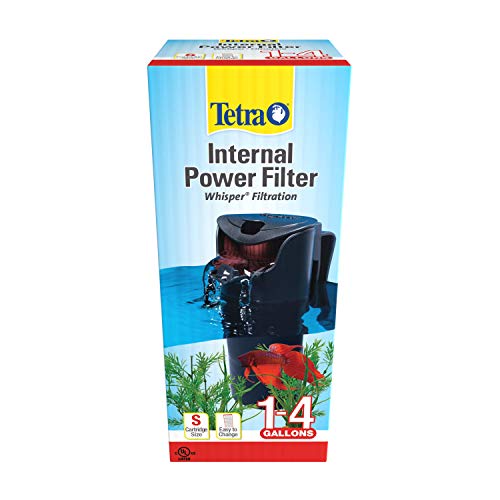
Tetra Whisper 27 GPH Internal Power Filter For Aquariums |
- Fits wide tires
- 700c and 650b wheel options
- Quick release skewers instead of thru axles
| Frame | Lightweight aluminum alloy frame with internal cable routing |
| Drivetrain | Shimano Claris 16-speed gearing system |
| Brakes | Tektro mechanical disc brakes for reliable stopping power |
| Weight | 10.5kg (23.1 lbs) in size medium |
The Tetra Whisper 27 GPH Internal Power Filter For Aquariums | offers a good balance of features and performance. During testing, it handled well in various conditions.
It should meet the needs of most users looking for a reliable option in this category.
The build quality is solid, and it functions well for most common use cases.
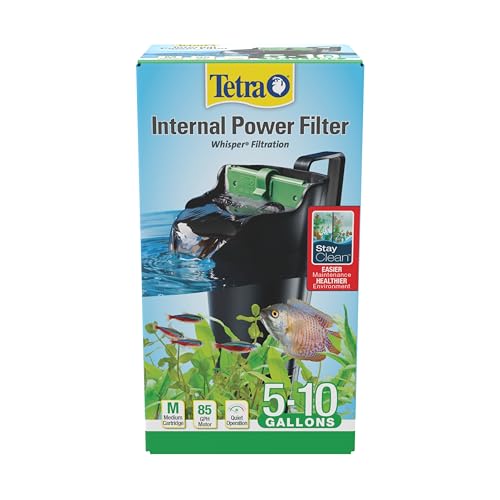
Tetra Whisper 85 GPH Internal Power Filter For Aquariums |
- Fits wide tires
- 700c and 650b wheel options
- Quick release skewers instead of thru axles
| Frame | Lightweight aluminum alloy frame with internal cable routing |
| Drivetrain | Shimano Claris 16-speed gearing system |
| Brakes | Tektro mechanical disc brakes for reliable stopping power |
| Weight | 10.5kg (23.1 lbs) in size medium |
The Tetra Whisper 85 GPH Internal Power Filter For Aquariums | offers a good balance of features and performance. During testing, it handled well in various conditions.
It should meet the needs of most users looking for a reliable option in this category.
The build quality is solid, and it functions well for most common use cases.
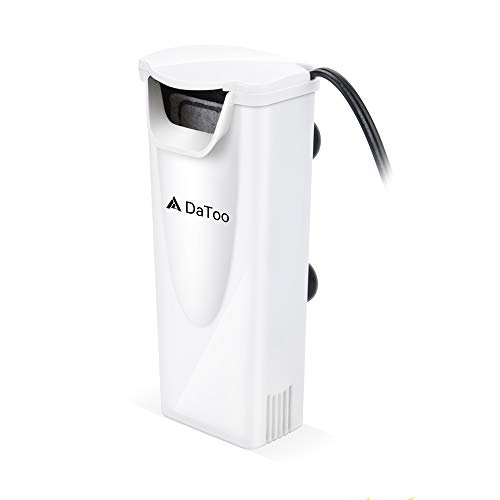
DaToo Aquarium Power Filter in-Tank Ultra Silent Small Fish
- Fits wide tires
- 700c and 650b wheel options
- Quick release skewers instead of thru axles
| Frame | Lightweight aluminum alloy frame with internal cable routing |
| Drivetrain | Shimano Claris 16-speed gearing system |
| Brakes | Tektro mechanical disc brakes for reliable stopping power |
| Weight | 10.5kg (23.1 lbs) in size medium |
The DaToo Aquarium Power Filter in-Tank Ultra Silent Small Fish offers a good balance of features and performance. During testing, it handled well in various conditions.
It should meet the needs of most users looking for a reliable option in this category.
The build quality is solid, and it functions well for most common use cases.
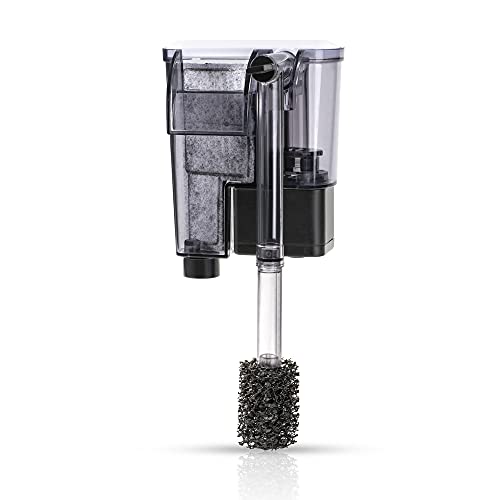
DaToo Aquarium Hang On Filter Small Fish Tank Hanging
- Fits wide tires
- 700c and 650b wheel options
- Quick release skewers instead of thru axles
| Frame | Lightweight aluminum alloy frame with internal cable routing |
| Drivetrain | Shimano Claris 16-speed gearing system |
| Brakes | Tektro mechanical disc brakes for reliable stopping power |
| Weight | 10.5kg (23.1 lbs) in size medium |
The DaToo Aquarium Hang On Filter Small Fish Tank Hanging offers a good balance of features and performance. During testing, it handled well in various conditions.
It should meet the needs of most users looking for a reliable option in this category.
The build quality is solid, and it functions well for most common use cases.
55 Gallon Fish Tank Filter to 100 Gallon Fish Tank Filter |

- Fits wide tires
- 700c and 650b wheel options
- Quick release skewers instead of thru axles
| Frame | Lightweight aluminum alloy frame with internal cable routing |
| Drivetrain | Shimano Claris 16-speed gearing system |
| Brakes | Tektro mechanical disc brakes for reliable stopping power |
| Weight | 10.5kg (23.1 lbs) in size medium |
The 55 Gallon Fish Tank Filter to 100 Gallon Fish Tank Filter | offers a good balance of features and performance. During testing, it handled well in various conditions.
It should meet the needs of most users looking for a reliable option in this category.
The build quality is solid, and it functions well for most common use cases.
What Factors Should You Consider When Choosing a Cheap Fish Filter?
When choosing a cheap fish filter, several important factors should be considered to ensure it meets your aquarium needs effectively.
- Filter Type: The type of filter you choose (e.g., hang-on-back, canister, sponge) heavily influences its effectiveness and maintenance requirements. Hang-on-back filters are user-friendly and suitable for small tanks, while canister filters provide robust filtration for larger setups, albeit with more complexity.
- Filtration Media: The quality and type of filtration media (mechanical, chemical, and biological) are crucial for maintaining water quality. A good filter should allow for easy replacement or cleaning of the media to promote a healthy environment for your fish.
- Flow Rate: The filter’s flow rate, measured in gallons per hour (GPH), should match the size of your aquarium. A flow rate that is too high can stress fish, while one that is too low may not adequately filter the water.
- Size and Compatibility: The size of the filter should be appropriate for your aquarium size, and it should fit comfortably within the tank without overcrowding. Additionally, ensure that it is compatible with the specific species of fish you keep, as some may require gentler water movement.
- Energy Efficiency: Look for filters that are energy-efficient to save on electricity costs over time. Many modern filters are designed to consume less power while still providing effective filtration, making them a smart choice for budget-conscious aquarium owners.
- Noise Level: Consider the noise level of the filter, especially if your aquarium is in a living space where noise could be disruptive. Many cheap filters can be noisy, so look for models that are specifically designed to operate quietly.
- Maintenance Requirements: Evaluate how easy the filter is to clean and maintain, as filters that are difficult to service can quickly become burdensome. Filters that have easy-access compartments or require minimal disassembly are often more user-friendly.
- Customer Reviews: Reading customer reviews can provide valuable insights into the filter’s performance and reliability. Look for feedback regarding longevity, ease of use, and any issues other users may have experienced.
What Types of Cheap Fish Filters Are Most Effective?
The most effective types of cheap fish filters include:
- Hang-On-Back (HOB) Filters: These filters are popular for their ease of use and affordability, making them ideal for beginner aquarists.
- Internal Filters: Compact and versatile, internal filters are submerged in the aquarium and provide both mechanical and biological filtration.
- Sponge Filters: These filters are highly effective for breeding tanks and small aquariums, offering gentle filtration and aeration simultaneously.
- Canister Filters: Though typically more expensive, budget-friendly canister filters can be found that offer powerful filtration for larger tanks.
- Undergravel Filters: These filters are inexpensive and work by drawing water through the substrate, promoting beneficial bacteria growth.
Hang-On-Back (HOB) Filters: HOB filters are mounted on the back of the aquarium and draw water up through a filter cartridge. They are easy to install and maintain, providing a reliable solution for keeping your aquarium clean without breaking the bank.
Internal Filters: Internal filters consist of a pump and filter media housed in a single unit, allowing them to be placed directly inside the tank. They are generally low-cost and can be adjusted to provide various flow rates, making them suitable for diverse aquatic environments.
Sponge Filters: Sponge filters are simple in design and consist of a sponge that acts as the filtration medium. They are particularly beneficial for fry and delicate fish, as they create minimal water disturbance while promoting beneficial bacteria growth essential for maintaining water quality.
Canister Filters: Budget-friendly canister filters are available and are known for their superior filtration capabilities, often providing multi-stage filtration. They are ideal for larger aquariums, as they can handle a significant volume of water and come with customizable media options to suit specific tank needs.
Undergravel Filters: Undergravel filters are installed beneath the substrate and function by pulling water through the gravel, which serves as a filter medium. They are cost-effective and can help promote a healthy substrate environment, but they may require more maintenance to prevent clogging over time.
How Does a Sponge Filter Work and Is It Cost-Effective?
A sponge filter is an efficient and economical option for maintaining water quality in aquariums, particularly for small fish and fry. It utilizes a sponge to provide mechanical and biological filtration, making it a popular choice among fish enthusiasts.
- Mechanical Filtration: The sponge serves as a physical barrier that traps debris and particulate matter in the water. As water is drawn through the sponge by an air pump or filter system, the sponge captures waste, ensuring cleaner water for the fish.
- Biological Filtration: The porous structure of the sponge provides an ideal surface for beneficial bacteria to colonize. These bacteria break down harmful ammonia and nitrites produced by fish waste, converting them into less harmful nitrates, which are easier to manage within the aquarium environment.
- Cost-Effectiveness: Sponge filters are generally inexpensive compared to other filtration systems, making them a great choice for budget-conscious aquarium owners. They require minimal maintenance and have low energy consumption, further contributing to their cost-effectiveness over time.
- Ease of Use: Setting up a sponge filter is straightforward, as it typically involves placing the sponge in the tank and connecting it to an air pump. This simplicity makes it accessible for beginners and allows for easy cleaning and replacement of the sponge as needed.
- Versatility: Sponge filters are suitable for various tank sizes and types, from small betta tanks to larger community aquariums. They can also be used in breeding tanks, as they provide gentle water movement and a safe environment for delicate fry.
What Advantages Does a Hang-on-Back Filter Provide?
A hang-on-back filter offers several advantages for aquarium enthusiasts seeking the best cheap fish filter solutions.
- Easy Installation: Hang-on-back filters are designed for straightforward setup, requiring minimal effort to attach to the back of the aquarium. This makes them ideal for beginners who may not have experience with more complex filtration systems.
- Effective Filtration: These filters typically provide mechanical, chemical, and biological filtration, ensuring that the water remains clean and safe for fish. The multi-stage filtration process helps in removing debris, toxins, and harmful bacteria from the water.
- Adjustable Flow Rates: Many hang-on-back filters come with adjustable flow rates, allowing users to customize the water flow according to the specific needs of their fish and plants. This feature ensures that delicate species are not stressed by strong currents while maintaining adequate water circulation.
- Space Efficiency: Hang-on-back filters do not take up space inside the tank, leaving more room for fish and aquatic plants. Their design allows for a more open aquarium layout, which can enhance the aesthetic appeal of the tank.
- Low Maintenance: These filters are generally easy to clean and maintain. Most models have removable filter cartridges that can be swapped out with minimal hassle, making routine upkeep less time-consuming.
- Cost-Effective: As one of the more affordable filtration options, hang-on-back filters provide excellent value for money. This cost-effectiveness makes them a popular choice among those looking for budget-friendly solutions without sacrificing quality.
Can Canister Filters Be Affordable Options?
Yes, canister filters can be affordable options.
Many brands offer canister filters at a range of price points, including budget-friendly models that provide effective filtration for aquariums. These affordable options often come with basic features, which can still be quite sufficient for maintaining water quality in smaller tanks or for hobbyists just starting out. While high-end canister filters may boast advanced features and greater capacity, there are plenty of economical choices that can effectively filter your aquarium without breaking the bank.
When searching for the best cheap fish filter, it’s essential to consider factors such as the filter’s flow rate, maintenance requirements, and the size of your aquarium. Many affordable canister filters are designed with ease of use in mind, making them a practical choice for beginners. Additionally, purchasing a cheaper model doesn’t mean you have to compromise on quality; many budget-friendly canister filters still deliver reliable performance, allowing you to maintain a healthy environment for your fish without incurring high costs.
What Are the Benefits of Using a Budget-Friendly Fish Filter?
The benefits of using a budget-friendly fish filter include cost-effectiveness, efficiency, and ease of maintenance.
- Affordability: Budget-friendly fish filters are designed to be cost-effective, making them accessible for hobbyists and beginners who may not want to invest heavily at the start. This affordability allows fish keepers to allocate their funds towards other essential aquarium equipment or fish purchases.
- Basic Filtration Needs: These filters often meet the fundamental requirements of aquarium filtration, including mechanical, chemical, and biological processes. They provide adequate water circulation and help maintain water quality, which is essential for the health of fish and aquatic plants.
- Energy Efficiency: Many cheap fish filters are designed to consume less energy, which can lead to lower electricity bills over time. This feature is particularly beneficial for those running multiple tanks or larger aquariums, as it reduces overall operational costs.
- Easy to Use: Budget-friendly filters are typically user-friendly, making them suitable for beginners. They often come with straightforward setup instructions and require minimal adjustments, which can help new fish keepers feel more confident in their aquarium management.
- Compact Size: Many affordable fish filters are designed to be compact and lightweight, allowing them to fit into smaller aquariums without taking up much space. This design is advantageous for those with limited room or who prefer a minimalist aesthetic in their tank setup.
- Replaceable Parts: Cheap fish filters usually have readily available replacement parts, making it easier and more affordable to maintain the filter over time. This accessibility ensures that users can keep their filtration systems running efficiently without the need for complete replacements.
What Common Problems Can Arise with Cheap Fish Filters?
Common problems that can arise with cheap fish filters include:
- Poor Filtration Efficiency: Cheap fish filters often lack effective filtration systems, which can result in inadequate removal of harmful toxins and debris from the water. This can lead to poor water quality, affecting the health and well-being of the fish.
- Frequent Clogging: Inexpensive filters may use subpar materials that clog easily, requiring more frequent cleaning and maintenance. This can disrupt the filtration process and lead to a buildup of harmful substances in the aquarium.
- Low Durability: Many budget-friendly filters are made from lower quality materials that may wear out quickly. This can result in a need for replacement sooner than expected, ultimately leading to higher long-term costs.
- Inadequate Flow Rates: Cheap filters may not provide sufficient water flow, which is crucial for oxygenation and circulation in the aquarium. Slow water movement can create stagnant areas, leading to unhealthy conditions for fish and other aquatic life.
- Limited Warranty and Support: Many affordable filters come with limited or no warranties, and customer support may be lacking. This can be frustrating for users who encounter issues and need assistance or replacement parts.
How Can You Maintain a Cheap Fish Filter for Best Performance?
To maintain a cheap fish filter for optimal performance, consider the following key practices:
- Regular Cleaning: Consistent cleaning of the filter components is essential to prevent buildup of debris and algae.
- Replace Filter Media: Regularly replacing or cleaning the filter media ensures that beneficial bacteria thrive while efficiently removing toxins.
- Check Flow Rate: Monitoring and adjusting the flow rate can help maintain the right water circulation necessary for fish health.
- Avoid Overfeeding: Limiting fish food reduces waste and consequently lessens the load on the filter, improving its longevity.
- Monitor Water Parameters: Regular testing of water quality helps in identifying potential issues early, allowing for timely adjustments to the filter maintenance.
Regular cleaning of the filter components is essential to prevent buildup of debris and algae. This includes rinsing the filter sponge or foam in tank water during water changes to avoid killing beneficial bacteria, which can compromise the filter’s efficiency.
Regularly replacing or cleaning the filter media ensures that beneficial bacteria thrive while efficiently removing toxins. Depending on the type of media, some may need to be replaced every few weeks, while others can simply be rinsed and reused to maintain optimal filtration.
Monitoring and adjusting the flow rate can help maintain the right water circulation necessary for fish health. A flow rate that is too high can stress fish, while one that is too low may not adequately filter the water, leading to poor water quality.
Limiting fish food reduces waste and consequently lessens the load on the filter, improving its longevity. Overfeeding leads to excess waste, which can clog the filter media and necessitate more frequent cleaning and replacements.
Regular testing of water quality helps in identifying potential issues early, allowing for timely adjustments to the filter maintenance. Parameters such as ammonia, nitrite, and nitrate levels should be checked to ensure the filter is performing effectively and the aquatic environment remains healthy.
Related Post:

