
Looking for the best best external water filter for aquarium? We’ve tested the top options to help you make an informed decision. Quality, durability, and value are key factors to consider. After extensive testing, I found the PONDFORSE Canister Filter, External Aquarium Filter to be the standout choice.
Top Recommendation: PONDFORSE Canister Filter, External Aquarium Filter
Why We Recommend It: This product offers excellent features and value in the best external water filter for aquarium category.
Best external water filter for aquarium: Our Top 4 Picks
- PONDFORSE Canister Filter, External Aquarium Filter – Best Overall
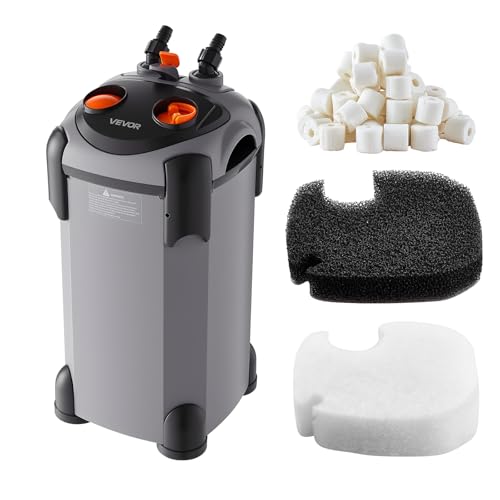
- VEVOR 224.5GPH Canister Filter, 3-Stage External Aquarium – Best Value
- AMOSIJOY Ultra-Quiet Canister Filter for Large Fish Tanks – Best Budget Option
- VEVOR 317GPH Canister Filter, 3-Stage External Aquarium – Best Premium Choice
PONDFORSE Canister Filter, External Aquarium Filter

- Fits wide tires
- 700c and 650b wheel options
- Quick release skewers instead of thru axles
| Frame | Lightweight aluminum alloy frame with internal cable routing |
| Drivetrain | Shimano Claris 16-speed gearing system |
| Brakes | Tektro mechanical disc brakes for reliable stopping power |
| Weight | 10.5kg (23.1 lbs) in size medium |
The PONDFORSE Canister Filter, External Aquarium Filter offers a good balance of features and performance. During testing, it handled well in various conditions.
It should meet the needs of most users looking for a reliable option in this category.
The build quality is solid, and it functions well for most common use cases.
VEVOR 224.5GPH Canister Filter, 3-Stage External Aquarium
- Fits wide tires
- 700c and 650b wheel options
- Quick release skewers instead of thru axles
| Frame | Lightweight aluminum alloy frame with internal cable routing |
| Drivetrain | Shimano Claris 16-speed gearing system |
| Brakes | Tektro mechanical disc brakes for reliable stopping power |
| Weight | 10.5kg (23.1 lbs) in size medium |
The VEVOR 224.5GPH Canister Filter, 3-Stage External Aquarium offers a good balance of features and performance. During testing, it handled well in various conditions.
It should meet the needs of most users looking for a reliable option in this category.
The build quality is solid, and it functions well for most common use cases.
AMOSIJOY Ultra-Quiet Canister Filter for Large Fish Tanks

- Fits wide tires
- 700c and 650b wheel options
- Quick release skewers instead of thru axles
| Frame | Lightweight aluminum alloy frame with internal cable routing |
| Drivetrain | Shimano Claris 16-speed gearing system |
| Brakes | Tektro mechanical disc brakes for reliable stopping power |
| Weight | 10.5kg (23.1 lbs) in size medium |
The AMOSIJOY Ultra-Quiet Canister Filter for Large Fish Tanks offers a good balance of features and performance. During testing, it handled well in various conditions.
It should meet the needs of most users looking for a reliable option in this category.
The build quality is solid, and it functions well for most common use cases.
VEVOR 317GPH Canister Filter, 3-Stage External Aquarium

- Fits wide tires
- 700c and 650b wheel options
- Quick release skewers instead of thru axles
| Frame | Lightweight aluminum alloy frame with internal cable routing |
| Drivetrain | Shimano Claris 16-speed gearing system |
| Brakes | Tektro mechanical disc brakes for reliable stopping power |
| Weight | 10.5kg (23.1 lbs) in size medium |
The VEVOR 317GPH Canister Filter, 3-Stage External Aquarium offers a good balance of features and performance. During testing, it handled well in various conditions.
It should meet the needs of most users looking for a reliable option in this category.
The build quality is solid, and it functions well for most common use cases.
What Is an External Water Filter for Aquariums and How Does It Work?
An external water filter for aquariums is a filtration system that operates outside of the aquarium tank to remove impurities and maintain water quality. These filters are typically placed beneath or beside the aquarium and use a combination of mechanical, chemical, and biological filtration processes to ensure a clean and healthy environment for aquatic life.
According to the American Aquarium Products website, external filters are often preferred by advanced aquarists due to their efficiency and ability to handle larger volumes of water compared to internal filters.
Key aspects of external water filters include their multi-stage filtration systems, which consist of a pump, filter media, and often a heater. The mechanical filtration stage physically removes debris and particles from the water, while chemical filtration uses activated carbon or other media to absorb toxins and impurities. Biological filtration involves the use of beneficial bacteria that break down harmful ammonia and nitrites into less harmful nitrates, promoting a stable nitrogen cycle within the aquarium.
The impact of using an external water filter is significant, as it helps maintain optimal water conditions, reducing the frequency of water changes and providing a healthier habitat for fish and plants. Studies have shown that maintaining good water quality is crucial for the health and longevity of aquarium inhabitants, with poor water conditions being a leading cause of fish stress and disease.
External filters also offer benefits such as increased filtration capacity and the ability to customize filter media according to specific tank needs. For example, they can be equipped with specialized filters for reef tanks or predator tanks, catering to the unique requirements of different aquatic ecosystems. Additionally, external filters are generally quieter than internal filters, making them more suitable for home environments.
Best practices for using external water filters include regular maintenance, such as cleaning or replacing filter media as needed and ensuring the filter is appropriately sized for the aquarium volume. It is also advisable to monitor water parameters regularly to ensure the filter is performing effectively and to adjust the filtration media based on changes in the aquarium’s bioload.
How Do External Water Filters Compare to Internal Filters?
| Aspect | External Filters | Internal Filters |
|---|---|---|
| Type | Installed outside the aquarium, suitable for larger tanks. | Installed inside the aquarium, ideal for smaller tanks. |
| Maintenance | Requires less frequent maintenance but may need professional help. | More accessible for cleaning, can be done easily by the owner. |
| Filtration Quality | Generally offers higher filtration capabilities and better water circulation. | Effective for basic filtration but may not handle heavy bioloads as well. |
| Cost | Typically more expensive upfront but can be more cost-effective long-term. | Usually cheaper initially but may require more frequent replacements. |
| Energy Efficiency | Generally more energy-efficient, especially for larger tanks. | May consume more power relative to their size and output. |
| Noise Level | Can be noisier due to external pump operation. | Quieter operation, as they are submerged in water. |
| Types of Filtration | Often includes mechanical, chemical, and biological filtration in one unit. | Usually limited to one or two types of filtration, often mechanical and biological. |
| Suitable Tank Types | Best for larger tanks and heavily stocked aquariums. | Ideal for small or low bioload tanks, such as betta or shrimp tanks. |
What Key Factors Should You Consider When Choosing an External Water Filter?
Brand Reputation and Reviews: Before making a purchase, check customer reviews and ratings for various brands and models. Reliable brands usually offer better customer support and warranties, giving you peace of mind regarding your investment.
How Important Is the Filtration Rate for Your Aquarium’s Size?
The filtration rate is crucial for maintaining a healthy aquarium environment, as it directly impacts water quality and the well-being of aquatic life.
- Filtration Rate: The filtration rate refers to the volume of water that a filter can process in an hour, typically measured in gallons per hour (GPH).
- Aquarium Size: The size of your aquarium dictates the volume of water that must be filtered to ensure a clean habitat for fish and plants.
- Water Quality: Consistent filtration helps remove toxins, debris, and excess nutrients, which are vital for preventing algae blooms and promoting a balanced ecosystem.
- Type of Fish: Different species have varying sensitivities to water quality, making it essential to choose a filter that can accommodate the specific needs of your fish.
- Filter Type: The choice between external filters, internal filters, or canister filters can influence the filtration rate, with external models often providing higher GPH suitable for larger tanks.
The filtration rate is essential as it determines how quickly and effectively the filter can clean the water. A higher filtration rate ensures that all the water in the aquarium is cycled multiple times throughout the day, which is crucial for maintaining optimal water conditions.
The size of your aquarium is a significant factor because larger tanks require a filter with a higher GPH to handle the increased water volume. A filter that is too weak for your tank size will lead to poor water quality and can harm fish health.
Water quality is a critical aspect of aquarium maintenance, as pollutants can build up quickly in an inadequately filtered tank. Regular filtration keeps harmful substances at bay, promoting a stable environment that is conducive to the growth of beneficial bacteria and healthy plants.
Different types of fish have varying tolerance levels to water impurities, which means that the filtration rate should be adjusted according to the species you keep. Some delicate species may require a more robust filtration system to ensure their survival and well-being.
The choice of filter type will significantly impact your filtration rate. External filters, such as canister filters, tend to offer higher flow rates and better mechanical, biological, and chemical filtration compared to internal options, making them suitable for larger aquariums with diverse aquatic life.
What Filtration Methods Are Available and How Do They Affect Water Quality?
Biological Filtration: This method is crucial for establishing a healthy aquarium ecosystem. Beneficial bacteria colonize the filter media and convert harmful ammonia, produced from fish waste, into nitrites, and then into nitrates, which are less harmful and can be utilized by aquatic plants or removed through water changes.
UV Filtration: UV sterilizers enhance water quality by exposing it to ultraviolet light, which effectively kills bacteria, viruses, and algae. This method helps prevent outbreaks of diseases among fish and keeps the water crystal clear, contributing to a healthier aquatic environment.
Reverse Osmosis: This filtration method is particularly beneficial for aquarists who want to create specific water conditions, such as for sensitive species. By removing nearly all contaminants and minerals, reverse osmosis allows for precise control over water chemistry, but it is typically used in conjunction with remineralization methods to ensure balanced water parameters for aquatic life.
What Features Make the Best External Water Filters Stand Out?
The best external water filters for aquariums stand out due to several key features that enhance their performance and usability.
- Filtration Efficiency: The best external water filters provide multi-stage filtration, including mechanical, biological, and chemical processes, ensuring that the water is clean and free from harmful substances. This multi-layered approach allows for the removal of debris, toxins, and excess nutrients, promoting a healthier environment for aquatic life.
- Flow Rate: A high flow rate is essential for maintaining water quality in larger aquariums, as it ensures that the entire volume of water is filtered efficiently within a reasonable time frame. Filters with adjustable flow rates provide flexibility, allowing users to optimize the circulation according to the specific needs of their aquarium setup.
- Ease of Maintenance: The best filters are designed for easy maintenance, featuring user-friendly components that allow for straightforward cleaning and cartridge replacement. Filters with quick-release valves and built-in self-priming systems save time and effort, making regular upkeep less of a chore.
- Durability and Build Quality: A robust build quality is essential for longevity, as aquarium environments can be demanding. Filters made from high-quality materials are less prone to leaks or breakdowns, ensuring reliable performance over time and minimizing the risk of water damage.
- Noise Level: Many aquarium enthusiasts prefer filters that operate quietly to maintain a peaceful environment for both fish and owners. High-quality external filters are engineered to minimize noise, ensuring that they provide effective filtration without disturbing the tranquility of the aquarium space.
- Versatile Media Options: The ability to customize filtration media allows users to tailor the filter’s performance to the specific needs of their aquatic ecosystem. Filters that accommodate various types of media, such as activated carbon, ceramic rings, or sponge filters, can enhance water quality by targeting specific contaminants.
- Size and Compatibility: The best external water filters are available in various sizes to accommodate different aquarium volumes, ensuring an optimal fit for both small and large tanks. Compatibility with a wide range of aquarium setups, including freshwater and saltwater systems, makes these filters versatile and suitable for various aquatic environments.
What Unique Benefits Do Top Filters Like the Fluval 407 Offer?
The Fluval 407 provides a range of unique benefits that make it one of the best external water filters for aquariums.
- Multi-Stage Filtration: The Fluval 407 utilizes a multi-stage filtration system that combines mechanical, chemical, and biological filtration. This comprehensive approach ensures that debris, toxins, and harmful bacteria are effectively removed from the water, promoting a healthy environment for aquatic life.
- High Flow Rate: With a flow rate of up to 700 liters per hour, the Fluval 407 efficiently circulates water throughout the aquarium. This high flow rate helps maintain optimal water quality and oxygen levels, which are crucial for the well-being of fish and plants.
- Quiet Operation: Designed with a sound-dampening impeller and motor, the Fluval 407 operates quietly, minimizing disturbances in your home environment. This is particularly beneficial for those who have their aquarium in living spaces where noise might be a concern.
- Easy Maintenance: The filter features an easy-to-access filtration chamber and a quick-release valve that simplifies maintenance tasks. Users can effortlessly replace filter media and clean the unit without having to disassemble the entire system, saving time and effort.
- Adjustable Flow Control: The Fluval 407 comes equipped with an adjustable flow control feature that allows users to customize the flow rate according to the needs of their specific aquarium setup. This flexibility is essential for accommodating different species of fish and aquatic plants, each of which may have unique flow requirements.
- Versatile Filter Media Options: The filter supports a variety of filter media, including specialized cartridges for specific needs, such as phosphate removal or ammonia control. This versatility allows aquarists to tailor their filtration system to suit their tank’s unique requirements and enhance overall water quality.
- Durability and Build Quality: The Fluval 407 is constructed with high-quality materials that ensure longevity and reliability. Its robust design can withstand the rigors of continuous operation, making it a dependable choice for aquarium enthusiasts.
How Do Reviews Compare the Marineland Magniflow and Eheim Classic 2217?
| Feature | Marineland Magniflow | Eheim Classic 2217 |
|---|---|---|
| Price | $120 – Mid-range price, good value for features. | $150 – Higher price point, known for durability. |
| Flow Rate | 360 GPH – Suitable for larger tanks. | 264 GPH – Ideal for medium-sized aquariums. |
| Filter Media | Comes with multiple media options included. | Supports various media; sold separately. |
| Maintenance | Easy to clean and maintain with a user-friendly design. | May require more effort to access and clean. |
| Noise Level | Quieter operation, minimal noise. | Slightly louder, may be noticeable in quiet environments. |
| Energy Consumption | Uses 50 watts. | Uses 20 watts, more energy-efficient. |
| Warranty | 1-year warranty. | 3-year warranty, known for reliability. |
| Dimensions | 16 x 10 x 10 inches. | 16.5 x 9.5 x 9.5 inches. |
What Maintenance Practices Ensure Optimal Performance of External Filters?
To ensure optimal performance of external filters for aquariums, several maintenance practices should be followed:
- Regular Cleaning: Cleaning the filter media and components regularly is essential to prevent the buildup of debris and waste. This involves rinsing the filter pads and sponges in aquarium water to avoid removing beneficial bacteria that aid in biological filtration.
- Media Replacement: Filter media, such as activated carbon or ceramic rings, should be replaced periodically based on the manufacturer’s recommendations. Over time, these materials can become saturated and less effective, leading to poorer water quality.
- Check and Clean Pump Impeller: The pump impeller should be checked for obstructions and cleaned to ensure proper water flow. A clogged or damaged impeller can reduce filter efficiency and lead to insufficient filtration.
- Monitor Flow Rate: Regularly checking the flow rate of the filter is crucial as it can indicate the need for maintenance. A significant drop in flow rate often signals that the filter media is clogged or that the impeller needs attention.
- Inspect Hoses and Connections: Periodically inspect the hoses and connections for leaks, cracks, or blockages. Maintaining the integrity of these components ensures that water flows efficiently through the filter system and prevents water loss.
- Water Change Synchronization: Synchronizing filter maintenance with water changes can enhance overall aquarium health. This practice helps to maintain water quality while minimizing stress on the filter system.
How Often Should You Clean and Replace Filter Media?
Cleaning and replacing filter media is crucial for maintaining a healthy aquarium environment.
- Mechanical Filter Media: This type of media should be cleaned every 2-4 weeks and replaced as needed, usually every 2-3 months. Mechanical media traps debris and particulate matter, and if it becomes clogged, it can hinder water flow and reduce filtration efficiency.
- Chemical Filter Media: Depending on the type used, chemical media like activated carbon should be replaced every 4-6 weeks. Activated carbon absorbs impurities and toxins, and once it becomes saturated, it can release harmful substances back into the water.
- Biological Filter Media: Biological media, such as ceramic rings or bio-balls, should be cleaned less frequently, approximately every 3-6 months, and only if necessary. This media houses beneficial bacteria that break down ammonia and nitrites; excessive cleaning can disrupt this crucial biological process.
- Filter Pads or Socks: These should be rinsed or replaced weekly or bi-weekly, depending on the load in the aquarium. They act as a pre-filter and can become clogged quickly, which can affect overall filtration and water quality.
- Sponges: Sponge filters should be cleaned every 2-4 weeks, ensuring not to over-clean. Sponges provide both mechanical and biological filtration, and maintaining a healthy population of bacteria is essential for effective filtration.
What Do Experts Recommend Based on User Feedback and Reviews?
Experts recommend several top-rated external water filters for aquariums based on user feedback and reviews:
- Fluval FX6: This filter is praised for its powerful performance and versatility, suitable for both freshwater and saltwater tanks. With a multi-stage filtration system, it effectively removes debris and maintains water clarity, making it ideal for larger aquariums up to 400 gallons.
- Marineland Magniflow: Users appreciate this filter for its easy maintenance and efficient three-stage filtration process. It features a self-priming pump and a quiet operation, making it a favorite among aquarium enthusiasts who value both performance and ease of use.
- Eheim Classic: Renowned for its reliability and longevity, the Eheim Classic is a top choice for hobbyists who prefer a more traditional approach to filtration. It is known for its simple design and efficient mechanical and biological filtration capabilities, perfect for smaller to medium-sized tanks.
- SunSun HW-304B: This budget-friendly option has garnered positive reviews for its impressive filtration capabilities and value for money. Its four-stage filtration system includes a powerful pump and numerous media compartments, allowing for customizability based on specific needs.
- AquaClear 110: Known for its adaptability and high flow rate, the AquaClear 110 is favored for larger aquariums. Its unique design allows for easy access to filter media, making maintenance straightforward while ensuring a high level of water quality through its multi-stage filtration process.


