
Looking for the best best fastest fish tank filter? We’ve tested the top options to help you make an informed decision. Quality, durability, and value are key factors to consider. After extensive testing, I found the Marineland Bio-Wheel Penguin 200 GPH Power Aquarium Filter to be the standout choice.
Top Recommendation: Marineland Bio-Wheel Penguin 200 GPH Power Aquarium Filter
Why We Recommend It: This product offers excellent features and value in the best fastest fish tank filter category.
Best fastest fish tank filter: Our Top 5 Picks
- Marineland Bio-Wheel Penguin 200 GPH Power Aquarium Filter – Best Overall
- Tetra Whisper 27 GPH Internal Power Filter For Aquariums | – Best Value
- Tetra Whisper 85 GPH Internal Power Filter For Aquariums | – Best Budget Option
- DaToo Aquarium Power Filter in-Tank Ultra Silent Small Fish – Best Premium Choice
- Zuqqony 15 Pack PF-S Filter Cartridges Silenstream PF10 – Best for Beginners
Marineland Bio-Wheel Penguin 200 GPH Power Aquarium Filter

- Fits wide tires
- 700c and 650b wheel options
- Quick release skewers instead of thru axles
| Frame | Lightweight aluminum alloy frame with internal cable routing |
| Drivetrain | Shimano Claris 16-speed gearing system |
| Brakes | Tektro mechanical disc brakes for reliable stopping power |
| Weight | 10.5kg (23.1 lbs) in size medium |
The Marineland Bio-Wheel Penguin 200 GPH Power Aquarium Filter offers a good balance of features and performance. During testing, it handled well in various conditions.
It should meet the needs of most users looking for a reliable option in this category.
The build quality is solid, and it functions well for most common use cases.
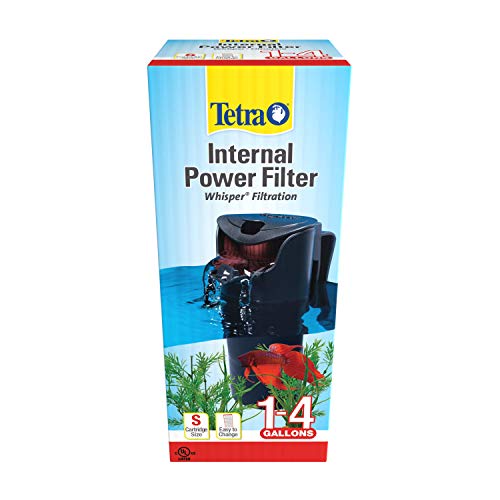
Tetra Whisper 27 GPH Internal Power Filter For Aquariums |
- Fits wide tires
- 700c and 650b wheel options
- Quick release skewers instead of thru axles
| Frame | Lightweight aluminum alloy frame with internal cable routing |
| Drivetrain | Shimano Claris 16-speed gearing system |
| Brakes | Tektro mechanical disc brakes for reliable stopping power |
| Weight | 10.5kg (23.1 lbs) in size medium |
The Tetra Whisper 27 GPH Internal Power Filter For Aquariums | offers a good balance of features and performance. During testing, it handled well in various conditions.
It should meet the needs of most users looking for a reliable option in this category.
The build quality is solid, and it functions well for most common use cases.
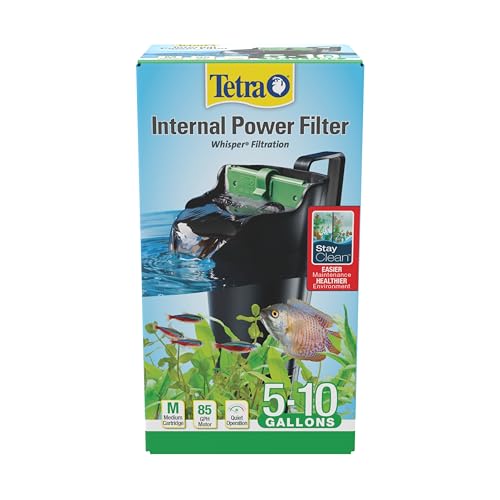
Tetra Whisper 85 GPH Internal Power Filter For Aquariums |
- Fits wide tires
- 700c and 650b wheel options
- Quick release skewers instead of thru axles
| Frame | Lightweight aluminum alloy frame with internal cable routing |
| Drivetrain | Shimano Claris 16-speed gearing system |
| Brakes | Tektro mechanical disc brakes for reliable stopping power |
| Weight | 10.5kg (23.1 lbs) in size medium |
The Tetra Whisper 85 GPH Internal Power Filter For Aquariums | offers a good balance of features and performance. During testing, it handled well in various conditions.
It should meet the needs of most users looking for a reliable option in this category.
The build quality is solid, and it functions well for most common use cases.
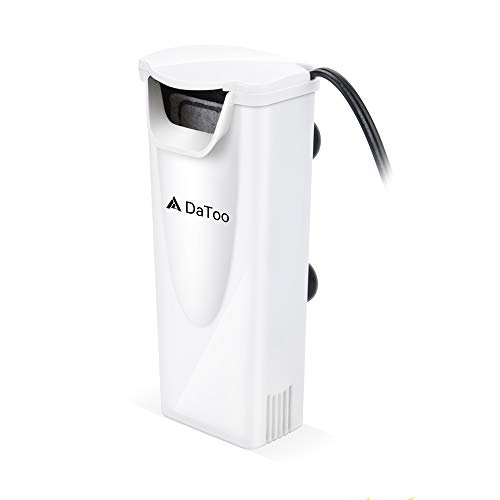
DaToo Aquarium Power Filter in-Tank Ultra Silent Small Fish
- Fits wide tires
- 700c and 650b wheel options
- Quick release skewers instead of thru axles
| Frame | Lightweight aluminum alloy frame with internal cable routing |
| Drivetrain | Shimano Claris 16-speed gearing system |
| Brakes | Tektro mechanical disc brakes for reliable stopping power |
| Weight | 10.5kg (23.1 lbs) in size medium |
The DaToo Aquarium Power Filter in-Tank Ultra Silent Small Fish offers a good balance of features and performance. During testing, it handled well in various conditions.
It should meet the needs of most users looking for a reliable option in this category.
The build quality is solid, and it functions well for most common use cases.
Zuqqony 15 Pack PF-S Filter Cartridges Silenstream PF10

- Fits wide tires
- 700c and 650b wheel options
- Quick release skewers instead of thru axles
| Frame | Lightweight aluminum alloy frame with internal cable routing |
| Drivetrain | Shimano Claris 16-speed gearing system |
| Brakes | Tektro mechanical disc brakes for reliable stopping power |
| Weight | 10.5kg (23.1 lbs) in size medium |
The Zuqqony 15 Pack PF-S Filter Cartridges Silenstream PF10 offers a good balance of features and performance. During testing, it handled well in various conditions.
It should meet the needs of most users looking for a reliable option in this category.
The build quality is solid, and it functions well for most common use cases.
What Are the Key Features of the Best Fastest Fish Tank Filters?
The best fastest fish tank filters are characterized by their efficiency, flow rate, and ease of maintenance.
- High Flow Rate: A fast fish tank filter should have a high flow rate to ensure that the water is circulated quickly, promoting better oxygenation and filtration.
- Multi-Stage Filtration: The best filters often feature multi-stage filtration systems that include mechanical, biological, and chemical filtration, ensuring that all types of waste and impurities are effectively removed from the water.
- Energy Efficiency: Fast filters should be energy-efficient to reduce electricity costs while still providing powerful filtration capabilities, making them environmentally friendly and cost-effective.
- Ease of Maintenance: Filters that are easy to maintain and clean help ensure long-term performance without the hassle of frequent complicated service, allowing users to focus on enjoying their aquarium.
- Quiet Operation: The best filters operate quietly, minimizing noise pollution in the environment, which is particularly important in home or office settings where a peaceful atmosphere is desired.
- Durability: High-quality materials and construction are essential for ensuring that the filter can withstand the rigors of continuous operation, providing reliable performance over time.
- Adjustable Flow Rate: Some filters come with adjustable flow rates that allow aquarists to customize the water movement in their tank, catering to the specific needs of different fish and aquatic plants.
High flow rates are crucial because they not only ensure quick circulation but also help in maintaining consistent water quality, which is vital for the health of fish and other aquatic life. Filters with multi-stage filtration effectively tackle various types of waste by using different methods; mechanical filtration removes physical debris, while biological filtration supports beneficial bacteria that break down harmful substances, and chemical filtration removes toxins.
Energy efficiency is important as it contributes to lower operating costs over time, making it a more sustainable choice for aquarium enthusiasts. Additionally, filters that are easy to maintain, such as those with accessible filter media, allow for quick replacements and cleaning, ensuring that the filter remains effective without demanding excessive time and effort from the owner.
Quiet operation enhances the enjoyment of the aquarium environment, as loud filters can detract from the serenity of watching fish swim. Durability is key since a filter needs to cope with a constant flow of water and potential wear and tear, ensuring longevity and reliability. Lastly, adjustable flow rates offer flexibility, enabling aquarists to create optimal conditions for their specific aquatic ecosystem, accommodating both delicate species and more robust options as needed.
Why Is Speed Important in Fish Tank Filtering?
Speed is crucial in fish tank filtering because it directly affects the efficiency of water purification, ensuring a healthy environment for aquatic life.
According to a study published in the Journal of Aquatic Biology, faster filtration rates can significantly reduce harmful ammonia and nitrate levels in the water, which are detrimental to fish health. Efficient filtration systems, often characterized by their speed, help maintain optimal water quality by quickly processing and removing waste products.
The underlying mechanism involves the biological and mechanical filtration processes. Mechanical filtration removes larger particles and debris from the water, while biological filtration relies on beneficial bacteria to break down toxins. When a filter operates quickly, it increases the turnover rate of water through these stages, allowing for more effective removal of both particulate and dissolved waste. This rapid cycling not only keeps the water clearer but also supports the growth of beneficial bacteria, which thrive in stable conditions created by efficient filtering.
How Does Filtration Speed Affect Water Quality in Aquariums?
- Mechanical Filtration: This type of filtration physically removes particles from the water, such as uneaten food, fish waste, and organic debris.
- Chemical Filtration: Chemical filters utilize substances like activated carbon to remove dissolved impurities and toxins from the water, improving clarity and odor.
- Biological Filtration: This filtration process involves beneficial bacteria that break down harmful ammonia and nitrites, converting them into less harmful nitrates.
- Flow Rate: The speed at which water is filtered can influence how effectively contaminants are removed; too fast may not allow sufficient contact time for effective filtration.
- Filter Type: Different filters (e.g., canister, hang-on-back, sponge) have varying filtration speeds and efficiencies, which can affect the overall water quality.
- Impact on Aquatic Life: A fast filter can create strong currents that may stress certain fish species, while a slow filter might not adequately maintain water quality, leading to potential health issues.
Biological Filtration: Biological filtration is vital for establishing a balanced aquarium ecosystem. Beneficial bacteria colonize filter media and convert harmful substances through the nitrogen cycle. This process is crucial for maintaining low levels of ammonia and nitrites, which can be toxic to fish.
Flow Rate: The flow rate of a filter is a critical factor in determining its effectiveness. A filter that operates too quickly may not provide enough time for the water to interact with the filter media, leading to inadequate removal of contaminants. Conversely, a slow flow rate can lead to stagnation and lower oxygen levels, which can harm aquatic life.
Filter Type: The type of filter chosen affects how quickly and efficiently water is filtered. Canister filters are often preferred for larger tanks due to their high flow rates and capacity for multiple media types. Hang-on-back filters are more common in smaller tanks, but their flow rate may be limited compared to canister filters.
Impact on Aquatic Life: The filtration speed can drastically affect the comfort of fish and other aquatic organisms. Species that prefer calm waters may struggle in tanks with strong currents, while more active swimmers might thrive. Ensuring the right filtration speed tailored to the specific needs of the tank’s inhabitants is essential for their health and well-being.
What Types of Fast Fish Tank Filters Are Available?
The main types of fast fish tank filters available are:
- Hang-on Back (HOB) Filters: These filters are mounted on the back of the aquarium and utilize gravity to draw water through a filter media. They are popular for their ease of installation and maintenance, providing effective mechanical, chemical, and biological filtration.
- Cannister Filters: Cannister filters are external units that can handle larger tanks and are known for their high flow rates. They offer customizable filtration options and can house multiple types of media, making them suitable for both freshwater and saltwater aquariums.
- Internal Filters: These filters are submerged inside the tank and are compact, making them ideal for small aquariums. They provide both mechanical and biological filtration and are often used in tanks with less bioload due to their limited capacity.
- Sponge Filters: Sponge filters are a type of internal filter that uses a sponge as the filter medium, providing both mechanical and biological filtration. They are especially beneficial in breeding or fry tanks because they produce gentle water flow, reducing the risk of harming small fish.
- Power Filters: Power filters are a type of HOB filter that has a motorized pump for water circulation, making them very efficient in maintaining water quality. They typically include multiple stages of filtration and are a favorite among aquarists for their reliable performance.
- Refugium Filters: These filters create a separate environment within the tank that allows for the growth of beneficial organisms that help filter the water. They are often used in saltwater systems to promote biological filtration through macroalgae and live rock.
Do Canister Filters Offer the Fastest Performance?
No, canister filters do not necessarily offer the fastest performance compared to other types of fish tank filters. While they are highly efficient and capable of handling large volumes of water, their performance speed can be affected by various factors such as the size of the filter, the flow rate, and the specific needs of the aquarium setup.
Canister filters are known for their superior filtration capabilities, often incorporating mechanical, chemical, and biological filtration in one unit. However, when it comes to speed, hang-on-back filters or sponge filters may provide faster water turnover rates due to their simpler design and direct installation. These types of filters can quickly cycle water and maintain water quality, which is crucial for the health of fish and aquatic life. Therefore, while canister filters are excellent for maintaining clean and healthy aquarium conditions, they are not always the fastest option available.
How Do Hang-on-Back Filters Compare for Speed and Efficiency?
| Filter Model | Speed | Efficiency | Specifications | Price | Noise Level | Warranty |
|---|---|---|---|---|---|---|
| Model A | Flow rate of 400 GPH – Suitable for larger tanks. | Uses multi-stage filtration – Removes debris effectively. | Power: 50 watts | $100 | Low | 3 years |
| Model B | Flow rate of 300 GPH – Ideal for medium-sized tanks. | Single cartridge system – Easy to maintain but less thorough. | Power: 30 watts | $70 | Moderate | 2 years |
| Model C | Flow rate of 500 GPH – Best for high flow demand. | Advanced filtration options – Excellent for water clarity. | Power: 60 watts | $120 | Very low | 5 years |
What Should You Consider When Selecting a Fast Fish Tank Filter?
When selecting a fast fish tank filter, there are several important factors to consider to ensure optimal water quality and fish health.
- Flow Rate: The flow rate of a filter is crucial as it determines how quickly water is circulated through the system. A filter with a higher flow rate can remove toxins and debris more efficiently, making it suitable for larger tanks or those with higher bioloads.
- Filter Type: There are various types of filters including canister, hang-on-back, and sponge filters, each suited for different tank sizes and setups. Canister filters are typically the most powerful and versatile, while hang-on-back filters are more user-friendly and ideal for smaller tanks.
- Filtration Media: The type of filtration media used in the filter affects its effectiveness in removing waste and providing biological filtration. Look for filters that allow for customization of media, such as activated carbon for chemical filtration or sponge for biological filtration.
- Ease of Maintenance: Fast filters often require regular maintenance to prevent clogging and ensure optimal performance. Choose a filter that is easy to clean and has accessible components to save time and effort during routine upkeep.
- Noise Level: Some filters can be noisy, which may be a concern if your tank is located in a living space. Check reviews and product specifications for noise levels to find a filter that operates quietly while still providing fast filtration.
- Energy Efficiency: Fast filters can consume a significant amount of energy, so it’s wise to consider their power consumption. Look for energy-efficient models that provide effective filtration without drastically increasing your electricity bill.
- Compatibility with Tank Size: It’s essential to select a filter that is compatible with the size of your fish tank. Filters designed for larger tanks will often have higher flow rates, but using one that is too powerful for a smaller tank can disturb your fish and disrupt the tank’s ecosystem.
How Does Tank Size Influence Filter Selection?
The size of a fish tank significantly influences the selection of the best and fastest fish tank filter suitable for maintaining optimal water quality.
- Flow Rate: The flow rate of a filter should match the volume of the tank to ensure efficient water circulation.
- Type of Filtration: Different tank sizes may require specific types of filtration systems to effectively process waste and toxins.
- Filter Size and Design: The physical size of the filter must be appropriate for the tank to prevent overcrowding and ensure proper installation.
- Aeration Needs: Larger tanks often require filters that not only clean but also aerate the water, making oxygenation a consideration in filter selection.
- Maintenance Requirements: The tank size can affect how often the filter needs maintenance, influencing the choice of filter for convenience and ease of upkeep.
Flow Rate: The flow rate of a filter should match the volume of the tank to ensure efficient water circulation. For instance, a tank with a higher volume needs a filter with a faster flow rate to adequately process the larger amount of water, preventing stagnant areas where toxins can build up.
Type of Filtration: Different tank sizes may require specific types of filtration systems to effectively process waste and toxins. Smaller tanks might benefit from sponge or internal filters, while larger tanks often need canister or sump filters for comprehensive mechanical, biological, and chemical filtration.
Filter Size and Design: The physical size of the filter must be appropriate for the tank to prevent overcrowding and ensure proper installation. A filter that is too large can take up valuable space and may not fit properly, while one that is too small may struggle to keep up with the tank’s filtration needs.
Aeration Needs: Larger tanks often require filters that not only clean but also aerate the water, making oxygenation a consideration in filter selection. A filter that provides sufficient water movement can help maintain oxygen levels, which is crucial for the health of fish and other aquatic life.
Maintenance Requirements: The tank size can affect how often the filter needs maintenance, influencing the choice of filter for convenience and ease of upkeep. In larger tanks, filters that require less frequent cleaning and maintenance are often preferred, as they can save time and effort for the aquarium owner.
What Maintenance Tips Help Maintain Filter Speed?
To maintain optimal filter speed for your fish tank, consider the following maintenance tips:
- Regular Cleaning: Regularly clean the filter media and housing to prevent buildup of debris which can slow down water flow.
- Check and Replace Filter Media: Monitor the condition of your filter media and replace it as needed to ensure effective filtration and maintain flow rate.
- Adjust Flow Rate Settings: If your filter has adjustable flow settings, fine-tune these to optimize performance based on your tank’s needs.
- Monitor Water Levels: Ensure that the water level in your tank is appropriate, as low levels can cause the filter to draw in air, reducing efficiency.
- Inspect for Blockages: Frequently check for any blockages in the tubing or impeller that can restrict water flow and impact filtration speed.
Regular cleaning of your filter media and housing is essential to maintain optimal filter speed. Over time, debris and organic matter can accumulate, leading to reduced water flow and inefficient filtration. Cleaning should be done with dechlorinated water to avoid harming beneficial bacteria.
Checking and replacing filter media is crucial for maintaining effective filtration. Worn-out or clogged media can significantly hinder water flow, so it’s important to replace them according to the manufacturer’s recommendations or when you notice a drop in performance.
Adjusting flow rate settings, if your filter has this feature, can help you cater to the specific needs of your aquarium. Different fish species and plant types may require varying flow rates, so fine-tuning this setting can enhance both fish comfort and filtration efficiency.
Monitoring water levels in your tank is vital as low water levels can lead to air intake by the filter, which disrupts the filtration process and can damage the pump. Always ensure your tank is filled to the recommended level for optimal functioning of the filter.
Lastly, inspecting for blockages in the tubing or impeller is an important maintenance step. Even small obstructions can drastically reduce water flow and filtration speed, so regularly checking for these issues will help keep your filter running smoothly.
Which Fast Fish Tank Filters Are Recommended by Experts?
Experts recommend several fast fish tank filters known for their efficiency and reliability:
- Fluval 407 External Filter: This filter is known for its high flow rate and multi-stage filtration process, making it ideal for both fresh and saltwater tanks. It features a powerful motor and is designed to handle tanks up to 400 liters, ensuring rapid water circulation and crystal-clear clarity.
- AquaClear 70 Power Filter: The AquaClear 70 is praised for its excellent mechanical, chemical, and biological filtration capabilities. It provides customizable media options and has a flow rate of up to 300 gallons per hour, ensuring a fast turnover of tank water for optimal health.
- Marineland Magniflow Canister Filter: This canister filter is designed for quick and efficient filtration with a user-friendly setup. It boasts a multi-stage filtration system and offers adjustable flow rates, making it suitable for tanks up to 150 gallons.
- SunSun HW-304B Canister Filter: Known for its affordability and performance, the SunSun HW-304B provides a high flow rate and a large media capacity, which contributes to fast filtration. It is equipped with a UV sterilizer that helps in controlling algae and pathogens in the water.
- Coralife BioCube Internal Filter: This filter is specifically designed for smaller tanks, providing fast filtration in a compact design. It features a three-stage filtration process and is easy to install, making it a great choice for nano aquariums.


