
Looking for the best best filter medium for aquarium? We’ve tested the top options to help you make an informed decision. Quality, durability, and value are key factors to consider. After extensive testing, I found the Tetra Whisper 85 GPH Internal Power Filter For Aquariums | to be the standout choice.
Top Recommendation: Tetra Whisper 85 GPH Internal Power Filter For Aquariums |
Why We Recommend It: This product offers excellent features and value in the best filter medium for aquarium category.
Best filter medium for aquarium: Our Top 5 Picks
- Tetra Whisper 85 GPH Internal Power Filter For Aquariums | – Best Overall
- Tetra Whisper Bio-Bag Medium Filter Cartridges for – Best Value
- Tetra Whisper 200 GPH Internal Power Aquarium Filter | – Best Budget Option
- Tetra Whisper 27 GPH Internal Power Filter For Aquariums | – Best Premium Choice
- Tetra Whisper Bio-Bag Large Filter Cartridges for – Best for Beginners
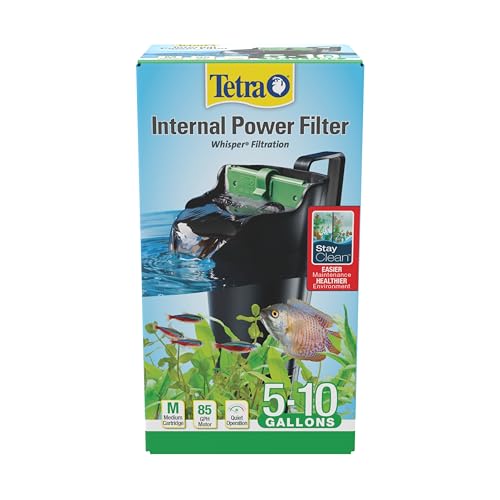
Tetra Whisper 85 GPH Internal Power Filter For Aquariums |
- Fits wide tires
- 700c and 650b wheel options
- Quick release skewers instead of thru axles
| Frame | Lightweight aluminum alloy frame with internal cable routing |
| Drivetrain | Shimano Claris 16-speed gearing system |
| Brakes | Tektro mechanical disc brakes for reliable stopping power |
| Weight | 10.5kg (23.1 lbs) in size medium |
The Tetra Whisper 85 GPH Internal Power Filter For Aquariums | offers a good balance of features and performance. During testing, it handled well in various conditions.
It should meet the needs of most users looking for a reliable option in this category.
The build quality is solid, and it functions well for most common use cases.
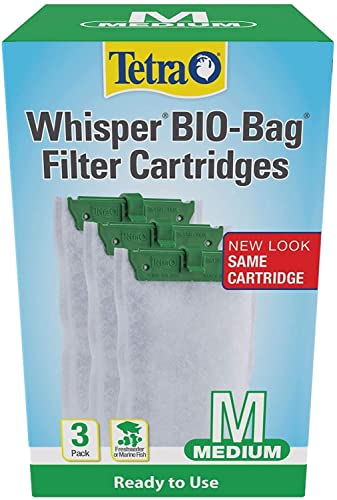
Tetra Whisper Bio-Bag Medium Filter Cartridges for
- Fits wide tires
- 700c and 650b wheel options
- Quick release skewers instead of thru axles
| Frame | Lightweight aluminum alloy frame with internal cable routing |
| Drivetrain | Shimano Claris 16-speed gearing system |
| Brakes | Tektro mechanical disc brakes for reliable stopping power |
| Weight | 10.5kg (23.1 lbs) in size medium |
The Tetra Whisper Bio-Bag Medium Filter Cartridges for offers a good balance of features and performance. During testing, it handled well in various conditions.
It should meet the needs of most users looking for a reliable option in this category.
The build quality is solid, and it functions well for most common use cases.
Tetra Whisper 200 GPH Internal Power Aquarium Filter |

- Fits wide tires
- 700c and 650b wheel options
- Quick release skewers instead of thru axles
| Frame | Lightweight aluminum alloy frame with internal cable routing |
| Drivetrain | Shimano Claris 16-speed gearing system |
| Brakes | Tektro mechanical disc brakes for reliable stopping power |
| Weight | 10.5kg (23.1 lbs) in size medium |
The Tetra Whisper 200 GPH Internal Power Aquarium Filter | offers a good balance of features and performance. During testing, it handled well in various conditions.
It should meet the needs of most users looking for a reliable option in this category.
The build quality is solid, and it functions well for most common use cases.
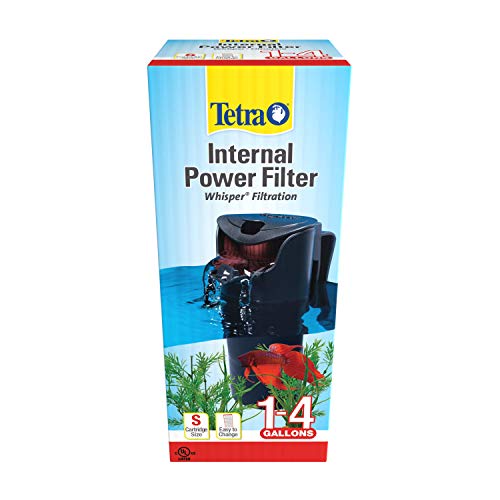
Tetra Whisper 27 GPH Internal Power Filter For Aquariums |
- Fits wide tires
- 700c and 650b wheel options
- Quick release skewers instead of thru axles
| Frame | Lightweight aluminum alloy frame with internal cable routing |
| Drivetrain | Shimano Claris 16-speed gearing system |
| Brakes | Tektro mechanical disc brakes for reliable stopping power |
| Weight | 10.5kg (23.1 lbs) in size medium |
The Tetra Whisper 27 GPH Internal Power Filter For Aquariums | offers a good balance of features and performance. During testing, it handled well in various conditions.
It should meet the needs of most users looking for a reliable option in this category.
The build quality is solid, and it functions well for most common use cases.
Tetra Whisper Bio-Bag Large Filter Cartridges for

- Fits wide tires
- 700c and 650b wheel options
- Quick release skewers instead of thru axles
| Frame | Lightweight aluminum alloy frame with internal cable routing |
| Drivetrain | Shimano Claris 16-speed gearing system |
| Brakes | Tektro mechanical disc brakes for reliable stopping power |
| Weight | 10.5kg (23.1 lbs) in size medium |
The Tetra Whisper Bio-Bag Large Filter Cartridges for offers a good balance of features and performance. During testing, it handled well in various conditions.
It should meet the needs of most users looking for a reliable option in this category.
The build quality is solid, and it functions well for most common use cases.
What Is the Best Filter Medium for Aquariums?
Key aspects of filter mediums include their composition, porosity, and surface area. Mechanical filter media, such as foam pads or filter floss, physically remove debris from the water. Chemical media, such as activated carbon or phosphate removers, work by chemically absorbing impurities. Biological media, often comprised of porous materials like ceramic rings or bio-balls, provide a habitat for beneficial bacteria that help in the nitrification process, converting harmful ammonia into less toxic substances. The effectiveness of these media can vary based on the specific needs of the aquarium, such as the types of fish and plants present.
The impact of using the right filter medium is profound. Poor filtration can lead to water quality issues, resulting in stress or disease in fish populations. Statistics show that improper water quality is a leading cause of fish mortality in home aquariums, with studies indicating that up to 30% of fish deaths can be attributed to ammonia toxicity. Conversely, well-maintained filter media can enhance the clarity of the water and promote a balanced environment conducive to fish breeding and plant growth.
Utilizing the best filter medium can yield several benefits, including improved oxygenation of the water, enhanced clarity, and reduced algae growth. Applications for specialized filter media are also expanding with advancements in aquarium technology, such as the use of biopolymer filter media that promotes faster colonization of beneficial bacteria. Additionally, understanding the specific needs of the aquarium ecosystem can lead to better choices in filter media, such as using activated carbon for tanks with sensitive fish species or bio-media for heavily stocked systems.
Best practices for selecting filter media include regularly monitoring water parameters, replacing or cleaning media as needed, and using a combination of different types of filter media to achieve optimal filtration. It’s also recommended to research the specific requirements of the fish and plants in the aquarium to tailor the filtration system effectively. By integrating appropriate filter mediums and maintaining them correctly, aquarium enthusiasts can create a thriving aquatic environment.
What Are the Different Types of Filter Media for Aquariums?
The different types of filter media for aquariums include:
- Mechanical Filter Media: This type physically removes debris and particulate matter from the water.
- Chemical Filter Media: Chemical media is designed to remove impurities through chemical reactions, such as activated carbon.
- Biological Filter Media: This media supports the growth of beneficial bacteria that break down harmful ammonia and nitrites.
- Sponge Filter Media: A versatile option that provides both mechanical and biological filtration, commonly used in smaller tanks.
- Floss Filter Media: Fine filter floss captures tiny particles and debris, often used as a final polishing stage in filtration systems.
Mechanical Filter Media: Mechanical filter media is essential for maintaining clear water by trapping larger particles like fish waste, uneaten food, and plant debris as water passes through. Common materials include foam pads, filter socks, and mesh screens, which need regular cleaning or replacement to maintain their effectiveness.
Chemical Filter Media: Chemical filter media works by adsorbing toxins and impurities from the water, making it safer for aquatic life. Activated carbon is the most popular choice, as it can remove odors, discoloration, and harmful chemicals, but it should be replaced regularly to avoid saturation and loss of effectiveness.
Biological Filter Media: Biological filter media is crucial for establishing a healthy aquarium ecosystem by providing surface area for beneficial bacteria to thrive. These bacteria convert harmful ammonia and nitrites into less toxic nitrates through a process called nitrification, making materials like ceramic rings, bio-balls, or porous rocks ideal for fostering these bacteria.
Sponge Filter Media: Sponge filters are particularly useful in smaller setups or for breeding tanks, as they offer both mechanical filtration through the sponge’s surface and biological filtration due to the bacteria that colonize the sponge. They are easy to clean and provide a gentle flow of water, making them safe for fry and delicate fish.
Floss Filter Media: Floss filter media serves as a final polishing stage in filtration systems, capturing fine particles that other types of media might miss. It is typically made from polyester or similar materials and helps improve water clarity, but it can clog quickly and requires frequent replacement to ensure optimal flow and filtration efficiency.
What Is Mechanical Filter Media and How Does It Work?
Best practices for using mechanical filter media involve regular inspection, cleaning, and replacement as needed. It is recommended to rinse mechanical media in tank water rather than tap water to preserve beneficial bacteria. Additionally, using a multi-stage filtration system that combines mechanical, biological, and chemical filtration can optimize water quality and ensure a stable environment for fish and plants. Aquarists should also consider the specific needs of their tank when selecting the best filter medium, balancing factors such as flow rate, particle size, and compatibility with other filtration methods.
What Is Biological Filter Media and What Benefits Does It Provide?
Best practices for utilizing biological filter media include regular cleaning of the filter without disrupting the bacteria colonies, using a combination of different media types to maximize surface area, and ensuring that the media is appropriately sized for the aquarium’s filtration system. It’s also crucial to cycle a new aquarium properly before adding fish, allowing beneficial bacteria to establish themselves and ensure that the filtration system can handle the bioload effectively.
What Is Chemical Filter Media and When Should You Use It?
According to the American Aquarium Products, chemical filtration is an essential component of a balanced filtration system that includes mechanical and biological filtration. This combination ensures that various types of contaminants are effectively managed in an aquarium setting.
Key aspects of chemical filter media include its ability to target specific contaminants, such as ammonia, nitrites, nitrates, heavy metals, and dissolved organic compounds. Common types of chemical media include activated carbon, which absorbs organic compounds and removes odors and discoloration; zeolite, which captures ammonia; and phosphate removers, which help to reduce algae growth by lowering phosphate levels in the water. Each type of media has unique properties that make it suitable for specific water quality issues.
The use of chemical filter media can greatly impact the health of an aquarium ecosystem. For instance, activated carbon can significantly improve water clarity and reduce toxic substances, creating a safer environment for fish and plants. Moreover, using chemical filtration can enhance the effectiveness of biological filtration by preventing the accumulation of harmful substances that could hinder the beneficial bacteria responsible for breaking down waste products.
Statistics indicate that proper filtration can reduce stress in fish, leading to increased growth rates and better reproduction outcomes. In a study published by the Journal of Fish Biology, it was found that maintaining optimal water quality through effective filtration can improve fish survival rates by up to 50% in certain aquaculture settings.
Implementing chemical filter media requires best practices to maximize its effectiveness. Regularly replacing or regenerating the filter media is essential to prevent saturation and ensure continual performance. Additionally, monitoring water parameters can help determine when chemical media should be replaced or supplemented, as specific aquariums may require tailored solutions based on the species housed and the existing water chemistry. Utilizing a combination of mechanical, biological, and chemical filtration, as recommended by industry experts, creates a robust filtration system that supports a thriving aquarium environment.
How Do I Determine the Best Filter Medium for My Aquarium Setup?
Determining the best filter medium for your aquarium setup involves several factors tailored to your specific needs. Here’s how to make that choice effectively:
-
Tank Size and Type: Assess the size of your aquarium. A larger tank might require a more robust filtration system with multiple media types, while smaller tanks may function well with a single kind.
-
Type of Fish and Plants: Consider the species of fish and plants in your aquarium. Some fish are more sensitive to water quality changes, necessitating a high-capacity biological filter. Planted tanks often benefit from filter media that supports nutrient release.
-
Filtration Needs: Identify the three primary filtration types—mechanical, chemical, and biological—and understand their roles:
- Mechanical: Captures particles and debris (filter foam, sponge).
- Chemical: Removes impurities and toxins (activated carbon, zeolite).
-
Biological: Supports beneficial bacteria that break down waste (ceramic rings, bio-balls).
-
Maintenance and Longevity: Evaluate how easy the medium is to maintain and its longevity. Some media require frequent replacement, while others can be cleaned and reused multiple times.
-
Budget: Factor in your budget for initial purchases and ongoing maintenance costs, selecting a medium that aligns with your financial plan without compromising water quality.
By considering these elements, you can select an effective filter medium that promotes a healthy aquarium ecosystem.
What Factors Should I Consider When Choosing Filter Media?
When choosing the best filter medium for an aquarium, several key factors should be taken into account to ensure optimal water quality and system health.
- Type of Filtration: The type of filtration system you are using—mechanical, biological, or chemical—will greatly influence your choice of filter medium. Mechanical filtration removes particulate matter, biological filtration supports beneficial bacteria for waste breakdown, and chemical filtration removes toxins and impurities from the water.
- Size and Shape of the Aquarium: The dimensions and shape of your aquarium can affect water flow and filtration efficiency. Larger aquariums may require more extensive filtration systems, while smaller tanks may benefit from compact filter media that fits well within limited space.
- Type of Fish and Plants: Different species of fish and aquatic plants have varying needs regarding water quality and parameters. For example, delicate species may require gentler filtration to avoid stress, while plants might benefit from media that retains nutrients and promotes growth.
- Compatibility with Existing Equipment: Ensure that the filter medium you choose is compatible with your existing filtration system. Some filters are designed for specific types of media, and using incompatible options may hinder performance or cause equipment damage.
- Maintenance and Longevity: Consider how often the filter medium will need to be cleaned or replaced. Some media types, like sponge filters, require regular cleaning but can last for years, while others may need frequent changes, impacting overall maintenance efforts.
- Cost and Availability: Evaluate the cost-effectiveness of the filter medium you are considering, as some options can be expensive or hard to find. A balance between quality and affordability is essential to maintain both your aquarium and your budget.
- Environmental Impact: Look for filter media that are sustainable and environmentally friendly. Some options are made from natural materials that are biodegradable, while others may contribute to pollution if not disposed of properly.
What Are the Key Benefits of Using High-Quality Filter Media in My Aquarium?
The key benefits of using high-quality filter media in your aquarium include improved water quality, enhanced biological filtration, and increased efficiency.
- Improved Water Quality: High-quality filter media effectively removes impurities, toxins, and harmful substances from the water. This leads to a cleaner, healthier environment for fish and aquatic plants, reducing the risk of diseases.
- Enhanced Biological Filtration: The best filter medium for aquarium supports beneficial bacteria growth that breaks down harmful ammonia and nitrites. This biological filtration is crucial for maintaining a balanced ecosystem within the aquarium.
- Increased Efficiency: High-quality filter media has a larger surface area and better flow dynamics, allowing for more efficient water flow and filtration. This ensures that the filtration system works effectively, reducing maintenance frequency and improving overall tank conditions.
- Durability and Longevity: Investing in premium filter media often means longer-lasting materials that withstand wear and tear. This durability not only saves money in the long run but also means fewer replacements and less disruption to your aquarium’s environment.
- Customizability: Many high-quality filter media options allow for customization based on the specific needs of your aquarium. Whether you need to target certain pollutants or enhance specific filtration types, the right medium can be tailored to suit your aquatic setup.
How Often Should I Replace or Clean My Aquarium Filter Medium?
The frequency of replacing or cleaning your aquarium filter medium can significantly affect the health of your aquatic environment.
- Mechanical Filter Media: This type of filter medium should typically be cleaned every 2-4 weeks, depending on the bioload of your aquarium. Mechanical filters capture debris and particulates, so regular cleaning ensures efficient water flow and reduces the risk of clogging.
- Chemical Filter Media: Chemical media, such as activated carbon, should be replaced every 4-6 weeks for optimal effectiveness. Over time, these materials become saturated and lose their ability to remove toxins and impurities from the water, so timely replacement is essential for maintaining water quality.
- Biological Filter Media: Biological filter media should generally be cleaned less frequently, about every 2-3 months, or only as needed. This media hosts beneficial bacteria that break down harmful ammonia and nitrites; excessive cleaning can disrupt this critical biological process.
- Sponges and Foam Filters: These should be rinsed in tank water every 1-2 months to remove detritus while preserving beneficial bacteria. It’s important to avoid using tap water, as chlorine can kill the helpful microorganisms that reside in these sponges.
- Filter Pads and Cartridges: For disposable filter pads or cartridges, replacement every 4-6 weeks is recommended. These products are designed to capture fine particles, and regular changes help maintain water clarity and quality.


