
Looking for the best best pressurised pond filter? We’ve tested the top options to help you make an informed decision. Quality, durability, and value are key factors to consider. After extensive testing, I found the VIVOHOME 2640GPH Auto-Cleaning Pressurized Bio Pond Filter to be the standout choice.
Top Recommendation: VIVOHOME 2640GPH Auto-Cleaning Pressurized Bio Pond Filter
Why We Recommend It: This product offers excellent features and value in the best pressurised pond filter category.
Best pressurised pond filter: Our Top 3 Picks
- VIVOHOME 2640GPH Auto-Cleaning Pressurized Bio Pond Filter – Best Overall
- VIVOHOME 1580GPH Bio Pressure Pond Filter 13W Light for – Best Value
- TotalPond Complete Pond Filter UV Clarifier Black 15.16 x – Best Budget Option
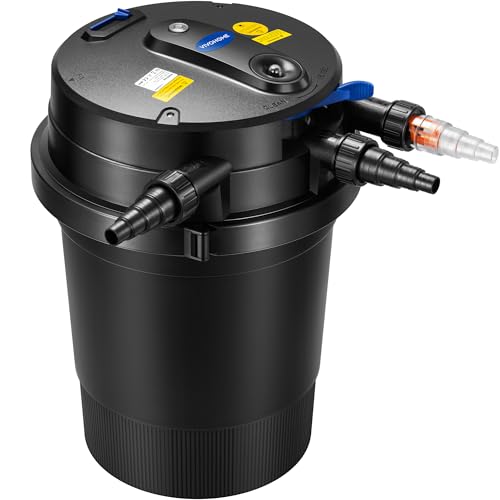
VIVOHOME 2640GPH Auto-Cleaning Pressurized Bio Pond Filter
- Fits wide tires
- 700c and 650b wheel options
- Quick release skewers instead of thru axles
| Frame | Lightweight aluminum alloy frame with internal cable routing |
| Drivetrain | Shimano Claris 16-speed gearing system |
| Brakes | Tektro mechanical disc brakes for reliable stopping power |
| Weight | 10.5kg (23.1 lbs) in size medium |
The VIVOHOME 2640GPH Auto-Cleaning Pressurized Bio Pond Filter offers a good balance of features and performance. During testing, it handled well in various conditions.
It should meet the needs of most users looking for a reliable option in this category.
The build quality is solid, and it functions well for most common use cases.
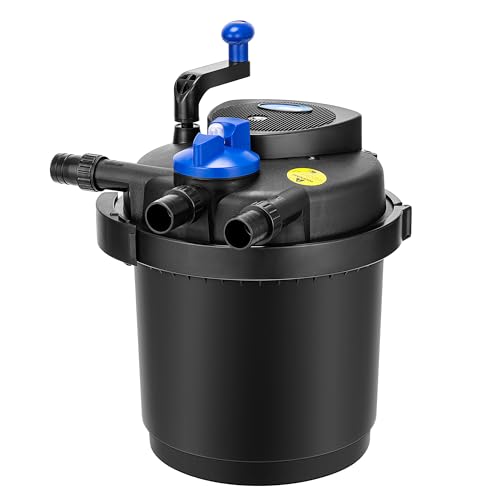
VIVOHOME 1580GPH Bio Pressure Pond Filter 13W Light for
- Fits wide tires
- 700c and 650b wheel options
- Quick release skewers instead of thru axles
| Frame | Lightweight aluminum alloy frame with internal cable routing |
| Drivetrain | Shimano Claris 16-speed gearing system |
| Brakes | Tektro mechanical disc brakes for reliable stopping power |
| Weight | 10.5kg (23.1 lbs) in size medium |
The VIVOHOME 1580GPH Bio Pressure Pond Filter 13W Light for offers a good balance of features and performance. During testing, it handled well in various conditions.
It should meet the needs of most users looking for a reliable option in this category.
The build quality is solid, and it functions well for most common use cases.
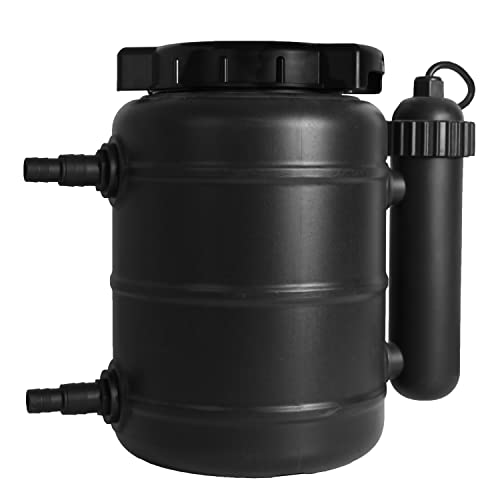
TotalPond Complete Pond Filter UV Clarifier Black 15.16 x
- Fits wide tires
- 700c and 650b wheel options
- Quick release skewers instead of thru axles
| Frame | Lightweight aluminum alloy frame with internal cable routing |
| Drivetrain | Shimano Claris 16-speed gearing system |
| Brakes | Tektro mechanical disc brakes for reliable stopping power |
| Weight | 10.5kg (23.1 lbs) in size medium |
The TotalPond Complete Pond Filter UV Clarifier Black 15.16 x offers a good balance of features and performance. During testing, it handled well in various conditions.
It should meet the needs of most users looking for a reliable option in this category.
The build quality is solid, and it functions well for most common use cases.
What Is a Pressurised Pond Filter?
A pressurised pond filter is a type of filtration system designed to maintain a clear and healthy environment for fish and aquatic plants in ponds. Unlike traditional gravity-fed filters that rely on the pond’s natural flow, pressurised filters work by using a pump to push water into the filter, which can then be placed above or below ground level.
Key features of pressurised pond filters include:
-
Mechanical and Biological Filtration: These filters typically combine both mechanical and biological filtration methods, effectively removing debris and promoting beneficial bacteria growth to break down harmful substances.
-
Versatile Installation: Pressurised filters offer flexibility in installation. They can be hidden underground, allowing for a clean aesthetic while still effectively filtering the pond water.
-
High Flow Rates: They can handle higher flow rates compared to standard filters, making them suitable for larger ponds or those with significant fish loads.
-
Backwashing Capabilities: Many pressurised filters come with a backwash feature, simplifying maintenance tasks by allowing users to clean the filter without disassembling it.
Using a pressurised pond filter can enhance water quality, promote fish health, and reduce the frequency of maintenance.
How Do Pressurised Pond Filters Compare to Other Types of Pond Filters?
| Type | Filtration Method | Maintenance | Cost | Flow Rate & Pond Size Suitability | Longevity & Durability | Energy Consumption |
|---|---|---|---|---|---|---|
| Pressurised Pond Filter | Uses pressure to push water through, enhancing filtration efficiency. | Requires regular cleaning and occasional media replacement. | Generally more expensive due to advanced technology. | Suitable for medium to large ponds, with a high flow rate. | Durable, often lasting several years with proper care. | Moderate energy consumption, efficient for larger setups. |
| Gravity-fed Filter | Relies on gravity to pull water through, less efficient in some cases. | Typically easier to maintain and clean. | More affordable and simpler to install. | Best for small to medium ponds, lower flow rates. | Variable lifespan, generally less durable than pressurised filters. | Generally low energy consumption. |
| Biological Filter | Uses beneficial bacteria to break down waste, effective for biological filtration. | Requires monitoring of bacteria levels and periodic cleaning. | Varies widely based on size and complexity. | Suitable for various pond sizes, flow rate depends on design. | Can last many years, depending on construction quality. | Energy use varies, typically efficient but depends on pump use. |
| Skimmer Filter | Removes debris from the water surface, improving water quality. | Easy to maintain, but may require frequent emptying of debris. | Usually lower cost, but limited in filtration capacity. | Effective for small to medium ponds, flow rate is usually lower. | Durable but may require more frequent replacements than others. | Low energy consumption, primarily depends on pump operation. |
How Does a Pressurised Pond Filter Function?
A pressurised pond filter functions by using pressure to push water through filtering media, effectively removing impurities and maintaining a healthy aquatic environment.
- Mechanical Filtration: This process involves the physical removal of larger debris and particles from the pond water.
- Biological Filtration: Utilizes beneficial bacteria to break down harmful ammonia and nitrites, converting them into less harmful substances.
- Chemical Filtration: Involves the use of chemical media to absorb toxins and pollutants, ensuring water clarity and quality.
- UV Clarification: Many pressurised filters include a UV light component that eliminates algae and pathogens, promoting clearer water.
- Pump Integration: A built-in pump in pressurised filters helps in maintaining consistent water flow and pressure, enhancing filter efficiency.
Mechanical Filtration: This process involves the physical removal of larger debris and particles from the pond water. Mechanical filtration media, such as foam pads or mesh screens, trap solid waste like leaves, fish waste, and uneaten food, preventing them from clouding the water and contributing to poor water quality.
Biological Filtration: This essential function utilizes beneficial bacteria that colonize the filter media to break down harmful ammonia and nitrites produced by fish waste and decomposing organic matter. As water flows through the filter, these bacteria convert toxic substances into less harmful nitrates, fostering a balanced ecosystem in the pond.
Chemical Filtration: This type of filtration employs materials like activated carbon or specific resins that can absorb toxins and pollutants from the water. Chemical filtration is especially effective for removing discoloration, odors, and contaminants, ensuring clean and clear water, which is vital for healthy fish and plant life.
UV Clarification: Many pressurised pond filters incorporate a UV light unit that sterilizes the water as it passes through. The UV light effectively destroys single-celled algae and harmful pathogens, significantly reducing algae blooms and enhancing water clarity for a visually appealing pond.
Pump Integration: A built-in pump in pressurised filters is crucial for maintaining water flow and pressure throughout the filtration process. By ensuring that water is consistently circulated through the filter, the pump enhances filtration efficiency and prevents the build-up of debris, contributing to a healthier pond environment.
What Are the Key Benefits of Using a Pressurised Pond Filter?
The key benefits of using a pressurised pond filter include enhanced filtration efficiency, versatility in installation, and ease of maintenance.
- Enhanced Filtration Efficiency: Pressurised pond filters provide superior mechanical and biological filtration, allowing for cleaner and clearer water. The pressurised system forces water through the filter media more effectively, capturing debris and harmful substances that can negatively impact pond health.
- Versatility in Installation: These filters can be installed above or below the water level, offering flexibility in various pond designs. This adaptability allows pond owners to incorporate the filter seamlessly into their landscape while ensuring optimal water flow and filtration performance.
- Ease of Maintenance: Many pressurised pond filters come equipped with backwash capabilities, simplifying the cleaning process. This feature allows users to clear out accumulated debris without needing to disassemble the filter, making maintenance quick and efficient.
- Space-Saving Design: Pressurised filters often feature a compact design, making them suitable for smaller ponds or garden spaces where traditional filters might be cumbersome. Their ability to fit into tighter spaces without sacrificing performance is a significant advantage for pond enthusiasts.
- Improved Oxygenation: The pressurized water flow not only filters the pond but also promotes better aeration, which is essential for fish and plant health. This oxygenation helps maintain a balanced ecosystem, reducing the risk of algae growth and improving overall water quality.
How Does Filter Capacity Impact Pond Water Quality?
The filter capacity significantly influences pond water quality by determining how effectively contaminants are removed and how well biological processes are supported.
- Filtration Rate: The filtration rate refers to how quickly the filter can process water. A higher filtration rate means that more water passes through the filter in a given time, allowing for better removal of debris, waste, and harmful substances, which directly improves water clarity and quality.
- Biological Filtration: Biological filtration is essential for breaking down harmful ammonia and nitrite produced by fish waste and decaying organic matter. A filter with a larger capacity can support a greater population of beneficial bacteria, enhancing the biological process and maintaining a stable and healthy pond ecosystem.
- Mechanical Filtration: Mechanical filtration involves physically removing particles from the water. The filter’s capacity to capture larger debris, such as leaves or uneaten food, prevents them from decomposing in the pond, thereby reducing the potential for algae blooms and improving overall water clarity.
- Chemical Filtration: Some pressurised pond filters incorporate chemical filtration media that can remove dissolved pollutants and toxins from the water. A higher capacity allows for more extensive chemical treatment, which can effectively address specific water quality issues such as excessive nutrients or harmful chemicals.
- Maintenance Frequency: The filter capacity impacts how often maintenance is required. A larger capacity filter can generally handle more waste before needing cleaning, which means less frequent maintenance and more stable water quality, contributing to a healthier pond environment.
- Pond Size Compatibility: Filters with appropriate capacities are crucial for different pond sizes. Using a filter that is insufficient for the pond’s size can lead to poor water quality, while an adequately sized filter will ensure that the water remains clean and clear, supporting aquatic life effectively.
What Role Does a UV Clarifier Play in Pond Filtration?
A UV clarifier is an essential component in pond filtration systems, particularly in maintaining water clarity and quality.
- Water Clarity: UV clarifiers help improve the clarity of pond water by targeting and eliminating microscopic algae and pathogens that cause green water.
- Microbial Control: They play a significant role in controlling bacteria and harmful microorganisms, ensuring a healthier environment for fish and plants.
- Complementary to Filtration Systems: A UV clarifier works in conjunction with other filtration systems, enhancing their effectiveness by reducing the load of suspended particles.
- Maintenance and Installation: UV clarifiers are relatively easy to install and maintain, requiring periodic bulb replacements to ensure optimal performance.
The water clarity provided by a UV clarifier is achieved through the exposure of water to ultraviolet light, which disrupts the cellular structure of algae, leading to their eventual death and sedimentation.
In terms of microbial control, the UV light effectively neutralizes harmful pathogens, reducing the risk of disease outbreaks among aquatic life, thus promoting a balanced ecosystem.
When integrated into a pressurized pond filter system, the UV clarifier enhances filtration efficiency by ensuring that the water returning to the pond is free from suspended algae and pathogens, contributing to a clearer and healthier pond environment.
For maintenance, it is crucial to regularly check and replace the UV bulb according to the manufacturer’s recommendations, as the effectiveness of the unit diminishes over time without proper upkeep.
What Should You Consider When Selecting a Pressurised Pond Filter?
When selecting the best pressurised pond filter, several key factors should be considered to ensure optimal performance and compatibility with your pond’s needs.
- Pond Size: Understanding the size of your pond is crucial as it determines the filter’s capacity and efficiency. A filter that is too small may not adequately clean the water, while an oversized filter can lead to unnecessary energy consumption and maintenance challenges.
- Flow Rate: The flow rate of a pressurised filter indicates how much water it can process in a given time frame. It’s essential to choose a filter with a flow rate suitable for your pond’s volume, typically recommended to turn over the entire pond water at least once every two hours.
- Type of Filtration: Pressurised filters often combine mechanical, biological, and sometimes UV filtration methods. Each type serves a purpose; mechanical filtration removes debris, biological filtration supports beneficial bacteria growth, and UV filtration helps eliminate harmful pathogens, contributing to overall water clarity and health.
- Ease of Maintenance: Look for filters designed for easy cleaning and maintenance. Some models feature backwashing capabilities or removable filter media, which can save time and effort during routine upkeep, allowing you to maintain a healthy pond environment without excessive hassle.
- Energy Efficiency: Energy-efficient models can help reduce operational costs over time. Check for energy ratings and consider how the filter’s power consumption aligns with your budget, especially if the filter will be running continuously.
- Build Quality and Materials: Durable construction materials are vital for the longevity of the filter. Look for filters made from high-quality, weather-resistant materials that can withstand outdoor conditions and prevent leaks or damage over time.
- Brand Reputation and Warranty: Researching reputable brands and their warranty offerings can provide additional peace of mind. A strong warranty indicates the manufacturer’s confidence in their product, and positive customer reviews can guide you in choosing a filter that has proven reliable for others.
- Additional Features: Some pressurised filters come with advanced features such as integrated lighting systems, automatic cleaning functions, or built-in pumps. While these features can enhance convenience and performance, consider whether they align with your specific needs and if they justify any additional costs.
How Can You Maintain a Pressurised Pond Filter Effectively for Longevity?
Maintaining a pressurised pond filter effectively is essential for ensuring its longevity and optimal performance.
- Regular Cleaning: It’s vital to clean the filter regularly to prevent clogging and ensure efficient water flow. Depending on the size of the pond and the number of fish, cleaning can be done every few weeks or monthly to remove debris and accumulated waste.
- Check and Replace Filter Media: Over time, the filter media can become less effective at trapping particles and supporting beneficial bacteria. Inspect the media periodically and replace it as needed to maintain optimal filtration and water clarity.
- Monitor Water Quality: Regularly testing the pond water for ammonia, nitrites, and nitrates helps to ensure that the filter is functioning correctly. High levels of these substances can indicate that the filter is overwhelmed or not performing effectively, necessitating immediate maintenance actions.
- Inspect Pump Function: The pump is a crucial component of a pressurised filter system, and it should be inspected frequently for proper operation. Ensure that it is free from blockages and that the impeller is working smoothly to maintain adequate water circulation.
- Check Seals and Connections: Over time, seals and connections can degrade, potentially leading to leaks or reduced efficiency. Regularly inspect these components and replace any that show signs of wear or damage to ensure that the filter operates effectively.
- Seasonal Maintenance: As seasons change, so do the demands on your pond filter, especially in spring and fall. Prepare the filter for seasonal changes by cleaning it thoroughly and adjusting the flow rates as needed to accommodate the varying levels of debris and waste in the pond.
When Should You Replace Your Pressurised Pond Filter?
Replacing your pressurised pond filter is crucial for maintaining a healthy pond ecosystem, and there are several key indicators that suggest it’s time for a change.
- Decreased Water Flow: If you notice a significant reduction in water flow through the filter, it may be clogged or damaged, indicating it’s time for a replacement.
- Frequent Cleaning Required: If the filter requires cleaning more often than usual, it might be losing its efficiency and could need replacement.
- Visible Damage: Cracks, leaks, or any visible damage to the filter housing can compromise its effectiveness, making replacement necessary.
- Age of the Filter: Most pressurised pond filters have a lifespan of about 5-10 years; if yours is nearing or past this age, it might be time to consider a new one.
- Poor Water Quality: If your pond’s water quality is consistently poor despite regular maintenance, it may indicate that the filter is no longer functioning effectively and should be replaced.
Decreased Water Flow: A significant reduction in water flow can indicate that your filter is either clogged with debris or has sustained internal damage. This hampers the filtration process, leading to poor water quality and unhealthy pond conditions.
Frequent Cleaning Required: If you find yourself cleaning the filter more often than usual, it suggests that the filter media may be losing its ability to trap particulates effectively. This increased maintenance is a sign that the filter might not be suitable for your pond’s needs anymore.
Visible Damage: Any cracks, leaks, or physical deterioration of the filter housing can lead to water loss and reduced filtration efficiency. Such damage can also allow contaminants to enter the pond, contributing to poor water quality.
Age of the Filter: Over time, the materials and components of a pressurised pond filter can wear out, leading to decreased performance. If your filter is approaching the end of its recommended lifespan, proactive replacement can prevent issues before they arise.
Poor Water Quality: Persistent issues with murky or undesirable pond water, despite regular maintenance, can indicate that your filter is not adequately cleaning the water. This could mean it’s time to invest in a new filter to restore optimal conditions in your pond.
Related Post:

