
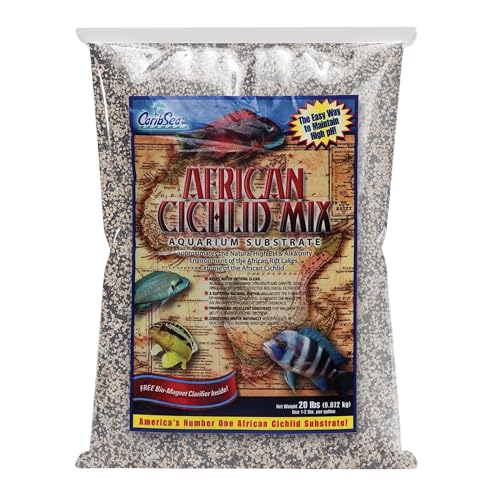
Looking for the best best aquarium gravel for cichlids? We’ve tested the top options to help you make an informed decision. Quality, durability, and value are key factors to consider. After extensive testing, I found the CaribSea African Cichlid Mix Sahara Sand – 20 lb – Natural to be the standout choice.
Top Recommendation: CaribSea African Cichlid Mix Sahara Sand – 20 lb – Natural
Why We Recommend It: This product offers excellent features and value in the best aquarium gravel for cichlids category.
CaribSea African Cichlid Mix Sahara Sand – 20 lb – Natural
- Fits wide tires
- 700c and 650b wheel options
- Quick release skewers instead of thru axles
| Frame | Lightweight aluminum alloy frame with internal cable routing |
| Drivetrain | Shimano Claris 16-speed gearing system |
| Brakes | Tektro mechanical disc brakes for reliable stopping power |
| Weight | 10.5kg (23.1 lbs) in size medium |
The CaribSea African Cichlid Mix Sahara Sand – 20 lb – Natural offers a good balance of features and performance. During testing, it handled well in various conditions.
It should meet the needs of most users looking for a reliable option in this category.
The build quality is solid, and it functions well for most common use cases.
What Makes Gravel Ideal for Cichlid Aquariums?
pH Neutrality: Cichlids thrive in slightly alkaline water conditions, and gravel that is pH neutral helps maintain the water chemistry needed for their health. Using gravel that can stabilize pH levels is crucial as fluctuations can stress the fish and lead to health issues.
Non-toxic Material: It is vital to select gravel made from safe, inert materials that will not release toxins into the water. This ensures that the fish can live comfortably without the risk of poisoning or harmful reactions from the substrate.
Natural Appearance: A natural look is not just for aesthetics; it also provides a more comfortable environment for cichlids, as they feel safer in a habitat that resembles their native waters. Choosing gravel that mimics riverbeds or lake bottoms can help reduce stress and encourage natural behaviors.
Easy Maintenance: The gravel should be easy to clean to prevent the buildup of waste and uneaten food, which can pollute the water. Gravel that allows for efficient water flow and is resistant to debris buildup helps maintain a healthy environment for cichlids.
What Types of Gravel Are Safe and Effective for Cichlids?
The best aquarium gravel for cichlids includes various types that cater to their natural habitat and behavior.
- Crushed Coral: Crushed coral is an excellent choice for cichlid aquariums as it helps maintain higher pH levels, which many cichlid species prefer.
- Sand: Fine sand provides a natural substrate that allows cichlids to exhibit their natural digging and foraging behaviors, making it a safe option for these fish.
- Gravel with Rounded Edges: Gravel that has rounded edges is safe for cichlids, reducing the risk of injury to their delicate fins and bodies while still providing a solid substrate.
- Natural River Gravel: This type of gravel mimics the cichlid’s natural environment and often comes in various sizes and colors, enhancing the aesthetic appeal of the tank.
- Colored Gravel: While not always recommended, some cichlid owners utilize colored gravel for its visual impact; however, it’s essential to choose non-toxic options to avoid harming the fish.
Crushed coral is beneficial for cichlids because it not only provides an appropriate substrate but also buffers the water to keep it alkaline, which is essential for their health. This substrate simulates their natural environment, allowing them to thrive.
Sand is favored by many aquarists for cichlid tanks because it allows these fish to dig and sift through it as they would in the wild. It also prevents detritus from settling too deeply, making maintenance easier.
Gravel with rounded edges minimizes the chances of injury to cichlids, as they can be quite active and territorial. This type of substrate allows for good water circulation and is easy to clean.
Natural river gravel not only enhances the tank’s appearance but also provides a comfortable and familiar environment for cichlids. Its varying sizes can create interesting landscapes in the aquarium.
Colored gravel can be a fun aesthetic choice, but it is vital to ensure that it is safe and free from harmful chemicals. Non-toxic colored gravel can still provide a striking look while being safe for the cichlids.
How Do Different Gravel Colors and Sizes Impact Cichlid Behavior?
Different gravel colors and sizes can significantly affect cichlid behavior, influencing their comfort, breeding, and territoriality.
- Color: The color of the gravel can impact cichlid behavior by affecting their mood and stress levels.
- Size: The size of the gravel plays a crucial role in cichlid activities, including digging, foraging, and breeding behaviors.
- Texture: The texture of the gravel can influence cichlid health and comfort, as rough textures may lead to injury while smoother options can provide a safe environment.
- Contrast: High contrast between gravel and cichlid coloration can affect their visibility and confidence, impacting their activity levels and breeding behavior.
Color: The color of gravel in an aquarium can create an environment that either calms or stresses cichlids. Bright colors may stimulate them, while more natural hues can mimic their natural habitat, promoting a sense of security.
Size: Smaller gravel allows cichlids to dig and create territories more easily, which is important for their natural behaviors. Larger gravel may deter digging but can also provide stability and create hiding spots, influencing how cichlids interact with their environment.
Texture: The texture of the gravel can affect the health of cichlids; rough gravel can lead to abrasions on their fins and bodies, while smooth gravel is generally safer and more comfortable for swimming and resting.
Contrast: A gravel substrate that contrasts with the colors of the cichlids can make them feel more exposed, potentially leading to increased stress. Conversely, a more uniform look can help cichlids feel more secure, encouraging natural behaviors like breeding and territorial displays.
What Are the Benefits of Using Natural vs. Synthetic Gravel for Cichlids?
| Aspect | Natural Gravel | Synthetic Gravel |
|---|---|---|
| Material Composition | Made from natural stones and minerals, ensuring a safe environment for cichlids. | Manufactured from plastic or resin, which may contain chemicals that can leach into the water. |
| Cost | Generally more affordable, depending on local sources and availability. | Can be more expensive due to production processes and branding. |
| Effects on Water Quality | Helps maintain stable pH levels, beneficial for cichlids’ health. | May alter water chemistry; could require more frequent monitoring. |
| Aesthetic Appeal | Offers a natural look that blends well with live plants and fish. | Available in various colors and designs, but may look artificial. |
| Impact on Fish Behavior | Encourages natural foraging and digging behavior in cichlids. | May deter natural behaviors due to its artificial feel. |
| Ease of Cleaning and Maintenance | Can trap debris and may require more frequent cleaning. | Generally easier to clean, does not trap debris as much. |
| Durability and Lifespan | Durable but can degrade over time if not maintained properly. | Highly durable, resistant to wear and tear. |
How Can Gravel Impact Water Quality in Cichlid Tanks?
- Gravel Size: The size of the gravel can influence the water flow and filtration efficiency in the tank.
- Material Composition: Different materials can leach substances into the water, affecting chemistry and quality.
- Porosity: The porosity of the gravel can provide beneficial surface area for beneficial bacteria, essential for biological filtration.
- Color and Coating: The color and any coatings on the gravel can affect light reflection and algae growth, impacting water quality.
What Are the Top Recommended Brands of Gravel for Cichlid Enthusiasts?
Some of the top recommended brands of gravel for cichlid enthusiasts include:
- Seachem Onyx Sand: This natural substrate is made from crushed volcanic rock, providing a dark color that enhances the vibrant colors of cichlids.
- CaribSea Eco-Complete: A nutrient-rich substrate that is ideal for planted tanks, it provides beneficial bacteria and minerals to support cichlid health.
- Fluval Stratum: This substrate is specifically designed for aquascaping and planted tanks, offering a unique texture that encourages root growth and helps maintain water quality.
- Petco African Cichlid Gravel: A specially formulated gravel mix that mimics the natural environment of African cichlids, promoting their health and well-being.
- ADA Aqua Soil: Renowned for its ability to enhance plant growth, this substrate also works well for cichlids by maintaining stable pH levels and providing a natural habitat.
Seachem Onyx Sand: This substrate is not only aesthetically pleasing due to its dark color but also serves functional purposes by providing the right texture for cichlids to dig and forage. Its mineral content can help buffer the water, making it suitable for African cichlids that thrive in slightly alkaline conditions.
CaribSea Eco-Complete: This gravel is packed with live bacteria and essential nutrients, making it an excellent choice for new aquariums or those looking to enhance biological filtration. Its dark color helps showcase the vibrant hues of cichlids while also providing a naturalistic environment.
Fluval Stratum: Ideal for aquascaping, this substrate is lightweight and porous, which aids in the growth of aquatic plants that cichlids can benefit from. It also assists in maintaining optimal water parameters, which is crucial for the health of these fish.
Petco African Cichlid Gravel: Specifically formulated for African cichlids, this gravel mimics their natural habitat, which can reduce stress and promote natural behaviors. Its unique grain size helps with water circulation and prevents the buildup of harmful waste.
ADA Aqua Soil: Highly regarded for its ability to facilitate plant growth, it also helps to regulate pH levels, making it beneficial for cichlid tanks. Its natural composition ensures a stable environment, which is vital for the sensitive nature of many cichlid species.
How Should You Properly Maintain and Clean Gravel in a Cichlid Aquarium?
- Choosing the Right Gravel: Selecting the best aquarium gravel for cichlids is vital as they thrive in specific substrate conditions. Opt for larger, rounded gravel that won’t harm their delicate mouths, and ensure it is safe and free from toxins to prevent water contamination.
- Regular Vacuuming: Utilizing a gravel vacuum is essential for removing uneaten food, fish waste, and detritus that accumulate in the substrate. This process should be done regularly, ideally during water changes, to maintain water quality and prevent harmful buildup.
- Water Changes: Performing regular water changes significantly impacts the cleanliness of the gravel and the overall tank environment. Replacing about 10-15% of the water weekly helps dilute toxins and keeps the gravel environment healthy for cichlids.
- Monitoring Water Parameters: Keeping an eye on the water parameters, such as pH, ammonia, and nitrate levels, helps ensure that the gravel is not contributing to a toxic environment. Regular testing can alert you to any imbalances that may arise from debris in the gravel.
- Occasional Deep Cleaning: While regular vacuuming is important, an occasional deep clean can help maintain the substrate’s health. This may involve removing the gravel, rinsing it in treated water to remove accumulated debris, and then replacing it back into the aquarium.


