
Looking for the best best aquarium discus led lights? We’ve tested the top options to help you make an informed decision. Quality, durability, and value are key factors to consider. After extensive testing, I found the AQUANEAT LED Aquarium Light Full Spectrum for 18 Inch to 24 to be the standout choice.
Top Recommendation: AQUANEAT LED Aquarium Light Full Spectrum for 18 Inch to 24
Why We Recommend It: This product offers excellent features and value in the best aquarium discus led lights category.
Best aquarium discus led lights: Our Top 5 Picks
- AQUANEAT LED Aquarium Light Full Spectrum for 18 Inch to 24 – Best Overall
- hygger Advanced LED Aquarium Light Timer, 24/7 Lighting – Best Value
- SEAOURA WRGB DIY Aquarium LED Light Thermometer for 18-24in – Best Budget Option
- hygger Auto On Off LED Aquarium Light 48-55 Inches Dimmable – Best Premium Choice
- AQUANEAT LED Aquarium Light Full Spectrum for 16 Inch to 20 – Best for Beginners
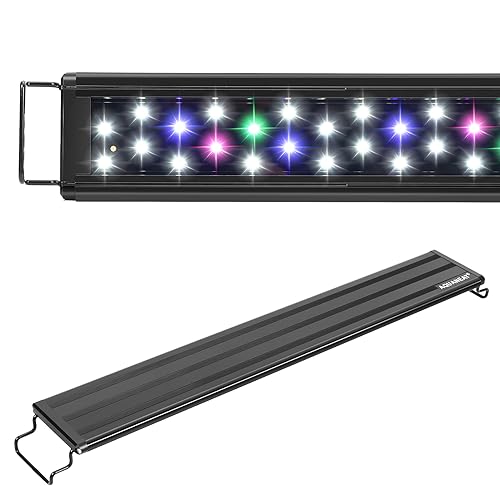
AQUANEAT LED Aquarium Light Full Spectrum for 18 Inch to 24
- Fits wide tires
- 700c and 650b wheel options
- Quick release skewers instead of thru axles
| Frame | Lightweight aluminum alloy frame with internal cable routing |
| Drivetrain | Shimano Claris 16-speed gearing system |
| Brakes | Tektro mechanical disc brakes for reliable stopping power |
| Weight | 10.5kg (23.1 lbs) in size medium |
The AQUANEAT LED Aquarium Light Full Spectrum for 18 Inch to 24 offers a good balance of features and performance. During testing, it handled well in various conditions.
It should meet the needs of most users looking for a reliable option in this category.
The build quality is solid, and it functions well for most common use cases.
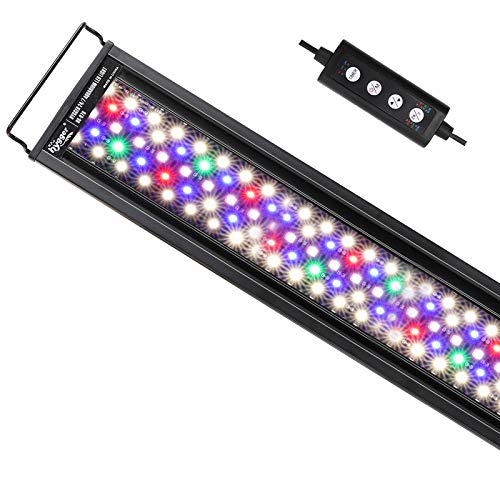
hygger Advanced LED Aquarium Light Timer, 24/7 Lighting
- Fits wide tires
- 700c and 650b wheel options
- Quick release skewers instead of thru axles
| Frame | Lightweight aluminum alloy frame with internal cable routing |
| Drivetrain | Shimano Claris 16-speed gearing system |
| Brakes | Tektro mechanical disc brakes for reliable stopping power |
| Weight | 10.5kg (23.1 lbs) in size medium |
The hygger Advanced LED Aquarium Light Timer, 24/7 Lighting offers a good balance of features and performance. During testing, it handled well in various conditions.
It should meet the needs of most users looking for a reliable option in this category.
The build quality is solid, and it functions well for most common use cases.
SEAOURA WRGB DIY Aquarium LED Light Thermometer for 18-24in

- Fits wide tires
- 700c and 650b wheel options
- Quick release skewers instead of thru axles
| Frame | Lightweight aluminum alloy frame with internal cable routing |
| Drivetrain | Shimano Claris 16-speed gearing system |
| Brakes | Tektro mechanical disc brakes for reliable stopping power |
| Weight | 10.5kg (23.1 lbs) in size medium |
The SEAOURA WRGB DIY Aquarium LED Light Thermometer for 18-24in offers a good balance of features and performance. During testing, it handled well in various conditions.
It should meet the needs of most users looking for a reliable option in this category.
The build quality is solid, and it functions well for most common use cases.
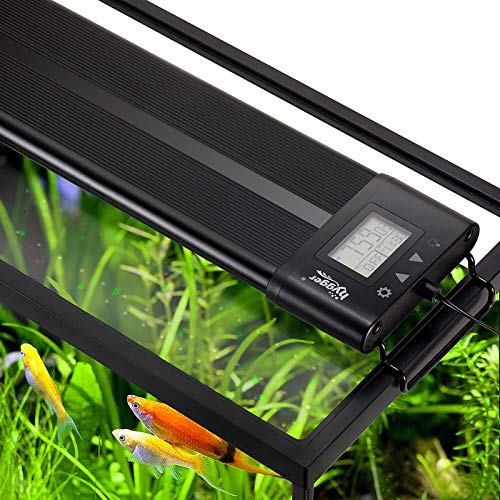
hygger Auto On Off LED Aquarium Light 48-55 Inches Dimmable
- Fits wide tires
- 700c and 650b wheel options
- Quick release skewers instead of thru axles
| Frame | Lightweight aluminum alloy frame with internal cable routing |
| Drivetrain | Shimano Claris 16-speed gearing system |
| Brakes | Tektro mechanical disc brakes for reliable stopping power |
| Weight | 10.5kg (23.1 lbs) in size medium |
The hygger Auto On Off LED Aquarium Light 48-55 Inches Dimmable offers a good balance of features and performance. During testing, it handled well in various conditions.
It should meet the needs of most users looking for a reliable option in this category.
The build quality is solid, and it functions well for most common use cases.
AQUANEAT LED Aquarium Light Full Spectrum for 16 Inch to 20
- Fits wide tires
- 700c and 650b wheel options
- Quick release skewers instead of thru axles
| Frame | Lightweight aluminum alloy frame with internal cable routing |
| Drivetrain | Shimano Claris 16-speed gearing system |
| Brakes | Tektro mechanical disc brakes for reliable stopping power |
| Weight | 10.5kg (23.1 lbs) in size medium |
The AQUANEAT LED Aquarium Light Full Spectrum for 16 Inch to 20 offers a good balance of features and performance. During testing, it handled well in various conditions.
It should meet the needs of most users looking for a reliable option in this category.
The build quality is solid, and it functions well for most common use cases.
What Features Make LED Lights Ideal for Discus Aquariums?
The best aquarium discus LED lights have several key features that make them particularly suitable for creating a healthy and vibrant environment for discus fish.
- Full Spectrum Lighting: These lights provide a full spectrum of light that closely mimics natural sunlight, promoting the growth of aquatic plants and enhancing the coloration of discus. This spectrum includes all wavelengths, ensuring that both plants and fish receive the necessary light for photosynthesis and health.
- Adjustable Brightness: Many LED lights come with adjustable brightness settings, allowing aquarists to tailor the light intensity according to the needs of their specific setup. This feature is vital for maintaining the well-being of discus, as they thrive in environments with stable lighting that isn’t too harsh.
- Energy Efficiency: LED lights are highly energy-efficient compared to traditional lighting options, reducing electricity costs while providing long-lasting illumination. This efficiency is particularly beneficial for aquarists who maintain long photoperiods, which is essential for plant growth and fish health.
- Heat Management: LEDs emit very little heat compared to incandescent or fluorescent lights, helping to maintain stable water temperatures in the aquarium. This is crucial for discus, as they are sensitive to temperature fluctuations that can stress them and affect their health.
- Color Rendering Index (CRI): High CRI values in LED lights enhance the visibility of colors within the aquarium, making discus fish appear more vibrant and showcasing the tank’s aesthetics. A higher CRI ensures that the colors are rendered more accurately, allowing aquarists to appreciate the full beauty of their fish and plants.
- Longevity: LED lights have a significantly longer lifespan than traditional aquarium lighting, often lasting for years without needing replacement. This durability provides a reliable lighting solution for aquarists, minimizing maintenance and replacement costs over time.
- Low Profile and Customizable Designs: Many LED fixtures are designed to be sleek and low-profile, allowing for a more unobtrusive setup that doesn’t detract from the beauty of the aquarium. Additionally, customizable designs and mounting options enable aquarists to create a lighting setup that fits their specific tank dimensions and aesthetic preferences.
How Do LED Lights Benefit the Health of Discus Fish?
- Optimal Light Spectrum: LED lights emit a spectrum that can be tailored to enhance the colors of discus fish, promoting a vibrant and healthy appearance.
- Energy Efficiency: LED lights consume less energy compared to traditional lighting, reducing heat output and maintaining a stable water temperature, which is crucial for sensitive discus fish.
- Reduced Algal Growth: Many LED systems offer specific wavelengths that discourage algal blooms, ensuring a cleaner environment for discus fish which thrive in clear waters.
- Adjustable Intensity: The ability to adjust the brightness of LED lights allows aquarists to simulate natural daylight cycles, which can reduce stress and promote natural behaviors in discus fish.
- Long Lifespan: LED lights have a significantly longer lifespan than other types of lighting, ensuring consistent lighting conditions that benefit the health of discus fish over time.
- Low Heat Emission: With minimal heat production, LED lights help maintain optimal water temperatures, preventing thermal stress in discus fish, which are sensitive to temperature fluctuations.
- Enhanced Plant Growth: Many discus aquariums include live plants, and the right LED lights can promote healthy plant growth, which in turn provides natural hiding spots and improves water quality for the fish.
What Are the Best LED Lights for Enhancing Discus Coloration?
- Full Spectrum LED Lights: These lights provide a balanced light spectrum that mimics natural sunlight, which is essential for enhancing the natural colors of discus fish. The combination of red, blue, and green wavelengths stimulates photosynthesis in plants while also promoting vibrant coloration in fish.
- RGB LED Lights: RGB lights allow for customization of color output, enabling aquarists to adjust the lighting according to the needs of their discus. By emphasizing specific colors, such as reds and blues, these lights can enhance the natural beauty and coloration of the fish.
- High-CRI LED Lights: With a Color Rendering Index (CRI) of 90 or above, these lights reproduce colors more accurately, which can significantly enhance the visual appeal of discus. The high CRI ensures that the colors of the fish and plants appear more vivid and true to life.
- Dimmer Compatible LED Lights: Lights with dimming capabilities allow for adjustable intensity, which can help create a more natural day-night cycle and reduce stress in discus. This flexibility supports the health of both fish and plants by providing the right amount of light throughout the day.
- Marine-Grade LED Lights: Designed specifically for aquarium use, these lights are resistant to water and humidity, ensuring longevity and performance in an aquatic environment. They often come with features that enhance color pop, making them ideal for showcasing the beauty of discus.
Which LED Lights Support Plant Growth in Discus Aquariums?
The best aquarium discus LED lights are those that provide appropriate light spectrum and intensity for both plant growth and the well-being of discus fish.
- Full Spectrum LED Lights: These lights emit a wide range of wavelengths that closely mimic natural sunlight, promoting healthy plant growth while also enhancing the colors of discus. They are particularly beneficial for photosynthetic plants, ensuring they receive the necessary light for growth and vitality.
- High-Output LED Lights: High-output LEDs are designed to produce a significantly greater amount of light, ideal for deep tanks or those with densely planted areas. They penetrate deeper into the water, ensuring that all plants, including those at the bottom, receive adequate light for photosynthesis.
- Adjustable Spectrum LED Lights: These lights allow users to tweak the light spectrum to suit specific plant needs or growth stages. This adaptability is especially useful for aquarists who may want to transition between different plants or optimize lighting for breeding conditions in discus.
- CO2 Compatible LED Systems: These systems are designed to work well with CO2 injection setups, promoting lush plant growth by providing the right amount of light for plants that require additional carbon for photosynthesis. The synergy between these lights and CO2 can create a vibrant aquatic environment for both plants and discus.
- Dimmer-Compatible LED Lights: Dimmable LED lights allow for control over light intensity, which can help create a more natural day/night cycle for the fish and plants. Adjusting light levels can prevent stress in discus and encourage a healthier habitat for aquatic plants.
What Common Issues May Arise with LED Lighting in Discus Tanks?
Common issues that may arise with LED lighting in discus tanks include:
- Insufficient Light Intensity: Discus fish thrive in well-lit environments, and if the LED lights do not provide adequate intensity, it can hinder their growth and coloration.
- Color Temperature Mismatch: The color temperature of LED lights can affect the appearance of discus; lights that are too cool or warm may not showcase their vibrant colors effectively.
- Heat Emission: Although LEDs are generally cooler than other lighting options, poor-quality LEDs can produce excess heat, raising the water temperature beyond suitable levels for discus fish.
- Flickering or Strobing: Some LED lights may flicker or strobe, which can cause stress to discus fish, leading to health issues and reduced overall well-being.
- Compatibility with Growth of Algae: Bright LED lighting can promote algae growth, which can be detrimental to the tank’s ecosystem and can overshadow the discus, affecting their visibility and the overall aesthetics of the aquarium.
- Short Lifespan of Low-Quality LEDs: Using low-quality LED lights can result in a shorter lifespan, leading to frequent replacements and increased costs over time, along with the stress of adjusting the tank’s lighting setup.
How Should You Adjust LED Lighting for Optimal Discus Care?
Photoperiod: A consistent photoperiod of about 10-12 hours of light per day is recommended for discus, simulating a natural day-night cycle. This helps regulate their biological rhythms, promotes natural behavior, and supports their immune system, leading to healthier fish.
Positioning of Lights: LED lights should be positioned appropriately to minimize shadows and avoid direct glare into the aquarium. Placing the lights at an angle or slightly above the water surface can reduce stress on the discus and enhance their visibility, making it easier for you to observe their behavior.
Use of Dimmers: Dimmers are an excellent addition to an LED setup, allowing you to gradually increase or decrease light intensity throughout the day. This gradual change mimics natural lighting conditions and helps prevent shock to the fish, promoting a more stable and calming environment.
What Maintenance Practices Should Be Followed for Aquarium LED Lights?
Maintenance practices for aquarium LED lights are essential to ensure optimal performance and longevity.
- Regular Cleaning: It is important to regularly clean the LED fixtures to prevent dust and algae buildup. Using a soft, damp cloth or a gentle aquarium-safe cleaner can help maintain light intensity and prevent overheating.
- Check for Damage: Regularly inspect LED lights for any signs of damage such as flickering or dimming. This can indicate issues with the bulbs or internal components, which may need prompt attention or replacement.
- Monitor Light Duration: Keeping a consistent schedule for lighting duration is crucial for the health of aquarium inhabitants. Aim for 8-12 hours of light per day to simulate natural conditions and prevent algae overgrowth.
- Adjusting Light Position: Ensure that the LEDs are positioned at an appropriate distance from the water surface. Too close can cause overheating or excessive light intensity, while too far can reduce effectiveness, impacting plant and fish health.
- Check Electrical Connections: Periodically check all electrical connections to ensure they are secure and free from corrosion. This will help prevent electrical failures and ensure that the lights function efficiently.
- Replace Bulbs as Needed: While LED lights have a long lifespan, they will eventually lose brightness over time. Keeping track of usage hours and replacing bulbs as they dim will ensure continued optimal light conditions for the aquarium.


