
Looking for the best best aquarium filter media nodes? We’ve tested the top options to help you make an informed decision. Quality, durability, and value are key factors to consider. After extensive testing, I found the Fluval C2/C3-Nodes, Replacement Aquarium Filter Media, 3.5 to be the standout choice.
Top Recommendation: Fluval C2/C3-Nodes, Replacement Aquarium Filter Media, 3.5
Why We Recommend It: This product offers excellent features and value in the best aquarium filter media nodes category.
Best aquarium filter media nodes: Our Top 3 Picks
- Fluval C2/C3-Nodes, Replacement Aquarium Filter Media, 3.5 – Best Overall
- Sukh 15oz Ceramic Bio Balls – Aquarium Fish Tank Filter – Best Value
- Segarty Filter Media,12 in 1 Bio Media for Aquarium Sump – Best Budget Option
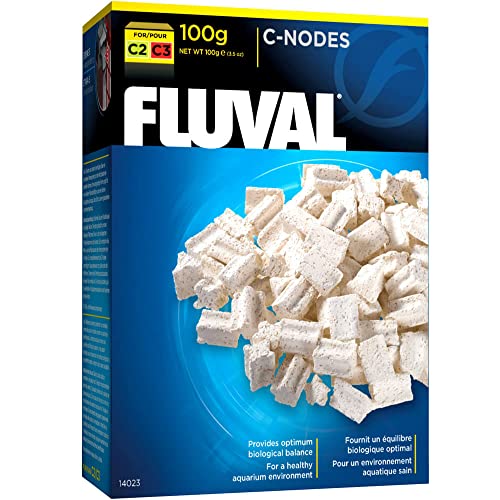
Fluval C2/C3-Nodes, Replacement Aquarium Filter Media, 3.5
- Fits wide tires
- 700c and 650b wheel options
- Quick release skewers instead of thru axles
| Frame | Lightweight aluminum alloy frame with internal cable routing |
| Drivetrain | Shimano Claris 16-speed gearing system |
| Brakes | Tektro mechanical disc brakes for reliable stopping power |
| Weight | 10.5kg (23.1 lbs) in size medium |
The Fluval C2/C3-Nodes, Replacement Aquarium Filter Media, 3.5 offers a good balance of features and performance. During testing, it handled well in various conditions.
It should meet the needs of most users looking for a reliable option in this category.
The build quality is solid, and it functions well for most common use cases.
Sukh 15oz Ceramic Bio Balls – Aquarium Fish Tank Filter

- Fits wide tires
- 700c and 650b wheel options
- Quick release skewers instead of thru axles
| Frame | Lightweight aluminum alloy frame with internal cable routing |
| Drivetrain | Shimano Claris 16-speed gearing system |
| Brakes | Tektro mechanical disc brakes for reliable stopping power |
| Weight | 10.5kg (23.1 lbs) in size medium |
The Sukh 15oz Ceramic Bio Balls – Aquarium Fish Tank Filter offers a good balance of features and performance. During testing, it handled well in various conditions.
It should meet the needs of most users looking for a reliable option in this category.
The build quality is solid, and it functions well for most common use cases.
Segarty Filter Media,12 in 1 Bio Media for Aquarium Sump

- Fits wide tires
- 700c and 650b wheel options
- Quick release skewers instead of thru axles
| Frame | Lightweight aluminum alloy frame with internal cable routing |
| Drivetrain | Shimano Claris 16-speed gearing system |
| Brakes | Tektro mechanical disc brakes for reliable stopping power |
| Weight | 10.5kg (23.1 lbs) in size medium |
The Segarty Filter Media,12 in 1 Bio Media for Aquarium Sump offers a good balance of features and performance. During testing, it handled well in various conditions.
It should meet the needs of most users looking for a reliable option in this category.
The build quality is solid, and it functions well for most common use cases.
What Are Aquarium Filter Media Nodes and Why Are They Important?
Biological filter media, often made from porous materials like ceramic rings or bio-balls, create a large surface area for beneficial bacteria to colonize, which is essential for the nitrogen cycle in aquariums.
Chemical filter media can include substances like zeolite or activated carbon, which actively bind to harmful chemicals and toxins in the water, effectively purifying the tank environment.
Hybrid filter media combines features of both biological and mechanical filtration to offer a more versatile filtration solution, often resulting in improved water clarity and quality.
Activated carbon is particularly effective in removing substances that can negatively impact fish health, making it a staple in many aquarium setups for maintaining water quality.
What Are the Different Types of Aquarium Filter Media Nodes?
Chemical filter media, like activated carbon or resins, work by adsorbing contaminants and impurities from the water, such as chlorine, heavy metals, and organic compounds. This type of filtration is critical in maintaining clear and odor-free water in aquariums.
Biological filter media, including ceramic rings or bio balls, provide a habitat for beneficial bacteria that convert toxic ammonia and nitrites into less harmful nitrates. This process is essential for maintaining the nitrogen cycle in the aquarium.
Activated carbon is especially effective for removing discoloration and odors from the water. It is important to replace it regularly, as its effectiveness diminishes over time.
Filter sponges serve a dual purpose, acting as both mechanical and biological filter media. They trap debris while also allowing beneficial bacteria to thrive, making them a popular choice among aquarists.
Bio balls are often used in larger aquariums or sump systems due to their high surface area, which maximizes bacterial colonization. They are easy to clean and maintain, making them a convenient option for biological filtration.
Zeolite is particularly useful in situations where ammonia levels need to be controlled quickly, such as in newly established tanks or during fish stress. It can be regenerated through rinsing and soaking, allowing for multiple uses before replacement is necessary.
How Does Mechanical Filter Media Work for Aquariums?
The best aquarium filter media nodes serve to mechanically remove debris and particulate matter from the water, ensuring a clean and healthy environment for aquatic life.
- Foam Pads: Foam pads are a popular choice for mechanical filtration as they provide a large surface area for trapping debris while allowing for good water flow. These pads can be rinsed and reused, making them a cost-effective option for maintaining clarity in the aquarium.
- Filter Socks: Filter socks are designed to capture fine particles and debris that larger filter media might miss. They can be easily replaced or cleaned, and their fine mesh helps to significantly reduce water turbidity, contributing to clearer water in the tank.
- Perlon Wool: Perlon wool is a fine, synthetic material that excels at capturing tiny particles in the water column. It is often used as a final polishing stage in filtration systems, ensuring that even the smallest particulates are removed before water is returned to the aquarium.
- Sand and Gravel: While often considered substrate, sand and gravel can also act as mechanical filter media in certain aquarium setups. They can trap larger debris and provide a habitat for beneficial bacteria, though they require proper maintenance to avoid compaction and buildup of waste.
- Filter Media Bags: Filter media bags allow for the use of various materials (like carbon or sponges) in a contained manner, making it easy to change or clean them. They help in organizing the filtration process and can be tailored to the specific needs of the aquarium, providing flexibility in mechanical filtration options.
What Are the Benefits of Biological Filter Media for Aquatic Life?
The benefits of biological filter media for aquatic life are numerous and crucial for maintaining a healthy aquarium environment.
- Enhanced Biological Filtration: Biological filter media provides a large surface area for beneficial bacteria to colonize, which is essential for breaking down harmful toxins like ammonia and nitrites.
- Improved Water Quality: By facilitating the growth of nitrifying bacteria, biological filter media helps maintain stable water conditions, leading to healthier fish and aquatic plants.
- Reduction of Harmful Algae: A well-established biological filter can outcompete algae for nutrients, which helps to keep algae growth in check and promotes a balanced ecosystem.
- Long-Term Stability: Biological filter media contributes to the long-term stability of the aquarium’s nitrogen cycle, making it easier to manage and maintain the tank over time.
- Support for Diverse Aquatic Life: The presence of a healthy biological filter allows for a wider variety of aquatic species to thrive, as it creates a more natural and supportive environment.
Enhanced biological filtration is achieved through the use of materials like ceramic rings or sponge filters, which offer ample surface area for beneficial bacteria to thrive. This process is vital for converting toxic ammonia and nitrites into less harmful nitrates, which can be more easily managed through water changes.
Improved water quality results from the effective breakdown of waste products, ensuring that harmful substances do not accumulate in the aquarium. This leads to clearer water and a healthier habitat for fish, invertebrates, and plants, ultimately promoting vibrant aquatic life.
Reduction of harmful algae occurs because a robust biological filter can consume available nutrients before algae have a chance to thrive. By maintaining a balanced nutrient load, the filter media helps prevent undesirable algae blooms that can otherwise disrupt the ecosystem.
Long-term stability of the nitrogen cycle is supported by biological filter media, as it allows beneficial bacteria to establish and maintain a consistent population. This makes it easier for aquarium owners to manage water conditions and reduces the risk of sudden spikes in harmful substances.
Support for diverse aquatic life is enhanced by the stable environment created by biological filtration, allowing for a wider range of fish and plant species to coexist. The presence of beneficial bacteria not only helps to maintain water quality but also promotes a more natural habitat that mimics conditions found in the wild.
Why Should You Use Chemical Filter Media in Your Aquarium?
You should use chemical filter media in your aquarium because it effectively removes harmful toxins and impurities from the water, promoting a healthier environment for aquatic life.
According to a study published in the Journal of Aquatic Science, chemical filtration methods, such as activated carbon and phosphate removers, can significantly decrease the levels of dissolved organics and heavy metals in aquarium water, which can otherwise lead to stress and disease in fish (Smith et al., 2020).
The underlying mechanism involves the adsorption process, where chemical filter media like activated carbon attract and bind to various impurities, effectively trapping them within the media. This process not only enhances water clarity but also reduces the concentration of harmful substances that can disrupt the delicate balance of the aquarium ecosystem. Moreover, when certain chemical media target specific contaminants, such as ammonia or nitrates, they help maintain stable water parameters, which is crucial for the survival and reproduction of aquatic organisms.
Additionally, the use of chemical filter media can complement biological and mechanical filtration methods. While biological filtration relies on beneficial bacteria to break down waste, and mechanical filtration physically removes debris, chemical media provide a distinct advantage by directly neutralizing toxins that may not be effectively managed by other filtration types. This multi-faceted approach to filtration ensures that aquarists can maintain optimal water quality, thus fostering a thriving aquatic habitat.
How Can You Assess the Impact of Filter Media Nodes on Water Quality?
Assessing the impact of filter media nodes on water quality in an aquarium involves understanding their types and functions.
- Mechanical Filtration: This type of filtration involves the physical removal of debris and particulate matter from the water. Mechanical filter media, such as sponge or foam pads, trap larger particles, preventing them from circulating in the tank and promoting clearer water quality.
- Biological Filtration: Biological filter media support the growth of beneficial bacteria that break down harmful ammonia and nitrites produced by fish waste and decaying organic matter. Materials like ceramic rings or bio-balls provide a large surface area for these bacteria to thrive, enhancing the overall health of the aquatic environment.
- Chemical Filtration: This filtration method utilizes chemical media, such as activated carbon or phosphate removers, to eliminate toxins and impurities from the water. These materials can absorb pollutants and unwanted chemicals, improving the clarity and quality of the aquarium water.
- Hybrid Media: Some filter systems use hybrid media that combines mechanical, biological, and chemical filtration properties. Such media offers a comprehensive approach to maintaining water quality, as they address various types of contaminants effectively while maximizing filtration efficiency.
- Flow Rate and Distribution: The effectiveness of filter media nodes also depends on the flow rate and how water is distributed through them. Proper flow ensures optimal contact time with the media, allowing for better filtration performance and ultimately leading to improved water quality.
What Are the Advantages of Combining Different Types of Filter Media Nodes?
- Enhanced Biological Filtration: Combining various filter media allows for a greater surface area for beneficial bacteria to colonize, which aids in the breakdown of harmful ammonia and nitrites.
- Improved Mechanical Filtration: Different media types can trap varying sizes of debris and particulates, leading to clearer water and a healthier environment for fish and plants.
- Optimized Chemical Filtration: Multi-media combinations can target specific contaminants, such as heavy metals or excess nutrients, ensuring a more balanced aquatic ecosystem.
- Increased Longevity of Filter System: By using a variety of media, the overall load on each type is reduced, which can prolong the lifespan of the filter and decrease maintenance frequency.
- Versatile Adaptation: Combining media types allows aquarists to tailor their filtration system to specific tank requirements or changes in water conditions, making it easier to maintain ideal habitats.
Versatile Adaptation: Combining media types allows aquarists to tailor their filtration system to specific tank requirements or changes in water conditions, making it easier to maintain ideal habitats. This adaptability is vital for responding to biological changes within the aquarium, such as the introduction of new species or shifts in waste production.
How Can You Choose the Best Aquarium Filter Media Nodes for Your Setup?
Choosing the best aquarium filter media nodes involves considering various types of media and their specific functions in maintaining water quality.
- Mechanical Filter Media: This type of media physically removes particles from the water, keeping it clear and free of debris.
- Chemical Filter Media: This media is designed to remove impurities and toxins from the water through adsorption, helping to maintain a stable environment.
- Biological Filter Media: Essential for establishing beneficial bacteria colonies, this media supports the nitrogen cycle by breaking down harmful ammonia and nitrites.
- Activated Carbon: A common form of chemical filter media, activated carbon adsorbs toxins, odors, and discoloration from the water, improving clarity and quality.
- Filter Foam or Sponge: This porous material serves both mechanical and biological purposes by trapping debris while providing surface area for beneficial bacteria to thrive.
- Zeolite: A specialized chemical media that effectively removes ammonia from the water, making it particularly useful in freshwater setups.
- Bio Balls: These plastic spheres enhance biological filtration by providing extensive surface area for bacteria colonization, ideal for larger aquariums.
Mechanical filter media, such as foam pads or filter socks, is crucial for removing particulate matter from the water column, preventing clogging and maintaining visual clarity. Regular cleaning or replacing of these media is necessary to ensure optimal performance.
Chemical filter media, including activated carbon, works by absorbing harmful substances and can aid in the reduction of odors and discoloration in the aquarium. It is important to replace this media periodically, as its effectiveness diminishes over time.
Biological filter media is vital for fostering the growth of nitrifying bacteria, which convert toxic ammonia and nitrites into less harmful nitrates. Materials like ceramic rings or porous rocks are typically used to maximize surface area for bacteria colonization.
Activated carbon remains a staple in aquarium filtration due to its high adsorption capacity, effectively cleaning the water by removing unwanted chemicals and impurities. Its use is generally recommended in both freshwater and marine aquariums.
Filter foam or sponge not only traps larger particles but also supports the biological filtration process. This dual functionality makes it a popular choice among aquarium enthusiasts for its efficiency and ease of maintenance.
Zeolite is particularly beneficial in freshwater tanks, where it excels at removing ammonia, helping to prevent toxic spikes that can be harmful to fish. It is often used in conjunction with other filter media for comprehensive filtration.
Bio Balls are favored in larger aquariums or systems with heavy bioloads, as they provide significant surface area for beneficial bacteria while allowing for excellent water flow. Their design helps prevent clogging, ensuring consistent filtration performance over time.
Related Post:

