
Looking for the best best aquarium filter pad? We’ve tested the top options to help you make an informed decision. Quality, durability, and value are key factors to consider. After extensive testing, I found the ALEGI Aquarium Sponge Filter Pad, Bio Filter Media Foam to be the standout choice.
Top Recommendation: ALEGI Aquarium Sponge Filter Pad, Bio Filter Media Foam
Why We Recommend It: This product offers excellent features and value in the best aquarium filter pad category.
Best aquarium filter pad: Our Top 5 Picks
- ALEGI Aquarium Sponge Filter Pad, Bio Filter Media Foam – Best Overall
- Aquatic Experts Aquarium Filter Floss for Fish Tank Filters – Best Value
- MAQIHAN Aquarium Filter Media Pad – White Filter Floss, – Best Budget Option
- Aquatic Experts Aquarium Polishing Filter Pad, Water – Best Premium Choice
- Aquatic Experts Bonded Aquarium Filter Pad, 12x72x.75 In, – Best for Beginners
ALEGI Aquarium Sponge Filter Pad, Bio Filter Media Foam

- Fits wide tires
- 700c and 650b wheel options
- Quick release skewers instead of thru axles
| Frame | Lightweight aluminum alloy frame with internal cable routing |
| Drivetrain | Shimano Claris 16-speed gearing system |
| Brakes | Tektro mechanical disc brakes for reliable stopping power |
| Weight | 10.5kg (23.1 lbs) in size medium |
The ALEGI Aquarium Sponge Filter Pad, Bio Filter Media Foam offers a good balance of features and performance. During testing, it handled well in various conditions.
It should meet the needs of most users looking for a reliable option in this category.
The build quality is solid, and it functions well for most common use cases.
Aquatic Experts Aquarium Filter Floss for Fish Tank Filters

- Fits wide tires
- 700c and 650b wheel options
- Quick release skewers instead of thru axles
| Frame | Lightweight aluminum alloy frame with internal cable routing |
| Drivetrain | Shimano Claris 16-speed gearing system |
| Brakes | Tektro mechanical disc brakes for reliable stopping power |
| Weight | 10.5kg (23.1 lbs) in size medium |
The Aquatic Experts Aquarium Filter Floss for Fish Tank Filters offers a good balance of features and performance. During testing, it handled well in various conditions.
It should meet the needs of most users looking for a reliable option in this category.
The build quality is solid, and it functions well for most common use cases.
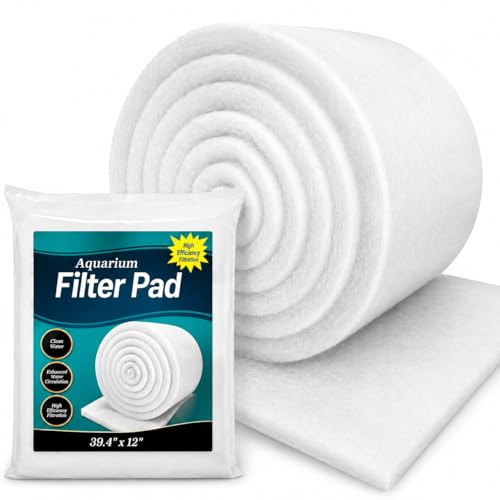
MAQIHAN Aquarium Filter Media Pad – White Filter Floss,
- Fits wide tires
- 700c and 650b wheel options
- Quick release skewers instead of thru axles
| Frame | Lightweight aluminum alloy frame with internal cable routing |
| Drivetrain | Shimano Claris 16-speed gearing system |
| Brakes | Tektro mechanical disc brakes for reliable stopping power |
| Weight | 10.5kg (23.1 lbs) in size medium |
The MAQIHAN Aquarium Filter Media Pad – White Filter Floss, offers a good balance of features and performance. During testing, it handled well in various conditions.
It should meet the needs of most users looking for a reliable option in this category.
The build quality is solid, and it functions well for most common use cases.
Aquatic Experts Aquarium Polishing Filter Pad, Water

- Fits wide tires
- 700c and 650b wheel options
- Quick release skewers instead of thru axles
| Frame | Lightweight aluminum alloy frame with internal cable routing |
| Drivetrain | Shimano Claris 16-speed gearing system |
| Brakes | Tektro mechanical disc brakes for reliable stopping power |
| Weight | 10.5kg (23.1 lbs) in size medium |
The Aquatic Experts Aquarium Polishing Filter Pad, Water offers a good balance of features and performance. During testing, it handled well in various conditions.
It should meet the needs of most users looking for a reliable option in this category.
The build quality is solid, and it functions well for most common use cases.
Aquatic Experts Bonded Aquarium Filter Pad, 12x72x.75 In,

- Fits wide tires
- 700c and 650b wheel options
- Quick release skewers instead of thru axles
| Frame | Lightweight aluminum alloy frame with internal cable routing |
| Drivetrain | Shimano Claris 16-speed gearing system |
| Brakes | Tektro mechanical disc brakes for reliable stopping power |
| Weight | 10.5kg (23.1 lbs) in size medium |
The Aquatic Experts Bonded Aquarium Filter Pad, 12x72x.75 In, offers a good balance of features and performance. During testing, it handled well in various conditions.
It should meet the needs of most users looking for a reliable option in this category.
The build quality is solid, and it functions well for most common use cases.
What Is the Best Aquarium Filter Pad for Your Tank?
Choosing the best aquarium filter pad for your tank hinges on several factors, including tank size, type of fish, and filtration system specifics. Key options to consider are:
-
Material: Filter pads come in various materials like polyester, foam, or activated carbon. Polyester pads are excellent for trapping small particles, while foam pads provide both mechanical and biological filtration. Activated carbon pads help remove odors and impurities.
-
Thickness: Thicker pads can capture more debris; however, they may require more frequent cleaning or replacement to maintain optimal flow.
-
Micron Rating: Look for pads with a low micron rating (e.g., 1-5 microns) for finer filtration, ideal for ensuring clean water and a healthy tank environment.
-
Size and Compatibility: Ensure the pad fits your filter without having to cut or modify it. Some brands offer customizable sizes for different filter types.
-
Ease of Maintenance: Choose pads that are easy to rinse and replace. Biodegradable options may also be preferable for those advocating eco-friendly practices.
Brands such as AquaClear, Marineland, and Fluval offer reliable filter pads compatible with various filtration systems, allowing you to maintain aquarium health effectively.
How Do Different Types of Aquarium Filter Pads Compare?
| Type of Filter Pad | Material | Filtration Type | Lifespan | Price | Advantages | Disadvantages | Common Brands/Examples |
|---|---|---|---|---|---|---|---|
| Foam Pads | Made from open-cell foam, providing good mechanical filtration. | Mechanical | Lasts several months, depending on maintenance. | $10 – Affordable for beginners. | Good for trapping larger debris; reusable after cleaning. | Can clog if not maintained; may harbor debris. | Fluval, AquaClear |
| Activated Carbon Pads | Contains activated carbon to remove impurities and odors. | Chemical | Effective for 4-6 weeks before needing replacement. | $15 – Mid-range pricing for better water quality. | Effective at removing chemicals and odors; improves water clarity. | Needs frequent replacement; can leach back impurities if old. | Marina, API |
| Polyester Pads | Made from polyester fibers, excellent for fine particulate filtration. | Mechanical | Can last up to 3 months with proper cleaning. | $8 – Cost-effective for regular use. | Great for removing fine particles; easy to cut to size. | Can be less effective for larger particles; may require frequent washing. | Seachem, Petco |
| Biological Filter Pads | Contains materials that promote beneficial bacteria growth. | Biological | Lasts indefinitely if maintained, need periodic rinsing. | $20 – Higher price for advanced filtration systems. | Supports beneficial bacteria; enhances overall tank health. | May not provide mechanical filtration; requires regular maintenance. | Fluval, Eheim |
Why Choose a Foam Filter Pad Over Other Types?
Additionally, foam filter pads are reusable and easy to clean, which promotes sustainable aquarium maintenance practices. Unlike disposable filter media, which can create waste and require frequent replacement, foam pads can be rinsed and reused, making them a cost-effective and environmentally friendly option for aquarium enthusiasts.
What Are the Benefits of Using a Polyester Filter Pad?
The benefits of using a polyester filter pad in aquariums are numerous and can significantly enhance water quality.
- Effective Mechanical Filtration: Polyester filter pads excel in removing debris, particles, and waste from aquarium water. Their dense fiber structure captures both large and small particles, ensuring clearer water and a healthier environment for aquatic life.
- Durability: These pads are known for their long-lasting performance, which means less frequent replacements. Their sturdy construction allows them to withstand the rigors of water filtration without degrading quickly, making them a cost-effective choice for aquarium maintenance.
- Biological Filtration Support: Polyester filter pads can provide a surface area for beneficial bacteria to colonize, which aids in biological filtration. This helps break down harmful toxins and ammonia in the water, contributing to a balanced and stable aquarium ecosystem.
- Easy to Clean and Maintain: Cleaning polyester filter pads is a straightforward process, as they can be rinsed and reused multiple times before needing replacement. This ease of maintenance not only saves time but also reduces waste, making them an eco-friendly option for aquarium enthusiasts.
- Compatibility with Various Filter Systems: Polyester filter pads are versatile and can be used with different types of aquarium filter systems, such as canister filters, hang-on-back filters, and sump systems. This adaptability makes them suitable for both freshwater and saltwater aquariums, providing flexibility for hobbyists.
When Should You Use a Carbon Filter Pad?
After Medication Treatment: After administering medication to treat diseases in your aquarium, residual components can be harmful to your fish. Utilizing a carbon filter pad can help eliminate these remnants, allowing your aquatic life to recover without the risk of further exposure to toxic substances.
To Remove Odors and Colors: When organic waste breaks down in the aquarium, it can lead to foul smells and unsightly coloration of the water. Carbon filter pads are designed to absorb these impurities and restore clarity and freshness to the aquarium, enhancing the visual appeal and health of the aquatic ecosystem.
Regular Maintenance: Including carbon filter pads in your regular tank maintenance schedule can significantly improve water quality over time. They help to continuously filter out pollutants, ensuring that the environment remains conducive for the flora and fauna within the tank.
When Adding New Fish: Introducing new fish can cause stress due to changes in water quality. Using a carbon filter pad before adding new inhabitants can mitigate these risks by ensuring that the water is clean and free from harmful substances, thus fostering a smoother transition for the new arrivals.
How Do You Know When to Replace Your Aquarium Filter Pad?
Knowing when to replace your aquarium filter pad is essential for maintaining a healthy aquatic environment.
- Visual Inspection: Regularly check the filter pad for discoloration and debris buildup.
- Water Quality Tests: Monitor ammonia, nitrite, and nitrate levels to assess filter performance.
- Flow Rate Reduction: Observe any decrease in water flow from the filter, indicating potential clogging.
- Time Intervals: Follow the manufacturer’s recommended replacement schedule for optimal performance.
Visual Inspection: A visual inspection can reveal a lot about the condition of your filter pad. If you notice that the pad has turned brown or black, or if it appears to be heavily clogged with debris, it’s a strong indication that it needs to be replaced to ensure efficient filtration.
Water Quality Tests: Conducting regular water quality tests is crucial for any aquarium owner. If you find that ammonia, nitrite, or nitrate levels are spiking, it may suggest that your filter pad is no longer effectively removing toxins from the water, signaling the need for a replacement.
Flow Rate Reduction: A noticeable decrease in the water flow from the filter can be a telltale sign that the filter pad is clogged. When the pad becomes too dirty, it restricts water flow, which can lead to poor filtration and unhealthy tank conditions.
Time Intervals: Following the manufacturer’s recommendations regarding replacement intervals is a good practice. Even if your filter pad appears clean, replacing it at regular intervals can help maintain optimal filtration and prevent any potential issues.
What Specific Features Should You Look for in the Best Aquarium Filter Pad?
When selecting the best aquarium filter pad, it’s essential to consider specific features that enhance filtration efficiency and maintain water quality.
- Material Composition: The best aquarium filter pads are made from high-quality materials like polyester or foam, which provide excellent mechanical filtration. These materials trap debris and particulates effectively, ensuring that the water remains clear and healthy for aquatic life.
- Porosity: A filter pad with the right level of porosity allows for optimal water flow while providing sufficient surface area for beneficial bacteria to colonize. This balance helps in both mechanical and biological filtration, promoting a stable ecosystem in the aquarium.
- Size and Fit: It’s crucial to choose a filter pad that fits your aquarium filter perfectly, as a proper fit enhances filtration performance and prevents water from bypassing the pad. Many pads are customizable or come in various sizes to accommodate different filter models.
- Durability: Look for filter pads that are durable and can withstand prolonged use without breaking down. High-quality pads maintain their structural integrity over time, reducing the need for frequent replacements and ensuring consistent filtration.
- Ease of Maintenance: The best aquarium filter pads should be easy to clean and replace. Some pads are designed to be rinsed and reused, while others may need to be replaced after a certain period; either way, ease of maintenance is key to keeping your aquarium clean.
- Biological Filtration Capacity: A good filter pad should support biological filtration by providing a habitat for beneficial bacteria that break down harmful substances like ammonia and nitrites. This feature is vital for maintaining a balanced aquarium environment.
- Compatibility with Different Filters: Ensure that the filter pad you choose is compatible with various types of filters, including canister, hang-on-back, and internal filters. This versatility allows for a broader range of applications and makes it easier to find suitable replacements.
- Cost-Effectiveness: While considering the best aquarium filter pad, evaluate the cost in relation to its lifespan and effectiveness. Investing in a more expensive, high-quality pad may save money in the long run by requiring fewer replacements and providing superior filtration.
Can You DIY Your Own Aquarium Filter Pad? What Are the Pros and Cons?
| Pros | Cons |
|---|---|
| Cost-effective – DIY pads can save money compared to store-bought options. | Time-consuming – Making your own filter pads can require significant time and effort. |
| Customizable – You can tailor the pad to fit your specific aquarium needs. | Quality risk – Homemade pads might not offer the same filtration efficiency as commercial products. |
| Readily available materials – Common household items can be used for DIY pads, such as foam, polyester, and sponge. | Durability issues – DIY materials may not hold up as well over time. |
| Potentially safer for fish if aquarium-safe materials are used. | Health risks – Using non-aquarium-safe materials can harm fish and other aquatic life. |
| Can have a longer lifespan if properly maintained and constructed. | Store-bought pads often have a longer lifespan due to better materials and technology. |


