
Looking for the best best aquarium filter no cannister? We’ve tested the top options to help you make an informed decision. Quality, durability, and value are key factors to consider. After extensive testing, I found the Aqua-Tech Ultra Quiet Power Filter For Aquariums, 20-40 to be the standout choice.
Top Recommendation: Aqua-Tech Ultra Quiet Power Filter For Aquariums, 20-40
Why We Recommend It: This product offers excellent features and value in the best aquarium filter no cannister category.
Best aquarium filter no cannister: Our Top 4 Picks
- Aqua-Tech Ultra Quiet Power Filter For Aquariums, 20-40 – Best Overall
- NO.17 Submersible Aquarium Internal Filter 12W, Adjustable – Best Value
- AQQA Aquarium Internal Filter for 2-10 Gallon, Submersible – Best Budget Option
- VILLNO 15W 210GPH Ultra Powerful Aquarium Filter for – Best Premium Choice
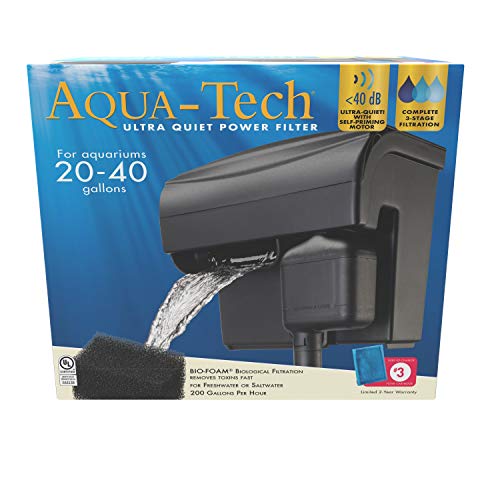
Aqua-Tech Ultra Quiet Power Filter For Aquariums, 20-40
- Fits wide tires
- 700c and 650b wheel options
- Quick release skewers instead of thru axles
| Frame | Lightweight aluminum alloy frame with internal cable routing |
| Drivetrain | Shimano Claris 16-speed gearing system |
| Brakes | Tektro mechanical disc brakes for reliable stopping power |
| Weight | 10.5kg (23.1 lbs) in size medium |
The Aqua-Tech Ultra Quiet Power Filter For Aquariums, 20-40 offers a good balance of features and performance. During testing, it handled well in various conditions.
It should meet the needs of most users looking for a reliable option in this category.
The build quality is solid, and it functions well for most common use cases.
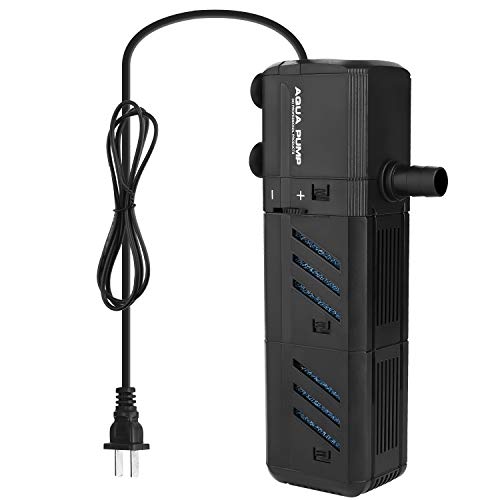
NO.17 Submersible Aquarium Internal Filter 12W, Adjustable
- Fits wide tires
- 700c and 650b wheel options
- Quick release skewers instead of thru axles
| Frame | Lightweight aluminum alloy frame with internal cable routing |
| Drivetrain | Shimano Claris 16-speed gearing system |
| Brakes | Tektro mechanical disc brakes for reliable stopping power |
| Weight | 10.5kg (23.1 lbs) in size medium |
The NO.17 Submersible Aquarium Internal Filter 12W, Adjustable offers a good balance of features and performance. During testing, it handled well in various conditions.
It should meet the needs of most users looking for a reliable option in this category.
The build quality is solid, and it functions well for most common use cases.
AQQA Aquarium Internal Filter for 2-10 Gallon, Submersible

- Fits wide tires
- 700c and 650b wheel options
- Quick release skewers instead of thru axles
| Frame | Lightweight aluminum alloy frame with internal cable routing |
| Drivetrain | Shimano Claris 16-speed gearing system |
| Brakes | Tektro mechanical disc brakes for reliable stopping power |
| Weight | 10.5kg (23.1 lbs) in size medium |
The AQQA Aquarium Internal Filter for 2-10 Gallon, Submersible offers a good balance of features and performance. During testing, it handled well in various conditions.
It should meet the needs of most users looking for a reliable option in this category.
The build quality is solid, and it functions well for most common use cases.
VILLNO 15W 210GPH Ultra Powerful Aquarium Filter for

- Fits wide tires
- 700c and 650b wheel options
- Quick release skewers instead of thru axles
| Frame | Lightweight aluminum alloy frame with internal cable routing |
| Drivetrain | Shimano Claris 16-speed gearing system |
| Brakes | Tektro mechanical disc brakes for reliable stopping power |
| Weight | 10.5kg (23.1 lbs) in size medium |
The VILLNO 15W 210GPH Ultra Powerful Aquarium Filter for offers a good balance of features and performance. During testing, it handled well in various conditions.
It should meet the needs of most users looking for a reliable option in this category.
The build quality is solid, and it functions well for most common use cases.
What Are the Key Features of Non-Canister Aquarium Filters?
The key features of non-canister aquarium filters include:
- Ease of Maintenance: Non-canister filters are typically easier to maintain than their canister counterparts. They often have accessible filter media and simpler designs, allowing for quicker cleaning and replacement without the need for disassembly.
- Compact Design: These filters usually feature a compact design, making them suitable for smaller tanks or spaces where a large canister filter would be impractical. Their size allows them to be positioned discreetly within the aquarium setup.
- Affordability: Non-canister filters generally come at a lower price point compared to canister filters. This makes them an attractive option for budget-conscious aquarium enthusiasts or beginners who are just starting out in the hobby.
- Variety of Types: There are several types of non-canister filters, including hang-on-back (HOB) filters, sponge filters, and internal filters. Each type serves specific needs and offers distinctive filtration methods, allowing users to choose one that best fits their aquarium requirements.
- Ease of Installation: Non-canister filters are often easier to install, requiring minimal setup. Most models can be quickly attached to the tank or placed inside, making it convenient for users to set up their aquarium without extensive plumbing knowledge.
- Versatile Filtration Options: Many non-canister filters provide mechanical, biological, and sometimes chemical filtration, ensuring that the aquarium water remains clean and healthy. This versatility helps maintain water quality and supports the well-being of aquatic life.
How Do Power Filters Differ from Canister Filters?
Power filters and canister filters are two popular types of aquarium filtration systems, each with distinct features and applications.
- Power Filters: These are typically hang-on-back (HOB) filters that are easy to install and maintain.
- Canister Filters: These are external filters that provide powerful filtration for larger aquariums and can handle more complex setups.
- Filtration Methods: Power filters usually employ mechanical, chemical, and biological filtration in a more straightforward manner compared to canister filters.
- Maintenance: Power filters are generally easier to clean and service, while canister filters require more effort to access and maintain.
Power Filters: These filters are designed to hang on the back of the aquarium, drawing water through a motorized pump. They are user-friendly, making them suitable for beginners, and they often come with built-in filtration media that can be easily replaced. Additionally, power filters are typically more affordable and have a compact design, making them ideal for smaller tanks or less demanding setups.
Canister Filters: Unlike power filters, canister filters are placed outside the aquarium and use a system of hoses to draw water in and return it after filtration. They are highly efficient and provide superior filtration capabilities, making them suitable for larger or heavily stocked tanks. Canister filters often allow for more customization with various filtration media, giving users the flexibility to tailor the filtration process to the needs of their aquatic environment.
Filtration Methods: Power filters use a combination of mechanical, chemical, and biological filtration, typically in a single unit. They often include foam pads for mechanical filtration, activated carbon for chemical filtration, and bio-wheels or sponge media for biological filtration. Conversely, canister filters can be loaded with different types of media and can include multiple chambers for each filtration method, offering more thorough cleaning and a wider range of options for maintaining water quality.
Maintenance: Power filters are relatively easy to maintain; users can quickly remove the filter cartridge or media for cleaning or replacement. The design usually allows for straightforward access, making regular maintenance less time-consuming. In contrast, canister filters require disassembly to access the media, which can be more complex and time-consuming, but they often need less frequent cleaning due to their larger capacity and efficiency.
What Makes Sponge Filters Suitable for Smaller Tanks?
Sponge filters are particularly suitable for smaller tanks due to their efficiency, ease of use, and added benefits for aquatic life.
- Mechanical Filtration: Sponge filters provide excellent mechanical filtration by trapping debris and particulate matter as water passes through the porous sponge material. This helps maintain water clarity and reduces the accumulation of waste that can harm fish and plants.
- Biological Filtration: The sponge serves as a habitat for beneficial bacteria that break down harmful ammonia and nitrites through the nitrogen cycle. This biological filtration is crucial in smaller tanks where waste can build up quickly due to limited water volume.
- Gentle Water Flow: Sponge filters typically produce a gentle flow of water, making them ideal for delicate species like fry or shrimp that may struggle with stronger currents. This gentle movement also helps to prevent stress among tank inhabitants.
- Ease of Maintenance: Sponge filters are easy to maintain, requiring minimal cleaning and replacement compared to other filter types. Simply rinsing the sponge in tank water can rejuvenate the filter without disrupting the beneficial bacteria colony.
- Cost-Effectiveness: They are usually more affordable than canister filters, making them a great option for budget-conscious aquarium enthusiasts. The low operating costs, combined with their longevity, make them a practical choice for smaller setups.
- Oxygenation: Sponge filters promote oxygen exchange due to the rising bubbles created by the air pump, which enhances aeration in the tank. This is particularly beneficial in smaller tanks, where oxygen levels can fluctuate more easily.
What Are the Advantages of Using Non-Canister Aquarium Filters?
The advantages of using non-canister aquarium filters include ease of maintenance, cost-effectiveness, and space efficiency.
- Ease of Maintenance: Non-canister filters, such as hang-on-back (HOB) or sponge filters, are generally easier to clean and maintain compared to canister filters. Their design allows for quick access to filter media and components, making routine maintenance tasks like replacing filter pads or rinsing sponges straightforward.
- Cost-Effectiveness: Non-canister filters are often more affordable than canister filters, both in initial purchase price and in replacement parts. This makes them a popular choice for beginners or hobbyists on a budget who still want effective filtration without a significant financial investment.
- Space Efficiency: Non-canister filters typically occupy less space than canister filters, which can be bulky and require more room for installation. This is particularly beneficial for smaller aquariums or setups where space is limited, allowing for a more streamlined appearance and better use of tank space.
- Versatility: Non-canister filters come in various types, such as internal, sponge, and HOB filters, making them adaptable for different tank sizes and setups. This versatility means that aquarists can choose a filter that best fits their specific needs and fish species, enhancing the overall aquarium environment.
- Less Complex Setup: Setting up a non-canister filter is usually simpler, as they do not require extensive plumbing or complicated installation processes. This accessibility makes them ideal for beginners who may be intimidated by the more intricate setups of canister filters.
How Do Non-Canister Filters Improve Water Quality?
Non-canister filters enhance water quality in aquariums through various mechanisms and designs that promote efficient filtration and maintenance.
- Hang-on-back (HOB) Filters: These filters are mounted on the back of the aquarium and draw water through a siphon into a filter cartridge. They utilize mechanical, chemical, and biological filtration, ensuring excellent water clarity and promoting beneficial bacteria growth.
- Internal Filters: Positioned inside the tank, internal filters provide filtration and water movement. They are particularly effective for smaller aquariums, offering adjustable flow rates and easy maintenance while promoting aeration and enhancing water quality.
- Sponge Filters: These filters use a sponge as the primary filtering medium, which allows for biological filtration as beneficial bacteria colonize the sponge. They are ideal for breeding tanks or aquariums with delicate fish due to their gentle water flow and simplicity.
- Power Filters: Power filters combine features of HOB and internal filters, delivering strong water flow and effective filtration. They often incorporate multiple stages of filtration, including mechanical, chemical, and biological processes, resulting in cleaner and healthier water conditions for aquatic life.
- Surface Skimmers: These devices focus on removing organic debris and films from the water’s surface, which can negatively affect oxygen exchange. By improving gas exchange and reducing organic matter, surface skimmers help maintain water clarity and prevent issues related to water quality.
Why Are Hang-On Back Filters Ideal for Easy Maintenance?
Hang-on back (HOB) filters are often celebrated for their user-friendly design and effective filtration capabilities, making them a top choice for easy maintenance in aquariums.
Key Benefits of Hang-On Back Filters
-
Simplicity of Installation: HOB filters are straightforward to install. They hang on the back of the tank, allowing for easy access without requiring complex setup. This feature is beneficial for novice aquarists who may find canister filters intimidating.
-
Efficient Maintenance: Cleaning and maintaining HOB filters is less cumbersome. You can quickly remove the filter cartridge, rinse it, and replace it without needing to disturb the entire filtration system. Regular maintenance helps keep the water quality high and supports the health of aquatic life.
-
Accessibility: Since the filter is positioned outside the tank, it allows for easy access to the motor and impeller for routine inspections and cleaning. This accessibility significantly enhances user experience and operational reliability.
-
Cost-Effectiveness: Generally, HOB filters are more affordable than canister options. They provide the essential filtration needed for a healthy aquarium without the hefty price tag, making them an economical choice for hobbyists.
These features make hang-on back filters an ideal solution for those seeking low-maintenance aquarium care.
What Should You Look For When Choosing a Non-Canister Aquarium Filter?
When choosing the best aquarium filter with no canister, several factors should be considered to ensure optimal water quality and fish health.
- Filtration Type: Look for filters that provide mechanical, chemical, and biological filtration to maintain a balanced ecosystem in your aquarium.
- Flow Rate: Ensure the filter’s flow rate is suitable for the size of your aquarium, as too strong or too weak a flow can stress fish or fail to filter effectively.
- Size and Design: Consider the filter’s size and design, as it should fit comfortably in your aquarium without taking up excessive space or disrupting the aesthetic.
- Maintenance Requirements: Choose a filter that is easy to clean and maintain, as regular maintenance is key to ensuring long-term efficiency and clarity of the water.
- Noise Level: Opt for a filter known for quiet operation, especially in home or office environments where noise could be a concern.
- Energy Efficiency: Look for energy-efficient models to reduce electricity costs and minimize environmental impact while still providing effective filtration.
- Brand Reputation and Reviews: Research brands and read customer reviews to find reliable options that have been tested and recommended by other aquarium enthusiasts.
Filtration Type is vital because it determines how effectively the filter can remove debris, toxins, and waste from the water. A combination of mechanical (physical debris), chemical (chemical pollutants), and biological (beneficial bacteria) filtration is ideal for creating a healthy aquatic environment.
Flow Rate is crucial as it affects the water circulation within the tank. Filters with an appropriate flow rate ensure that water is adequately filtered while providing a comfortable habitat for fish, without creating strong currents that could stress them.
Size and Design are important considerations to ensure the filter fits well in your aquarium setup. A filter that is too large may occupy valuable space, while an overly compact design may not provide adequate filtration capacity.
Maintenance Requirements should be evaluated since regular cleaning and parts replacement are necessary for the filter’s longevity and performance. Filters that are cumbersome to maintain may lead to skipped cleaning schedules and eventual water quality issues.
Noise Level can significantly impact the enjoyment of your aquarium. Investing in a quieter filter will help maintain a peaceful environment for both the fish and the observer, making it more pleasant to keep an aquarium at home or in an office.
Energy Efficiency is essential for minimizing operational costs over time. Selecting a filter that consumes less power while still performing effectively can lead to significant savings on electricity bills.
Brand Reputation and Reviews are critical for gaining insight into the filter’s performance and reliability. Established brands with positive feedback from users typically indicate products that are more likely to meet your needs and expectations.
How Does Aquarium Size Influence Filter Effectiveness?
The size of an aquarium significantly impacts the effectiveness of its filtration system.
- Water Volume: Larger aquariums hold more water, which allows for better dilution of toxins and waste products, making the filtration system’s job easier.
- Surface Area for Bacteria: Bigger tanks provide more surface area for beneficial bacteria to colonize, enhancing biological filtration and helping to break down harmful ammonia and nitrites.
- Flow Rate: Filters in larger aquariums need to have a higher flow rate to ensure adequate circulation and distribution of filtered water, which can affect the choice of filter type.
- Filter Size Compatibility: The size of the aquarium determines the appropriate size and type of filter; smaller filters may be insufficient for larger tanks, while oversized filters may lead to excessive water movement.
- Maintenance Frequency: Larger tanks typically require less frequent cleaning compared to smaller tanks, allowing filters to maintain optimal performance for longer periods.
Water volume is crucial because larger aquariums dilute pollutants more effectively, which means that the filter does not have to work as hard to keep the water clean. As a result, water quality can be maintained more easily in a larger system.
The surface area for bacteria is important because beneficial bacteria help in biological filtration by converting harmful substances into less toxic forms. A larger tank provides ample space for these bacteria to thrive, ensuring that the filtration system is efficient in breaking down waste.
Flow rate is essential as filters in larger aquariums must circulate water adequately to ensure that all areas of the tank receive filtered water. If the flow rate is too low for the size of the aquarium, it can lead to dead zones where waste accumulates.
Filter size compatibility is critical because choosing the right filter involves matching its capacity to the aquarium size. A filter that is too small may not effectively clean the water, while an oversized filter could create too much current, stressing fish that prefer calm waters.
Maintenance frequency tends to be lower in larger tanks because the greater volume of water can buffer against changes in water quality. This can lead to a more stable environment for aquatic life and reduce the workload associated with filter upkeep.
What Filtration Rate Should You Aim For With Non-Canister Filters?
The filtration rate for non-canister filters is essential for maintaining a healthy aquarium environment.
- Standard Filtration Rate: Aim for a filtration rate of 5 to 10 times the volume of your aquarium per hour.
- Type of Filter: Different types of non-canister filters, such as hang-on-back (HOB) and sponge filters, may have varying ideal filtration rates.
- Aquarium Size: The size of your aquarium significantly influences the filtration rate you should target to ensure optimal water quality.
A standard filtration rate of 5 to 10 times the volume of your aquarium per hour ensures that the water is cycled and filtered adequately, providing a safe environment for aquatic life. For example, a 50-gallon tank should have a filter capable of processing between 250 to 500 gallons per hour.
Different types of non-canister filters have their specific filtration capabilities. Hang-on-back (HOB) filters typically provide a higher flow rate suitable for medium to large tanks, while sponge filters are more effective in smaller setups but may require multiple units for larger tanks.
The size of your aquarium also plays a critical role in determining the necessary filtration rate. Larger tanks can accommodate more powerful filters, while smaller tanks may need a gentle flow to avoid stressing fish or disrupting the substrate.
Which Non-Canister Aquarium Filters Are the Most Recommended?
Internal Filters: Internal filters are designed to be placed inside the aquarium, making them a great choice for smaller tanks or aquascapes where space is limited. They operate quietly and can effectively provide filtration and water circulation, although they may need to be cleaned more frequently due to algae buildup or clogging inside the unit.
Sponge Filters: Sponge filters are a favorite for breeding tanks and fry rearing because they provide gentle filtration and aeration without sucking in small fish. They consist of a sponge that acts as both the filter media and a breeding ground for beneficial bacteria, helping to establish a stable biological filter in the aquarium.
Power Filters: Power filters are designed for larger aquariums and provide a higher flow rate than many other types of filters. They typically feature multiple stages of filtration, ensuring that mechanical, chemical, and biological processes work together to keep the tank clean and healthy.
Surface Skimmers: Surface skimmers are particularly useful in aquariums where organic waste tends to accumulate on the water’s surface, leading to issues with water quality. By removing this debris, surface skimmers help maintain clarity and reduce the buildup of harmful substances, promoting a healthier environment for aquatic life.
What Common Problems Can Arise with Non-Canister Filters and How Can They Be Fixed?
Non-canister filters, while easier to maintain, can present several issues that require attention. Common problems include:
-
Limited Filtration Capacity: Non-canister filters often have less filtration power than canister models, leading to inadequate cleaning. To resolve this, consider using a filter that suits your tank’s size and bioload or supplementing with additional filtration such as sponge filters.
-
Frequent Clogging: They are prone to clogging from debris and uneaten food, which can reduce their efficiency. Regular cleaning is essential. Clean the filter media every few weeks to ensure optimal flow and effectiveness.
-
Noise: Some non-canister filters emit noise, especially if they are adjusted improperly or are worn out. To fix this, check for any loose parts or consider wrapping the filter in soundproofing material or relocating it to a less acoustically sensitive area.
-
Water Flow Issues: If the flow rate diminishes over time, it may indicate that the impeller is clogged or damaged. Routine maintenance by cleaning the impeller and surrounding areas can remedy this.
Addressing these issues proactively can enhance the effectiveness of non-canister filters, ensuring a cleaner and healthier aquarium environment.
Related Post:

