
Looking for the best best aqaurium light for plants? We’ve tested the top options to help you make an informed decision. Quality, durability, and value are key factors to consider. After extensive testing, I found the AQUANEAT LED Aquarium Light Full Spectrum 12 Inch Fish Tank to be the standout choice.
Top Recommendation: AQUANEAT LED Aquarium Light Full Spectrum 12 Inch Fish Tank
Why We Recommend It: This product offers excellent features and value in the best aqaurium light for plants category.
Best aqaurium light for plants: Our Top 5 Picks
- AQUANEAT LED Aquarium Light Full Spectrum 12 Inch Fish Tank – Best Overall
- AQQA LED Aquarium Light for Plants, 24/7 Mode Full Spectrum – Best Value
- Novique Clip On Aquarium Light 8W LED Fish Tank Light Full – Best Budget Option
- AQUANEAT LED Aquarium Light Full Spectrum for 18 Inch to 24 – Best Premium Choice
- SEAOURA Led Aquarium Light for Plants Growth, Fish Tank – Best for Beginners
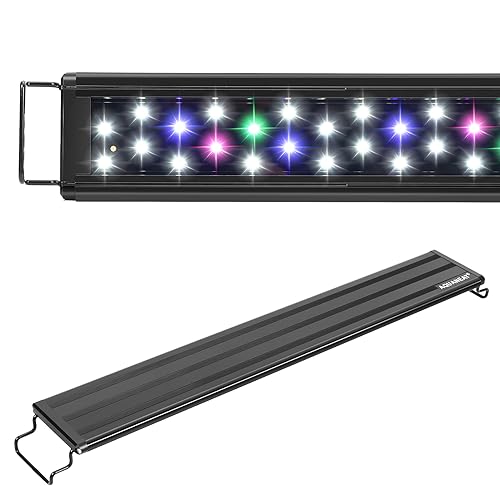
AQUANEAT LED Aquarium Light Full Spectrum 12 Inch Fish Tank
- Fits wide tires
- 700c and 650b wheel options
- Quick release skewers instead of thru axles
| Frame | Lightweight aluminum alloy frame with internal cable routing |
| Drivetrain | Shimano Claris 16-speed gearing system |
| Brakes | Tektro mechanical disc brakes for reliable stopping power |
| Weight | 10.5kg (23.1 lbs) in size medium |
The AQUANEAT LED Aquarium Light Full Spectrum 12 Inch Fish Tank offers a good balance of features and performance. During testing, it handled well in various conditions.
It should meet the needs of most users looking for a reliable option in this category.
The build quality is solid, and it functions well for most common use cases.
AQQA LED Aquarium Light for Plants, 24/7 Mode Full Spectrum

- Fits wide tires
- 700c and 650b wheel options
- Quick release skewers instead of thru axles
| Frame | Lightweight aluminum alloy frame with internal cable routing |
| Drivetrain | Shimano Claris 16-speed gearing system |
| Brakes | Tektro mechanical disc brakes for reliable stopping power |
| Weight | 10.5kg (23.1 lbs) in size medium |
The AQQA LED Aquarium Light for Plants, 24/7 Mode Full Spectrum offers a good balance of features and performance. During testing, it handled well in various conditions.
It should meet the needs of most users looking for a reliable option in this category.
The build quality is solid, and it functions well for most common use cases.
Novique Clip On Aquarium Light 8W LED Fish Tank Light Full

- Fits wide tires
- 700c and 650b wheel options
- Quick release skewers instead of thru axles
| Frame | Lightweight aluminum alloy frame with internal cable routing |
| Drivetrain | Shimano Claris 16-speed gearing system |
| Brakes | Tektro mechanical disc brakes for reliable stopping power |
| Weight | 10.5kg (23.1 lbs) in size medium |
The Novique Clip On Aquarium Light 8W LED Fish Tank Light Full offers a good balance of features and performance. During testing, it handled well in various conditions.
It should meet the needs of most users looking for a reliable option in this category.
The build quality is solid, and it functions well for most common use cases.
AQUANEAT LED Aquarium Light Full Spectrum for 18 Inch to 24
- Fits wide tires
- 700c and 650b wheel options
- Quick release skewers instead of thru axles
| Frame | Lightweight aluminum alloy frame with internal cable routing |
| Drivetrain | Shimano Claris 16-speed gearing system |
| Brakes | Tektro mechanical disc brakes for reliable stopping power |
| Weight | 10.5kg (23.1 lbs) in size medium |
The AQUANEAT LED Aquarium Light Full Spectrum for 18 Inch to 24 offers a good balance of features and performance. During testing, it handled well in various conditions.
It should meet the needs of most users looking for a reliable option in this category.
The build quality is solid, and it functions well for most common use cases.
SEAOURA Led Aquarium Light for Plants Growth, Fish Tank

- Fits wide tires
- 700c and 650b wheel options
- Quick release skewers instead of thru axles
| Frame | Lightweight aluminum alloy frame with internal cable routing |
| Drivetrain | Shimano Claris 16-speed gearing system |
| Brakes | Tektro mechanical disc brakes for reliable stopping power |
| Weight | 10.5kg (23.1 lbs) in size medium |
The SEAOURA Led Aquarium Light for Plants Growth, Fish Tank offers a good balance of features and performance. During testing, it handled well in various conditions.
It should meet the needs of most users looking for a reliable option in this category.
The build quality is solid, and it functions well for most common use cases.
What Factors Should You Consider When Choosing the Best Aquarium Light for Plants?
When choosing the best aquarium light for plants, several critical factors should be considered to ensure optimal growth and health.
- Light Spectrum: Plants require specific wavelengths of light for photosynthesis, primarily in the blue (400-500 nm) and red (600-700 nm) spectrums. A light that provides a full spectrum mimics natural sunlight, promoting better growth and vibrant colors in aquatic plants.
- Light Intensity: The intensity of light is crucial for plant growth; it is typically measured in lumens or PAR (Photosynthetically Active Radiation). Depending on the type of plants you have, you may need low, medium, or high-intensity lighting to meet their specific growth requirements.
- Duration of Lighting: The amount of time the light is on daily, known as photoperiod, affects plant health. Generally, most aquatic plants thrive with 8 to 12 hours of light per day, and it’s important to maintain a consistent schedule to prevent algae growth and ensure healthy plant development.
- Type of Light Fixture: There are various types of light fixtures available, including LED, fluorescent, and metal halide. LED lights are becoming popular due to their energy efficiency, long lifespan, and ability to provide a full spectrum of light while generating minimal heat.
- Heat Emission: Some lighting systems, particularly metal halide and fluorescent, can produce significant heat that may affect water temperature. It’s important to consider the heat output of the light fixture to avoid harming sensitive aquatic life and to maintain stable water conditions.
- Energy Efficiency: Choosing an energy-efficient light can save on electricity costs and minimize the environmental impact. LED lights are typically more energy-efficient compared to other types, providing more light output per watt consumed.
- Adjustability and Features: Some modern lighting systems come with adjustable features such as dimmable options, programmable timers, and color-changing abilities. These features allow for customization based on the needs of different plants and can help simulate natural light conditions.
How Do Different Types of Aquarium Lights Impact Plant Growth?
The type of aquarium light you choose significantly impacts plant growth, as different lights provide varying wavelengths and intensities essential for photosynthesis.
- LED Lights: LED lights are energy-efficient and can be tailored to provide specific wavelengths that promote plant growth. They produce less heat, which helps maintain stable water temperatures, and have a long lifespan, making them a popular choice among aquarists.
- Fluorescent Lights: Fluorescent lights are commonly used for planted aquariums due to their affordability and effectiveness in providing a broad spectrum of light. They come in various types, including T5 and T8, with T5 being more efficient and providing higher light output, which is beneficial for light-demanding plants.
- Metal Halide Lights: Metal halide lights provide intense illumination and are ideal for large tanks or heavily planted aquascapes. They emit a full spectrum of light, which supports photosynthesis but can generate significant heat, requiring careful management of water temperatures.
- Incandescent Lights: While incandescent lights are less commonly used for plant growth, they can still be effective for low-light plants. They are inexpensive and readily available, but their low efficiency and short lifespan make them less favorable compared to other lighting options.
- High-Output T5 Lights: High-output T5 lights are a more powerful version of standard fluorescent lights and are designed specifically for high-light demanding plants. They deliver a substantial amount of light, suitable for growing a wide variety of aquatic plants, including those requiring intense lighting.
Why Are LED Lights Popular for Aquarium Plants?
LED lights are popular for aquarium plants primarily because they provide the right spectrum of light for photosynthesis while being energy-efficient and long-lasting.
According to a study published in the journal “Aquatic Botany,” LED lights can be tailored to emit specific wavelengths that are most beneficial for plant growth, particularly red and blue light, which are critical for photosynthesis (Kirk, 2020). This targeted light spectrum promotes healthy growth and vibrant colors in aquatic plants, making LEDs an ideal choice for aquarists looking to optimize their tank’s conditions.
The underlying mechanism involves the way plants absorb light for photosynthesis; chlorophyll, the pigment responsible for capturing light energy, absorbs light most efficiently in the blue (400-500 nm) and red (600-700 nm) wavelengths. Traditional lighting options, such as fluorescent or incandescent bulbs, often emit a broader spectrum that may include less useful wavelengths, thus wasting energy and not providing optimal growth conditions. LED technology allows for greater control over the light spectrum, efficiency, and intensity, resulting in healthier plant growth and reduced energy consumption.
Moreover, LEDs generate less heat compared to other light sources, which helps maintain a stable aquarium temperature. This is particularly important in densely planted aquariums where excess heat can disrupt the ecosystem and affect both plant and fish health. The combination of energy efficiency, customizable light spectrums, and lower heat output contributes to the increasing preference for LED lighting among aquarists seeking the best aquarium light for plants.
What Are the Benefits of Using Fluorescent Lighting for Plant Growth?
Fluorescent lighting offers several benefits for supporting healthy plant growth in aquariums. One of the main advantages is the spectrum of light emitted, which closely resembles natural sunlight. This light spectrum is particularly effective for photosynthesis, enhancing plant development.
Key benefits of using fluorescent lighting include:
-
Energy Efficiency: Fluorescent lights consume less electricity compared to traditional incandescent bulbs, making them cost-effective for long-term use.
-
Low Heat Output: These lights emit less heat, reducing the risk of overheating the aquarium water and providing a stable environment for both plants and aquatic life.
-
Versatility: Fluorescent fixtures are available in various sizes and types, such as T5, T8, and compact options, allowing for customization based on specific aquarium needs.
-
Enhanced Growth: The balanced spectrum can boost plant growth rates, resulting in lush, vibrant greenery and improved oxygen production in the aquarium.
-
Durability and Longevity: Fluorescent bulbs typically last longer than more traditional lighting options, reducing the frequency of replacements.
By incorporating fluorescent lighting in an aquarium setup, hobbyists can create an ideal environment for aquatic plants to thrive.
How Does Light Intensity Affect the Health of Aquarium Plants?
- Photosynthesis Rate: The rate of photosynthesis in aquarium plants is directly affected by light intensity. Higher light intensity can accelerate photosynthesis, leading to faster growth, but excessive light may cause stress and algal blooms.
- Plant Growth Patterns: Different species of aquarium plants have varying light requirements; some thrive in low light, while others need high light levels. Understanding these needs ensures plants grow properly, displaying healthy foliage and vibrant colors.
- Nutrient Absorption: Adequate light intensity enhances the plant’s ability to absorb nutrients from the water and substrate. Insufficient light can hinder nutrient uptake, resulting in deficiencies that affect plant health and growth.
- Algae Control: The right light intensity can help manage algae growth in aquariums. Too much light can lead to excessive algae growth, competing with plants for resources, while balanced light promotes a healthy ecosystem.
- Light Spectrum: Not just intensity, but the spectrum of light also matters; plants require specific wavelengths for optimal growth. Utilizing light that provides a full spectrum can enhance photosynthesis and improve plant health.
What Light Spectrum Is Most Effective for Promoting Plant Growth in Aquariums?
Full spectrum lights are particularly advantageous for aquarists looking to maintain a balanced growth of plants throughout their life cycles. These lights replicate natural sunlight, allowing plants to photosynthesize effectively and resulting in a healthy aquatic environment.
White light can enhance the visibility of the aquarium while still providing some benefit to plant growth. Its broad spectrum may not be as efficient as targeted blue or red light but can be used in conjunction with other lighting types to create a more visually appealing tank.
LED grow lights are increasingly popular due to their energy efficiency and customizable spectrum options. They can be adjusted to emit specific wavelengths that best suit the types of plants in the aquarium, making them an excellent choice for serious aquarists.
How Long Should You Keep Aquarium Lights On for Optimal Plant Growth?
The optimal duration for keeping aquarium lights on for plant growth typically ranges between 8 to 12 hours a day.
- 8 Hours: This is often considered the minimum lighting requirement for low to moderate light plants. Providing 8 hours of light mimics natural daylight cycles and helps prevent algae growth while still promoting healthy plant development.
- 10 Hours: A duration of 10 hours is suitable for medium-light plants that require a bit more energy for photosynthesis. This balance allows for optimal growth while minimizing the risk of overexposure, which can lead to stress or algae blooms.
- 12 Hours: For high-light plants that thrive on intense lighting, 12 hours can be beneficial. However, it’s essential to monitor the tank for algae proliferation, as extended light periods can encourage unwanted growth if not balanced with proper nutrient levels and CO2 availability.
- Light Intensity: The intensity of the aquarium light also plays a crucial role in determining the duration. Stronger lights may require shorter durations to prevent burning the plants, while lower intensity lights can be on for longer without adverse effects.
- Type of Plants: Different plants have varying light needs; therefore, understanding the specific requirements of the plants in your aquarium is essential. Researching the best aquarium light for plants will help align the lighting schedule with the needs of your aquatic flora.
- Cyclic Changes: It’s beneficial to implement a cyclical change in the lighting schedule to simulate seasonal variations. This not only helps mimic natural environments but can also promote the overall health and growth patterns of the plants over time.


