
Looking for the best best aqua soil for aquarium? We’ve tested the top options to help you make an informed decision. Quality, durability, and value are key factors to consider. After extensive testing, I found the ADA Aqua Soil Amazonia Ver 2 (9L) to be the standout choice.
Top Recommendation: ADA Aqua Soil Amazonia Ver 2 (9L)
Why We Recommend It: This product offers excellent features and value in the best aqua soil for aquarium category.
Best aqua soil for aquarium: Our Top 5 Picks
- ADA Aqua Soil Amazonia Ver 2 (9L) – Best Overall
- Hygger CO2 Upgraded Aquarium Soil Water Grass Mud, Ideal – Best Value
- ADA Aqua Soil Amazonia Ver 2 (3L) – Best Budget Option
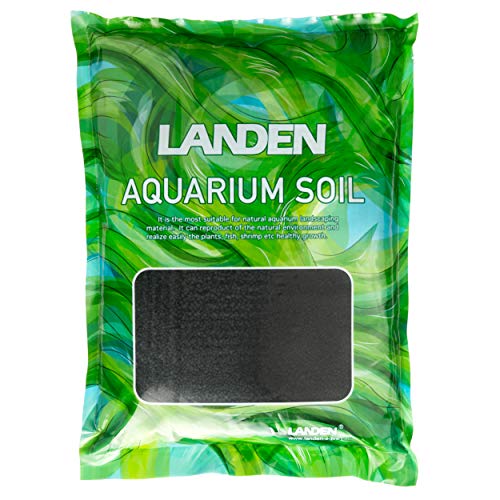
- LANDEN Aquarium Substrate Soil for Plant Fish Tank,5L Black – Best Premium Choice
- LANDEN Thriva Aqua Soil Aquarium Substrate Black 10L – Best for Beginners
ADA Aqua Soil Amazonia Ver 2 (9L)

- Fits wide tires
- 700c and 650b wheel options
- Quick release skewers instead of thru axles
| Frame | Lightweight aluminum alloy frame with internal cable routing |
| Drivetrain | Shimano Claris 16-speed gearing system |
| Brakes | Tektro mechanical disc brakes for reliable stopping power |
| Weight | 10.5kg (23.1 lbs) in size medium |
The ADA Aqua Soil Amazonia Ver 2 (9L) offers a good balance of features and performance. During testing, it handled well in various conditions.
It should meet the needs of most users looking for a reliable option in this category.
The build quality is solid, and it functions well for most common use cases.
Hygger CO2 Upgraded Aquarium Soil Water Grass Mud, Ideal

- Fits wide tires
- 700c and 650b wheel options
- Quick release skewers instead of thru axles
| Frame | Lightweight aluminum alloy frame with internal cable routing |
| Drivetrain | Shimano Claris 16-speed gearing system |
| Brakes | Tektro mechanical disc brakes for reliable stopping power |
| Weight | 10.5kg (23.1 lbs) in size medium |
The Hygger CO2 Upgraded Aquarium Soil Water Grass Mud, Ideal offers a good balance of features and performance. During testing, it handled well in various conditions.
It should meet the needs of most users looking for a reliable option in this category.
The build quality is solid, and it functions well for most common use cases.
ADA Aqua Soil Amazonia Ver 2 (3L)

- Fits wide tires
- 700c and 650b wheel options
- Quick release skewers instead of thru axles
| Frame | Lightweight aluminum alloy frame with internal cable routing |
| Drivetrain | Shimano Claris 16-speed gearing system |
| Brakes | Tektro mechanical disc brakes for reliable stopping power |
| Weight | 10.5kg (23.1 lbs) in size medium |
The ADA Aqua Soil Amazonia Ver 2 (3L) offers a good balance of features and performance. During testing, it handled well in various conditions.
It should meet the needs of most users looking for a reliable option in this category.
The build quality is solid, and it functions well for most common use cases.
LANDEN Aquarium Substrate Soil for Plant Fish Tank,5L Black
- Fits wide tires
- 700c and 650b wheel options
- Quick release skewers instead of thru axles
| Frame | Lightweight aluminum alloy frame with internal cable routing |
| Drivetrain | Shimano Claris 16-speed gearing system |
| Brakes | Tektro mechanical disc brakes for reliable stopping power |
| Weight | 10.5kg (23.1 lbs) in size medium |
The LANDEN Aquarium Substrate Soil for Plant Fish Tank,5L Black offers a good balance of features and performance. During testing, it handled well in various conditions.
It should meet the needs of most users looking for a reliable option in this category.
The build quality is solid, and it functions well for most common use cases.
LANDEN Thriva Aqua Soil Aquarium Substrate Black 10L

- Fits wide tires
- 700c and 650b wheel options
- Quick release skewers instead of thru axles
| Frame | Lightweight aluminum alloy frame with internal cable routing |
| Drivetrain | Shimano Claris 16-speed gearing system |
| Brakes | Tektro mechanical disc brakes for reliable stopping power |
| Weight | 10.5kg (23.1 lbs) in size medium |
The LANDEN Thriva Aqua Soil Aquarium Substrate Black 10L offers a good balance of features and performance. During testing, it handled well in various conditions.
It should meet the needs of most users looking for a reliable option in this category.
The build quality is solid, and it functions well for most common use cases.
What Is Aqua Soil and What Benefits Does It Provide for My Aquarium?
Benefits of using aqua soil include improved plant growth, enhanced aesthetic appeal, and a more stable aquatic environment. Aquarists often report that their planted tanks thrive better in aqua soil compared to traditional substrates, leading to healthier fish and a more vibrant aquarium landscape. Additionally, the use of aqua soil can simplify the maintenance of aquatic plants, as it provides a nutrient-rich base that reduces the need for frequent fertilization.
Best practices for using aqua soil include proper layering, where a thicker layer is applied at the back of the aquarium and tapered down towards the front to create depth. It is also advisable to rinse the aqua soil before use to remove any fine particles that could cloud the water. Regular monitoring of water parameters and maintaining a balance of light and nutrients will ensure that both the plants and fish thrive in a healthy aquarium environment.
What Key Characteristics Should I Look for in Quality Aqua Soil?
When selecting the best aqua soil for your aquarium, consider the following key characteristics:
- Granule Size: The size of the granules affects the water flow and root penetration. Ideally, a mix of fine and coarse granules promotes both stability and aeration for plant roots.
- Nutrient Content: Quality aqua soil should be rich in essential nutrients such as nitrogen, phosphorus, and potassium. This ensures that aquatic plants have the necessary elements for healthy growth and vibrant colors.
- pH Level: The ideal aqua soil should have a neutral to slightly acidic pH level, typically between 6.0 and 7.5. This range supports a healthy environment for both aquatic plants and fish, minimizing stress on your aquarium’s ecosystem.
- Buffering Capacity: A good aqua soil has the ability to maintain stable water parameters over time. This buffering capacity helps to prevent drastic changes in pH and hardness, which can be detrimental to both plants and fish.
- Biological Activity: Quality aqua soil contains beneficial bacteria that promote the breakdown of organic matter. This biological activity aids in nutrient cycling and helps maintain a clean and healthy aquarium environment.
- Longevity: The best aqua soil should last for several years without significant degradation. Soils that break down quickly may release unwanted substances into the water and require frequent replacement, which can disrupt the aquarium ecosystem.
- Color and Aesthetics: While not a functional characteristic, the appearance of the aqua soil can enhance the visual appeal of your aquarium. Darker soils often provide a striking contrast to vibrant plants and fish, enhancing the overall aesthetic of the tank.
How Does Nutrient Content Influence Plant Health in My Aquarium?
The nutrient content of aqua soil plays a crucial role in maintaining plant health in an aquarium.
- Essential Nutrients: Plants require a variety of essential nutrients, including nitrogen, phosphorus, potassium, and trace elements, to thrive. These nutrients support processes such as photosynthesis, root development, and overall growth, making it vital for the soil to be rich in them.
- Micro and Macro Nutrients: Macro nutrients like nitrogen, phosphorus, and potassium are needed in larger quantities, while micro nutrients such as iron, manganese, and zinc are required in smaller amounts. Both types of nutrients must be present in balanced proportions to prevent deficiencies or toxicities that can harm plant health.
- Soil Composition: The physical composition of aqua soil, including its texture and porosity, affects nutrient retention and availability. Soils that are too compact may restrict root growth and limit nutrient absorption, while those with good aeration allow for better water flow and nutrient exchange.
- Buffering Capacity: The ability of aqua soil to buffer pH and stabilize nutrient levels is important for plant health. Soils with high buffering capacity can maintain a stable environment, protecting plants from sudden changes in pH, which can lead to nutrient lockout and impaired growth.
- Release Rates: The rate at which nutrients are released from the soil into the water column is critical for ensuring that plants receive a steady supply of nutrients. Soils with slow-release properties can provide a continuous source of nutrients over time, reducing the need for frequent fertilization.
- Beneficial Bacteria: The presence of beneficial bacteria in aqua soil aids in nutrient cycling, helping to break down organic matter and convert it into forms that plants can readily absorb. This biological activity enhances the nutrient profile of the soil, promoting healthier plant growth.
- Compatibility with Water Parameters: Aqua soil must be compatible with the water parameters in the aquarium, such as hardness and pH, to effectively support plant health. Incompatible soil can lead to imbalances that hinder nutrient uptake and overall plant vitality.
What Impact Do pH Levels Have on Aqua Soil Selection?
- Acidic pH (below 7): Soils that lower pH levels can be beneficial for certain aquatic plants and fish species that thrive in acidic environments.
- Neutral pH (around 7): Neutral pH is ideal for a wide range of aquatic plants and is often recommended for general aquarium setups.
- Alkaline pH (above 7): Alkaline soils can support species that prefer higher pH levels, but they may limit the growth of certain delicate plants.
- Buffering Capacity: Soils with good buffering capacity can help stabilize pH levels, preventing drastic swings that can harm aquatic life.
- Release of Nutrients: The pH level can affect the solubility of nutrients in the soil, influencing plant health and growth rates.
Acidic pH (below 7): Soils that lower pH levels can be beneficial for certain aquatic plants and fish species that thrive in acidic environments, such as many types of ferns and certain shrimp. Choosing aqua soil that naturally buffers the water to an acidic level can enhance the habitat for these organisms, promoting biodiversity and healthy ecosystems.
Neutral pH (around 7): Neutral pH is ideal for a wide range of aquatic plants and is often recommended for general aquarium setups. Many commercially available aqua soils are formulated to maintain a neutral pH, allowing for a balanced environment that supports various species and reduces the risk of pH-related stress on plants and fish.
Alkaline pH (above 7): Alkaline soils can support species that prefer higher pH levels, such as certain types of cichlids and plants like Anubias. However, they may limit the growth of certain delicate plants that do better in neutral or acidic conditions, making it crucial to match soil selection with the intended aquatic species.
Buffering Capacity: Soils with good buffering capacity can help stabilize pH levels, preventing drastic swings that can harm aquatic life. This is particularly important in densely planted tanks where the biological activity may fluctuate pH levels due to CO2 production and nutrient uptake.
Release of Nutrients: The pH level can affect the solubility of nutrients in the soil, influencing plant health and growth rates. Selecting aqua soil that complements the pH of the water can ensure that essential nutrients, such as iron and potassium, remain available for plant uptake, fostering a healthy planted aquarium.
How Can Different Aqua Soils Affect Water Quality in My Aquarium?
pH Levels: The pH level of the water is crucial for the health of fish and aquatic plants. Certain aqua soils can stabilize pH levels while others may lower or raise acidity, which can stress fish and disrupt biological processes if not monitored.
Biological Filtration: Quality aqua soils serve as a habitat for beneficial bacteria that break down waste products. This biological filtration is essential for maintaining water clarity and preventing toxic buildup, leading to a healthier aquarium environment.
Water Hardness: The hardness of the water, influenced by the minerals in aqua soil, plays a vital role in the well-being of fish. Some species thrive in soft water, while others require harder conditions, so choosing the right aqua soil is critical for matching the needs of your aquatic inhabitants.
Nutrient Release Rate: The speed at which nutrients are released can significantly impact plant growth and water quality. Soils with a controlled release can help prevent nutrient spikes, which can lead to algae blooms and other water quality issues, ensuring a stable environment for your aquarium life.
What Common Mistakes Should I Avoid When Choosing Aqua Soil for My Aquarium?
- Not researching the specific needs of your plants: Different aquatic plants have varying requirements for nutrients and soil composition. Failing to choose a soil that meets the specific needs of your chosen plants can lead to poor growth or even plant death.
- Ignoring the grain size: The grain size of aqua soil can affect water flow and root development. If the particles are too fine, they may compact and restrict root growth; if too coarse, they might not retain nutrients effectively.
- Neglecting water parameters: Aqua soil can influence water chemistry, including pH and hardness. Not testing how your chosen soil affects these parameters can lead to an unsuitable environment for fish and plants.
- Choosing soil without considering tank size: The volume of soil required can vary significantly between small and large aquariums. Underestimating the amount needed can result in inadequate substrate for plant roots and poor aesthetic appeal.
- Overlooking the brand’s reputation: Not all aqua soils are created equal, and some brands may not provide the necessary nutrients or may release harmful substances over time. Researching and selecting a reputable brand can help ensure you choose a quality product.
- Forgetting about long-term maintenance: Some aqua soils may require replacement or replenishment after a certain period. Failing to plan for this can lead to nutrient depletion and necessitate costly changes down the line.
- Not considering the nitrogen cycle: Introducing new aqua soil can disrupt the nitrogen cycle in your aquarium. It’s important to account for this when setting up your tank to prevent spikes in ammonia and nitrite levels that can harm aquatic life.
How Often Should I Replace or Replenish Aqua Soil in My Aquarium?
- Initial Setup: When you first set up your aquarium, using a high-quality aqua soil is crucial for plant health.
- Soil Degradation: Over time, aqua soil can degrade, losing its nutrient content, which typically requires replenishment every 6 to 12 months.
- Plant Growth and Nutrient Needs: The type of plants you have will influence how often you need to replace the soil; fast-growing plants may deplete nutrients more quickly.
- Water Parameters: Regular testing of water parameters can indicate when the soil needs to be replaced, as changes in pH and hardness can signal nutrient depletion.
- Aquascaping Needs: If you’re revamping your aquascape, it may be a good time to refresh the aqua soil to support new plant species.


