
Looking for the best best aqua soil? We’ve tested the top options to help you make an informed decision. Quality, durability, and value are key factors to consider. After extensive testing, I found the ADA Aqua Soil Amazonia Ver 2 (9L) to be the standout choice.
Top Recommendation: ADA Aqua Soil Amazonia Ver 2 (9L)
Why We Recommend It: This product offers excellent features and value in the best aqua soil category.
Best aqua soil: Our Top 3 Picks
- ADA Aqua Soil Amazonia Ver 2 (9L) – Best Overall
- ADA Aqua Soil Amazonia Ver 2 (3L) – Best Value
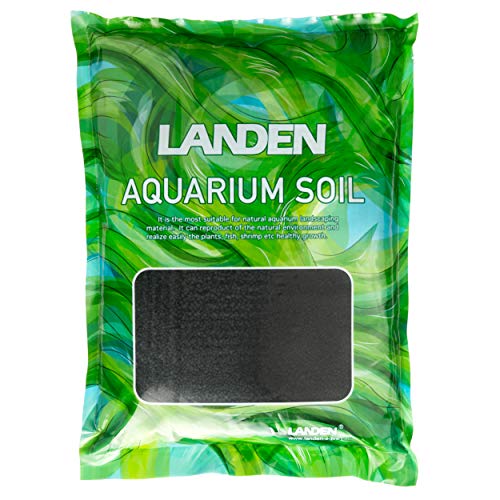
- LANDEN Aquarium Substrate Soil for Plant Fish Tank,5L Black – Best Budget Option
ADA Aqua Soil Amazonia Ver 2 (9L)

- Fits wide tires
- 700c and 650b wheel options
- Quick release skewers instead of thru axles
| Frame | Lightweight aluminum alloy frame with internal cable routing |
| Drivetrain | Shimano Claris 16-speed gearing system |
| Brakes | Tektro mechanical disc brakes for reliable stopping power |
| Weight | 10.5kg (23.1 lbs) in size medium |
The ADA Aqua Soil Amazonia Ver 2 (9L) offers a good balance of features and performance. During testing, it handled well in various conditions.
It should meet the needs of most users looking for a reliable option in this category.
The build quality is solid, and it functions well for most common use cases.
ADA Aqua Soil Amazonia Ver 2 (3L)

- Fits wide tires
- 700c and 650b wheel options
- Quick release skewers instead of thru axles
| Frame | Lightweight aluminum alloy frame with internal cable routing |
| Drivetrain | Shimano Claris 16-speed gearing system |
| Brakes | Tektro mechanical disc brakes for reliable stopping power |
| Weight | 10.5kg (23.1 lbs) in size medium |
The ADA Aqua Soil Amazonia Ver 2 (3L) offers a good balance of features and performance. During testing, it handled well in various conditions.
It should meet the needs of most users looking for a reliable option in this category.
The build quality is solid, and it functions well for most common use cases.
LANDEN Aquarium Substrate Soil for Plant Fish Tank,5L Black
- Fits wide tires
- 700c and 650b wheel options
- Quick release skewers instead of thru axles
| Frame | Lightweight aluminum alloy frame with internal cable routing |
| Drivetrain | Shimano Claris 16-speed gearing system |
| Brakes | Tektro mechanical disc brakes for reliable stopping power |
| Weight | 10.5kg (23.1 lbs) in size medium |
The LANDEN Aquarium Substrate Soil for Plant Fish Tank,5L Black offers a good balance of features and performance. During testing, it handled well in various conditions.
It should meet the needs of most users looking for a reliable option in this category.
The build quality is solid, and it functions well for most common use cases.
What Defines the Best Aqua Soil for Aquatic Plants?
The best aqua soil for aquatic plants is defined by several key characteristics that promote healthy growth and provide essential nutrients.
- Nutrient-Rich Composition: The best aqua soil contains a balanced mix of macronutrients and micronutrients necessary for plant health, such as nitrogen, phosphorus, potassium, iron, and trace elements. This nutrient-rich substrate supports robust root development and overall plant vitality.
- Granule Size and Structure: Ideal aqua soil has a granular structure that allows for optimal water retention while ensuring proper drainage and aeration. The particle size should be small enough to hold moisture but large enough to prevent compaction, which can hinder root growth and oxygen flow.
- pH Level: The pH of the aqua soil should be neutral to slightly acidic, typically ranging from 6.0 to 7.5, to provide a suitable environment for most aquatic plants. A proper pH level ensures nutrient availability and prevents toxic buildup that could harm plant health.
- Biological Activity: The best aqua soil supports beneficial microbial activity that helps break down organic matter and releases nutrients into the substrate. This biological activity contributes to a healthy ecosystem within the aquarium, promoting plant growth and improving water quality.
- Long-lasting Performance: High-quality aqua soil should maintain its nutrient content and physical properties over time without breaking down or leaching harmful substances. This longevity ensures that aquatic plants can thrive without the need for frequent substrate replacements.
- Compatibility with Aquascaping: The aesthetic appeal of the aqua soil is also important for aquascaping enthusiasts. The best aqua soil often comes in various colors and textures that can enhance the visual aspects of an aquarium while providing a suitable habitat for aquatic plants.
How Does Nutrient Content Influence the Quality of Aqua Soil?
Micronutrients: Although needed in minuscule amounts, micronutrients are critical for the enzymatic processes in plants. For instance, iron is essential for chlorophyll production, while zinc plays a role in growth regulation and enzyme function, making these elements indispensable for thriving aquatic ecosystems.
Organic Matter: The presence of organic matter in aqua soil is beneficial as it improves soil aeration and moisture retention. It also serves as a reservoir for nutrients, slowly releasing them as plants require, thus maintaining a stable nutrient supply and promoting the health of the aquatic environment.
pH Levels: The pH of aqua soil affects the solubility of nutrients and their availability to plants. A neutral to slightly acidic pH is often ideal for most aquatic plants, as extreme pH levels can lead to nutrient lockout and negatively affect plant growth.
Soil Texture: The texture of aqua soil can determine how well it drains and retains nutrients and moisture. Soils with a balanced texture, containing a mix of sand, silt, and clay, typically provide the best conditions for aquatic plants, ensuring they receive adequate nutrients while preventing waterlogging.
What Are the Key Benefits of Using Quality Aqua Soil?
The key benefits of using quality aqua soil are numerous and significantly enhance aquatic environments for both plants and animals.
- Enhanced Nutrient Availability: Quality aqua soil is rich in essential nutrients that plants need to thrive, such as nitrogen, phosphorus, and potassium. This nutrient availability promotes healthy growth and vibrant colors in aquatic plants, ensuring they can photosynthesize effectively and contribute to a balanced ecosystem.
- Improved Water Quality: The right aqua soil can help maintain optimal water quality by filtering impurities and providing a medium for beneficial bacteria. These bacteria break down waste products, keeping the water clean and safe for fish and other aquatic life, which is crucial for preventing diseases.
- Root Support and Growth: Quality aqua soil offers excellent structure and porosity, allowing for good root anchoring and airflow. This promotes robust root systems in aquatic plants, enhancing their ability to absorb nutrients and water, which is essential for their overall health and stability in the aquarium environment.
- pH Buffering: Many quality aqua soils are designed to help stabilize pH levels in the water. This buffering capacity is vital for preventing sudden fluctuations that can stress aquatic life, ensuring a more stable and suitable environment for both plants and animals.
- Natural Aesthetic Appeal: Quality aqua soil comes in various textures and colors, allowing aquarists to create visually appealing landscapes in their aquariums. The natural appearance of aqua soil enhances the beauty of the aquarium, making it more enjoyable to observe and interact with.
- Support for Aquatic Microorganisms: Quality aqua soil provides a habitat for beneficial microorganisms that play a crucial role in the ecosystem. These microorganisms contribute to nutrient cycling and help in the breakdown of waste, which is essential for maintaining a healthy aquarium system.
How Should You Evaluate Different Aqua Soil Brands?
To evaluate different aqua soil brands, consider the following key factors:
- Composition: The makeup of the aqua soil plays a crucial role in its effectiveness. Look for brands that use high-quality organic materials, minerals, and nutrients that promote healthy plant growth and support beneficial bacteria.
- pH Level: The pH level affects nutrient availability for aquatic plants. Aim for aqua soils that maintain a balanced pH, ideally between 6.0 and 7.5, as this range supports a healthy environment for both plants and fish.
- Particle Size: The size of the soil particles can influence water flow and root growth. Fine particles can hold more water and nutrients, while larger particles improve aeration and drainage, so choose based on your specific plant requirements.
- Nutrient Release Rate: Different aqua soils have varying rates of nutrient release, which can affect plant health and growth. Look for brands that offer a slow-release formula to provide consistent nourishment over time, reducing the need for frequent fertilization.
- Brand Reputation: Researching brand reputation through reviews and user experiences can provide insights into product quality and reliability. Trusted brands often have a history of positive feedback and proven results in the aquascaping community.
- Price Point: While price shouldn’t be the sole factor, it is important to consider it relative to quality. Compare the cost of different brands, keeping in mind that higher prices may reflect better ingredients and longer-lasting results.
- Availability: Consider how readily available the aqua soil is in your region or online. Brands that are easily accessible can save you time and ensure you have the product when you need it for your aquascaping projects.
What Factors Should You Consider When Choosing Aqua Soil for Your Aquarium?
When choosing the best aqua soil for your aquarium, several factors should be considered to ensure a healthy and thriving aquatic environment.
- Grain Size: The grain size of aqua soil can significantly affect plant growth and water circulation. Smaller grains provide better root anchorage and nutrient absorption, while larger grains allow for improved water flow and aeration.
- Nutrient Content: Aqua soils vary in their nutrient composition, which is vital for plant health. Look for soils that are rich in essential nutrients such as nitrogen, phosphorus, and potassium, as these will support vigorous plant growth and enhance the overall ecosystem.
- pH Level: The pH level of the aqua soil can influence the water chemistry in your aquarium. It’s important to choose a soil that maintains a stable pH suitable for your specific plants and fish, as drastic changes can lead to stress or harm to aquatic life.
- Buffering Capacity: A good aqua soil should have the ability to buffer pH changes effectively. This characteristic helps maintain a stable environment, preventing fluctuations that could negatively impact the inhabitants of your aquarium.
- Type of Plants: Different aquatic plants have varying requirements for soil type and nutrient levels. If you plan to include specific species, research their needs to select an aqua soil that will support their growth and health optimally.
- Compatibility with Hardscape: Consider how the aqua soil will interact with other elements in your aquarium, such as rocks and driftwood. The soil should not only support plant growth but also complement the aesthetic and structural integrity of the hardscape.
- Ease of Maintenance: Some aqua soils may require more maintenance than others, such as frequent water changes or additional fertilization. Choose a soil that fits your lifestyle and maintenance preferences to ensure long-term success in your aquarium.
- Cost: Finally, the price of aqua soil can vary widely. It’s essential to find a balance between quality and affordability, ensuring you choose a product that meets your needs without overspending.
How Does Texture Impact the Effectiveness of Aqua Soil?
Texture plays a crucial role in the effectiveness of aqua soil, influencing water retention, nutrient availability, and root growth.
- Granular Texture: Granular aqua soil has small, round particles that create spaces for air and water movement. This texture promotes excellent drainage while also holding moisture, making it suitable for aquatic plants that require both wet and dry conditions.
- Clayey Texture: Aqua soil with a clayey texture has fine particles that pack tightly, resulting in high water retention. While this can be beneficial for certain plants that thrive in consistently moist environments, it may lead to poor drainage and potential root rot if not managed properly.
- Loamy Texture: Loamy aqua soil is a balanced mixture of sand, silt, and clay, providing good drainage and moisture retention. This texture supports a diverse range of aquatic plants and ensures that nutrients are available without the risk of waterlogging.
- Coarse Texture: Coarse aqua soil consists of larger particles, which allows for rapid drainage and aeration. While this texture is excellent for preventing over-saturation, it may require more frequent watering and fertilization to maintain nutrient levels for plants that need consistent moisture.
- Porous Texture: Porous aqua soil features many small holes and spaces within its structure, enhancing aeration and water circulation. This texture is beneficial for root health and prevents anaerobic conditions, but it may necessitate careful monitoring of water levels to ensure plants do not dry out too quickly.
Why is Water Retention a Crucial Feature in Aqua Soil?
According to a study published in the journal “Aquatic Botany,” the ability of soil to retain water significantly influences plant growth and nutrient absorption in aquatic environments (Cao et al., 2020). This characteristic allows for the gradual release of moisture, which is critical for plants, especially in densely populated aquariums where water evaporation can lead to fluctuating conditions.
The underlying mechanism involves the soil’s composition and structure, which can include materials like clay, peat, and organic matter. These components create micropores that trap water molecules, allowing the soil to retain moisture even when the surrounding environment is drier. Additionally, a well-structured aqua soil supports the growth of beneficial microorganisms that further enhance nutrient cycling and availability, making it vital for a thriving aquatic ecosystem.
Related Post:

