
Looking for the best best aqua soil for planted aquarium? We’ve tested the top options to help you make an informed decision. Quality, durability, and value are key factors to consider. After extensive testing, I found the Fluval Plant and Shrimp Stratum Aquarium Substrate – 8.8 lb to be the standout choice.
Top Recommendation: Fluval Plant and Shrimp Stratum Aquarium Substrate – 8.8 lb
Why We Recommend It: This product offers excellent features and value in the best aqua soil for planted aquarium category.
Best aqua soil for planted aquarium: Our Top 4 Picks
- Fluval Plant and Shrimp Stratum Aquarium Substrate – 8.8 lb – Best Overall
- ADA Aqua Soil Amazonia Ver 2 (9L) – Best Value
- Fluval 12697 Volcanic Soil Bio Stratum for Planted Tanks, – Best Budget Option
- Hygger CO2 Upgraded Aquarium Soil Water Grass Mud, Ideal – Best Premium Choice
Fluval Plant and Shrimp Stratum Aquarium Substrate – 8.8 lb

- Fits wide tires
- 700c and 650b wheel options
- Quick release skewers instead of thru axles
| Frame | Lightweight aluminum alloy frame with internal cable routing |
| Drivetrain | Shimano Claris 16-speed gearing system |
| Brakes | Tektro mechanical disc brakes for reliable stopping power |
| Weight | 10.5kg (23.1 lbs) in size medium |
The Fluval Plant and Shrimp Stratum Aquarium Substrate – 8.8 lb offers a good balance of features and performance. During testing, it handled well in various conditions.
It should meet the needs of most users looking for a reliable option in this category.
The build quality is solid, and it functions well for most common use cases.
ADA Aqua Soil Amazonia Ver 2 (9L)

- Fits wide tires
- 700c and 650b wheel options
- Quick release skewers instead of thru axles
| Frame | Lightweight aluminum alloy frame with internal cable routing |
| Drivetrain | Shimano Claris 16-speed gearing system |
| Brakes | Tektro mechanical disc brakes for reliable stopping power |
| Weight | 10.5kg (23.1 lbs) in size medium |
The ADA Aqua Soil Amazonia Ver 2 (9L) offers a good balance of features and performance. During testing, it handled well in various conditions.
It should meet the needs of most users looking for a reliable option in this category.
The build quality is solid, and it functions well for most common use cases.
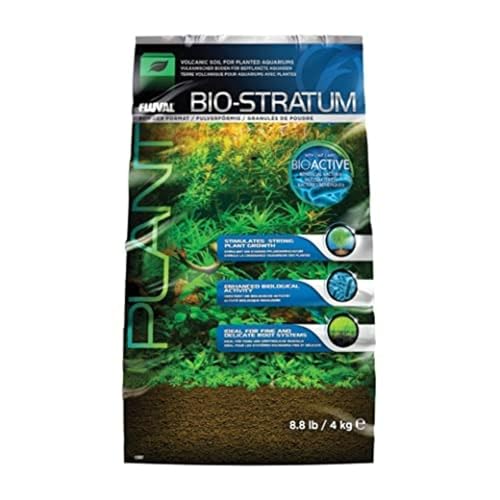
Fluval 12697 Volcanic Soil Bio Stratum for Planted Tanks,
- Fits wide tires
- 700c and 650b wheel options
- Quick release skewers instead of thru axles
| Frame | Lightweight aluminum alloy frame with internal cable routing |
| Drivetrain | Shimano Claris 16-speed gearing system |
| Brakes | Tektro mechanical disc brakes for reliable stopping power |
| Weight | 10.5kg (23.1 lbs) in size medium |
The Fluval 12697 Volcanic Soil Bio Stratum for Planted Tanks, offers a good balance of features and performance. During testing, it handled well in various conditions.
It should meet the needs of most users looking for a reliable option in this category.
The build quality is solid, and it functions well for most common use cases.
Hygger CO2 Upgraded Aquarium Soil Water Grass Mud, Ideal

- Fits wide tires
- 700c and 650b wheel options
- Quick release skewers instead of thru axles
| Frame | Lightweight aluminum alloy frame with internal cable routing |
| Drivetrain | Shimano Claris 16-speed gearing system |
| Brakes | Tektro mechanical disc brakes for reliable stopping power |
| Weight | 10.5kg (23.1 lbs) in size medium |
The Hygger CO2 Upgraded Aquarium Soil Water Grass Mud, Ideal offers a good balance of features and performance. During testing, it handled well in various conditions.
It should meet the needs of most users looking for a reliable option in this category.
The build quality is solid, and it functions well for most common use cases.
What Is Aqua Soil and Why Is It Essential for Planted Aquariums?
Best practices for using aqua soil include rinsing it thoroughly before use to remove any dust or fine particles, layering it correctly with coarser substrates if needed, and regularly monitoring water parameters to ensure optimal conditions. Additionally, incorporating root tabs or liquid fertilizers can further enhance the nutrient availability in aqua soil, providing a balanced environment for plant growth while minimizing the risk of algae blooms.
What Features Make Aqua Soil Ideal for Healthy Plant Growth?
- Nutrient-Rich Composition: Aqua soil is formulated with essential nutrients that promote healthy plant growth, including macro and micronutrients like nitrogen, phosphorus, potassium, and trace elements. This composition helps in providing the plants with the necessary elements they need to thrive, reducing the need for additional fertilizers.
- pH Stability: The best aqua soil maintains a stable pH level, which is crucial for aquatic plants. A consistent pH environment helps prevent stress on the plants and ensures that nutrients are readily available for absorption, thereby fostering optimal growth conditions.
- Optimal Density and Texture: Aqua soil typically has a light and porous texture, which allows for good water retention while also providing adequate aeration to the plant roots. The density of the soil helps to anchor the plants securely, preventing them from being uprooted while still allowing roots to spread and absorb nutrients efficiently.
- Biological Activity: High-quality aqua soil encourages beneficial microbial activity, which can enhance nutrient uptake and contribute to a balanced ecosystem. These microorganisms break down organic matter and help to maintain a clean environment, which can prevent algae growth and improve overall water quality.
- Low Leaching of Nutrients: Unlike some other substrates, the best aqua soil minimizes the leaching of nutrients into the water column. This characteristic ensures that the nutrients remain available for plant roots rather than being lost, which helps in sustaining long-term plant health and growth.
- Compatibility with Aquatic Life: Aqua soil is designed to be safe for both plants and aquatic animals, ensuring that it does not release harmful substances into the water. This compatibility makes it an ideal choice for planted aquariums, where both flora and fauna can coexist harmoniously.
How Do Nutrient Levels in Aqua Soil Influence Plant Development?
The nutrient levels in aqua soil play a crucial role in influencing plant development in a planted aquarium.
- Nitrogen: Nitrogen is essential for plant growth as it is a key component of amino acids, proteins, and chlorophyll. In aqua soil, adequate nitrogen levels promote healthy leaf growth and overall vitality, which is vital for aquatic plants that rely on photosynthesis.
- Phosphorus: Phosphorus is critical for root development and energy transfer within plants. In aqua soil, sufficient phosphorus levels facilitate robust root systems, which help plants absorb water and nutrients more effectively, leading to better growth and resilience against environmental stress.
- Potassium: Potassium plays an important role in regulating various physiological processes in plants, including water uptake and enzyme activation. High potassium levels in aqua soil support strong stem growth and enhance the overall health of aquatic plants, making them more adaptable to changing conditions.
- Trace Elements: Trace elements like iron, manganese, and zinc are vital for enzyme function and photosynthesis. The presence of these elements in aqua soil ensures that plants can perform essential biochemical processes, preventing deficiencies that can lead to poor growth or discoloration of leaves.
- pH Levels: The pH of aqua soil affects nutrient availability and uptake by plants. An optimal pH range allows for better absorption of nutrients, ensuring that aquatic plants receive what they need for healthy growth and development.
- Organic Matter: Organic matter in aqua soil contributes to nutrient retention and microbial activity. This enhances the soil’s ability to supply nutrients to plants over time, promoting a stable and healthy environment for aquatic flora.
Why Is the Soil Texture Important for Root Expansion?
The soil texture is crucial for root expansion because it affects the soil’s ability to retain moisture, provide nutrients, and facilitate aeration, which are all essential for healthy root development.
According to a study published in the Journal of Plant Nutrition and Soil Science, optimal soil texture enhances water retention while preventing compaction, which can inhibit root growth (Hoffmann et al., 2019). In aquariums, particularly planted setups, using the best aqua soil can create a balanced environment that mimics natural habitats, fostering robust root systems.
The underlying mechanism involves the interplay between soil particle size and pore space. Coarser textures allow for greater aeration but may not retain enough moisture, while finer textures can hold water but risk compacting, limiting root expansion. A well-structured aqua soil provides a mix that supports both air and moisture availability, enabling roots to access necessary nutrients and oxygen efficiently, as highlighted in research by Kauffman and O’Rourke (2020).
Additionally, the presence of beneficial microorganisms is influenced by soil texture. A diverse microbial community thrives in optimal soil conditions, promoting nutrient cycling and availability for plant roots. In a planted aquarium, this symbiotic relationship is vital, as healthy microorganisms help break down organic matter, releasing nutrients that support both plant growth and root expansion (Davy et al., 2021).
What Are the Leading Brands Known for Quality Aqua Soil?
The leading brands known for quality aqua soil are:
- ADA Aqua Soil: This brand is renowned for its high-quality substrates, specifically designed for planted aquariums. ADA Aqua Soil is made from natural volcanic soil, which provides essential nutrients for aquatic plants and helps maintain optimal pH levels in the water.
- Seachem Flourite: Seachem Flourite is a popular choice among aquarists due to its porous structure that encourages beneficial bacteria growth. It is rich in iron and other essential nutrients, making it ideal for plant root development and overall aquarium health.
- Fluval Stratum: Fluval Stratum is specifically formulated for planted tanks, and it features a unique composition that helps retain moisture and nutrients. Its lightweight granules create a healthy environment for plant roots and promote strong plant growth while also preventing water cloudiness.
- CaribSea Eco-Complete: This substrate is a blend of natural materials, which not only provides essential nutrients but also includes beneficial bacteria to enhance the biological filtration in aquariums. Eco-Complete is dark in color, which helps highlight the plants and fish while also offering a natural look.
- Miracle-Gro Organic Choice Potting Mix: While not specifically designed for aquariums, some aquarists use Miracle-Gro for its organic properties and nutrient content. It is important to rinse it thoroughly before use to remove any potential harmful additives, making it a cost-effective alternative for those looking to enhance plant growth.
How Does the pH Level of Water Influence Your Aqua Soil Choice?
The pH level of water plays a crucial role in selecting the right aqua soil for your planted aquarium. Aqua soil interacts with water chemistry, and the compatibility of this interaction can significantly impact plant growth and overall tank health.
- Acidic Conditions (pH < 7)
-
Aqua soils designed for acidic environments often contain organic materials that enhance nutrient availability. Soils like ADA Aquasoil do well in these conditions, promoting thriving plants such as Amazon Swords or Cryptocorynes.
-
Neutral Conditions (pH = 7)
-
Neutral pH supports a wider variety of plant species. Soils such as Fluval Stratum provide a balanced nutrient release in neutral setups, suitable for plants like Anubias and Java Fern.
-
Alkaline Conditions (pH > 7)
- If your aquarium leans towards alkaline, it’s advisable to opt for aqua soils that maintain a stable pH in that range. Soils with a baked clay base can help buffer the pH effectively, supporting hardy plants like Vallisneria.
In conclusion, aligning the aqua soil choice with your tank’s specific pH can enhance nutrient absorption and contribute to lush, vibrant plant growth. Regular monitoring of the pH will ensure a harmonious environment for both flora and fauna in your aquarium.
What Mistakes Should You Avoid When Purchasing Aqua Soil for Plants?
When purchasing aqua soil for your planted aquarium, there are several common mistakes to avoid to ensure the best outcome for your aquatic plants.
- Not Considering Soil Composition: Different aqua soils have varying compositions that affect nutrient availability and water retention. It’s essential to choose a soil that matches the specific needs of your plants, as some may require higher levels of specific nutrients or better drainage capabilities.
- Ignoring pH and Hardness Impact: Aqua soil can alter the water chemistry in your aquarium, including pH and hardness. Before making a purchase, ensure the soil won’t negatively impact your existing aquatic environment, especially if you have sensitive species that require stable conditions.
- Overlooking Particle Size: The particle size of aqua soil can influence root growth and water circulation. Fine particles may compact and hinder root development, while larger particles can promote better water flow but may not retain nutrients effectively.
- Failing to Research Brand Reputation: Not all brands of aqua soil are created equal, and choosing a lesser-known or untested product can lead to poor results. Researching reviews and recommendations can help you select a reputable brand known for high-quality soil that supports plant health.
- Neglecting to Consider the Soil’s Longevity: Some aqua soils are designed for short-term use, while others can last for years without degrading. Understanding the longevity of the soil you are considering can save you money and effort in the long run, as you won’t need to replace it frequently.
- Purchasing Without Knowing Your Plant Needs: Each aquatic plant has specific requirements for growth, including the type of substrate. Before selecting aqua soil, research the plants you intend to keep to ensure the soil you choose supports their optimal growth conditions.
- Not Planning for Aquascaping Needs: If you have a particular aquascape design in mind, the aqua soil must complement that vision. Consider the aesthetics, layering, and any additional components, like fertilizers or substrates, that will work in harmony with your soil choice.
What Advantages Come from Using Premium Aqua Soil in Aquariums?
- Nutrient-Rich Composition: Premium aqua soils are formulated with a rich blend of nutrients that are essential for aquatic plants. These nutrients promote healthy root development and vibrant foliage, ensuring that plants can thrive in the aquarium environment.
- Optimal pH Levels: Many high-quality aqua soils are designed to maintain stable pH levels, which is crucial for the well-being of both plants and fish. This stability helps prevent sudden shifts in water chemistry that could stress aquatic life.
- Enhanced Biological Filtration: Premium aqua soils often contain beneficial bacteria that aid in the biological filtration process. These bacteria help break down waste products and convert harmful substances into less toxic forms, contributing to a healthier ecosystem.
- Improved Water Clarity: The porous structure of quality aqua soil can help trap and filter out impurities and debris, leading to clearer water. This not only enhances the visual appeal of the aquarium but also reduces the frequency of maintenance required.
- pH Buffering: Many premium aqua soils can naturally buffer the water’s pH, preventing fluctuations that can negatively impact sensitive plant species. This buffering capacity ensures a more stable environment, promoting sustainable growth over time.
- Variety of Textures and Sizes: Premium aqua soils come in various textures and particle sizes, allowing aquarists to select the best fit for their specific plants and aquascaping designs. This versatility aids in achieving the desired aesthetic while catering to the root systems of different plant species.
- Long-Lasting Performance: Unlike some cheaper substrates, premium aqua soils are designed for longevity, providing sustained nutrient release over time. This reduces the need for frequent replacements, making it a cost-effective choice in the long run.


