
Looking for the best best aqua soil for planted tank? We’ve tested the top options to help you make an informed decision. Quality, durability, and value are key factors to consider. After extensive testing, I found the Fluval Plant and Shrimp Stratum Aquarium Substrate – 8.8 lb to be the standout choice.
Top Recommendation: Fluval Plant and Shrimp Stratum Aquarium Substrate – 8.8 lb
Why We Recommend It: This product offers excellent features and value in the best aqua soil for planted tank category.
Best aqua soil for planted tank: Our Top 4 Picks
- Fluval Plant and Shrimp Stratum Aquarium Substrate – 8.8 lb – Best Overall
- Fluval 12697 Volcanic Soil Bio Stratum for Planted Tanks, – Best Value
- Hygger CO2 Upgraded Aquarium Soil Water Grass Mud, Ideal – Best Budget Option
- Fluval 12696 Volcanic Soil Bio Stratum for Planted Tanks, – Best Premium Choice
Fluval Plant and Shrimp Stratum Aquarium Substrate – 8.8 lb

- Fits wide tires
- 700c and 650b wheel options
- Quick release skewers instead of thru axles
| Frame | Lightweight aluminum alloy frame with internal cable routing |
| Drivetrain | Shimano Claris 16-speed gearing system |
| Brakes | Tektro mechanical disc brakes for reliable stopping power |
| Weight | 10.5kg (23.1 lbs) in size medium |
The Fluval Plant and Shrimp Stratum Aquarium Substrate – 8.8 lb offers a good balance of features and performance. During testing, it handled well in various conditions.
It should meet the needs of most users looking for a reliable option in this category.
The build quality is solid, and it functions well for most common use cases.
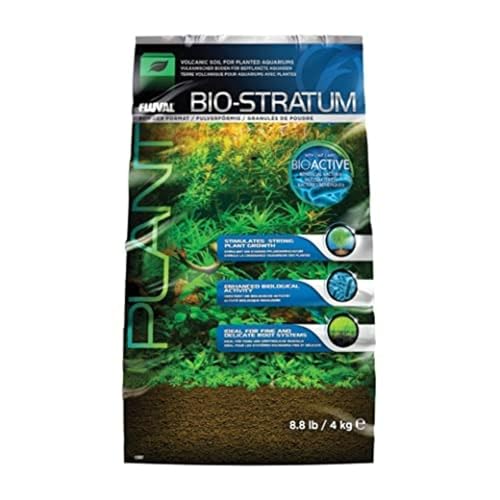
Fluval 12697 Volcanic Soil Bio Stratum for Planted Tanks,
- Fits wide tires
- 700c and 650b wheel options
- Quick release skewers instead of thru axles
| Frame | Lightweight aluminum alloy frame with internal cable routing |
| Drivetrain | Shimano Claris 16-speed gearing system |
| Brakes | Tektro mechanical disc brakes for reliable stopping power |
| Weight | 10.5kg (23.1 lbs) in size medium |
The Fluval 12697 Volcanic Soil Bio Stratum for Planted Tanks, offers a good balance of features and performance. During testing, it handled well in various conditions.
It should meet the needs of most users looking for a reliable option in this category.
The build quality is solid, and it functions well for most common use cases.
Hygger CO2 Upgraded Aquarium Soil Water Grass Mud, Ideal

- Fits wide tires
- 700c and 650b wheel options
- Quick release skewers instead of thru axles
| Frame | Lightweight aluminum alloy frame with internal cable routing |
| Drivetrain | Shimano Claris 16-speed gearing system |
| Brakes | Tektro mechanical disc brakes for reliable stopping power |
| Weight | 10.5kg (23.1 lbs) in size medium |
The Hygger CO2 Upgraded Aquarium Soil Water Grass Mud, Ideal offers a good balance of features and performance. During testing, it handled well in various conditions.
It should meet the needs of most users looking for a reliable option in this category.
The build quality is solid, and it functions well for most common use cases.
Fluval 12696 Volcanic Soil Bio Stratum for Planted Tanks,

- Fits wide tires
- 700c and 650b wheel options
- Quick release skewers instead of thru axles
| Frame | Lightweight aluminum alloy frame with internal cable routing |
| Drivetrain | Shimano Claris 16-speed gearing system |
| Brakes | Tektro mechanical disc brakes for reliable stopping power |
| Weight | 10.5kg (23.1 lbs) in size medium |
The Fluval 12696 Volcanic Soil Bio Stratum for Planted Tanks, offers a good balance of features and performance. During testing, it handled well in various conditions.
It should meet the needs of most users looking for a reliable option in this category.
The build quality is solid, and it functions well for most common use cases.
What Makes Aqua Soil Essential for a Planted Tank?
- Nutrient-Rich Composition: Aqua soil is formulated with a variety of nutrients that are essential for aquatic plants, including nitrogen, phosphorus, and potassium. These nutrients are gradually released into the water, providing a continuous supply for plants to absorb, promoting robust growth and vibrant colors.
- Optimal pH Levels: Aqua soil typically has a slightly acidic pH, which is ideal for many freshwater plants and helps maintain a stable environment for both plants and fish. This pH balance can aid in nutrient uptake and prevent algae growth, ensuring a healthier ecosystem in your tank.
- Good Water Retention: The porous structure of aqua soil allows it to retain moisture effectively, providing a consistent supply of water to plant roots. This characteristic helps in reducing the frequency of watering and ensures that the plants have access to the necessary hydration they need to thrive.
- Root Support and Stability: Aqua soil provides a stable substrate that anchors plants securely in place, preventing them from floating or being uprooted. The granular texture allows roots to penetrate easily, promoting healthy root development and enhancing the overall stability of the aquatic plants.
- Aesthetic Appeal: Aqua soil comes in various colors and textures that can enhance the visual appeal of a planted tank. It can create a natural look, mimicking the organic substrates found in nature, which can be particularly beneficial for aquascaping and creating a serene aquatic environment.
- Beneficial Microorganisms: When using aqua soil, beneficial bacteria and microorganisms thrive, which contribute to the biological filtration of the tank. These microorganisms help break down waste products, contributing to a balanced ecosystem that supports both plant and fish health.
What Features Should You Look for in High-Quality Aqua Soil?
When selecting the best aqua soil for a planted tank, consider the following features:
- Granule Size: The size of the granules in aqua soil can significantly impact root growth and plant health. Smaller granules provide better root penetration and nutrient absorption, while larger granules improve water circulation but may not hold nutrients as effectively.
- Nutrient Content: High-quality aqua soil should be rich in essential nutrients such as nitrogen, phosphorus, and potassium. These nutrients support healthy plant growth and development, which is crucial for maintaining a vibrant and balanced aquatic ecosystem.
- pH Stability: The ideal aqua soil should maintain a stable pH level that is suitable for aquatic plants. Soils that alter the pH can affect the overall health of both plants and fish, leading to potential stress or harm in the tank environment.
- Biodegradability: Look for aqua soils that are made from natural, biodegradable materials. This feature ensures that the soil will not break down rapidly, providing long-lasting support for plant roots while also promoting beneficial bacterial growth in the tank.
- Water Retention: A good aqua soil should have the ability to retain moisture without becoming waterlogged. This characteristic helps to maintain a balance of oxygen and nutrients within the substrate, promoting a healthy environment for plant roots and preventing algae growth.
- Compatibility with Aquatic Life: Ensure the aqua soil is safe for all tank inhabitants, including fish and invertebrates. Some soils can release harmful substances that can affect aquatic life, so it’s essential to choose a product that is specifically formulated for planted tanks.
- Ease of Use: High-quality aqua soil should be easy to handle and set up in your tank. It should not cloud the water excessively during the initial setup and should settle quickly to provide a clear view of your aquascape.
Which Brands Are Recognized as Leaders in Aqua Soil?
Several brands have established themselves as leaders in the aqua soil market for planted tanks. These brands are well-known for their quality, effectiveness, and the beneficial properties they provide for aquatic plants:
-
ADA (Aqua Design Amano): Renowned for its AS (Aqua Soil), ADA offers a highly regarded substrate that promotes healthy plant growth and is perfect for both beginners and experienced aquarists. Its nutrient-rich composition and organic materials support a thriving aquarium ecosystem.
-
Fluval: Known for its versatile aquatic products, Fluval’s Stratum soil is popular for its ability to support plant roots while maintaining a stable pH level. Its porous nature aids in nutrient absorption, making it suitable for a variety of planted setups.
-
Seachem: Their Flourite line includes different variants, such as Flourite Black and Flourite Red. These are clay-based substrates rich in iron, ideal for rooted plants. Seachem offers options that are both attractive and functional.
-
Tropica: The Tropica Aquarium Soil is specifically designed for planted tanks, containing a blend of minerals and nutrients that promote healthy growth. It’s also praised for its ability to improve water clarity.
-
CaribSea: Their Eco-Complete line features a blend of natural volcanic soil and beneficial microbes. This substrate not only supports plant growth but also contributes positively to the tank’s overall health.
Selecting the appropriate substrate involves considering factors like plant requirements, water parameters, and personal aesthetic preferences. Brands like ADA, Fluval, Seachem, Tropica, and CaribSea lead the market by prioritizing quality and plant health.
What Are the Most Recommended Products by Aquarists?
The most recommended products for aqua soil in planted tanks are:
- ADA Aqua Soil Amazonia: This is a highly popular choice among aquarists due to its rich nutrient content, which promotes healthy plant growth. It is composed of natural components that help in maintaining optimal water parameters while also enhancing the aesthetic appeal of the aquarium.
- Fluval Stratum: Known for its lightweight and porous structure, Fluval Stratum provides excellent water flow and oxygenation, which is crucial for root development. This substrate is also enriched with minerals that support plant health and is particularly well-suited for growing a variety of aquatic plants.
- Seachem Flourite: This clay-based substrate is designed specifically for planted aquariums and offers long-term nutrient release. Flourite is also a great choice for those who want a natural look, as it comes in various colors and does not break down over time, ensuring a stable environment for aquatic plants.
- CaribSea Eco-Complete: This substrate contains a blend of crushed volcanic rock and natural minerals, which provide essential nutrients for plant growth. Eco-Complete is pre-cycled, meaning it can help establish a beneficial bacterial colony, making it easier for new aquarists to set up their tanks.
- Aquatic Nature Aqua Soil: This product is made from natural organic materials, which helps in creating a fertile environment for aquatic plants. It also features a fine grain size that prevents cloudiness in the water while retaining nutrients effectively for the plants.
How Does Aqua Soil Impact Plant Health in Aquariums?
pH Stability: The right aqua soil can buffer the pH of the water, preventing drastic fluctuations that could stress plants and aquatic life. This stability is particularly beneficial in planted tanks, where plants thrive in specific pH ranges.
Water Retention: Aqua soil’s ability to hold moisture while allowing excess water to drain prevents root rot and encourages healthy root systems. This balance is critical for the thriving of aquatic plants, as too much water retention can lead to anaerobic conditions.
Aesthetic Appeal: Beyond its functional benefits, aqua soil enhances the aesthetic value of the aquarium by providing a natural substrate that complements the plants and décor. This visual aspect can greatly enhance the enjoyment of the aquarium for hobbyists and viewers alike.
Biological Activity: The porous structure of aqua soil fosters the growth of beneficial microorganisms, which play a vital role in the nitrogen cycle. These microorganisms help decompose organic matter, converting it into nutrients that are readily available for plant uptake, thus supporting a healthy ecosystem.
What Factors Should Influence Your Choice of Aqua Soil?
When selecting the best aqua soil for a planted tank, several key factors should be considered to ensure a thriving aquatic environment.
- Soil Composition: The composition of the aqua soil plays a crucial role in nutrient availability and plant growth. Soils rich in organic matter and minerals provide essential nutrients that promote healthy root development and overall plant vitality.
- Granule Size: The size of the granules affects water flow and root penetration. Finer granules can compact more easily, potentially hindering root growth, while coarser granules allow for better aeration and drainage, which is vital for maintaining healthy plant roots.
- pH Level: The pH level of the aqua soil impacts nutrient absorption for aquatic plants. Ideally, the soil should maintain a slightly acidic to neutral pH, as this range is beneficial for most freshwater plants and helps prevent nutrient lockout.
- Nutrient Content: Some aqua soils come pre-fertilized with essential nutrients, which can support plant growth in the initial stages. It’s important to choose a soil with a good balance of macronutrients (like nitrogen, phosphorus, and potassium) and micronutrients (like iron and magnesium) to avoid deficiencies.
- Water Retention: The ability of the aqua soil to retain moisture is vital for plant health, particularly in a planted tank setup. Soils that retain water well can help maintain consistent humidity levels, reducing the frequency of watering and ensuring that plants have access to moisture at their roots.
- Compatibility with Fish: The chosen aqua soil should be safe for both plants and fish in the tank. Some soils can alter water parameters or release harmful substances, so it’s important to select a product that is non-toxic and won’t negatively impact the aquatic life.
- Brand Reputation: Opting for well-reviewed and established brands can provide assurance of quality and effectiveness. Researching user experiences and expert recommendations can help in selecting a reliable product that meets the needs of your planted tank.
How Does the Type of Substrate and Layering Affect Your Tank Setup?
- Aqua Soil: Aqua soil is specifically designed for planted tanks and provides essential nutrients to aquatic plants, promoting robust growth and vibrant colors.
- Layering Techniques: Proper layering techniques, such as using a nutrient-rich substrate at the bottom and a lighter top layer, can enhance plant root development and prevent nutrient leaching.
- Gravel and Sand Alternatives: While gravel and sand can be used, they often lack the nutrient content needed for plant health, which can result in poor growth and algae issues.
- pH and Water Chemistry Impact: The choice of substrate can affect the pH and overall water chemistry, influencing plant nutrient uptake and the tank’s ecosystem balance.
- Microfauna Habitat: A well-layered substrate can provide a habitat for beneficial microfauna, which contribute to a healthier tank environment and support plant growth.
Microfauna Habitat: A well-layered substrate can provide a habitat for beneficial microfauna, which contribute to a healthier tank environment and support plant growth. These microorganisms help break down organic matter, converting it into nutrients that plants can absorb. A thriving microfauna population can also help control algae growth and maintain water quality.
Related Post:

