
Looking for the best best aquarium canister filter for large tanks? We’ve tested the top options to help you make an informed decision. Quality, durability, and value are key factors to consider. After extensive testing, I found the Veehoo Canister Filters for Aquarium Easy Bottom Drain up to be the standout choice.
Top Recommendation: Veehoo Canister Filters for Aquarium Easy Bottom Drain up
Why We Recommend It: This product offers excellent features and value in the best aquarium canister filter for large tanks category.
Best aquarium canister filter for large tanks: Our Top 5 Picks
- Veehoo Canister Filters for Aquarium Easy Bottom Drain up – Best Overall
- Fluval FX2 High Performance Canister Aquarium Filter for Up – Best Value
- Penn-Plax Cascade 1000 Canister Filter – 265 GPH Aquarium – Best Budget Option
- fishkeeper 390GPH Canister Filter, 3-Stage Filtration – Best Premium Choice
- Veehoo Canister Filters for Aquarium, Quiet External Fish – Best for Beginners
Veehoo Canister Filters for Aquarium Easy Bottom Drain up

- Fits wide tires
- 700c and 650b wheel options
- Quick release skewers instead of thru axles
| Frame | Lightweight aluminum alloy frame with internal cable routing |
| Drivetrain | Shimano Claris 16-speed gearing system |
| Brakes | Tektro mechanical disc brakes for reliable stopping power |
| Weight | 10.5kg (23.1 lbs) in size medium |
The Veehoo Canister Filters for Aquarium Easy Bottom Drain up offers a good balance of features and performance. During testing, it handled well in various conditions.
It should meet the needs of most users looking for a reliable option in this category.
The build quality is solid, and it functions well for most common use cases.
Fluval FX2 High Performance Canister Aquarium Filter for Up

- Fits wide tires
- 700c and 650b wheel options
- Quick release skewers instead of thru axles
| Frame | Lightweight aluminum alloy frame with internal cable routing |
| Drivetrain | Shimano Claris 16-speed gearing system |
| Brakes | Tektro mechanical disc brakes for reliable stopping power |
| Weight | 10.5kg (23.1 lbs) in size medium |
The Fluval FX2 High Performance Canister Aquarium Filter for Up offers a good balance of features and performance. During testing, it handled well in various conditions.
It should meet the needs of most users looking for a reliable option in this category.
The build quality is solid, and it functions well for most common use cases.
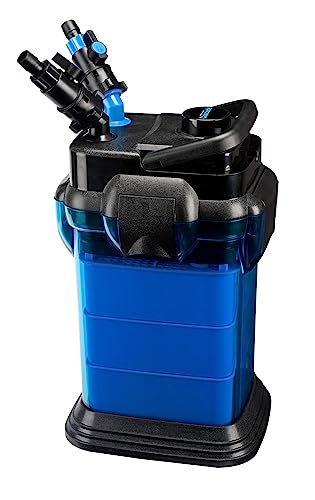
Penn-Plax Cascade 1000 Canister Filter – 265 GPH Aquarium
- Fits wide tires
- 700c and 650b wheel options
- Quick release skewers instead of thru axles
| Frame | Lightweight aluminum alloy frame with internal cable routing |
| Drivetrain | Shimano Claris 16-speed gearing system |
| Brakes | Tektro mechanical disc brakes for reliable stopping power |
| Weight | 10.5kg (23.1 lbs) in size medium |
The Penn-Plax Cascade 1000 Canister Filter – 265 GPH Aquarium offers a good balance of features and performance. During testing, it handled well in various conditions.
It should meet the needs of most users looking for a reliable option in this category.
The build quality is solid, and it functions well for most common use cases.
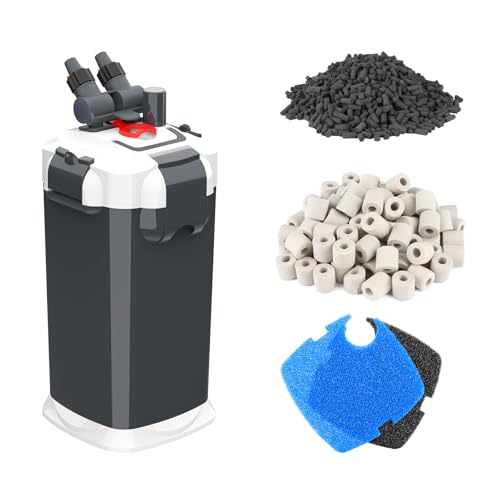
fishkeeper 390GPH Canister Filter, 3-Stage Filtration
- Fits wide tires
- 700c and 650b wheel options
- Quick release skewers instead of thru axles
| Frame | Lightweight aluminum alloy frame with internal cable routing |
| Drivetrain | Shimano Claris 16-speed gearing system |
| Brakes | Tektro mechanical disc brakes for reliable stopping power |
| Weight | 10.5kg (23.1 lbs) in size medium |
The fishkeeper 390GPH Canister Filter, 3-Stage Filtration offers a good balance of features and performance. During testing, it handled well in various conditions.
It should meet the needs of most users looking for a reliable option in this category.
The build quality is solid, and it functions well for most common use cases.
Veehoo Canister Filters for Aquarium, Quiet External Fish

- Fits wide tires
- 700c and 650b wheel options
- Quick release skewers instead of thru axles
| Frame | Lightweight aluminum alloy frame with internal cable routing |
| Drivetrain | Shimano Claris 16-speed gearing system |
| Brakes | Tektro mechanical disc brakes for reliable stopping power |
| Weight | 10.5kg (23.1 lbs) in size medium |
The Veehoo Canister Filters for Aquarium, Quiet External Fish offers a good balance of features and performance. During testing, it handled well in various conditions.
It should meet the needs of most users looking for a reliable option in this category.
The build quality is solid, and it functions well for most common use cases.
What Features Should You Look for in a Canister Filter for Large Tanks?
When searching for the best aquarium canister filter for large tanks, consider the following features:
- Flow Rate: The flow rate is crucial as it determines how much water the filter can process in a given time. For large tanks, a higher flow rate ensures efficient filtration, keeping the water clean and well-circulated.
- Filter Media Options: A good canister filter should offer various filter media options like mechanical, chemical, and biological filtration. This versatility allows you to customize the filter setup according to your tank’s specific needs and the types of fish or plants you have.
- Size and Capacity: The size of the canister filter should be suitable for the volume of your aquarium. Larger tanks require filters with a higher capacity to manage waste effectively, so ensure that the canister can accommodate the demands of your setup.
- Ease of Maintenance: Look for a filter that is easy to disassemble and clean. Regular maintenance is essential for optimal performance, and features like quick-release valves and accessible filter media compartments can significantly simplify the process.
- Noise Level: A silent operation is preferable, especially for home environments. Canister filters can vary in noise levels, so seek out models designed for quiet operation to minimize disturbances.
- Durability and Build Quality: The construction quality of the canister filter matters for long-term use. Filters made from high-quality, durable materials are less likely to leak or break, ensuring a reliable operation over time.
- Energy Efficiency: Canister filters can consume a significant amount of power, so energy-efficient models can help reduce electricity costs while still providing effective filtration. Look for filters that are designed to be energy-efficient without compromising performance.
Why Is the Flow Rate Critical for Large Aquariums?
According to a study published in the Journal of Aquatic Ecology, adequate water movement is essential for the removal of waste products and the distribution of nutrients within the aquarium ecosystem. Filters with insufficient flow rates can lead to dead zones where debris accumulates, leading to poor water quality and stressing aquatic inhabitants (Smith et al., 2020).
The underlying mechanism involves the relationship between water circulation and biological filtration. In large tanks, the volume of water means that pollutants can build up quickly if not adequately circulated. Canister filters with optimal flow rates not only process larger volumes of water but also enhance gas exchange at the water’s surface, which is critical for maintaining oxygen levels. Without proper flow, certain areas may experience stagnation, which can lead to anaerobic conditions and the proliferation of harmful bacteria (Jones & Green, 2019). Additionally, the flow rate affects the distribution of heat and temperature, further influencing the health of the aquarium ecosystem.
How Do Different Filtration Media Impact Performance?
The choice of filtration media greatly impacts the performance of aquarium canister filters, especially for large tanks.
- Mechanical Filtration Media: This media physically removes debris and particulate matter from the water.
- Chemical Filtration Media: This type of media is used to remove dissolved impurities and toxins through chemical reactions.
- Biological Filtration Media: This media provides a surface area for beneficial bacteria to colonize, aiding in the breakdown of harmful substances.
- Activated Carbon: A popular chemical filtration media that effectively adsorbs toxins, odors, and discoloration from the water.
- Foam Pads: Commonly used for mechanical filtration, foam pads trap larger particles while allowing water to flow through easily.
- Bio Balls: These are designed for biological filtration, offering a large surface area for beneficial bacteria to thrive.
Mechanical filtration media, such as sponges or foam pads, works to collect debris and sediments, which is crucial for maintaining clear water and reducing organic waste buildup. This type of media is often the first stage in a multi-stage filtration process, ensuring that larger particles are removed before water passes through finer filters.
Chemical filtration media, including activated carbon and specialty resins, helps to purify the water by removing dissolved pollutants and toxins that can harm aquatic life. This media is essential for maintaining water quality, especially in environments with sensitive species or where water clarity is a priority.
Biological filtration media, like ceramic rings or bio balls, is important for establishing a healthy ecosystem within the aquarium. These materials provide ample surface area for beneficial bacteria to grow, which convert harmful ammonia and nitrites into less harmful nitrates, thus promoting a balanced and healthy environment for fish and plants.
Activated carbon is particularly effective in removing chemical impurities and is often used in conjunction with other filtration media. It works through adsorption, trapping unwanted substances within its porous structure and improving water clarity and quality.
Foam pads serve as a critical component in mechanical filtration, capturing larger debris while allowing for optimal water flow through the filtration system. Their design often includes multiple layers of varying densities to enhance filtration efficiency.
Bio balls are specifically engineered for biological filtration, providing a unique structure that supports a high colony of beneficial bacteria. Their design optimizes water flow and oxygen exchange, making them ideal for large tanks that require robust biological filtration to handle higher bioloads.
What Are the Advantages of Using Canister Filters in Large Aquariums?
Canister filters offer numerous advantages for large aquariums, making them a popular choice among aquarists.
- High Filtration Capacity: Canister filters are designed to handle large volumes of water, which is essential for maintaining water quality in big tanks. Their multi-stage filtration process, including mechanical, biological, and chemical filtration, ensures that the water remains clean and clear, effectively removing debris, toxins, and harmful substances.
- Versatile Media Options: These filters allow for customization with various types of filter media. Users can combine different media types to target specific filtration needs, such as activated carbon for chemical filtration or ceramic rings for biological filtration, thereby enhancing the overall health of the aquatic environment.
- Quiet Operation: Canister filters typically operate quieter than other filter types, such as hang-on-back or internal filters. This is particularly beneficial in larger aquariums where noise can be more noticeable, providing a more serene viewing experience for both the aquarist and the aquatic inhabitants.
- Space Efficiency: Canister filters are often placed outside the aquarium, freeing up valuable space within the tank. This design not only allows for more freedom in aquascaping but also reduces clutter and enhances the aesthetic appeal of the aquarium.
- Ease of Maintenance: Many canister filters incorporate features that simplify cleaning and maintenance, such as quick-release valves and removable filter trays. This ease of maintenance is crucial for larger tanks, as it allows for more efficient upkeep without needing to disrupt the aquarium’s ecosystem significantly.
- Enhanced Water Flow: Canister filters often provide adjustable water flow rates, which can be tailored to suit the specific needs of the aquarium. This flexibility ensures proper circulation and oxygenation, promoting a healthier environment for fish and plants alike.
How Do Canister Filters Enhance Water Quality?
Canister filters are an effective solution for enhancing water quality in large aquarium tanks.
- Mechanical Filtration: This process involves the physical removal of debris and particles from the water. Canister filters use filter pads and sponges that trap uneaten food, fish waste, and other particulate matter, ensuring that the water remains clear and free from harmful build-up.
- Chemical Filtration: Canister filters often include activated carbon or other chemical media that absorb toxins and impurities. This eliminates harmful substances such as chlorine, ammonia, and other pollutants, which can contribute to poor water quality and stress for aquatic life.
- Biological Filtration: The design of canister filters allows for a large surface area for beneficial bacteria to colonize. These bacteria break down harmful ammonia and nitrites produced by fish waste and uneaten food, converting them into less harmful nitrates, which are safer for the aquarium environment.
- Flow Rate Control: Many canister filters allow users to adjust the flow rate according to the tank size and the needs of the aquarium inhabitants. This flexibility helps maintain the right water circulation, which is essential for distributing heat and nutrients evenly throughout the tank.
- Versatile Media Options: Canister filters provide the ability to customize filter media, allowing aquarists to choose the best combinations of mechanical, chemical, and biological filtration. This adaptability enables users to tailor their filtration system to meet specific water quality needs for different types of aquatic life.
What Regular Maintenance Do Canister Filters Require?
Regular maintenance is crucial for the efficiency and longevity of canister filters, particularly in large tanks. Adhering to a maintenance schedule keeps your aquarium environment healthy. Here are the essential tasks involved:
-
Cleaning and Replacement of Filter Media: Depending on the filter type, replace or rinse filter media every 4 to 8 weeks. Mechanical media (sponge or foam) can be rinsed in tank water to remove debris, while chemical media (activated carbon or resins) should be replaced to ensure effective filtration.
-
Check and Clean Pump Impeller: Monthly checks on the impeller prevent clogs due to debris buildup. If necessary, clean it with a soft brush and rinse in tank water.
-
Inspect Hoses and Tubing: Regularly inspect hoses for cracks or blockages. Clean them monthly to prevent algae growth or buildup.
-
Reassemble and Prime the Filter: After cleaning, reassemble the filter properly to prevent leaks. Ensure the filter is primed before restarting to avoid air pockets.
-
Monitor Water Parameters: Regularly test parameters like ammonia, nitrites, and nitrates. A drop in filtration efficiency may reflect increased levels of these substances, indicating a need for immediate filter maintenance.
Consistent maintenance optimizes canister filter performance, ensuring a stable habitat for aquatic life.
Which Canister Filters Are Most Suitable for Large Tanks?
The best aquarium canister filters for large tanks combine powerful filtration, high capacity, and reliable performance.
- Fluval FX6: Known for its impressive filtration capacity, this filter can handle aquariums up to 400 gallons.
- Eheim Classic 600: A highly durable option with a robust build, suitable for tanks up to 160 gallons.
- Marineland Magniflow 360: Offers excellent water circulation and is designed for tanks up to 100 gallons, making it versatile for large setups.
- Coralife Super Skimmer 220: Although primarily a protein skimmer, it also functions effectively as a canister filter for large marine tanks.
- SunSun HW-304B: A budget-friendly option that still delivers powerful filtration for tanks up to 150 gallons.
Fluval FX6: This canister filter features a multi-stage filtration system that includes mechanical, chemical, and biological filtration. Its powerful pump circulates water efficiently, and the large media capacity ensures optimal performance even in heavily stocked aquariums.
Eheim Classic 600: This model is celebrated for its reliability and longevity, featuring a simple design that allows for easy maintenance. The filter uses high-quality filter media, ensuring excellent water clarity and quality in larger tanks.
Marineland Magniflow 360: Equipped with a self-priming feature and a 3-stage filtration system, this filter ensures comprehensive cleaning of the aquarium water. Its adjustable flow rate allows customization according to the tank’s needs, making it a suitable choice for various aquatic environments.
Coralife Super Skimmer 220: This filter is unique as it combines protein skimming and canister filtration, ideal for marine environments. It effectively removes organic compounds, ensuring cleaner water for fish and corals in larger setups.
SunSun HW-304B: This filter offers an impressive flow rate and comes with all necessary filter media. Its affordability and effectiveness make it a popular choice among aquarium enthusiasts looking for a reliable filter for larger tanks without breaking the bank.
What Makes Each Recommended Canister Filter Unique?
The best aquarium canister filters for large tanks offer unique features tailored to specific needs and preferences.
- Fluval FX6: Known for its high flow rate and multi-stage filtration system, the Fluval FX6 can handle aquariums up to 400 gallons. Its smart pump technology automatically removes air from the system, ensuring efficient operation, while the capacity to hold a variety of filter media makes it versatile for different tank setups.
- Eheim Classic 600: This filter is praised for its durability and simplicity, making it ideal for both novice and seasoned aquarists. With a robust construction and the ability to accommodate various filter media, it provides reliable mechanical, biological, and chemical filtration for tanks up to 160 gallons.
- Marineland Magniflow 360: This filter stands out for its easy maintenance and innovative design, featuring a self-priming pump and quick-release valves for hassle-free cleaning. It is suitable for aquariums up to 100 gallons and utilizes a four-stage filtration system, ensuring crystal-clear water and a healthy environment for fish.
- JBJ 45G Rimless Canister Filter: Specifically designed for aquariums up to 45 gallons, this filter is compact yet powerful. It offers a unique filtration system that includes a sponge, activated carbon, and bio-media, promoting excellent water quality while maintaining a low profile in the tank.
- Penn Plax Cascade 1500: This filter is recognized for its affordability and efficiency, making it an excellent choice for large tanks up to 150 gallons. It features a multi-stage filtration process and a large capacity for filter media, allowing for customizable filtration options tailored to the specific needs of the aquarium.
How Can You Identify the Best Option Based on Your Needs?
To identify the best aquarium canister filter for large tanks, consider the following factors:
- Flow Rate: The flow rate of a canister filter is crucial for ensuring adequate water circulation and filtration. For large tanks, look for filters with a flow rate that can handle at least four times the volume of your aquarium per hour, as this helps maintain water quality and clarity.
- Filter Media Options: A good canister filter should offer a variety of filter media options, including mechanical, chemical, and biological filtration. This versatility allows you to customize the filter to meet the specific needs of your aquarium’s inhabitants, ensuring optimal water conditions.
- Size and Design: The size of the canister filter must fit well with your aquarium setup and leave room for maintenance. A compact design can save space while still providing powerful filtration; however, ensure it has adequate capacity for the tank’s size.
- Ease of Maintenance: Look for filters that are easy to disassemble and clean, as this will make your maintenance routine less cumbersome. Features like quick-release valves and easy-access filter compartments can significantly simplify the cleaning process.
- Noise Level: Canister filters can vary in their noise output, so consider options that operate quietly, especially if your tank is in a living space. A well-designed canister filter with a quiet motor will ensure a peaceful environment for both you and your aquatic life.
- Brand Reputation and Reviews: Research brands known for their reliability and performance in aquarium filtration. Customer reviews and expert recommendations can provide insights into the long-term effectiveness and durability of a filter, guiding you toward a trustworthy choice.
What Common Mistakes Should You Avoid When Selecting a Canister Filter?
When selecting a canister filter for large tanks, avoiding certain common mistakes can greatly enhance your aquarium’s health and efficiency.
- Underestimating the Filter’s Flow Rate: Many aquarists overlook the importance of the filter’s flow rate, which should ideally be able to process the entire volume of water in the tank 3-5 times per hour. A lower flow rate can lead to inadequate filtration and poor water quality, while too high a flow might disturb delicate aquatic plants or stress fish.
- Ignoring the Size of the Canister: Choosing a canister that is too small for your tank can result in insufficient filtration capacity. It’s crucial to match the canister size to the tank volume, as larger tanks require more extensive filtration systems to maintain clear and healthy water.
- Neglecting Maintenance Requirements: Many users fail to consider how often the filter will need maintenance, such as cleaning or replacing media. A complex system that is difficult to maintain can lead to neglect, resulting in poor filtration performance over time.
- Not Considering Media Options: Selecting a canister filter without evaluating the types of filter media that can be used can limit its effectiveness. Different media types (mechanical, chemical, and biological) are essential for addressing specific filtration needs, so ensure the filter supports a variety of options for optimal performance.
- Overlooking Noise Levels: Noise can be a significant factor in filter selection, particularly for aquarists who keep their tanks in living spaces. Some canister filters can be quite noisy, and it’s advisable to read reviews or seek models designed for quieter operation to minimize disturbance.
- Failing to Factor in the Placement: The location of the canister filter is often not considered, as it should be placed at or below the level of the aquarium. Proper placement ensures effective water flow and easier access for maintenance, so plan accordingly before installation.
How Can You Ensure Adequate Filtration for Your Aquarium Size?
To ensure adequate filtration for your large aquarium, consider the following factors:
- Canister Filter Size: The size of the canister filter must be appropriate for the volume of water in your tank.
- Flow Rate: A higher flow rate is essential for maintaining water clarity and quality in larger tanks.
- Filtration Media: The choice and combination of filtration media can greatly enhance the effectiveness of your filter.
- Ease of Maintenance: Look for filters that offer easy access for cleaning and media replacement to ensure consistent performance.
- Noise Level: Consider the noise produced by the filter, especially if your aquarium is in a living area.
Canister Filter Size: The canister filter should be capable of handling the total volume of your aquarium water, ideally rated for tanks larger than yours to provide extra capacity. A filter that is too small will struggle to maintain water quality, leading to poor conditions for aquatic life.
Flow Rate: The flow rate of the canister filter should ideally be at least four to five times the total water volume of your aquarium per hour. This ensures efficient circulation and filtration, helping to remove toxins and debris effectively.
Filtration Media: A canister filter can utilize multiple types of filtration media, including mechanical, chemical, and biological media. Using a combination allows for comprehensive filtration, where mechanical media removes particulate matter, chemical media eliminates toxins, and biological media supports beneficial bacteria that break down waste.
Ease of Maintenance: Regular maintenance is vital for optimal filter performance, so select a canister filter that is designed for easy disassembly and cleaning. Features like quick-release valves and removable media baskets can save time and effort.
Noise Level: Some canister filters can be quite noisy, which may be disruptive in a home environment. When choosing your filter, consider models noted for their quiet operation, especially if your aquarium is in a living space where noise is a concern.
What Noise and Energy Efficiency Factors Should You Consider When Choosing a Filter?
- Noise Level: The noise produced by a filter can significantly impact the enjoyment of your aquarium environment.
- Energy Consumption: Filters with lower energy consumption can save you money on electricity bills while being more environmentally friendly.
- Pump Design: The design of the pump can influence both the efficiency of water movement and the noise level produced during operation.
- Motor Type: Different motor types can have varying noise outputs and energy efficiency ratings, affecting overall performance.
- Vibration Dampening Features: Some filters come with built-in dampening features that help reduce operational noise and vibrations.


