
Looking for the best best aquarium canister filter system? We’ve tested the top options to help you make an informed decision. Quality, durability, and value are key factors to consider. After extensive testing, I found the Fluval FX2 High Performance Canister Aquarium Filter for Up to be the standout choice.
Top Recommendation: Fluval FX2 High Performance Canister Aquarium Filter for Up
Why We Recommend It: This product offers excellent features and value in the best aquarium canister filter system category.
Best aquarium canister filter system: Our Top 5 Picks
- Fluval FX2 High Performance Canister Aquarium Filter for Up – Best Overall
- Fluval 207 Performance Canister Filter for Aquariums Up to – Best Value
- fishkeeper 390GPH Canister Filter, 3-Stage Filtration – Best Budget Option
- VEVOR 224.5GPH Canister Filter, 3-Stage External Aquarium – Best Premium Choice
- Fluval 407 Performance Canister Filter for Aquariums Up to – Best for Beginners
Fluval FX2 High Performance Canister Aquarium Filter for Up

- Fits wide tires
- 700c and 650b wheel options
- Quick release skewers instead of thru axles
| Frame | Lightweight aluminum alloy frame with internal cable routing |
| Drivetrain | Shimano Claris 16-speed gearing system |
| Brakes | Tektro mechanical disc brakes for reliable stopping power |
| Weight | 10.5kg (23.1 lbs) in size medium |
The Fluval FX2 High Performance Canister Aquarium Filter for Up offers a good balance of features and performance. During testing, it handled well in various conditions.
It should meet the needs of most users looking for a reliable option in this category.
The build quality is solid, and it functions well for most common use cases.
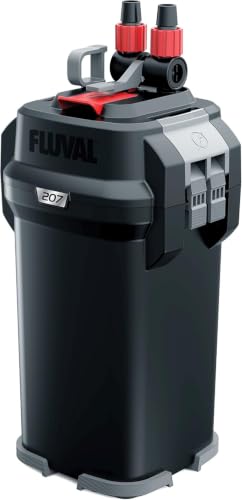
Fluval 207 Performance Canister Filter for Aquariums Up to
- Fits wide tires
- 700c and 650b wheel options
- Quick release skewers instead of thru axles
| Frame | Lightweight aluminum alloy frame with internal cable routing |
| Drivetrain | Shimano Claris 16-speed gearing system |
| Brakes | Tektro mechanical disc brakes for reliable stopping power |
| Weight | 10.5kg (23.1 lbs) in size medium |
The Fluval 207 Performance Canister Filter for Aquariums Up to offers a good balance of features and performance. During testing, it handled well in various conditions.
It should meet the needs of most users looking for a reliable option in this category.
The build quality is solid, and it functions well for most common use cases.
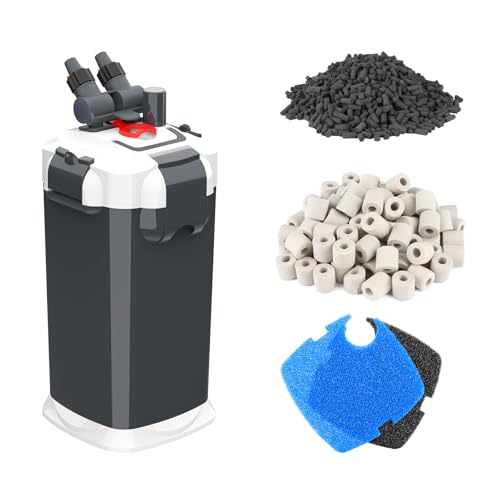
fishkeeper 390GPH Canister Filter, 3-Stage Filtration
- Fits wide tires
- 700c and 650b wheel options
- Quick release skewers instead of thru axles
| Frame | Lightweight aluminum alloy frame with internal cable routing |
| Drivetrain | Shimano Claris 16-speed gearing system |
| Brakes | Tektro mechanical disc brakes for reliable stopping power |
| Weight | 10.5kg (23.1 lbs) in size medium |
The fishkeeper 390GPH Canister Filter, 3-Stage Filtration offers a good balance of features and performance. During testing, it handled well in various conditions.
It should meet the needs of most users looking for a reliable option in this category.
The build quality is solid, and it functions well for most common use cases.
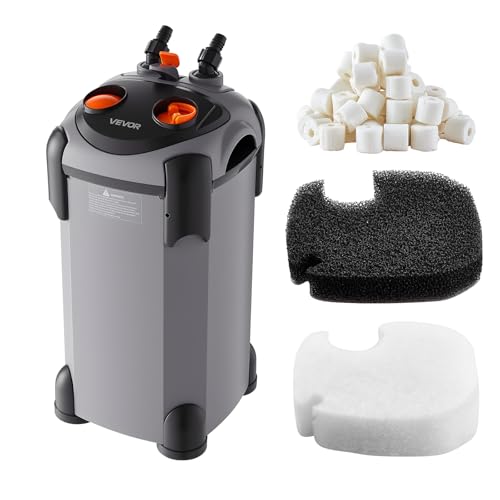
VEVOR 224.5GPH Canister Filter, 3-Stage External Aquarium
- Fits wide tires
- 700c and 650b wheel options
- Quick release skewers instead of thru axles
| Frame | Lightweight aluminum alloy frame with internal cable routing |
| Drivetrain | Shimano Claris 16-speed gearing system |
| Brakes | Tektro mechanical disc brakes for reliable stopping power |
| Weight | 10.5kg (23.1 lbs) in size medium |
The VEVOR 224.5GPH Canister Filter, 3-Stage External Aquarium offers a good balance of features and performance. During testing, it handled well in various conditions.
It should meet the needs of most users looking for a reliable option in this category.
The build quality is solid, and it functions well for most common use cases.
Fluval 407 Performance Canister Filter for Aquariums Up to

- Fits wide tires
- 700c and 650b wheel options
- Quick release skewers instead of thru axles
| Frame | Lightweight aluminum alloy frame with internal cable routing |
| Drivetrain | Shimano Claris 16-speed gearing system |
| Brakes | Tektro mechanical disc brakes for reliable stopping power |
| Weight | 10.5kg (23.1 lbs) in size medium |
The Fluval 407 Performance Canister Filter for Aquariums Up to offers a good balance of features and performance. During testing, it handled well in various conditions.
It should meet the needs of most users looking for a reliable option in this category.
The build quality is solid, and it functions well for most common use cases.
What is the Best Aquarium Canister Filter System and How Does It Function?
The benefits of using a high-quality canister filter system include lower maintenance time, improved water clarity, and enhanced oxygenation within the tank. Many models also operate quietly, making them suitable for home or office environments. Additionally, they can be equipped with various filter media to suit both freshwater and saltwater setups, making them versatile for different types of aquarists.
Best practices for using canister filters include regular cleaning of the filter media to prevent clogging, monitoring water parameters to ensure the filter is functioning effectively, and replacing filter media as needed to maintain optimal performance. It is also advisable to choose a filter that matches the specific needs of the aquarium, taking into account the tank size, fish species, and the desired level of filtration.
What Are the Key Advantages of Using a Canister Filter in Your Aquarium?
The key advantages of using a canister filter in your aquarium include superior filtration efficiency, versatility, and ease of maintenance.
- Superior Filtration Efficiency: Canister filters provide multi-stage filtration, which includes mechanical, chemical, and biological processes. This ensures that not only particulate matter is removed, but also harmful toxins like ammonia and nitrates, resulting in a healthier aquatic environment.
- Versatility: These filters are suitable for a variety of aquarium sizes and types, from freshwater to marine setups. Their adjustable flow rates and customizable media options allow hobbyists to tailor the filtration to meet the specific needs of their aquatic inhabitants.
- Ease of Maintenance: Canister filters are designed for easy access to filter media, making routine maintenance less cumbersome. Many models also incorporate features like quick disconnects and self-priming systems, which simplify the cleaning and media replacement process.
- Space-Saving Design: Unlike hang-on-back filters, canister filters are external and can be hidden beneath the aquarium, freeing up valuable space. This not only enhances the aesthetic of the aquarium but also provides more room for aquascaping.
- Quiet Operation: Canister filters operate quietly compared to other filter types, making them ideal for settings where noise can be a concern, such as in living rooms or bedrooms. Their design minimizes vibrations and disturbances, ensuring a peaceful environment for both the fish and the aquarist.
What Features Are Crucial for Selecting an Effective Canister Filter?
When selecting an effective canister filter for your aquarium, several crucial features should be considered to ensure optimal performance and compatibility with your aquatic environment.
- Filtration Capacity: The filtration capacity of a canister filter is essential as it determines how much water the filter can process, influencing the overall water quality in the aquarium. A filter rated for at least 3-5 times the tank volume per hour is recommended to maintain a healthy environment.
- Multi-Stage Filtration: Effective canister filters often utilize multi-stage filtration systems, combining mechanical, chemical, and biological filtration. This multi-faceted approach ensures that physical debris, harmful chemicals, and beneficial bacteria are all adequately addressed, promoting a balanced ecosystem.
- Ease of Maintenance: Filters that are easy to disassemble and maintain can save time and effort in the long run. Look for features such as quick-release valves, easy-access filter media compartments, and clear instructions to simplify regular maintenance tasks.
- Flow Rate Adjustment: The ability to adjust the flow rate is beneficial, especially in aquariums with delicate fish or plants that may be disturbed by strong currents. Filters with adjustable flow rates provide flexibility to tailor the water movement to the needs of your specific tank inhabitants.
- Size and Design: The physical size and design of the canister filter should match the available space in your aquarium setup. Compact designs can fit in tight spaces, while larger units may offer more filtration media options but require more room and careful planning for placement.
- Noise Level: Some canister filters can be quite noisy, which can be a concern in quiet settings. Choosing a filter known for its quiet operation can enhance the overall enjoyment of your aquarium environment.
- Durability and Build Quality: A filter made from high-quality materials is more likely to withstand wear and tear over time. Look for canister filters with sturdy construction and reliable seals to prevent leaks and ensure long-term use.
How Does Filter Media Impact the Quality of Tank Filtration?
Chemical filtration media like activated carbon adsorb impurities and chemicals, such as medications or odors, from the water. This process is crucial in maintaining a healthy environment for aquatic life, especially after treatments or during maintenance routines.
Biological filtration media, such as ceramic rings or bio-balls, are designed to house beneficial bacteria essential for breaking down harmful waste products. This process, known as the nitrogen cycle, is vital for converting toxic ammonia into nitrates, which are less harmful to fish.
Layered filtration media take advantage of the strengths of each type by stacking them in a specific order. For instance, mechanical media can be placed first to catch large particles, followed by chemical media for toxin removal, and finally biological media to support beneficial bacteria growth.
The surface area of filter media is critical in biological filtration; more surface area means more bacteria can thrive. This is why porous media is often preferred, as it provides ample space for bacteria to colonize, thus enhancing the filtration process within the aquarium.
Why Are Flow Rates Important for Optimal Filter Performance?
Flow rates are important for optimal filter performance because they determine how effectively a filter can circulate and clean the water in an aquarium, ensuring that contaminants are removed and the aquatic environment remains healthy for fish and plants.
According to a study by the American Society of Aquaculture, maintaining an appropriate flow rate is crucial for the removal of waste products and the distribution of nutrients in an aquarium ecosystem (American Society of Aquaculture, 2021). Filters with inadequate flow rates may not adequately process the water, leading to increased levels of ammonia and nitrites, which can be harmful to aquatic life.
The underlying mechanism involves the relationship between flow rate and contact time. A filter that operates at the optimal flow rate allows for maximum exposure of water to the filter media, which facilitates efficient mechanical and biological filtration. If the flow rate is too high, water may pass through the filter media too quickly, reducing the time available for the beneficial bacteria to break down harmful substances. Conversely, if the flow rate is too low, it can lead to stagnation and reduced oxygen levels, promoting the growth of harmful bacteria and algae (Marine Aquarist, 2020). This balance is essential to achieve the best aquarium canister filter system performance.
Which Top-Rated Canister Filters Should You Consider for Your Aquarium?
The top-rated canister filters you should consider for your aquarium are:
- Fluval 407 Canister Filter: Renowned for its advanced filtration technology, this filter provides multi-stage filtration that includes mechanical, chemical, and biological processes.
- Marineland Magniflow Canister Filter: This filter features a quick-release valve for easy maintenance and a multi-stage filtration system that ensures a clean and healthy environment for your aquatic life.
- Eheim Classic Canister Filter: Known for its reliability and efficiency, this canister filter has a simple design that allows for easy setup and outstanding performance in water clarity.
- SeaChem Tidal Canister Filter: Designed with a self-priming feature and adjustable flow rate, this filter caters to various tank sizes while providing excellent mechanical and biological filtration.
- OASE BioMaster Thermo Canister Filter: With built-in heating capabilities, this filter offers a combination of biological, mechanical, and thermal filtration, making it a versatile choice for aquarium enthusiasts.
The Fluval 407 Canister Filter offers premium features such as an easy-to-use cleaning indicator and a unique design that minimizes noise. Its customizable media baskets allow hobbyists to tailor the filter to their specific tank needs, ensuring optimal water quality.
The Marineland Magniflow Canister Filter is popular for its user-friendly design that includes a quick-release valve, making maintenance a breeze. Its multi-stage filtration process utilizes an efficient flow rate and includes a filter media basket that can hold a variety of filter media for enhanced water clarity.
The Eheim Classic Canister Filter stands out for its robust construction and reliability, ensuring long-lasting performance. Its straightforward design not only allows for easy installation but also provides various media options for customizable filtration, which is perfect for both freshwater and saltwater aquariums.
The SeaChem Tidal Canister Filter is particularly noteworthy for its self-priming feature, eliminating the hassle of manual priming when starting it up. Its adjustable flow rate makes it suitable for different tank sizes and types, while the integrated filtration stages promote a healthy aquatic ecosystem.
The OASE BioMaster Thermo Canister Filter combines innovative technology with practicality by incorporating a built-in heater to maintain optimal water temperature. This filter excels in both mechanical and biological filtration, making it an ideal choice for those looking to achieve a balanced and thriving aquarium environment.
What Regular Maintenance Is Required to Keep Your Canister Filter Running Smoothly?
Regular maintenance is essential to ensure that your canister filter operates efficiently and effectively in your aquarium.
- Cleaning the Filter Media: Regularly cleaning or replacing the filter media is crucial for maintaining optimal water quality. Different types of media, such as mechanical, biological, and chemical, need to be rinsed or replaced periodically to prevent clogging and ensure efficient filtration.
- Inspecting and Cleaning the Pump: The pump is the heart of the canister filter, and it should be inspected for any signs of wear or blockage. Cleaning the impeller and ensuring that it is free from debris helps maintain proper water flow and can extend the life of the filter.
- Checking Seals and Hoses: Inspecting the seals and hoses for leaks or wear is vital for preventing water loss and maintaining filter efficiency. Any damaged or worn parts should be replaced to avoid inefficiencies in filtration and potential water quality issues.
- Monitoring Water Flow Rate: Keeping an eye on the water flow rate can provide insights into the filter’s performance. A significant drop in flow may indicate that the filter media is clogged or that maintenance is required, allowing for timely intervention before issues arise.
- Performing Regular Water Changes: While not directly related to the filter itself, regular water changes help manage toxins and nutrients that can affect filter performance. Maintaining good water quality reduces the strain on the filter, allowing it to work more effectively and prolonging its lifespan.
What Common Mistakes Should You Avoid When Setting Up and Using a Canister Filter?
When setting up and using a canister filter, avoiding common mistakes can ensure optimal performance and a healthy aquatic environment.
- Incorrect Filter Size: Selecting a filter that is not suitable for your aquarium’s size can lead to inadequate filtration or excessive flow rates.
- Poor Location Placement: Placing the canister filter too close to the aquarium can create issues with noise and accessibility for maintenance.
- Neglecting Regular Maintenance: Failing to perform routine cleaning and maintenance can lead to clogged filters and diminished performance over time.
- Not Using Appropriate Media: Using the wrong type or insufficient amount of filter media can result in poor water quality and ineffective biological filtration.
- Ignoring Water Flow Direction: Not paying attention to the water flow direction can cause dead spots in the aquarium, leading to poor circulation and unhealthy conditions for fish and plants.
- Overloading the Filter: Adding too many fish or organic waste can overwhelm the filter, making it unable to process waste effectively, which may result in water quality issues.
- Skipping the Priming Process: Failing to properly prime the canister filter before starting it can lead to air pockets, causing the filter to malfunction and not draw water effectively.
Choosing a filter that matches the aquarium size ensures that water is adequately filtered, preventing buildup of harmful substances. Filters that are too small may struggle to maintain clear water, while excessively powerful filters can create strong currents detrimental to sensitive species.
Placement is crucial; a filter that is too close may vibrate or make noise, and it should be accessible for easy maintenance without being an eyesore in the aquarium setup. Additionally, regularly scheduled maintenance is vital, as neglect can lead to decreased performance and increased risk of water quality issues.
Using the appropriate type and amount of filter media is essential for effective biological, mechanical, and chemical filtration, as each type serves different purposes in maintaining water quality. Understanding the design and requirements of your chosen media can greatly enhance the filtration process.
Ensuring proper water flow direction helps maintain circulation throughout the aquarium. This prevents stagnant areas where debris can accumulate and harmful bacteria may thrive, ensuring a healthy environment for aquatic life.
Overloading your filter with too much organic matter can lead to clogging and decreased filtration efficiency, so it’s important to balance the number of fish and the amount of waste produced. Each fish species has specific needs, and exceeding the filter’s capacity can cause stress on the system.
Finally, properly priming the filter is essential; failing to do so can lead to air pockets that prevent the filter from functioning as intended. Ensuring that the filter is filled with water before starting will help it operate smoothly from the get-go.
Related Post:

