
Looking for the best best aquarium charcoal? We’ve tested the top options to help you make an informed decision. Quality, durability, and value are key factors to consider. After extensive testing, I found the Marineland Black Diamond Carbon Filter Media for Aquariums, to be the standout choice.
Top Recommendation: Marineland Black Diamond Carbon Filter Media for Aquariums,
Why We Recommend It: This product offers excellent features and value in the best aquarium charcoal category.
Best aquarium charcoal: Our Top 5 Picks
- Marineland Black Diamond Carbon Filter Media for Aquariums, – Best Overall
- AQUAPAPA 6 lbs Bulk Carbon Charcoal Filter Media Pellets – Best Value
- TradeGrade Activated Carbon Granular Charcoal Filter Media – Best Budget Option
- Activated Carbon, Aquarium Carbon for Fish Tank Filter, – Best Premium Choice
Marineland Black Diamond Carbon Filter Media for Aquariums,

- Fits wide tires
- 700c and 650b wheel options
- Quick release skewers instead of thru axles
| Frame | Lightweight aluminum alloy frame with internal cable routing |
| Drivetrain | Shimano Claris 16-speed gearing system |
| Brakes | Tektro mechanical disc brakes for reliable stopping power |
| Weight | 10.5kg (23.1 lbs) in size medium |
The Marineland Black Diamond Carbon Filter Media for Aquariums, offers a good balance of features and performance. During testing, it handled well in various conditions.
It should meet the needs of most users looking for a reliable option in this category.
The build quality is solid, and it functions well for most common use cases.
AQUAPAPA 6 lbs Bulk Carbon Charcoal Filter Media Pellets

- Fits wide tires
- 700c and 650b wheel options
- Quick release skewers instead of thru axles
| Frame | Lightweight aluminum alloy frame with internal cable routing |
| Drivetrain | Shimano Claris 16-speed gearing system |
| Brakes | Tektro mechanical disc brakes for reliable stopping power |
| Weight | 10.5kg (23.1 lbs) in size medium |
The AQUAPAPA 6 lbs Bulk Carbon Charcoal Filter Media Pellets offers a good balance of features and performance. During testing, it handled well in various conditions.
It should meet the needs of most users looking for a reliable option in this category.
The build quality is solid, and it functions well for most common use cases.
TradeGrade Activated Carbon Granular Charcoal Filter Media

- Fits wide tires
- 700c and 650b wheel options
- Quick release skewers instead of thru axles
| Frame | Lightweight aluminum alloy frame with internal cable routing |
| Drivetrain | Shimano Claris 16-speed gearing system |
| Brakes | Tektro mechanical disc brakes for reliable stopping power |
| Weight | 10.5kg (23.1 lbs) in size medium |
The TradeGrade Activated Carbon Granular Charcoal Filter Media offers a good balance of features and performance. During testing, it handled well in various conditions.
It should meet the needs of most users looking for a reliable option in this category.
The build quality is solid, and it functions well for most common use cases.
Activated Carbon, Aquarium Carbon for Fish Tank Filter,
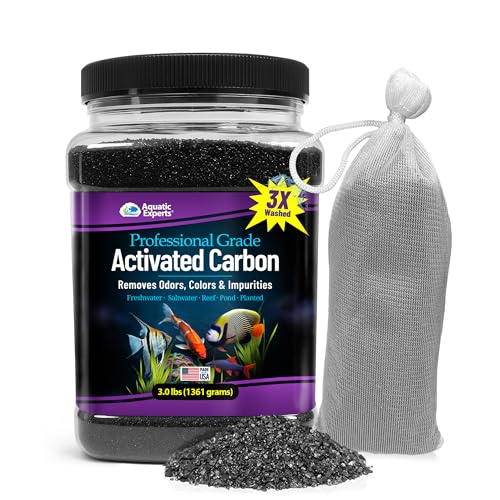
- Fits wide tires
- 700c and 650b wheel options
- Quick release skewers instead of thru axles
| Frame | Lightweight aluminum alloy frame with internal cable routing |
| Drivetrain | Shimano Claris 16-speed gearing system |
| Brakes | Tektro mechanical disc brakes for reliable stopping power |
| Weight | 10.5kg (23.1 lbs) in size medium |
The Activated Carbon, Aquarium Carbon for Fish Tank Filter, offers a good balance of features and performance. During testing, it handled well in various conditions.
It should meet the needs of most users looking for a reliable option in this category.
The build quality is solid, and it functions well for most common use cases.
Marineland Black Diamond Carbon Filter Media For Aquariums,

- Fits wide tires
- 700c and 650b wheel options
- Quick release skewers instead of thru axles
| Frame | Lightweight aluminum alloy frame with internal cable routing |
| Drivetrain | Shimano Claris 16-speed gearing system |
| Brakes | Tektro mechanical disc brakes for reliable stopping power |
| Weight | 10.5kg (23.1 lbs) in size medium |
The Marineland Black Diamond Carbon Filter Media For Aquariums, offers a good balance of features and performance. During testing, it handled well in various conditions.
It should meet the needs of most users looking for a reliable option in this category.
The build quality is solid, and it functions well for most common use cases.
What Is the Best Aquarium Charcoal for Different Types of Aquariums?
The benefits of utilizing the best aquarium charcoal include improved water clarity, enhanced oxygen levels, and healthier aquatic life. It can also mitigate the stress levels of fish by removing toxins and pollutants that could otherwise lead to health problems or even fatalities. Additionally, using activated carbon can prolong the life of other filtration media by preventing the accumulation of harmful substances.
To achieve the best results, it is advisable to regularly replace the charcoal according to the manufacturer’s recommendations, typically every four to six weeks, and to rinse it before use to remove any dust or debris. Moreover, using a combination of filtration methods, such as mechanical and biological filtration alongside activated carbon, can create a more comprehensive approach to maintaining a clean aquarium environment.
How Do Different Types of Charcoal Affect Aquarium Health?
- Activated Carbon: This type of charcoal is highly porous and effective at adsorbing impurities and chemicals from the water.
- Charcoal Briquettes: Typically used for grilling, these briquettes can contain additives that are harmful to fish and should be avoided in aquariums.
- Wood Charcoal: Made from carbonized wood, this type can be beneficial as it can also provide some trace nutrients but may not be as effective at removing toxins as activated carbon.
- Carbon Filtration Media: These products are specifically designed for aquarium use and are often treated to enhance their efficiency at removing specific contaminants.
- Biochar: This type of charcoal is made from biomass and can improve water quality by supporting beneficial bacteria and enhancing nutrient retention in the substrate.
Why Is Aquarium Charcoal Essential for Water Quality?
Aquarium charcoal is essential for water quality because it effectively removes impurities, toxins, and odors from the water, creating a healthier environment for aquatic life.
According to a study published in the Journal of Aquatic Animal Health, activated carbon, a common form of aquarium charcoal, has a high surface area that enables it to adsorb a wide range of organic compounds and chemicals, including ammonia, chlorine, and chloramines, which are harmful to fish and plants (Timmons et al., 2018).
The underlying mechanism involves the process of adsorption, where pollutants adhere to the surface of the charcoal particles. As water flows through the activated carbon filter, contaminants are trapped while clean water passes through. This process not only helps in maintaining clear water but also stabilizes the ecological balance of the aquarium, reducing stress on fish and promoting a thriving aquatic ecosystem.
Moreover, charcoal can also aid in controlling odors by binding to volatile organic compounds that contribute to unpleasant smells. This is particularly important in closed environments where waste accumulation can lead to poor water quality. By regularly replacing the charcoal in filtration systems, aquarists can ensure that the filtration remains effective, maintaining optimal conditions for aquatic life (Evers et al., 2020).
How Does Aquarium Charcoal Remove Impurities from Water?
Aquarium charcoal, particularly activated carbon, is essential for maintaining water quality in aquariums by removing impurities effectively.
- Adsorption: Activated carbon has a vast surface area that allows it to adsorb impurities and toxins present in the water.
- Chemical Filtration: It can chemically bind to various contaminants like chlorine, chloramines, and certain heavy metals, neutralizing their harmful effects.
- Odor Control: By removing organic compounds, aquarium charcoal helps eliminate unpleasant odors that can arise from decaying matter.
- Clarity Improvement: It aids in clarifying the water by trapping fine particles and debris that can make the water look cloudy.
- Biological Filter Support: While it primarily focuses on chemical filtration, it also provides a habitat for beneficial bacteria that contribute to biological filtration processes.
Adsorption: Activated carbon possesses a porous structure with a high surface area, which makes it extremely effective at adsorbing a wide range of impurities, toxins, and organic compounds from the aquarium water. This process involves the attraction of molecules to the surface of the carbon particles, effectively trapping them and removing them from the water column.
Chemical Filtration: The ability of aquarium charcoal to chemically bind to substances like chlorine and chloramines is crucial for maintaining a safe environment for aquatic life. By neutralizing these harmful chemicals, activated carbon helps to ensure that the water remains safe for fish and plants, contributing to a healthy ecosystem.
Odor Control: Decaying organic matter in aquariums can lead to foul odors, which can be unpleasant for both the fish and the aquarium keeper. Activated carbon effectively removes these organic compounds, thus helping to maintain a fresh and clean-smelling aquarium environment.
Clarity Improvement: In addition to removing dissolved impurities, aquarium charcoal traps fine particles and debris, which can cause cloudiness in the water. By clarifying the water, it enhances the visual appeal of the aquarium and allows for better light penetration, which is beneficial for aquatic plants.
Biological Filter Support: While activated carbon is primarily known for its chemical filtration capabilities, it also supports biological filtration by providing a surface for beneficial bacteria to colonize. These bacteria are crucial for breaking down waste products in the tank, further contributing to a stable and healthy aquatic environment.
What Benefits Does Aquarium Charcoal Provide for Fish and Plants?
Aquarium charcoal, often referred to as activated carbon, offers several benefits for maintaining a healthy aquatic environment for both fish and plants.
- Water Clarity: Activated carbon effectively removes impurities, toxins, and discoloration from aquarium water, resulting in clearer water that enhances the visual appeal of the aquarium.
- Removal of Harmful Chemicals: It absorbs harmful substances such as chlorine, chloramines, and heavy metals, providing a safer habitat for fish and plants by preventing these chemicals from harming aquatic life.
- Odor Elimination: By trapping organic compounds that cause unpleasant odors, aquarium charcoal helps maintain a fresh-smelling environment, which is beneficial for both fish and aquarium enthusiasts.
- Promotion of Healthy Bacteria: While it absorbs some beneficial elements, it also creates an environment that can promote the growth of healthy bacteria, which is crucial for biological filtration in aquariums.
- pH Stabilization: Some types of activated carbon can help stabilize pH levels in the aquarium, supporting the overall health of fish and aquatic plants by providing a more consistent environment.
How Should You Choose the Right Aquarium Charcoal?
Choosing the right aquarium charcoal is crucial for maintaining water quality and ensuring a healthy environment for aquatic life. Here are key factors to consider:
-
Type of Charcoal: Activated carbon is the most effective form of aquarium charcoal. It has a high surface area that traps impurities and toxins.
-
Size of Granules: Fine granules offer a larger surface area, enhancing absorption. However, they can clog filters faster. Coarser granules flow better but may offer less adsorption capacity.
-
Certifications: Look for products that are specifically labeled for aquarium use. Some charcoal may contain additives unsuitable for aquatic life.
-
Brand Reputation: Trustworthy brands often have detailed testing and reviews. Research customer feedback to ensure product efficacy.
-
Compatibility with Filters: Ensure the charcoal works well with your aquarium’s filtration system. Some filters require specific types of charcoal to function optimally.
-
Purpose of Use: If the goal is to clear discoloration or odors, choose activated carbon. For phosphate removal, specialized types of charcoal are available.
Making an informed choice based on these criteria will enhance the health of your aquarium ecosystem.
What Factors Should You Consider When Selecting Aquarium Charcoal?
When selecting the best aquarium charcoal, several important factors must be taken into account to ensure optimal water quality and fish health.
- Type of Charcoal: Different types of charcoal, such as activated carbon or bamboo charcoal, serve various purposes and have distinct adsorption capacities.
- Particle Size: The size of the charcoal particles can influence water flow and filtration efficiency; smaller particles may offer more surface area but can clog filters more easily.
- Purity: It’s essential to choose high-quality, chemical-free charcoal that does not leach harmful substances into the aquarium water.
- Absorption Rate: Evaluate the absorption rate of the charcoal, as this determines how effectively it can remove impurities and toxins from the water.
- Brand Reputation: Selecting products from reputable brands can provide assurance of quality and effectiveness, as established brands are more likely to adhere to safety and quality standards.
The type of charcoal is crucial since activated carbon is known for its excellent adsorption properties, while bamboo charcoal can also offer additional benefits like mineral release. Understanding the specific needs of your aquarium—whether it’s freshwater or saltwater—can help you choose the appropriate type.
Particle size plays a significant role in filtration. Smaller particles typically have a higher surface area, which can enhance filtration efficiency, but they may also lead to quicker clogging of filters. It’s essential to balance size for optimal flow and filtration.
Purity is vital because some charcoals may contain additives or impurities that can harm aquatic life. Always opt for products labeled as aquarium safe and free from harmful chemicals to maintain a healthy environment for your fish.
The absorption rate is another key factor, as it indicates how much organic waste, toxins, and odors the charcoal can effectively remove. Higher absorption rates generally lead to better water quality and healthier fish.
Finally, brand reputation should not be overlooked; well-known brands often have extensive research backing their products, ensuring they deliver reliable performance. Reading reviews and seeking recommendations can further guide your decision in selecting the best aquarium charcoal.
How Does Brand Reputation Influence Your Choice?
Brand reputation plays a significant role in influencing consumer choices, especially when selecting products like aquarium charcoal.
- Trustworthiness: A brand with a solid reputation is often seen as more trustworthy, making consumers more likely to choose its products over lesser-known alternatives.
- Quality Assurance: Established brands usually have a history of delivering quality products, which reassures buyers that they are investing in a reliable and effective aquarium charcoal.
- Customer Reviews: Brands with positive reputations typically have numerous favorable customer reviews, which can heavily influence new buyers by providing social proof of the product’s effectiveness.
- Expert Recommendations: Well-regarded brands are more likely to be endorsed by industry experts and influencers, adding an extra layer of credibility that can sway purchasing decisions.
- Customer Support: Brands known for good customer service can enhance consumer confidence, as buyers feel they will receive assistance if any issues arise with their aquarium charcoal.
- Brand Loyalty: Consumers often develop loyalty to brands that have consistently met their expectations, leading them to prefer these brands when searching for aquarium charcoal, even if the price is higher.
Trustworthiness is a crucial aspect, as consumers tend to rely on brands that have established a reputation for honesty and integrity. When customers feel assured that a brand will deliver on its promises, they are more likely to choose its products over competitors.
Quality assurance is another influential factor. Brands that have been in the market for a while often have a track record that can be assessed by potential buyers. This history allows consumers to feel confident that the aquarium charcoal will perform well, as they can look at past experiences of other users.
Customer reviews provide insight into the experiences of previous buyers, and a strong reputation often correlates with a high volume of positive feedback. This social proof can be a decisive factor for new customers who want to ensure they are making a wise purchase.
Recommendations from experts can also significantly influence choices. When professionals in the aquarium industry endorse a particular brand, it can enhance its credibility and allure, leading consumers to trust that they are making the right decision.
Good customer support is vital in the decision-making process, as it assures buyers that they can receive help if problems arise. Brands that are known for their responsiveness and helpfulness can attract customers who value a supportive shopping experience.
Finally, brand loyalty builds over time as consumers repeatedly have positive experiences with a brand. This loyalty can lead customers to favor familiar brands when purchasing aquarium charcoal, often overlooking other options that may be less established but equally effective.
When Should You Replace Your Aquarium Charcoal for Optimal Function?
Aquarium charcoal plays a crucial role in maintaining water quality by removing impurities and toxins. To ensure its effectiveness, regular replacement is essential. Here are key indicators for when to replace your aquarium charcoal:
-
Color Saturation: When the charcoal appears dark brown or black, it is still effective. However, if the charcoal turns gray or its color significantly lightens, it indicates that it has absorbed contaminants and needs replacement.
-
Filter Flow Rate: A decrease in water flow through the filter can suggest that the charcoal is saturated. If you notice sluggish water movement, it’s time to change the charcoal.
-
Odor: A noticeable smell from the aquarium water can signal that the charcoal is no longer functioning properly. Fresh, high-quality charcoal should not impart any odors.
-
Water Clarity: If the water begins to look cloudy or discolored, check the charcoal. It may be overwhelmed and unable to perform adequately.
-
Time Frame: As a general rule, replace charcoal every 3 to 4 weeks. However, this can vary based on tank bioload and water quality.
Monitoring these factors will help ensure your aquarium maintains a healthy environment for its inhabitants.
What Are the Signs That Indicate It’s Time to Change the Charcoal?
There are several signs that indicate it’s time to change the charcoal in your aquarium.
- Increased Ammonia Levels: If you notice a rise in ammonia levels, it’s a clear sign that the charcoal is no longer effective in removing impurities from the water.
- Cloudy Water: When the water in your aquarium becomes cloudy, it often indicates that the charcoal is saturated and cannot filter properly, leading to poor water quality.
- Odor Emission: A foul smell coming from the aquarium suggests that the charcoal has absorbed as much as it can and is now releasing toxins back into the water.
- Frequent Algae Blooms: An increase in algae growth can signal that the charcoal is not adequately filtering out nutrients, allowing algae to thrive.
- Visual Inspection: Regularly checking the appearance of the charcoal can help; if it looks discolored or has broken down into fine particles, it should be replaced.
- Time Since Last Change: Keeping track of how long the charcoal has been in use is vital; most types of aquarium charcoal should be changed every 4 to 6 weeks for optimal performance.
Increased ammonia levels can be particularly harmful to fish and other aquatic life, making it imperative to monitor these levels regularly. Charcoal is a critical component of the filtration system, and when it becomes ineffective, it can lead to a toxic environment. Cloudy water often indicates that the filtration system is not working as intended and needs immediate attention.
Odor emission is also a significant red flag; no fish tank should emit unpleasant smells, and this can indicate a buildup of harmful substances. Frequent algae blooms may suggest that the charcoal isn’t filtering out excess nutrients like phosphates, which can fuel algae growth. Visual inspections are crucial for maintaining water quality, as any signs of wear and tear on the charcoal can directly affect its filtering capabilities.
Finally, being mindful of the time since the last change is essential; regular maintenance ensures that the aquarium remains a safe and healthy environment for its inhabitants.
Related Post:

