
Looking for the best best aquarium chemical filter media? We’ve tested the top options to help you make an informed decision. Quality, durability, and value are key factors to consider. After extensive testing, I found the Fluval Zeo-Carb, Chemical Filter Media Aquariums, White, 3 to be the standout choice.
Top Recommendation: Fluval Zeo-Carb, Chemical Filter Media Aquariums, White, 3
Why We Recommend It: This product offers excellent features and value in the best aquarium chemical filter media category.
Best aquarium chemical filter media: Our Top 5 Picks
- Fluval Zeo-Carb, Chemical Filter Media Aquariums, White, 3 – Best Overall
- Fluval ClearMax Phosphate Remover, 3-Pack, 100-gram, All – Best Value
- Fluval Spec/Evo/Flex Activated Carbon, 3-Pack, Black | – Best Budget Option
- Poly Filter Poly-Bio-Marine for Fish Aquarium – Works for – Best Premium Choice
- ALEGI Aquarium Extra Fine Media Filter Bag 7.5″*3.6″ 3 Pack – Best for Beginners
Fluval Zeo-Carb, Chemical Filter Media Aquariums, White, 3

- Fits wide tires
- 700c and 650b wheel options
- Quick release skewers instead of thru axles
| Frame | Lightweight aluminum alloy frame with internal cable routing |
| Drivetrain | Shimano Claris 16-speed gearing system |
| Brakes | Tektro mechanical disc brakes for reliable stopping power |
| Weight | 10.5kg (23.1 lbs) in size medium |
The Fluval Zeo-Carb, Chemical Filter Media Aquariums, White, 3 offers a good balance of features and performance. During testing, it handled well in various conditions.
It should meet the needs of most users looking for a reliable option in this category.
The build quality is solid, and it functions well for most common use cases.
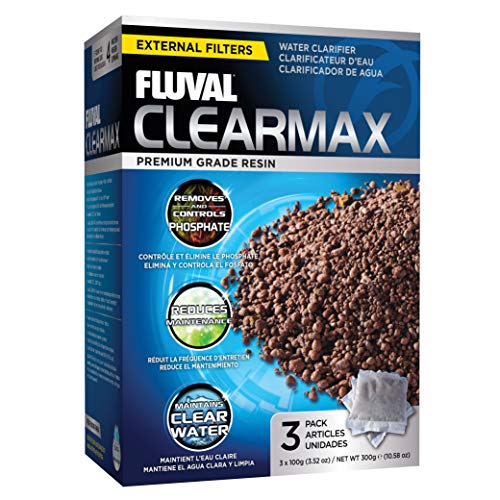
Fluval ClearMax Phosphate Remover, 3-Pack, 100-gram, All
- Fits wide tires
- 700c and 650b wheel options
- Quick release skewers instead of thru axles
| Frame | Lightweight aluminum alloy frame with internal cable routing |
| Drivetrain | Shimano Claris 16-speed gearing system |
| Brakes | Tektro mechanical disc brakes for reliable stopping power |
| Weight | 10.5kg (23.1 lbs) in size medium |
The Fluval ClearMax Phosphate Remover, 3-Pack, 100-gram, All offers a good balance of features and performance. During testing, it handled well in various conditions.
It should meet the needs of most users looking for a reliable option in this category.
The build quality is solid, and it functions well for most common use cases.
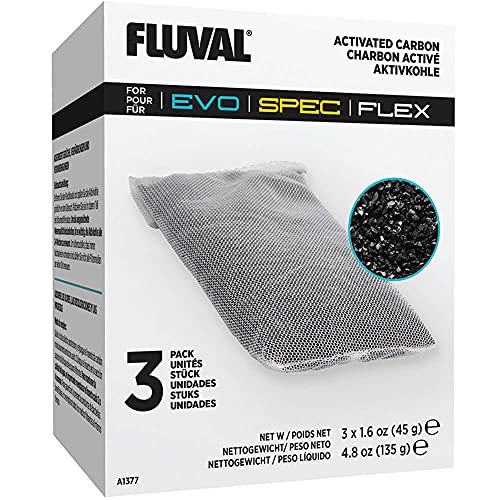
Fluval Spec/Evo/Flex Activated Carbon, 3-Pack, Black |
- Fits wide tires
- 700c and 650b wheel options
- Quick release skewers instead of thru axles
| Frame | Lightweight aluminum alloy frame with internal cable routing |
| Drivetrain | Shimano Claris 16-speed gearing system |
| Brakes | Tektro mechanical disc brakes for reliable stopping power |
| Weight | 10.5kg (23.1 lbs) in size medium |
The Fluval Spec/Evo/Flex Activated Carbon, 3-Pack, Black | offers a good balance of features and performance. During testing, it handled well in various conditions.
It should meet the needs of most users looking for a reliable option in this category.
The build quality is solid, and it functions well for most common use cases.
Poly Filter Poly-Bio-Marine for Fish Aquarium – Works for

- Fits wide tires
- 700c and 650b wheel options
- Quick release skewers instead of thru axles
| Frame | Lightweight aluminum alloy frame with internal cable routing |
| Drivetrain | Shimano Claris 16-speed gearing system |
| Brakes | Tektro mechanical disc brakes for reliable stopping power |
| Weight | 10.5kg (23.1 lbs) in size medium |
The Poly Filter Poly-Bio-Marine for Fish Aquarium – Works for offers a good balance of features and performance. During testing, it handled well in various conditions.
It should meet the needs of most users looking for a reliable option in this category.
The build quality is solid, and it functions well for most common use cases.
ALEGI Aquarium Extra Fine Media Filter Bag 7.5″*3.6″ 3 Pack

- Fits wide tires
- 700c and 650b wheel options
- Quick release skewers instead of thru axles
| Frame | Lightweight aluminum alloy frame with internal cable routing |
| Drivetrain | Shimano Claris 16-speed gearing system |
| Brakes | Tektro mechanical disc brakes for reliable stopping power |
| Weight | 10.5kg (23.1 lbs) in size medium |
The ALEGI Aquarium Extra Fine Media Filter Bag 7.5″*3.6″ 3 Pack offers a good balance of features and performance. During testing, it handled well in various conditions.
It should meet the needs of most users looking for a reliable option in this category.
The build quality is solid, and it functions well for most common use cases.
What Are Aquarium Chemical Filter Media and How Do They Work?
Aquarium chemical filter media are materials used in aquariums to remove harmful substances and impurities from the water, enhancing water quality for aquatic life.
- Activated Carbon: This popular filter media is made from carbon that has been treated to create a vast surface area for adsorption. It effectively removes toxins, odors, and discoloration from the water, making it a staple in both freshwater and saltwater aquariums.
- Zeolite: Zeolite is a naturally occurring mineral that helps to remove ammonia from the water through a process called ion exchange. This makes it particularly useful in newly established tanks or where there is a high fish load, as it helps maintain low ammonia levels that can be harmful to fish.
- Phosphate Remover: These media are designed to specifically target and absorb phosphates, which can lead to algae blooms if left unchecked. By using phosphate removers, aquarists can help maintain clearer water and a healthier environment for their fish and plants.
- Silica Gel: Silica gel is often used to absorb moisture and can be beneficial in reducing humidity levels in aquariums. Additionally, its ability to trap unwanted compounds helps maintain water clarity and quality.
- Chemipure: This is a blend of activated carbon and other resins that provides comprehensive filtration by removing toxins, heavy metals, and organic compounds. Chemipure is known for its longevity and effectiveness, making it a favorite among aquarium enthusiasts.
- Ion Exchange Resins: These synthetic resins are engineered to remove specific ions from the water, such as nitrate and phosphate, through ion exchange reactions. They are especially effective in softening water and can be crucial for maintaining specific water parameters in sensitive aquariums.
What Types of Chemical Filter Media Are Available for Aquariums?
The best aquarium chemical filter media types include various materials designed to remove impurities and enhance water quality.
- Activated Carbon: This is one of the most popular chemical filter media options due to its high adsorption capacity. Activated carbon effectively removes dissolved organic compounds, odors, and some toxic substances, making it essential for maintaining clear and healthy water in aquariums.
- Zeolite: Zeolite is a naturally occurring mineral that excels in ammonia removal, making it ideal for freshwater and saltwater aquariums. It works by exchanging ions, capturing ammonia and releasing less harmful substances, thus helping to stabilize the nitrogen cycle.
- Phosphate Remover: This type of filter media is specifically designed to reduce phosphate levels in aquarium water. Elevated phosphates can lead to algae blooms, so using phosphate remover can help maintain a balanced ecosystem and improve water clarity.
- Resin-based Media: These are specialized synthetic products that target specific compounds like nitrates or phosphates. They often work by exchanging ions with the water, making them effective in controlling nutrient levels and preventing unwanted algae growth.
- Filter Pads with Chemical Enhancements: Some filter pads come pre-treated with chemical absorbents, such as carbon or resins, which provide dual benefits of mechanical and chemical filtration. These pads can effectively capture debris while simultaneously removing harmful substances from the water.
How Does Activated Carbon Affect Water Quality?
Activated carbon plays a critical role in enhancing water quality in aquariums by removing impurities and toxins.
- Adsorption of Impurities: Activated carbon is known for its high surface area and porous structure, which allows it to effectively adsorb organic compounds, chemicals, and pollutants from water. This process removes harmful substances such as chlorine, chloramines, and volatile organic compounds, contributing to a healthier environment for aquatic life.
- Reduction of Odors: By trapping odor-causing compounds, activated carbon helps eliminate unpleasant smells that can develop in aquarium water. This not only improves the sensory experience for the hobbyist but also indicates a clean and well-maintained aquatic environment.
- Improvement of Clarity: The filtration capabilities of activated carbon also enhance the clarity of aquarium water. It captures small particles and debris that can cloud the water, resulting in a more visually appealing tank that showcases the beauty of its inhabitants.
- Chemical Stability: Activated carbon can help stabilize the pH and chemical balance of the water by removing excess nutrients and toxins that could lead to fluctuations. This stability is crucial for the health of fish and plants, helping to maintain a consistent ecosystem within the aquarium.
- Compatibility with Other Filter Media: As one of the best aquarium chemical filter media, activated carbon can be easily combined with mechanical and biological filter media. This synergistic approach enhances overall filtration efficiency and ensures a comprehensive water quality management strategy.
What Benefits Does Zeolite Offer for Aquarium Health?
Moreover, zeolite’s capacity to reduce nitrate levels is advantageous, particularly in planted tanks where high nitrate levels can lead to algae blooms. This aspect helps to maintain clear water and a balanced nutrient level for aquatic plants.
Lastly, the versatility of zeolite allows aquarists to tailor its use in their systems, whether they require it for filtration or as a substrate. This adaptability makes zeolite a valuable asset for achieving optimal aquarium health.
How Effective is Purigen in Maintaining Water Clarity?
Purigen is highly effective as a chemical filter media for maintaining water clarity in aquariums.
- High Adsorption Capacity: Purigen is designed to absorb organic waste, leaving water crystal clear. Its unique structure allows it to capture and remove impurities, significantly improving water quality.
- Long-lasting Efficiency: Unlike many other filter media, Purigen can be regenerated through simple rinsing and chemical treatment, which extends its usability. This cost-effective feature makes it a popular choice among aquarium enthusiasts.
- pH Neutral: Purigen does not alter the pH levels of the aquarium water, ensuring that the delicate balance of the aquatic environment remains intact. This is crucial for the health of fish and plants that may be sensitive to pH fluctuations.
- Reduces Ammonia and Nitrites: By effectively removing organic compounds, Purigen helps to lower ammonia and nitrite levels, contributing to a healthier aquarium ecosystem. This is particularly beneficial during the cycling process or in tanks with high bioloads.
- Compatibility with Other Filter Media: Purigen can be used in conjunction with mechanical and biological filter media, enhancing the overall filtration system’s effectiveness. This versatility allows hobbyists to customize their filtration setup according to their aquarium’s specific needs.
What Are the Key Benefits of Using Chemical Filter Media?
The key benefits of using chemical filter media in aquariums include improved water quality, enhanced clarity, and the reduction of harmful substances.
- Improved Water Quality: Chemical filter media, such as activated carbon, can effectively remove dissolved organic compounds, toxins, and other impurities from water. This results in a healthier environment for fish and aquatic life, as it reduces the levels of harmful substances that can accumulate over time.
- Enhanced Clarity: By trapping tiny particles and impurities, chemical filter media can significantly enhance the clarity of aquarium water. This not only makes the aquarium visually appealing but also allows for better light penetration, which can benefit plants and corals in the tank.
- Reduction of Odors: Chemical filter media can neutralize unpleasant odors in the aquarium. Materials like zeolite and activated carbon are particularly effective at absorbing smells caused by decomposing organic matter or uneaten food, leading to a more pleasant environment.
- Control of Algae Growth: Some chemical filter media can help control algae growth by removing excess nutrients from the water, such as phosphates and nitrates. This can contribute to a healthier balance in the aquarium ecosystem, reducing the risk of algal blooms that can harm fish and plants.
- Specific Toxin Removal: Certain chemical filter media are designed to target specific toxins, such as ammonia, nitrite, or heavy metals. This allows aquarists to tailor their filtration systems to address particular issues, ensuring the safety and health of the aquarium’s inhabitants.
What Factors Should You Consider When Selecting Chemical Filter Media?
When selecting the best aquarium chemical filter media, several factors must be considered to ensure optimal water quality and health for aquatic life.
- Type of Contaminants: It’s essential to identify the specific contaminants you want to remove from the water, such as ammonia, nitrates, or phosphates. Different chemical filter media are designed to target different substances, so choosing a media that effectively addresses the specific issues in your aquarium is crucial for maintaining a healthy environment.
- Media Form: Chemical filter media comes in various forms, including granules, pellets, and cartridges. The choice of form can affect how easily the media can be placed in your filter system and how effectively it interacts with water flow, which can influence its overall performance.
- Longevity and Replacement Frequency: Consider how long the chemical filter media will last before it needs to be replaced. Some media may require frequent changes, leading to increased costs and maintenance efforts, while others may be more long-lasting, allowing for less frequent replacements.
- Compatibility with Filtration System: Ensure that the chosen chemical filter media is compatible with your existing filtration system. Some filters are designed for specific types of media, and using the wrong type can hinder performance or even damage the filter.
- Impact on Water Chemistry: Some chemical media can alter the water chemistry, affecting pH levels or other parameters. It’s important to select a media that will not adversely affect the overall balance of your aquarium’s ecosystem.
- Cost and Availability: Evaluate the cost of the media and its availability in your area or online. While some high-quality filter media may have a higher upfront cost, they might offer better long-term value through their effectiveness and lifespan.
- Brand Reputation and Reviews: Research the brand and read reviews from other aquarium enthusiasts. Trusted brands with positive feedback can provide assurance of the media’s effectiveness and reliability.
How Does Aquarium Size Influence Your Media Choice?
Aquarium size significantly influences the choice of chemical filter media due to factors like water volume, bioload, and filtration efficiency requirements.
- Small Aquariums: In smaller tanks, the water volume is limited, so the filtration system needs to be efficient at quickly removing toxins and impurities. Media such as activated carbon or small-sized resin can effectively absorb chemicals and maintain water clarity without overwhelming the smaller volume.
- Medium Aquariums: For medium-sized aquariums, a balance between chemical filtration and biological filtration is crucial. While activated carbon remains a popular choice, integrating specialized media like phosphate removers or ammonia absorbers can help manage specific issues, ensuring the water remains clean and safe for fish and plants.
- Large Aquariums: Larger tanks usually have higher bioloads and require more robust filtration systems. In these setups, using bulk chemical filter media, such as large bags of activated carbon or advanced media like zeolite, can help efficiently manage the larger volume of water, providing longer-lasting filtration and minimizing maintenance intervals.
- Custom Aquariums: Custom aquarium setups, which may include unique biotopes or specific species, often necessitate tailored media choices. Depending on the specific needs, such as removing heavy metals or specific pollutants, specialized chemical media like ion exchange resins can be implemented to address particular water quality issues effectively.
- Saltwater Aquariums: In saltwater tanks, the choice of media can be influenced by the presence of corals or sensitive marine life. Using high-quality activated carbon or specific chemical media designed to control phosphates and nitrates can help maintain water chemistry that supports coral health and overall marine ecosystem stability.
What Water Parameters Should You Analyze Before Choosing Media?
Before choosing the best aquarium chemical filter media, it’s essential to analyze various water parameters to ensure compatibility and effectiveness.
- pH Level: The pH level indicates how acidic or basic the water is, which can significantly affect fish health and the efficiency of chemical media. Different media work best at specific pH ranges, so knowing this parameter helps in selecting the right type for your aquarium.
- Ammonia Concentration: High levels of ammonia are toxic to aquatic life and can indicate a need for chemical filtration. Analyzing ammonia concentration helps determine if you need a media designed to remove ammonia, such as zeolite, which can absorb it effectively.
- Nitrite and Nitrate Levels: These compounds are byproducts of fish waste and can build up in an aquarium. Identifying nitrite and nitrate levels can help in choosing media that specifically targets these pollutants, ensuring a healthier environment for your aquatic life.
- Hardness (GH and KH): General hardness (GH) and carbonate hardness (KH) affect the water’s buffering capacity and mineral content. Knowing these levels can guide you in selecting media that won’t alter these parameters significantly, maintaining a stable environment for your fish and plants.
- Temperature: The temperature of the water can influence the effectiveness of chemical filter media. Some media may perform optimally at specific temperatures, so understanding the water temperature can help ensure the chosen media works efficiently for your aquarium setup.
- Organic Load: The organic load refers to the amount of organic matter in the water, which can affect the need for specific chemical filtration. Analyzing the organic load can assist in selecting a media that targets organic pollutants, such as activated carbon, which can remove dissolved organics and improve water clarity.
How Frequently Should You Replace Your Aquarium Chemical Filter Media?
When it comes to maintaining a healthy aquarium, the frequency of replacing chemical filter media is crucial for optimal water quality.
- Activated Carbon: Activated carbon is commonly used for removing toxins, odors, and discolorations from the water. It should generally be replaced every 4 to 6 weeks, as its adsorption capacity diminishes over time, leading to reduced effectiveness in maintaining water clarity and quality.
- Phosphate Removers: These media are specifically designed to reduce phosphate levels, which can contribute to algae growth. It’s advisable to replace phosphate removers every 4 to 6 weeks as well, as their ability to bind phosphates decreases significantly, resulting in potential spikes in algae if not replaced regularly.
- Ion Exchange Resins: Ion exchange resins are used to soften water by removing hard minerals like calcium and magnesium. Depending on the water hardness and the specific resin used, these should be replaced every 2 to 3 months to ensure they continue to effectively soften the water and maintain the desired parameters for your aquatic life.
- Specialty Chemical Filters: These may include media designed to remove specific contaminants, such as heavy metals or medications. The replacement frequency can vary widely based on the product and the level of contaminants in your water, but a general guideline is to check and replace these every month or as per the manufacturer’s recommendations for best results.
- Zeolite: Zeolite is often utilized for ammonia absorption in freshwater aquariums. It typically requires replacement every 4 to 6 weeks, as its ability to capture ammonia diminishes over time, which is critical for maintaining a safe environment for fish and other aquatic organisms.


