
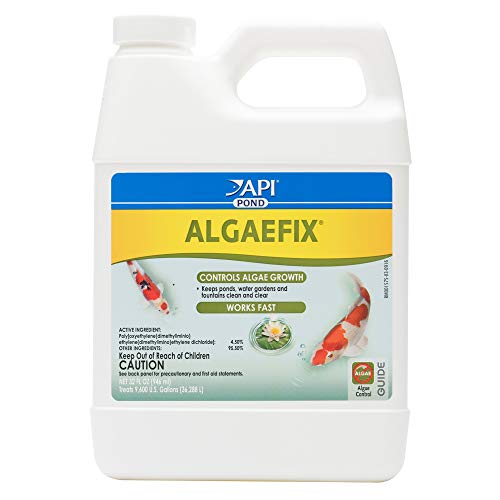
Looking for the best best algaecide for small ponds? We’ve tested the top options to help you make an informed decision. Quality, durability, and value are key factors to consider. After extensive testing, I found the API POND ALGAEFIX Pond Algae Control – Copper Free – Clean, to be the standout choice.
Top Recommendation: API POND ALGAEFIX Pond Algae Control – Copper Free – Clean,
Why We Recommend It: This product offers excellent features and value in the best algaecide for small ponds category.
Best algaecide for small ponds: Our Top 4 Picks
- API POND ALGAEFIX Pond Algae Control – Copper Free – Clean, – Best Overall
- Aquascape Algaecide for Pond, Waterfall, and Water – Best Value
- Fountain Algaecide and Clarifier – 8oz – Kills and Inhibits – Best Budget Option
- Crystal Plex – Lake and Pond Algaecide Treatment – Liquid – Best Premium Choice
API POND ALGAEFIX Pond Algae Control – Copper Free – Clean,
- Fits wide tires
- 700c and 650b wheel options
- Quick release skewers instead of thru axles
| Frame | Lightweight aluminum alloy frame with internal cable routing |
| Drivetrain | Shimano Claris 16-speed gearing system |
| Brakes | Tektro mechanical disc brakes for reliable stopping power |
| Weight | 10.5kg (23.1 lbs) in size medium |
The API POND ALGAEFIX Pond Algae Control – Copper Free – Clean, offers a good balance of features and performance. During testing, it handled well in various conditions.
It should meet the needs of most users looking for a reliable option in this category.
The build quality is solid, and it functions well for most common use cases.
Aquascape Algaecide for Pond, Waterfall, and Water

- Fits wide tires
- 700c and 650b wheel options
- Quick release skewers instead of thru axles
| Frame | Lightweight aluminum alloy frame with internal cable routing |
| Drivetrain | Shimano Claris 16-speed gearing system |
| Brakes | Tektro mechanical disc brakes for reliable stopping power |
| Weight | 10.5kg (23.1 lbs) in size medium |
The Aquascape Algaecide for Pond, Waterfall, and Water offers a good balance of features and performance. During testing, it handled well in various conditions.
It should meet the needs of most users looking for a reliable option in this category.
The build quality is solid, and it functions well for most common use cases.
Fountain Algaecide and Clarifier – 8oz – Kills and Inhibits

- Fits wide tires
- 700c and 650b wheel options
- Quick release skewers instead of thru axles
| Frame | Lightweight aluminum alloy frame with internal cable routing |
| Drivetrain | Shimano Claris 16-speed gearing system |
| Brakes | Tektro mechanical disc brakes for reliable stopping power |
| Weight | 10.5kg (23.1 lbs) in size medium |
The Fountain Algaecide and Clarifier – 8oz – Kills and Inhibits offers a good balance of features and performance. During testing, it handled well in various conditions.
It should meet the needs of most users looking for a reliable option in this category.
The build quality is solid, and it functions well for most common use cases.
Crystal Plex – Lake and Pond Algaecide Treatment – Liquid

- Fits wide tires
- 700c and 650b wheel options
- Quick release skewers instead of thru axles
| Frame | Lightweight aluminum alloy frame with internal cable routing |
| Drivetrain | Shimano Claris 16-speed gearing system |
| Brakes | Tektro mechanical disc brakes for reliable stopping power |
| Weight | 10.5kg (23.1 lbs) in size medium |
The Crystal Plex – Lake and Pond Algaecide Treatment – Liquid offers a good balance of features and performance. During testing, it handled well in various conditions.
It should meet the needs of most users looking for a reliable option in this category.
The build quality is solid, and it functions well for most common use cases.
What Are Algaecides and How Do They Work for Small Ponds?
Algaecides are chemical agents used to control or eliminate algae growth in aquatic environments such as small ponds.
- Copper-based Algaecides: These are among the most common types of algaecides used for ponds. They work by releasing copper ions that are toxic to algae, inhibiting their growth and reproduction. However, it is essential to monitor copper levels, as excessive use can harm fish and other aquatic life.
- Hydrogen Peroxide: This algaecide acts as an oxidizer, breaking down algae cells by generating reactive oxygen species. It is often considered a more environmentally friendly option as it decomposes into water and oxygen, reducing the risk of long-term toxicity to pond ecosystems.
- Quaternary Ammonium Compounds (Quats): These algaecides disrupt the cell membranes of algae, leading to cell death. They are effective in treating surface algae and are usually safer for fish and other wildlife when used according to label instructions.
- Organic Algaecides: Derived from natural sources, these products utilize plant extracts and enzymes to target and control algae growth. They are generally safer for the environment and aquatic organisms but may require repeated applications for sustained effectiveness.
- Ultraviolet (UV) Light Systems: While not a chemical algaecide, UV light systems can effectively kill algae by exposing them to ultraviolet radiation. This method helps keep pond water clear without introducing chemicals, making it a popular choice for those seeking a more natural approach.
Why Is Algae Control Crucial for Small Ponds?
Algae control is crucial for small ponds primarily because excessive algae growth can lead to detrimental effects on water quality and aquatic ecosystems.
According to the Environmental Protection Agency (EPA), nutrient overload, particularly from phosphorus and nitrogen, is a primary driver of algal blooms in freshwater bodies, including small ponds. These nutrients can come from agricultural runoff, fertilizers, and even organic decay. When these nutrients are abundant, they promote rapid algae growth, which can deplete oxygen levels and release toxins harmful to fish and other aquatic life (EPA, 2021).
The underlying mechanism involves a complex interaction between nutrient levels, sunlight, and water temperature. High nutrient concentrations encourage algae to proliferate, especially in warmer temperatures and when sunlight is abundant. As algae bloom, they can block sunlight from reaching submerged plants, disrupting photosynthesis and diminishing biodiversity in the pond. Once the algae die off, their decomposition consumes significant amounts of oxygen, leading to hypoxic conditions that can result in fish kills and a decline in water quality (Smith et al., 2018).
Moreover, the presence of harmful algal blooms (HABs) can pose serious health risks to humans and animals. According to the Centers for Disease Control and Prevention (CDC), certain types of algae produce toxins that can contaminate water supplies, leading to illness in swimmers and pets. This further emphasizes the importance of effective algae management strategies, such as using the best algaecide for small ponds to maintain a balanced ecosystem and protect water quality (CDC, 2019).
What Types of Algaecides Are Best for Small Ponds?
The best algaecides for small ponds include several effective options that cater to different types of algae and pond conditions.
- Copper-Based Algaecides: These are among the most common algaecides used in ponds to control various algae species.
- This algaecide works by releasing oxygen into the water, effectively targeting algae without harming aquatic life when used properly.
- Natural Algaecides: Derived from natural ingredients, these products are eco-friendly and help manage algae growth without introducing harmful chemicals.
- Barley Straw: A natural preventative method, barley straw releases enzymes that inhibit algae growth as it decomposes in the water.
Copper-Based Algaecides: These products contain copper sulfate or chelated copper, which disrupts the cellular processes of algae, leading to their death. They are particularly effective against green water algae and filamentous algae but must be used carefully, as excessive copper can harm fish and other aquatic organisms.
Hydrogen Peroxide: This algaecide is effective in oxygenating water, which not only kills algae but also promotes healthier water conditions for fish and plants. It breaks down quickly into water and oxygen, making it a safe option when used at appropriate concentrations.
Natural Algaecides: These products often contain ingredients like plant extracts or enzymes that target algae without harming beneficial microorganisms. They are suitable for those who prefer organic gardening methods and wish to maintain an eco-friendly pond environment.
Barley Straw: Using barley straw involves placing bales or loose straw in the pond, where it slowly decomposes and releases compounds that suppress algae growth. This method is particularly popular among pond enthusiasts looking for a sustainable, long-term solution to algae problems.
How Do Chemical Algaecides Benefit My Small Pond?
Chemical algaecides provide various benefits for maintaining the health and aesthetics of small ponds.
- Effective Algae Control: Chemical algaecides are specifically formulated to target and eliminate algae blooms quickly. They work by disrupting the cellular processes of algae, leading to their death and subsequent clearing of the water.
- Prevention of Algal Blooms: Regular use of the best algaecide for small ponds can prevent the recurrence of harmful algal blooms. By maintaining lower nutrient levels and inhibiting algal growth, these products help sustain a healthier pond ecosystem.
- Improved Water Quality: By controlling algae, chemical algaecides contribute to better overall water quality. This not only enhances the clarity of the water but also supports the survival of fish and other aquatic life by reducing oxygen depletion caused by decaying algae.
- Ease of Application: Many chemical algaecides are designed for easy application, often requiring simple dilution and pouring into the pond. This convenience allows pond owners to manage algae growth without extensive labor or complex procedures.
- Targeted Solutions: The best algaecides for small ponds are often tailored to address specific types of algae, such as blue-green algae or filamentous algae. This targeted approach ensures effective treatment while minimizing the impact on beneficial pond organisms.
Are Natural Algaecides Effective for Small Ponds?
Natural algaecides can be effective for small ponds, offering environmentally friendly options for managing algae growth.
- Barley Straw: Barley straw is a popular natural algaecide that releases compounds as it decomposes, which can inhibit algae growth. It is particularly effective in preventing green water algae and can be used in various pond sizes.
- Beneficial Bacteria: Introducing beneficial bacteria into the pond can help maintain water quality and reduce nutrient levels that promote algae growth. These bacteria compete with algae for resources, effectively controlling their proliferation.
- Hydrogen Peroxide: Hydrogen peroxide can be used as a natural algaecide due to its ability to oxidize organic matter and kill algae. When used in appropriate concentrations, it can help clear up algae blooms without harming fish or plants in the pond.
- Vinegar: Vinegar contains acetic acid, which can be effective in controlling algae when applied directly to affected areas. However, it should be used sparingly and in low concentrations to avoid harming aquatic life.
- Salt: Salt can be effective against certain types of algae and can help reduce their growth when used cautiously. However, it’s important to monitor salinity levels closely, as excessive salt can harm freshwater fish and other aquatic organisms.
- Plants: Adding aquatic plants can naturally help control algae by competing for nutrients and light. Plants like water lilies and cattails create shade and reduce the amount of sunlight reaching algae, thereby limiting their growth.
How Do I Choose the Right Algaecide for My Small Pond?
Choosing the right algaecide for your small pond involves several considerations to ensure effective treatment without harming aquatic life. Here are key factors to evaluate:
-
Type of Algae: Identify the specific type of algae troubling your pond. Common types include green, filamentous, and blue-green algae. Each type may respond differently to various algaecides.
-
Active Ingredients: Look for algaecides with effective active substances. Copper-based algaecides are effective against many types of algae, but be cautious as they can be toxic to fish and other pond life. Alternatively, consider natural options like Bacillus thuringiensis, which specifically targets certain algae without harming beneficial organisms.
-
Pond Size and Volume: The size of the pond will dictate the amount of algaecide needed. Always follow the manufacturer’s instructions regarding dilution rates based on your pond’s volume.
-
Environmental Impact: Choose products that are safe for plants, fish, and beneficial bacteria in the pond ecosystem. Organic or environmentally-friendly algaecides are generally safer options.
-
Ease of Application: Some algaecides come in liquid form, while others may be granular. Assess your comfort level with application methods.
-
Timing and Frequency: Consider seasonal timing for application. Some algaecides are more effective during specific water temperatures or algae growth phases.
By evaluating these factors, you can select an algaecide that effectively manages algae while protecting your pond’s ecosystem.
When Is the Best Time to Apply Algaecide in Small Ponds?
The best time to apply algaecide in small ponds is crucial for effective algae control.
- Spring: Spring is an ideal time to apply algaecide as the water begins to warm, and algae growth starts to increase. Early treatment can prevent blooms before they become widespread, ensuring a healthier pond ecosystem.
- Summer: During the hot summer months, algae can thrive due to increased sunlight and warmer temperatures. Applying algaecide in early summer can help manage growth before it reaches critical levels, especially after heavy rain or nutrient influx.
- Fall: Applying algaecide in the fall can be beneficial as it helps to control late-season algae blooms that may arise due to decaying organic matter. Additionally, it prepares the pond for winter by reducing algae populations that could contribute to oxygen depletion when they die off.
- Before and After Heavy Rain: Heavy rainfall can wash excess nutrients into ponds, promoting algae growth. Applying algaecide before anticipated rains can help mitigate this risk, while post-rain treatment can control any blooms that have developed due to nutrient runoff.
- Water Temperature Considerations: The effectiveness of algaecides often depends on water temperature, with many products working best when water temperatures are above 60°F. Monitoring water temperature can help determine the optimal time to apply for maximum efficacy.
What Safety Precautions Should I Take When Using Algaecides?
When using algaecides in small ponds, safety precautions are essential to protect yourself, aquatic life, and the environment. Consider the following steps:
-
Read Labels Carefully: Always check the manufacturer’s instructions for specific dosage and application techniques.
-
Avoid Contact: Wear appropriate protective gear, including gloves, goggles, and a mask, to prevent skin and respiratory exposure.
-
Aquatic Life Safety: Ensure that the chosen algaecide is safe for fish and plants in your pond. Look for products that specify compatibility with your ecosystem.
-
Application Timing: Apply algaecides during calm weather to prevent drift and reduce the impact on non-target organisms. Early morning or late afternoon are usually the best times.
-
Monitor Water Quality: After applying an algaecide, regularly check the pond’s pH and oxygen levels to ensure a healthy environment for aquatic life.
-
Disposal of Waste: Dispose of any leftover product and containers according to local regulations. Do not pour chemicals down drains or into the pond unless specified.
By adhering to these guidelines, you can effectively manage algae growth while maintaining a safe and healthy pond environment.
Related Post:

