
Looking for the best best ammonia test for aquarium? We’ve tested the top options to help you make an informed decision. Quality, durability, and value are key factors to consider. After extensive testing, I found the API Ammonia 130-Test Freshwater and Saltwater Aquarium to be the standout choice.
Top Recommendation: API Ammonia 130-Test Freshwater and Saltwater Aquarium
Why We Recommend It: This product offers excellent features and value in the best ammonia test for aquarium category.
Best ammonia test for aquarium: Our Top 3 Picks
- API Ammonia 130-Test Freshwater and Saltwater Aquarium – Best Overall
- API Freshwater Master Test Kit 800-Test Freshwater Aquarium – Best Value
- Salifert AMPT Ammonia Test Kit – Best Budget Option
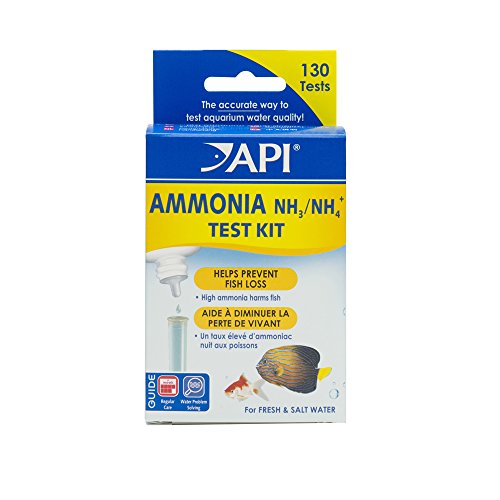
API Ammonia 130-Test Freshwater and Saltwater Aquarium
- Fits wide tires
- 700c and 650b wheel options
- Quick release skewers instead of thru axles
| Frame | Lightweight aluminum alloy frame with internal cable routing |
| Drivetrain | Shimano Claris 16-speed gearing system |
| Brakes | Tektro mechanical disc brakes for reliable stopping power |
| Weight | 10.5kg (23.1 lbs) in size medium |
The API Ammonia 130-Test Freshwater and Saltwater Aquarium offers a good balance of features and performance. During testing, it handled well in various conditions.
It should meet the needs of most users looking for a reliable option in this category.
The build quality is solid, and it functions well for most common use cases.
API Freshwater Master Test Kit 800-Test Freshwater Aquarium

- Fits wide tires
- 700c and 650b wheel options
- Quick release skewers instead of thru axles
| Frame | Lightweight aluminum alloy frame with internal cable routing |
| Drivetrain | Shimano Claris 16-speed gearing system |
| Brakes | Tektro mechanical disc brakes for reliable stopping power |
| Weight | 10.5kg (23.1 lbs) in size medium |
The API Freshwater Master Test Kit 800-Test Freshwater Aquarium offers a good balance of features and performance. During testing, it handled well in various conditions.
It should meet the needs of most users looking for a reliable option in this category.
The build quality is solid, and it functions well for most common use cases.
Salifert AMPT Ammonia Test Kit

- Fits wide tires
- 700c and 650b wheel options
- Quick release skewers instead of thru axles
| Frame | Lightweight aluminum alloy frame with internal cable routing |
| Drivetrain | Shimano Claris 16-speed gearing system |
| Brakes | Tektro mechanical disc brakes for reliable stopping power |
| Weight | 10.5kg (23.1 lbs) in size medium |
The Salifert AMPT Ammonia Test Kit offers a good balance of features and performance. During testing, it handled well in various conditions.
It should meet the needs of most users looking for a reliable option in this category.
The build quality is solid, and it functions well for most common use cases.
What are the Different Types of Ammonia Tests Available for Aquariums?
The different types of ammonia tests available for aquariums include:
- Liquid Test Kits: These kits typically use reagents that react with ammonia to produce a color change, allowing for easy visual comparison against a color chart.
- Test Strips: Ammonia test strips offer a quick and convenient method for testing water quality by dipping the strip into the water and comparing the resulting color.
- Electronic Ammonia Meters: These devices provide digital readings of ammonia levels and are often more precise than other methods, making them suitable for sensitive setups.
- Ammonia Alerts or Monitors: These continuous monitoring devices use sensors to track ammonia levels in real-time, providing immediate alerts if levels become unsafe.
Liquid Test Kits: Liquid test kits are favored for their accuracy and reliability. They typically involve adding specific reagents to a water sample, which then changes color based on the concentration of ammonia present. This method may take a few minutes to develop fully, but it provides a clear and precise measurement that is essential for maintaining a healthy aquarium environment.
Test Strips: Test strips are popular for their ease of use and speed, allowing aquarists to quickly check ammonia levels without the need for complex procedures. Simply dipping the strip into the water sample gives instant results by comparing the resulting color to a provided scale. However, they may not be as accurate as liquid test kits, especially at lower concentrations.
Electronic Ammonia Meters: These advanced devices utilize sensors to measure ammonia levels electronically, providing a digital readout that can be easier to interpret. They can deliver more precise results and often come with features that allow for data logging and alerts for high ammonia levels. While more expensive, they are excellent for serious aquarists who require constant monitoring.
Ammonia Alerts or Monitors: Ammonia alerts are passive devices that change color in response to ammonia levels, offering a visual indication of water quality continuously. They can be placed in the aquarium and provide a straightforward way to keep tabs on ammonia levels without the need for frequent testing. These monitors are especially useful in heavily stocked tanks or during the cycling process when ammonia spikes are likely.
How Do Liquid Ammonia Test Kits Work and What Are Their Benefits?
Liquid ammonia test kits are essential tools for aquarium enthusiasts to monitor ammonia levels, ensuring a healthy environment for aquatic life.
- Reagents: These are the chemical solutions included in the test kit that react with ammonia in the water sample.
- Color Change Reaction: This is the visual indication that results from the interaction between the reagents and ammonia, typically measured against a color chart.
- Measurement Scale: This refers to the range of ammonia levels that can be detected, often expressed in parts per million (ppm).
- Ease of Use: Many liquid ammonia test kits are designed for simplicity, allowing users to perform tests quickly and accurately.
- Cost-Effectiveness: These kits often provide multiple tests in one package, making them a cost-effective solution for ongoing monitoring.
Reagents: The reagents in a liquid ammonia test kit usually consist of two or more solutions that, when mixed with a water sample, create a chemical reaction specific to ammonia. This reaction is crucial for determining the concentration of ammonia in the aquarium, as different types of ammonia can yield different results.
Color Change Reaction: When the reagents are added to the water sample, a color change occurs that corresponds to the amount of ammonia present. Users compare the resulting color to a provided color chart, which allows for the visual assessment of ammonia levels, making it easier to identify unsafe conditions for fish and other aquatic organisms.
Measurement Scale: Liquid ammonia test kits typically have a measurement scale that indicates the concentration of ammonia in the water, usually ranging from 0 to 8 ppm or more. This scale helps aquarium owners take timely actions if ammonia levels are found to be elevated, which is vital for maintaining a safe environment for aquatic life.
Ease of Use: Most liquid ammonia test kits are designed for straightforward application, often requiring just a few drops of reagent into a water sample and a simple wait time. This user-friendly approach enables even beginners to effectively monitor their aquarium’s ammonia levels without needing extensive knowledge of chemistry.
Cost-Effectiveness: Liquid ammonia test kits usually come with multiple tests in one package, which can significantly reduce the cost per test. This feature is particularly beneficial for aquarium owners who need to conduct regular monitoring to ensure the health of their aquatic ecosystems.
What Are the Advantages of Using Ammonia Test Strips Compared to Kits?
| Feature | Ammonia Test Strips | Test Kits |
|---|---|---|
| Ease of Use | Quick and easy to use, requiring minimal setup. | More complex, often requiring multiple steps and equipment. |
| Cost | Generally less expensive, ideal for frequent testing. | Higher initial cost, but may provide more tests per kit. |
| Accuracy | May offer less precision, suitable for general monitoring. | Typically more accurate, preferred for detailed analysis. |
| Speed of Results | Results are typically available in minutes. | Results may take longer, depending on the method used. |
| Shelf Life | Shorter shelf life, may expire quickly after opening. | Generally longer shelf life, more stable over time. |
| Environmental Impact | Often less environmentally friendly due to plastic waste. | Can be more sustainable, especially if reusable. |
| Storage Requirements | Requires cool, dry storage to maintain accuracy. | May have specific storage conditions to ensure longevity. |
How Can You Determine the Best Ammonia Test for Your Aquarium Needs?
To determine the best ammonia test for your aquarium needs, consider several key factors:
- Test Type: There are generally three types of ammonia tests: colorimetric, electronic, and test strips.
- Accuracy: The reliability of the results should be a priority, as inaccurate readings can lead to poor water quality management.
- Ease of Use: A user-friendly test kit can significantly enhance your testing experience, especially for beginners.
- Cost: The price of the test kit can vary, and it’s important to find one that fits within your budget while still meeting your needs.
- Brand Reputation: Established brands often provide better quality products and customer support, making them a safer choice.
Test Type: The main types of ammonia tests include colorimetric tests that utilize a chemical reaction to produce a color change, electronic testers that provide digital readings, and test strips that offer quick results through color comparison. Each type has its pros and cons, and your choice may depend on your specific aquarium setup and personal preferences.
Accuracy: The accuracy of an ammonia test is crucial, as it directly affects your ability to maintain a healthy aquatic environment. Tests that are sensitive to low levels of ammonia are particularly valuable in aquariums, where even small fluctuations can be harmful to fish and other inhabitants.
Ease of Use: A test kit that is straightforward and easy to interpret will save you time and reduce the chances of error, especially if you are new to aquarium care. Kits with clear instructions and easy-to-read results can make regular monitoring less daunting.
Cost: While it may be tempting to go for the cheapest option, investing in a moderately priced kit can yield better results and durability. Compare the cost per test and the number of tests included in each kit to find the best value.
Brand Reputation: Choosing a test kit from a reputable brand can often guarantee higher quality and reliability. Brands with positive reviews and a history of customer satisfaction are typically more trustworthy and may offer better support in case of issues.
What Signs Indicate Ammonia Poisoning in Aquarium Fish to Watch For?
Signs of ammonia poisoning in aquarium fish to watch for include:
- Gasping at the water surface: Fish may exhibit this behavior due to low oxygen levels resulting from gill damage caused by ammonia, forcing them to seek air at the surface.
- Loss of appetite: Fish that are experiencing ammonia poisoning often lose interest in food, which can lead to weight loss and weakened health over time.
- Erratic swimming behavior: Affected fish might swim in an uncoordinated manner, such as darting rapidly or swimming in circles, indicating distress or neurological impact.
- Fading colors or lesions: Ammonia toxicity can cause fish to lose their vibrant coloration and develop visible lesions or sores on their bodies, signaling serious health issues.
- Increased lethargy: Affected fish may become less active, spending more time resting at the bottom of the tank or hiding, which is a sign of stress and discomfort.
Gasping at the water surface is a critical indicator of ammonia poisoning, as the fish struggle to breathe due to the damaging effects of ammonia on their gills. This behavior often signals that the water quality has deteriorated and requires immediate attention.
Loss of appetite is another significant red flag; fish that are unwell typically refrain from eating, which can lead to further health complications if not addressed. Monitoring feeding habits can help aquarists identify early signs of stress.
Erratic swimming behavior often points to neurological distress caused by toxic levels of ammonia in the water, indicating that the fish are not functioning normally. This behavior can be alarming and should prompt immediate testing of water conditions.
Fading colors or lesions on fish signify severe health deterioration, as ammonia affects the skin and gill tissues, leading to visual symptoms that require urgent care and water quality management. Such symptoms often indicate a critical situation that may result in mortality if untreated.
Increased lethargy is a common sign of illness in fish, as they tend to become inactive when experiencing stress or poisoning. Observing fish closely for changes in activity levels can help aquarists take proactive measures to maintain a healthy aquatic environment.
Why Is Regular Ammonia Testing Essential for Aquarium Health?
The underlying mechanism behind ammonia toxicity is that it interferes with the fish’s ability to regulate salt and water balance, leading to osmotic stress. This occurs because ammonia can pass through gill membranes, causing a physiological reaction that disrupts normal cellular function. Additionally, high ammonia levels can inhibit the growth of beneficial bacteria in the biological filter that convert ammonia into less harmful compounds. This cascade of effects underscores the importance of regular ammonia testing as a preventive measure to maintain a stable and healthy aquarium ecosystem.
Related Post:

