
Looking for the best best aqaurium water heater? We’ve tested the top options to help you make an informed decision. Quality, durability, and value are key factors to consider. After extensive testing, I found the HiTauing Aquarium Heater, Upgraded 300W/500W Fish Tank to be the standout choice.
Top Recommendation: HiTauing Aquarium Heater, Upgraded 300W/500W Fish Tank
Why We Recommend It: This product offers excellent features and value in the best aqaurium water heater category.
Best aqaurium water heater: Our Top 4 Picks
- HiTauing Aquarium Heater, Upgraded 300W/500W Fish Tank – Best Overall
- Orlushy Submersible Aquarium Heater, Adjustable Fish Tahk – Best Value
- hygger Aquarium Heater 300W/500W/800W/1000W, Submersible – Best Budget Option
- Veehoo 800W Aquarium Heater Over-Temperature & Anti Dry-Run – Best Premium Choice
HiTauing Aquarium Heater, Upgraded 300W/500W Fish Tank

- Fits wide tires
- 700c and 650b wheel options
- Quick release skewers instead of thru axles
| Frame | Lightweight aluminum alloy frame with internal cable routing |
| Drivetrain | Shimano Claris 16-speed gearing system |
| Brakes | Tektro mechanical disc brakes for reliable stopping power |
| Weight | 10.5kg (23.1 lbs) in size medium |
The HiTauing Aquarium Heater, Upgraded 300W/500W Fish Tank offers a good balance of features and performance. During testing, it handled well in various conditions.
It should meet the needs of most users looking for a reliable option in this category.
The build quality is solid, and it functions well for most common use cases.
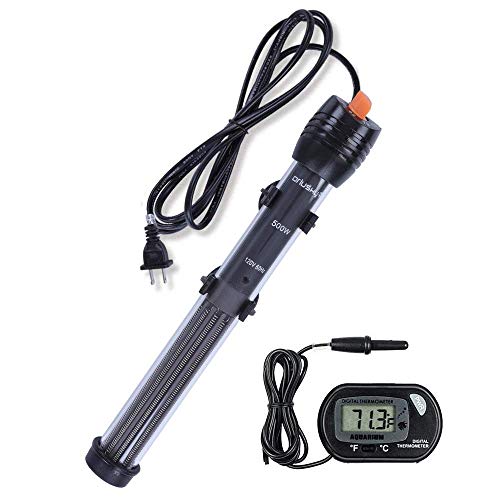
Orlushy Submersible Aquarium Heater, Adjustable Fish Tahk
- Fits wide tires
- 700c and 650b wheel options
- Quick release skewers instead of thru axles
| Frame | Lightweight aluminum alloy frame with internal cable routing |
| Drivetrain | Shimano Claris 16-speed gearing system |
| Brakes | Tektro mechanical disc brakes for reliable stopping power |
| Weight | 10.5kg (23.1 lbs) in size medium |
The Orlushy Submersible Aquarium Heater, Adjustable Fish Tahk offers a good balance of features and performance. During testing, it handled well in various conditions.
It should meet the needs of most users looking for a reliable option in this category.
The build quality is solid, and it functions well for most common use cases.
hygger Aquarium Heater 300W/500W/800W/1000W, Submersible

- Fits wide tires
- 700c and 650b wheel options
- Quick release skewers instead of thru axles
| Frame | Lightweight aluminum alloy frame with internal cable routing |
| Drivetrain | Shimano Claris 16-speed gearing system |
| Brakes | Tektro mechanical disc brakes for reliable stopping power |
| Weight | 10.5kg (23.1 lbs) in size medium |
The hygger Aquarium Heater 300W/500W/800W/1000W, Submersible offers a good balance of features and performance. During testing, it handled well in various conditions.
It should meet the needs of most users looking for a reliable option in this category.
The build quality is solid, and it functions well for most common use cases.
Veehoo 800W Aquarium Heater Over-Temperature & Anti Dry-Run

- Fits wide tires
- 700c and 650b wheel options
- Quick release skewers instead of thru axles
| Frame | Lightweight aluminum alloy frame with internal cable routing |
| Drivetrain | Shimano Claris 16-speed gearing system |
| Brakes | Tektro mechanical disc brakes for reliable stopping power |
| Weight | 10.5kg (23.1 lbs) in size medium |
The Veehoo 800W Aquarium Heater Over-Temperature & Anti Dry-Run offers a good balance of features and performance. During testing, it handled well in various conditions.
It should meet the needs of most users looking for a reliable option in this category.
The build quality is solid, and it functions well for most common use cases.
What Are the Essential Factors to Consider When Choosing an Aquarium Water Heater?
When selecting the best aquarium water heater, it’s crucial to consider several essential factors to ensure the health and well-being of your aquatic life.
- Wattage: The wattage of the heater should correspond to the size of your aquarium. A general rule is to use 3-5 watts per gallon of water, depending on the desired temperature increase and the specific needs of the fish species.
- Type of Heater: There are different types of heaters such as submersible, in-line, and hang-on models. Submersible heaters are the most popular as they can be fully submerged and provide efficient heating, while in-line heaters are integrated into the filtration system and are ideal for larger tanks.
- Temperature Control: Look for a heater with accurate temperature controls and a reliable thermostat. Digital displays make it easier to monitor and adjust temperatures, ensuring that your aquarium maintains a stable environment.
- Build Quality: The material and build quality of the heater are important for durability and safety. Choose heaters made from shatterproof glass or high-quality plastic, and ensure they have safety features like automatic shut-off to prevent overheating.
- Brand Reputation: Opt for heaters from reputable brands known for their reliability and customer service. Reading reviews and recommendations can help gauge the performance and longevity of the heater in real-world scenarios.
- Ease of Maintenance: Consider how easy it is to clean and maintain the heater. Some models have removable components or are designed to be easily accessible, which can be beneficial for regular upkeep and troubleshooting.
- Price: While budget is a consideration, it’s essential to balance cost with quality. Investing in a higher-quality heater may save money in the long run by reducing the need for replacements and ensuring optimal water conditions for your aquarium.
What Types of Aquarium Water Heaters Are Available?
The types of aquarium water heaters available include:
- Submersible Heaters: These heaters are designed to be fully submerged in the water, providing efficient heating for both freshwater and saltwater aquariums.
- In-Line Heaters: Installed in the water circulation system, in-line heaters offer a discreet heating solution that is particularly useful for larger aquariums.
- Immersion Heaters: These portable heaters are easy to use and can quickly raise water temperatures, but they require careful monitoring to avoid overheating.
- Thermostatic Heaters: Equipped with built-in thermostats, these heaters automatically adjust the temperature, ensuring a consistent and stable environment for aquatic life.
- Stick Heaters: Slim and compact, stick heaters can be placed vertically in the tank, making them a space-saving option suitable for smaller aquariums.
Submersible Heaters: Submersible heaters are versatile and commonly used in aquariums. They are designed to be completely underwater and are available in various wattages to suit different tank sizes. Their efficiency in evenly distributing heat makes them a popular choice among aquarium enthusiasts.
In-Line Heaters: In-line heaters are connected to the aquarium’s filtration system, allowing water to be heated as it passes through. This type of heater is less visible, providing a cleaner appearance in the aquarium setup, and is particularly effective for larger tanks where space is limited. They also offer precise temperature control and can be adjusted easily.
Immersion Heaters: Immersion heaters are portable devices that can be easily placed in and removed from the tank. They are generally more suitable for temporary heating needs, as they can quickly raise the temperature of the water. However, users must monitor the temperature closely to prevent overheating, which can be harmful to aquatic life.
Thermostatic Heaters: Thermostatic heaters come equipped with built-in temperature controls, allowing them to maintain a set temperature automatically. This feature is particularly beneficial for maintaining stable conditions in the aquarium, which is crucial for the health of fish and plants. They are often recommended for users who want a hassle-free heating solution.
Stick Heaters: Stick heaters are slim and designed to be placed vertically in the aquarium to save space. They are easy to install and operate, making them suitable for smaller tanks and setups where space is at a premium. Despite their compact design, they can effectively heat the water, although care must be taken to ensure they are appropriately sized for the tank volume.
How Does a Submersible Aquarium Water Heater Operate?
A submersible aquarium water heater operates by heating water directly within the aquarium to maintain a stable temperature for aquatic life.
- Heating Element: The core component of a submersible heater, typically made of glass or titanium, generates heat when electricity passes through it. This element is submerged in the water, allowing efficient heat transfer to the surrounding water, ensuring a uniform temperature throughout the aquarium.
- Thermostat: Most submersible heaters come with a built-in thermostat that regulates the water temperature. It automatically turns the heating element on or off based on the set temperature, helping to maintain a consistent environment for the fish and plants.
- Temperature Settings: Many models feature adjustable temperature settings, allowing users to select the desired temperature for their specific aquarium inhabitants. This flexibility is essential for different species that thrive at varying temperatures, making it a crucial feature in the best aquarium water heater.
- Indicator Light: A visual indicator light is often included to signal when the heater is operating. This feature helps aquarists monitor the heater’s functionality without needing to check the water temperature constantly, enhancing convenience and safety.
- Safety Features: Submersible heaters may include safety features such as automatic shut-off mechanisms or thermal protection to prevent overheating. These safeguards are vital for preventing damage to the heater and ensuring the safety of the aquatic environment.
What Are the Advantages and Disadvantages of In-Line Aquarium Water Heaters?
| Aspect | Advantages | Disadvantages |
|---|---|---|
| Efficiency | Heats water quickly and maintains stable temperatures. | Can be less efficient if improperly sized for the tank. |
| Space Saving | Compact design saves space in the aquarium setup. | Installation can be tricky in smaller tanks. |
| Temperature Control | Provides precise temperature settings for aquatic life. | Risk of overheating if not monitored properly. |
| Durability | Often built to last with high-quality materials. | Potential for failure if not maintained regularly. |
| Cost-effectiveness | Can be more cost-effective over time due to energy efficiency. | Higher initial purchase price compared to other heater types. |
| Compatibility | Suitable for various tank sizes and types, especially larger ones. | May not be ideal for very small tanks. |
| Maintenance | Generally low maintenance if properly installed. | Requires regular checks to ensure functionality. |
| Safety Features | Often includes safety features like automatic shut-off. | Potential risks if safety features fail or are not present. |
What Features Should You Look for in a Quality Aquarium Water Heater?
When searching for the best aquarium water heater, several key features should be considered to ensure optimal performance and safety for your aquatic life.
- Temperature Range: A quality aquarium heater should have a broad temperature range, typically from 68°F to 88°F (20°C to 31°C), allowing you to set it according to the specific needs of your fish species. This flexibility is crucial for maintaining a stable environment, especially if you keep a variety of fish that prefer different temperatures.
- Wattage: The wattage of the heater determines how quickly it can heat the water, and it should be adequate for your aquarium size. Generally, you should aim for about 3-5 watts per gallon of water; thus, a 50-gallon tank may require a 150-250 watt heater, ensuring the water can reach the desired temperature efficiently without excessive strain on the heater.
- Thermostat Accuracy: An integrated thermostat should be able to maintain the desired temperature within a narrow margin of error, usually within 1-2 degrees Fahrenheit. Accurate temperature control is essential to prevent stress or health issues in fish, ensuring they thrive in a stable environment.
- Durability and Build Quality: Look for heaters made from high-quality materials, such as glass or titanium, as they tend to be more durable and resistant to breakage. A well-constructed heater can withstand the rigors of aquarium life, including water pressure and humidity, thereby reducing the risk of leaks or failures.
- Safety Features: Consider heaters with built-in safety features like automatic shut-off mechanisms, overheat protection, and shatterproof designs. These features can prevent accidents that may lead to fish death or damage to your aquarium setup, providing peace of mind for the owner.
- Size and Design: The size and design of the heater should be appropriate for your aquarium; choose a submersible or hang-on style that fits well without taking up too much space. A compact design can help maintain aesthetic appeal while ensuring efficient heating in various tank shapes and sizes.
- Ease of Use: Look for heaters that are easy to install and adjust, often featuring a simple dial or digital readout for temperature settings. User-friendly heaters make it simpler for even novice aquarium owners to maintain proper water conditions without complications.
- Brand Reputation and Reviews: Research reputable brands and read customer reviews to gauge the reliability and performance of the heater. A well-reviewed heater from a trusted manufacturer often indicates quality and support, increasing the likelihood of a positive experience.
Why Is Accurate Temperature Control Crucial for an Aquarium Water Heater?
Accurate temperature control is crucial for an aquarium water heater because it directly affects the health and well-being of aquatic life, ensuring that fish and other organisms thrive in a stable environment.
According to the American Veterinary Medical Association, maintaining the appropriate temperature is essential for metabolic processes in fish, which can be sensitive to even slight fluctuations in their environment. Research published in the Journal of Fish Biology indicates that temperature variations can lead to stress, impaired immune function, and altered behavior in fish, making reliable temperature regulation vital for their survival.
The underlying mechanism involves the physiological responses of fish to temperature changes. Fish are ectothermic, meaning their body temperature is regulated by the surrounding water. When the water temperature deviates from the optimal range, it can disrupt their metabolism, affecting their ability to digest food, reproduce, and fend off diseases. For instance, a sudden drop in temperature can slow down their metabolic rate, leading to lethargy and a higher susceptibility to infections. Conversely, too high a temperature can increase metabolism to dangerous levels, potentially resulting in oxygen depletion and overheating, which can be fatal.
What Are the Top Aquarium Water Heaters Recommended by Experts?
The best aquarium water heaters recommended by experts include:
- Eheim Jager Aquarium Thermostat Heater: This heater is known for its precision and reliability, featuring an adjustable temperature setting and a glass design that ensures even heat distribution.
This heater offers a durable construction with an electronic thermostat that provides accurate temperature control, making it suitable for both freshwater and saltwater aquariums. - Fluval E Electronic Heater: Featuring an advanced digital display, this heater allows for precise temperature setting and monitoring, along with a built-in safety shut-off feature to prevent overheating.
- Marina Submersible Aquarium Heater: This submersible heater is compact and easy to install, with a fully automatic temperature control system that ensures stable water conditions for your aquatic pets.
- Hydor Theo Heater: Known for its unique design, the Hydor Theo offers a high level of reliability with a precise thermostat and is suitable for various tank sizes, making it a versatile option.
The Eheim Jager Aquarium Thermostat Heater stands out due to its robust construction and accuracy in maintaining water temperature, which is crucial for the health of aquatic life. Its glass body is designed to withstand high pressure, and users appreciate the easy-to-read temperature settings.
The Aqueon Pro Adjustable Heater is favored for its solid build and user-friendly features. The electronic thermostat ensures that the water temperature remains stable, which is essential for fish that thrive in specific temperature ranges, while its shatterproof design adds to its durability.
Fluval E Electronic Heater impresses hobbyists with its modern digital interface and precise temperature control, allowing aquarists to maintain an ideal environment for their fish. The integrated safety shut-off feature is particularly valuable, as it prevents potential overheating that could jeopardize tank inhabitants.
The Marina Submersible Aquarium Heater is a great choice for those looking for a simple yet effective solution. Its automatic temperature control system ensures that the water remains stable, and its compact size makes it easy to incorporate into various aquarium setups.
Hydor Theo Heater is recognized for its innovative design and reliability, making it a popular choice among aquarists. It offers accurate temperature regulation and is available in various wattages, catering to different tank sizes and species needs.
What Maintenance Practices Can Help Longevity and Efficiency of Your Aquarium Water Heater?
Maintaining your aquarium water heater is essential for ensuring its longevity and efficiency.
- Regular Cleaning: Clean the heater at least once a month to prevent algae or mineral buildup. This regular maintenance helps maintain optimal heat transfer and prevents overheating, ensuring a stable environment for your aquatic life.
- Check Temperature Settings: Regularly monitor and adjust the temperature settings according to your aquarium’s requirements. Incorrect settings can lead to excessive energy consumption or stress on your fish, making it crucial to ensure the heater is functioning within the desired range.
- Inspect for Damage: Frequently inspect the heater for any signs of wear, cracks, or corrosion. A damaged heater can malfunction, potentially leading to water temperature fluctuations that can harm your aquarium’s inhabitants.
- Use a Thermometer: Implement a reliable thermometer to accurately monitor the water temperature in your aquarium. This practice allows you to cross-check the heater’s performance and ensure it is heating the water to the desired temperature without significant deviations.
- Positioning the Heater: Place the heater in an appropriate position within the aquarium for optimal water circulation. If the heater is placed incorrectly, it may lead to uneven heating and cold spots, affecting the overall health of the aquarium ecosystem.
- Limit Heater Cycling: Avoid frequent on-off cycles by setting the heater to maintain a consistent temperature. Constant cycling can lead to premature wear and tear on the heating element, reducing the lifespan of your water heater.
- Use a Reliable Power Source: Ensure that the power supply to your heater is stable and free from fluctuations. An unreliable power source can cause the heater to malfunction or overheat, compromising the safety of your aquarium.
What Common Problems Can Occur with Aquarium Water Heaters, and How Can You Address Them?
Overheating: Overheating can occur due to a thermostat malfunction or if the heater is too powerful for the size of the aquarium. To address this, it’s advisable to use a heater that is properly rated for the tank size and to invest in a quality heater with an automatic shut-off feature.
Failure to Turn On: If a heater does not turn on, the issue could be related to a blown fuse, broken wiring, or a faulty thermostat. Checking the power supply and ensuring that the heater is properly plugged in can resolve the issue, but if the heater remains unresponsive, it may require replacement.
Leaking: A leaking heater can pose serious safety risks, including electric shock and contamination of the aquarium water. Regular visual inspections can help catch leaks early, and any heater showing signs of moisture should be removed and replaced immediately.
Calcium Build-Up: This build-up can insulate the heating element, making it less effective and potentially leading to overheating. Cleaning the heater periodically with vinegar or a descaling solution can help alleviate this problem and ensure efficient operation.
Related Post:

