
Looking for the best best aquarium air stones? We’ve tested the top options to help you make an informed decision. Quality, durability, and value are key factors to consider. After extensive testing, I found the Pawfly Aquarium Air Stone 1 Inch, Fish Tank Air Stone to be the standout choice.
Top Recommendation: Pawfly Aquarium Air Stone 1 Inch, Fish Tank Air Stone
Why We Recommend It: This product offers excellent features and value in the best aquarium air stones category.
Best aquarium air stones: Our Top 5 Picks
- Pawfly Aquarium Air Stone 1 Inch, Fish Tank Air Stone – Best Overall
- Uniclife 64 GPH Aquarium Air Pump Dual Outlets Adjustable – Best Value
- AQUANEAT Aquarium Air Stones 1 inch 12 Pack, Bubble Stone, – Best Budget Option
- Wenshall 1.6 Inch Air Stone, Aquarium Air Stone, Air Stone – Best Premium Choice
- AQUANEAT Air Stones for Ponds 2 Inch, Long Lasting Aerator – Best for Beginners
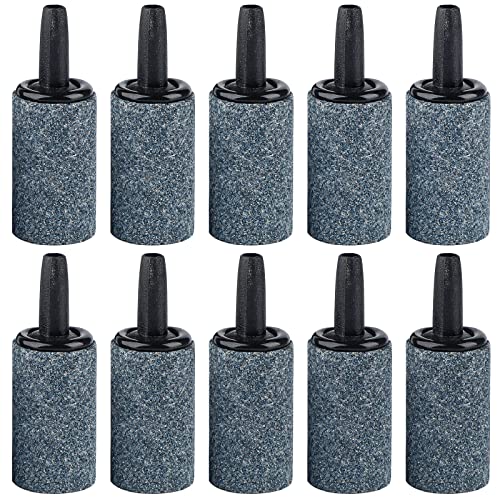
Pawfly Aquarium Air Stone 1 Inch, Fish Tank Air Stone
- Fits wide tires
- 700c and 650b wheel options
- Quick release skewers instead of thru axles
| Frame | Lightweight aluminum alloy frame with internal cable routing |
| Drivetrain | Shimano Claris 16-speed gearing system |
| Brakes | Tektro mechanical disc brakes for reliable stopping power |
| Weight | 10.5kg (23.1 lbs) in size medium |
The Pawfly Aquarium Air Stone 1 Inch, Fish Tank Air Stone offers a good balance of features and performance. During testing, it handled well in various conditions.
It should meet the needs of most users looking for a reliable option in this category.
The build quality is solid, and it functions well for most common use cases.
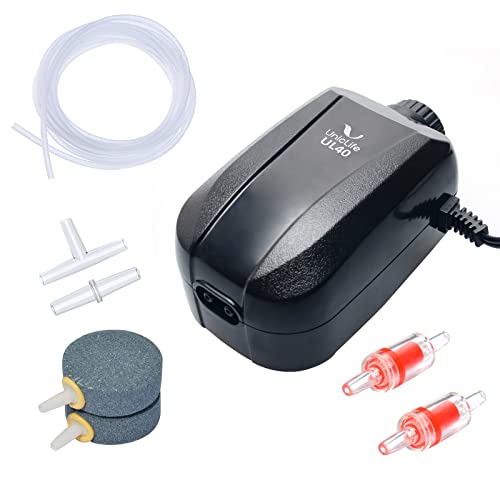
Uniclife 64 GPH Aquarium Air Pump Dual Outlets Adjustable
- Fits wide tires
- 700c and 650b wheel options
- Quick release skewers instead of thru axles
| Frame | Lightweight aluminum alloy frame with internal cable routing |
| Drivetrain | Shimano Claris 16-speed gearing system |
| Brakes | Tektro mechanical disc brakes for reliable stopping power |
| Weight | 10.5kg (23.1 lbs) in size medium |
The Uniclife 64 GPH Aquarium Air Pump Dual Outlets Adjustable offers a good balance of features and performance. During testing, it handled well in various conditions.
It should meet the needs of most users looking for a reliable option in this category.
The build quality is solid, and it functions well for most common use cases.
AQUANEAT Aquarium Air Stones 1 inch 12 Pack, Bubble Stone,

- Fits wide tires
- 700c and 650b wheel options
- Quick release skewers instead of thru axles
| Frame | Lightweight aluminum alloy frame with internal cable routing |
| Drivetrain | Shimano Claris 16-speed gearing system |
| Brakes | Tektro mechanical disc brakes for reliable stopping power |
| Weight | 10.5kg (23.1 lbs) in size medium |
The AQUANEAT Aquarium Air Stones 1 inch 12 Pack, Bubble Stone, offers a good balance of features and performance. During testing, it handled well in various conditions.
It should meet the needs of most users looking for a reliable option in this category.
The build quality is solid, and it functions well for most common use cases.
Wenshall 1.6 Inch Air Stone, Aquarium Air Stone, Air Stone

- Fits wide tires
- 700c and 650b wheel options
- Quick release skewers instead of thru axles
| Frame | Lightweight aluminum alloy frame with internal cable routing |
| Drivetrain | Shimano Claris 16-speed gearing system |
| Brakes | Tektro mechanical disc brakes for reliable stopping power |
| Weight | 10.5kg (23.1 lbs) in size medium |
The Wenshall 1.6 Inch Air Stone, Aquarium Air Stone, Air Stone offers a good balance of features and performance. During testing, it handled well in various conditions.
It should meet the needs of most users looking for a reliable option in this category.
The build quality is solid, and it functions well for most common use cases.
AQUANEAT Air Stones for Ponds 2 Inch, Long Lasting Aerator

- Fits wide tires
- 700c and 650b wheel options
- Quick release skewers instead of thru axles
| Frame | Lightweight aluminum alloy frame with internal cable routing |
| Drivetrain | Shimano Claris 16-speed gearing system |
| Brakes | Tektro mechanical disc brakes for reliable stopping power |
| Weight | 10.5kg (23.1 lbs) in size medium |
The AQUANEAT Air Stones for Ponds 2 Inch, Long Lasting Aerator offers a good balance of features and performance. During testing, it handled well in various conditions.
It should meet the needs of most users looking for a reliable option in this category.
The build quality is solid, and it functions well for most common use cases.
What Are Aquarium Air Stones and Their Function in Aquariums?
Aquarium air stones are essential devices used to enhance aeration in aquariums, promoting a healthy environment for aquatic life.
- Material: Aquarium air stones are typically made from porous materials such as ceramic or glass, which allow air to diffuse effectively.
- Size and Shape: They come in various sizes and shapes, including discs and cylindrical forms, catering to different aquarium setups and aesthetic preferences.
- Bubble Size: Different air stones produce varying bubble sizes, which can influence the oxygen exchange rate and aesthetic appeal of the tank.
- Placement: Proper placement of air stones can optimize water circulation and oxygen distribution, ensuring all areas of the aquarium are well-oxygenated.
- Maintenance: Regular cleaning and replacement of air stones are necessary to maintain their efficiency and prevent the buildup of algae and debris.
The material of aquarium air stones affects their durability and performance; ceramic air stones are often preferred for their fine pore structure, which creates smaller bubbles that rise slowly, providing more surface area for gas exchange.
The size and shape of the air stone should be chosen based on the aquarium’s size and the types of fish or plants it houses, as larger tanks may require larger stones or multiple units for effective aeration.
Bubble size is crucial as smaller bubbles increase the surface area for oxygen absorption, while larger bubbles may create a more visually appealing effect but are less efficient for oxygenation.
Placement of air stones near water flow sources, such as filters or water pumps, can enhance circulation and ensure that oxygen reaches all corners of the tank, benefiting all aquatic inhabitants.
Maintenance is key to the longevity and effectiveness of air stones; they should be rinsed regularly in aquarium water to remove any buildup and replaced when they become clogged or cease functioning properly.
How Do Aquarium Air Stones Improve Water Quality?
Aquarium air stones are essential tools that enhance water quality by increasing oxygen levels and promoting better circulation.
- Oxygenation: Air stones release tiny bubbles into the water, which increases the surface area for gas exchange, allowing more oxygen to dissolve in the water. This is crucial for the health of fish and other aquatic organisms, as they rely on adequate oxygen levels for survival.
- Water Circulation: By dispersing bubbles throughout the tank, air stones help create water movement, which prevents stagnation. This circulation aids in distributing nutrients and heat evenly, promoting a more stable environment for aquatic life.
- Reduction of Toxic Compounds: Enhanced water movement helps in reducing the concentration of harmful substances like ammonia and nitrites. As water circulates, beneficial bacteria can more effectively break down these toxins, improving overall water quality.
- Algae Control: The increased circulation and oxygenation can also inhibit the growth of certain algae types that thrive in stagnant conditions. By maintaining a balanced environment, air stones contribute to clearer water and a healthier aquarium ecosystem.
- Visual Appeal: The bubbles produced by air stones can add aesthetic value to an aquarium, creating a lively and dynamic environment. Many aquarium enthusiasts appreciate the visual effects of bubbling water, which can enhance the overall enjoyment of the aquarium.
Why Are Air Stones Essential for Aquarium Aeration?
Air stones are essential for aquarium aeration because they increase the surface area of air bubbles released into the water, promoting oxygen exchange and improving water circulation.
According to a study published in the journal “Aquaculture,” the presence of adequate oxygen levels is crucial for maintaining healthy aquatic life, as fish and other organisms rely on dissolved oxygen for respiration (Hargreaves, 1997). Air stones facilitate this process by breaking air into smaller bubbles, which rise to the surface more slowly, allowing for a greater surface area exposure to the water, thus maximizing oxygen absorption.
The underlying mechanism involves the principle of gas exchange, where oxygen from the air bubbles diffuses into the water while carbon dioxide and other gases are released back into the atmosphere. This exchange is enhanced by the turbulence created by the rising bubbles, which helps to circulate water throughout the aquarium, ensuring that oxygen-rich water reaches all areas, including those that may be stagnant. Without proper aeration, oxygen levels can drop, leading to stress or even death in aquatic organisms, highlighting the critical role that air stones play in maintaining a balanced aquatic environment.
What Types of Aquarium Air Stones Are Available?
The best aquarium air stones come in various types, each serving different functions and providing unique benefits to aquarists.
- Standard Air Stones: These are the most common type, made from a porous material that allows air to pass through tiny holes, creating fine bubbles. They are effective for oxygenating the water and are easy to use with any air pump.
- Disc Air Stones: Shaped like a disc, these air stones provide a wider surface area for bubble diffusion. They are particularly useful in larger tanks or for aquaculture systems, as they can produce a more uniform distribution of bubbles.
- Column Air Stones: These vertical air stones are designed to create a column of bubbles that rise through the water. They are ideal for creating water movement and improving circulation, which can benefit both fish and plants in the aquarium.
- Diffuser Air Stones: Unlike traditional air stones, diffusers are often made from ceramic and can create ultra-fine bubbles. These bubbles have a larger surface area for gas exchange, making them highly efficient for oxygenating water in densely stocked aquariums.
- Flexible Air Stones: Made from a soft, flexible material, these air stones can be shaped to fit into tight spaces or curved around decorations. They offer versatility in placement and can be particularly useful in aquascaping for aesthetic purposes.
- LED Air Stones: Combining functionality with aesthetics, these air stones feature built-in LED lights that illuminate the bubbles they produce. They provide both aeration and a visual element to the aquarium, making them a popular choice for decorative setups.
How Do Ceramic Air Stones Compare to Plastic Options?
| Aspect | Ceramic Air Stones | Plastic Air Stones |
|---|---|---|
| Material | Made from porous ceramic, promotes even air distribution. | Typically made from solid plastic, less porous than ceramic. |
| Durability | More fragile, can break if dropped but lasts long if handled carefully. | More durable, resistant to impacts and can last longer in rough conditions. |
| Air Dispersion | Provides finer bubbles, improving oxygenation in water. | Produces larger bubbles, which may not oxygenate as effectively. |
| Price | Generally more expensive due to material and performance. | Usually cheaper, offering a budget-friendly option. |
| Maintenance | Requires regular cleaning to prevent clogging; can be rinsed or soaked. | Less frequent cleaning needed; can be rinsed but may accumulate debris. |
| Lifespan | Can last several years with proper care; longevity varies with usage. | Often lasts longer due to robust material; lifespan can exceed several years. |
| Effectiveness in Water Types | Highly effective in both freshwater and saltwater systems. | Works well in freshwater; may be less effective in saltwater due to clogging. |
What Are the Advantages of Bubble Walls Over Traditional Air Stones?
Bubble walls offer distinct advantages over traditional air stones when it comes to enhancing aquarium environments. Here are some key benefits:
-
Aeration Efficiency: Bubble walls generally provide finer bubbles compared to standard air stones. This allows for more effective oxygenation of the water, promoting better fish health and overall tank vitality.
-
Coverage and Aesthetics: A bubble wall can cover a longer stretch of space compared to a traditional air stone. This not only increases aeration surface area but also creates an appealing visual effect in the aquarium, simulating natural underwater environments.
-
Less Clogging: Traditional air stones can become clogged with debris over time, which diminishes their effectiveness. Bubble walls are often designed to minimize this issue, maintaining consistent performance with less frequent cleaning.
-
Versatility: Bubble walls can be shaped and customized to fit specific tank designs. This allows aquarists to integrate aeration seamlessly into their aquarium setup, enhancing both functionality and aesthetics.
-
Reduced Noise: Many bubble walls operate more quietly than traditional air stones, offering a more tranquil experience for both fish and aquarium enthusiasts.
Incorporating bubble walls into tank designs can lead to healthier aquatic life and a more visually engaging aquarium.
How Do You Choose the Best Aquarium Air Stone for Your Setup?
Choosing the best aquarium air stones involves considering several factors to ensure optimal performance and compatibility with your setup.
- Material: Aquarium air stones are typically made from materials like ceramic, glass, or plastic. Ceramic air stones are popular due to their durability and ability to produce fine bubbles, while glass air stones are less common but can provide a sleek appearance. Plastic stones are lightweight and often less expensive, but they may not last as long as ceramic options.
- Bubble Size: The size of the bubbles produced by air stones can significantly affect water aeration and circulation. Fine bubble stones create smaller bubbles, which have a greater surface area for gas exchange and can enhance oxygen levels more efficiently. Coarse bubble stones produce larger bubbles, which may rise quickly but can be less effective in aeration.
- Size and Shape: The size and shape of the air stone should match the dimensions of your aquarium and the specific needs of your aquatic life. Larger tanks may require multiple air stones or a longer stone to ensure adequate aeration, while smaller tanks might only need a compact design. Additionally, consider the shape – cylindrical stones can fit in tight spaces, while rectangular stones may provide a wider surface area.
- Flow Rate Compatibility: It’s crucial to ensure that the air stone you choose is compatible with your air pump’s flow rate. An overly powerful pump can overwhelm a smaller air stone, while a weak pump may not provide sufficient air supply to a larger stone. Checking the product specifications will help you find an ideal match that maximizes efficiency without causing disruption in the tank.
- Price and Brand Reputation: The price of air stones can vary widely, and investing in a reputable brand can often yield better performance and longevity. While it may be tempting to choose a cheaper option, quality brands tend to offer superior materials and design, resulting in more effective aeration. Researching customer reviews and expert recommendations can help you find the best aquarium air stones within your budget.
What Key Factors Should You Consider When Selecting an Air Stone?
When selecting the best aquarium air stones, several key factors should be considered to ensure optimal performance and compatibility with your aquarium setup.
- Material: The material of the air stone can significantly affect its durability and performance. Common materials include ceramic, glass, and porous stones, with ceramic being popular due to its long lifespan and efficient oxygen diffusion.
- Pore Size: The pore size of the air stone determines the bubble size produced, influencing oxygenation levels in the water. Smaller pores create finer bubbles, which increase surface area for gas exchange, making them ideal for aquariums with sensitive fish or plants.
- Size and Shape: The size and shape of the air stone should match the dimensions and layout of your aquarium. Larger tanks may require bigger or multiple air stones to ensure even distribution of air, while smaller tanks can benefit from compact designs that fit snugly in tight spaces.
- Airflow Rate: It’s essential to consider the airflow rate that an air stone can handle, as this will affect its efficiency in aerating the tank. Higher airflow rates are beneficial for larger aquariums, while lower rates may suffice for smaller setups, ensuring that the water remains well-oxygenated without creating excessive turbulence.
- Ease of Cleaning: Regular maintenance is crucial for air stones to prevent clogging and ensure consistent performance. Look for air stones that are easy to clean, either by rinsing or scrubbing, to maintain their effectiveness over time.
- Compatibility with Air Pumps: Ensure that the air stone you select is compatible with your air pump in terms of size and output. An air stone that is too restrictive for a powerful pump may lead to inefficiency or damage, whereas one that is too large for a small pump may not function effectively.
- Price: The cost of air stones can vary widely, so consider your budget while also weighing the quality and longevity of the product. Investing in a slightly more expensive, high-quality air stone can result in better performance and reduced replacement costs in the long run.
What Are the Most Trusted Brands for Aquarium Air Stones?
The most trusted brands for aquarium air stones include:
- Hydor: Known for its high-quality products, Hydor offers air stones that provide efficient aeration and are durable in aquatic environments.
- Marina: Marina air stones are popular for their reliability and performance, making them a favorite among both beginners and experienced aquarists.
- GloFish: GloFish air stones are designed with aesthetic appeal in mind, providing not only functionality but also enhancing the visual aspect of the aquarium.
- Fluval: Fluval is a reputable brand in aquarium supplies, and their air stones are designed for maximum oxygen diffusion and long-lasting use.
- Seachem: Seachem focuses on innovation and quality, and their air stones are engineered to deliver consistent performance and filtration efficiency.
Hydor: Hydor air stones are crafted from high-quality materials, ensuring they withstand the rigors of aquarium life. They are designed to create fine bubbles, which increase oxygen exchange in the water, benefiting fish and plants alike.
Marina: Marina air stones are well-regarded for their consistent performance and affordability. They are available in various sizes to suit different tank setups, making them versatile for hobbyists.
GloFish: GloFish air stones not only serve their functional purpose but also contribute to the aesthetic of the aquarium with vibrant colors that glow under blue LED lights. They are effective in providing aeration while adding visual appeal.
Fluval: Fluval air stones are engineered with precision to ensure they produce a high volume of tiny bubbles, which optimizes oxygenation in the tank. They are durable and designed to be easy to clean, maintaining their performance over time.
Seachem: Seachem air stones are known for their innovative design that maximizes oxygen diffusion, making them an excellent choice for both freshwater and saltwater aquariums. Their durability and effectiveness help ensure a healthy aquatic environment.
Which Brands Offer the Best Performance Features?
The best aquarium air stones are essential for maintaining oxygen levels and promoting water circulation in aquariums, and several brands stand out for their performance features.
- Hydor: Known for their high-quality materials and construction, Hydor air stones provide excellent aeration and durability.
- MarineLand: This brand offers a range of air stones that are designed for efficiency and ease of use, making them suitable for various aquarium sizes.
- Fluval: Fluval air stones are well-regarded for their innovative design, which enhances bubble size and distribution, improving oxygenation throughout the tank.
- API: API air stones are popular among aquarium enthusiasts for their affordability and effectiveness in maintaining a healthy aquatic environment.
- Top Fin: This brand provides reliable air stones that feature an easy-to-clean design, ensuring consistent performance without the hassle of maintenance.
Hydor air stones are made from premium materials that resist clogging and breakage, ensuring long-lasting performance. They create a fine mist of bubbles that improves oxygen exchange, which is crucial for fish health.
MarineLand air stones are designed with versatility in mind, allowing them to be used in both freshwater and saltwater aquariums. Their efficient aeration helps in preventing stagnant water, promoting a balanced ecosystem.
Fluval’s innovative approach includes air stones that maximize bubble size and promote better gas exchange, which is vital for fish and plant health. Their design also minimizes noise, making them suitable for home aquariums.
API air stones are particularly favored for their cost-effectiveness, providing reliable aeration without breaking the bank. These stones are easy to install and can significantly enhance the livability of an aquarium.
Top Fin air stones are user-friendly and easy to clean, which is a significant advantage for aquarium owners looking to maintain optimal conditions. Their efficient aeration process helps to keep the water well-oxygenated and free from harmful bacteria.
How Can You Properly Maintain Aquarium Air Stones?
Proper maintenance of aquarium air stones is essential to ensure optimal performance and longevity.
- Regular Cleaning: It is important to clean air stones regularly to prevent clogging and ensure consistent airflow. Soaking the air stones in a vinegar solution can effectively dissolve mineral deposits and restore their functionality.
- Monitor Airflow: Keeping an eye on the airflow is crucial; if you notice a decrease in bubbles, it may indicate that the air stone is dirty or damaged. Regular checks can help you identify issues early, allowing for timely maintenance or replacement.
- Replace When Necessary: Even with good maintenance, air stones can wear out over time. If cleaning does not restore the desired bubble output, it may be time to replace the air stone with a new one to maintain optimal oxygenation in the aquarium.
- Use Quality Air Pump: Pairing your air stones with a high-quality air pump can help them perform better and last longer. An appropriate pump ensures adequate pressure, which is essential for effective aeration in your aquarium.
- Avoid Excessive Bacteria Build-up: To minimize bacteria build-up on air stones, consider using a UV sterilizer in your aquarium. This can help maintain cleaner water, thereby prolonging the life and efficiency of your air stones.
What Maintenance Practices Will Extend the Life of Your Air Stone?
Proper maintenance practices can significantly extend the life of your air stone in an aquarium.
- Regular Cleaning: Cleaning your air stone regularly is crucial to prevent clogging from debris and algae buildup. Soaking it in a solution of vinegar and water for a few hours can help dissolve any accumulated residues, restoring its efficiency.
- Proper Placement: Positioning your air stone away from direct light can minimize algae growth, which can lead to faster clogging. Additionally, placing it in a location where water flow is optimal ensures that air bubbles can be dispersed evenly throughout the tank.
- Use of a Filter: Utilizing a pre-filter or sponge filter can help to reduce the amount of particulate matter that reaches the air stone. This not only extends the lifespan of the air stone but also improves the overall water quality in the aquarium.
- Monitor Water Quality: Regularly testing and maintaining the water quality prevents harmful substances from accumulating, which can damage the air stone. High levels of organic waste can lead to faster degradation, so ensuring your water parameters are in check is essential.
- Replace Periodically: Even with diligent maintenance, air stones have a limited lifespan. Keeping track of their performance and replacing them when you notice a significant drop in bubble output ensures that your aquarium maintains optimal aeration levels.


