
Looking for the best best aquarium air tubing? We’ve tested the top options to help you make an informed decision. Quality, durability, and value are key factors to consider. After extensive testing, I found the Penn-Plax Aqua-Life Standard Airline Tubing – 3/16 Inch to be the standout choice.
Top Recommendation: Penn-Plax Aqua-Life Standard Airline Tubing – 3/16 Inch
Why We Recommend It: This product offers excellent features and value in the best aquarium air tubing category.
Best aquarium air tubing: Our Top 5 Picks
- Penn-Plax Aqua-Life Standard Airline Tubing – 3/16 Inch – Best Overall
- AQUANEAT 50 Feet Aquarium Airline Tubing, Standard 3/16″ – Best Value
- Aquarium 50 Feet Standard 3/16″ Black Flexible Airline – Best Budget Option
- 100 Feet 3/16-Inch Flexible Silicone Air Tubing | for – Best Premium Choice
- Pawfly Aquarium Tubing, 50 Feet Fish Tank Airline Tubing, – Best for Beginners
Penn-Plax Aqua-Life Standard Airline Tubing – 3/16 Inch

- Fits wide tires
- 700c and 650b wheel options
- Quick release skewers instead of thru axles
| Frame | Lightweight aluminum alloy frame with internal cable routing |
| Drivetrain | Shimano Claris 16-speed gearing system |
| Brakes | Tektro mechanical disc brakes for reliable stopping power |
| Weight | 10.5kg (23.1 lbs) in size medium |
The Penn-Plax Aqua-Life Standard Airline Tubing – 3/16 Inch offers a good balance of features and performance. During testing, it handled well in various conditions.
It should meet the needs of most users looking for a reliable option in this category.
The build quality is solid, and it functions well for most common use cases.
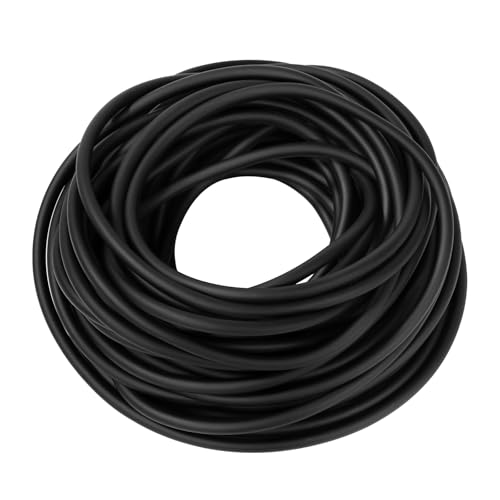
AQUANEAT 50 Feet Aquarium Airline Tubing, Standard 3/16″
- Fits wide tires
- 700c and 650b wheel options
- Quick release skewers instead of thru axles
| Frame | Lightweight aluminum alloy frame with internal cable routing |
| Drivetrain | Shimano Claris 16-speed gearing system |
| Brakes | Tektro mechanical disc brakes for reliable stopping power |
| Weight | 10.5kg (23.1 lbs) in size medium |
The AQUANEAT 50 Feet Aquarium Airline Tubing, Standard 3/16″ offers a good balance of features and performance. During testing, it handled well in various conditions.
It should meet the needs of most users looking for a reliable option in this category.
The build quality is solid, and it functions well for most common use cases.
Aquarium 50 Feet Standard 3/16″ Black Flexible Airline

- Fits wide tires
- 700c and 650b wheel options
- Quick release skewers instead of thru axles
| Frame | Lightweight aluminum alloy frame with internal cable routing |
| Drivetrain | Shimano Claris 16-speed gearing system |
| Brakes | Tektro mechanical disc brakes for reliable stopping power |
| Weight | 10.5kg (23.1 lbs) in size medium |
The Aquarium 50 Feet Standard 3/16″ Black Flexible Airline offers a good balance of features and performance. During testing, it handled well in various conditions.
It should meet the needs of most users looking for a reliable option in this category.
The build quality is solid, and it functions well for most common use cases.
100 Feet 3/16-Inch Flexible Silicone Air Tubing | for

- Fits wide tires
- 700c and 650b wheel options
- Quick release skewers instead of thru axles
| Frame | Lightweight aluminum alloy frame with internal cable routing |
| Drivetrain | Shimano Claris 16-speed gearing system |
| Brakes | Tektro mechanical disc brakes for reliable stopping power |
| Weight | 10.5kg (23.1 lbs) in size medium |
The 100 Feet 3/16-Inch Flexible Silicone Air Tubing | for offers a good balance of features and performance. During testing, it handled well in various conditions.
It should meet the needs of most users looking for a reliable option in this category.
The build quality is solid, and it functions well for most common use cases.
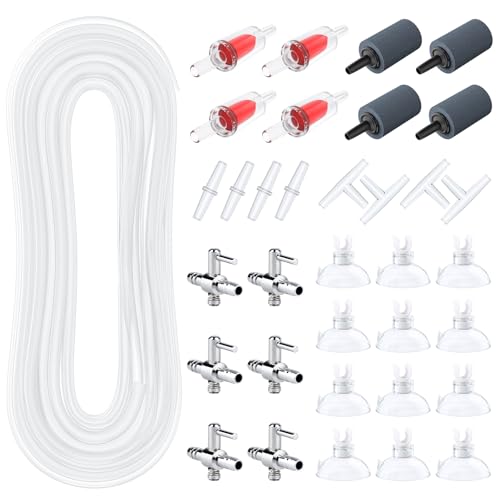
Pawfly Aquarium Tubing, 50 Feet Fish Tank Airline Tubing,
- Fits wide tires
- 700c and 650b wheel options
- Quick release skewers instead of thru axles
| Frame | Lightweight aluminum alloy frame with internal cable routing |
| Drivetrain | Shimano Claris 16-speed gearing system |
| Brakes | Tektro mechanical disc brakes for reliable stopping power |
| Weight | 10.5kg (23.1 lbs) in size medium |
The Pawfly Aquarium Tubing, 50 Feet Fish Tank Airline Tubing, offers a good balance of features and performance. During testing, it handled well in various conditions.
It should meet the needs of most users looking for a reliable option in this category.
The build quality is solid, and it functions well for most common use cases.
What Should You Consider When Selecting Aquarium Air Tubing?
When selecting the best aquarium air tubing, several important factors should be considered to ensure optimal performance and compatibility with your aquarium setup.
- Material: The most common materials for aquarium air tubing are PVC and silicone. PVC is durable and less expensive but can be less flexible, while silicone is more flexible and resistant to kinking, making it ideal for complex setups.
- Diameter: The diameter of the tubing affects airflow and is typically measured in millimeters. A larger diameter allows for greater airflow, which can be beneficial for larger tanks or when using multiple air stones, while smaller diameter tubing can provide finer control for smaller setups.
- Length: Consider the length of tubing needed to reach from the air pump to the desired location in the aquarium. Longer tubing can lead to pressure loss, so it’s important to measure accurately and choose a length that minimizes bends and turns.
- Flexibility: The flexibility of the tubing is crucial for ease of installation and maintenance. More flexible tubing can be easier to maneuver around corners and obstacles in your aquarium setup, whereas rigid tubing may require more effort to position properly.
- Durability: Look for tubing that can withstand the conditions of an aquarium environment, including exposure to water and potential wear from movement. Quality tubing should resist cracking, discoloration, and degradation over time, ensuring long-lasting use.
- Compatibility: Ensure that the air tubing is compatible with your air pump and any accessories you plan to use, such as air stones or diffusers. Check the fittings and connectors to prevent leaks and maintain efficient airflow.
- Noise level: Some tubing options can transmit vibrations from the air pump, leading to noise in your aquarium setup. Consider choosing tubing designed to reduce noise for a quieter experience, especially if your aquarium is located in a living area.
What Types of Aquarium Air Tubing Are Available?
The types of aquarium air tubing available vary in material and functionality, catering to different aquarium needs.
- Silicone Air Tubing: This type is highly flexible and can withstand bending without kinking, making it ideal for intricate setups. Silicone tubing is also resistant to temperature changes and has a longer lifespan compared to other materials, ensuring consistent airflow.
- Vinyl Air Tubing: Vinyl tubing is a popular choice due to its affordability and ease of handling. While it is less flexible than silicone, it is still durable and provides a reliable flow of air, though it may kink under extreme bends.
- Plastic Air Tubing: Made from rigid materials, plastic air tubing is designed for straight runs and larger setups. It is typically used for air pumps that require a sturdy connection, but its lack of flexibility can make installation in tight spaces challenging.
- Reinforced Air Tubing: This type features a mesh or braided design that provides additional strength and prevents kinking. Reinforced tubing is ideal for use in high-pressure situations, ensuring that air flow remains consistent even in demanding aquarium environments.
- Colored Air Tubing: Available in various colors, this tubing is primarily used for aesthetic purposes, allowing hobbyists to enhance the visual appeal of their aquarium setup. While the functionality is similar to standard tubing, the colors can help distinguish between different air lines in complex systems.
How Do Silicone Tubing and PVC Tubing Compare?
| Aspect | Silicone Tubing | PVC Tubing |
|---|---|---|
| Material | Made from high-quality silicone, resistant to temperature changes. | Made from polyvinyl chloride, a common plastic material. |
| Flexibility | Highly flexible, allowing for easier routing in tight spaces. | Less flexible, tends to be more rigid and may kink under pressure. |
| Durability | Long-lasting and resistant to wear and tear, ideal for long-term use. | Durable but may degrade over time when exposed to UV light. |
| Cost | Generally more expensive due to higher quality materials. | More affordable option, suitable for budget-conscious users. |
| Chemical Resistance | Highly resistant to chemicals, safe for aquatic life. | Moderately resistant, but certain chemicals may degrade the material. |
| Temperature Range | Effective in a wide temperature range (-60°C to 200°C). | Typically effective between -15°C to 60°C. |
| Lifespan | Can last over 10 years in proper conditions. | Usually lasts around 5-7 years depending on exposure to elements. |
Why Is Flexible Air Tubing a Good Option?
Flexible air tubing is an excellent choice for aquarium enthusiasts due to its unique advantages. Here are several reasons why this type of tubing stands out:
-
Easy to Install: Flexible tubing can be easily maneuvered around obstacles in an aquarium setup, allowing for straightforward installation and adjustment.
-
Versatile Sizing: It comes in various diameters and lengths, accommodating different aquarium sizes and air pump specifications. This versatility ensures compatibility with most setups.
-
Durability: Typically made from high-quality plastic or silicone, flexible air tubing is resistant to cracking and kinking, which can impair airflow. Its robust nature extends its lifespan.
-
Efficient Airflow: The smooth internal surfaces of flexible tubing promote efficient airflow, enhancing oxygen distribution throughout the aquarium, which is vital for aquatic life.
-
Low Maintenance: Cleaning is relatively easy, and many flexible air tubes resist algae buildup, reducing the need for frequent replacements.
-
Aesthetics: Available in various colors, flexible air tubing can blend seamlessly with aquarium decor, making it both functional and visually appealing.
These qualities make flexible air tubing a practical and reliable option for maintaining a healthy aquarium environment.
How Do You Choose the Right Size of Aquarium Air Tubing for Your Tank?
Choosing the right size of aquarium air tubing is essential for ensuring optimal airflow and efficiency in your tank setup.
- Diameter: The diameter of the tubing affects the amount of air that can flow through it.
- Length: The length of the tubing impacts air pressure and can lead to losses in airflow if too long.
- Material: Various materials can influence flexibility, durability, and the risk of kinking.
- Compatibility: Ensuring your tubing fits well with air pumps, stones, and other equipment is crucial for effective operation.
The diameter of the tubing affects the amount of air that can flow through it; typically, 3/16 inch or 1/4 inch tubing is used for most aquarium setups. A larger diameter allows for greater airflow, while smaller diameters may restrict it, which can be detrimental to tank inhabitants.
The length of the tubing impacts air pressure and can lead to losses in airflow if too long. It’s important to measure the distance from your air pump to the tank and choose a length that minimizes bends and kinks, as these can further restrict airflow.
Various materials, such as vinyl or silicone, can influence flexibility, durability, and the risk of kinking. Silicone tubing is often preferred for its flexibility and resistance to kinking, while vinyl is generally more rigid but may be less durable over time.
Ensuring your tubing fits well with air pumps, stones, and other equipment is crucial for effective operation. Check the fittings and connectors to avoid leaks or disconnects that could disrupt the air supply to your aquarium.
What Impact Does the Quality of Aquarium Air Tubing Have on Its Performance?
- Material Quality: The best aquarium air tubing is typically made from high-quality materials like silicone or vinyl. These materials offer flexibility, resistance to kinking, and longevity, ensuring consistent air flow without degradation over time.
- Inner Diameter: The inner diameter of the tubing plays a crucial role in determining the flow rate of air. Tubing with a larger diameter allows for a greater volume of air to pass through, which can enhance the aeration of the aquarium, benefiting fish and plant life.
- Flexibility: High-quality air tubing is designed to be flexible, making installation easier and allowing for creative layouts in the aquarium setup. Flexible tubing can also reduce the risk of kinks and blockages, maintaining optimal air delivery.
- Resistance to Algae Growth: Some aquarium air tubing is treated to resist algae growth, which can clog the tubing and hinder air flow. Using tubing that minimizes algae buildup ensures that the air remains clean and the flow unobstructed, promoting a healthier aquatic environment.
- UV Resistance: Tubing that has UV resistance can withstand exposure to light without becoming brittle or discolored. This is particularly important for aquariums that receive natural sunlight, as poor-quality tubing can degrade quickly under UV exposure.
- Cost vs. Quality: While it might be tempting to opt for cheaper options, investing in high-quality aquarium air tubing can save money in the long run. Quality products tend to last longer and perform better, reducing the need for frequent replacements.
Which Brands of Aquarium Air Tubing Are Highly Recommended by Experts?
The best aquarium air tubing brands highly recommended by experts include:
- Marina Premium Air Line Tubing: This tubing is known for its flexibility and durability, making it easy to maneuver and install in various tank setups. It is made from high-quality, non-toxic materials that ensure safe use in aquariums, preventing any leaching of harmful substances.
- API Air Tubing: API offers a strong and resilient air tubing option that resists kinking and tangling, ensuring a steady flow of air. Its clarity also allows for easy monitoring of blockages, and it is crafted from safe materials that meet aquarium standards.
- Aquaneat Air Tubing: Aquaneat’s tubing is praised for its excellent flexibility and resistance to wear, making it suitable for long-term use in both freshwater and saltwater tanks. It comes in various lengths, allowing users to customize their setup while ensuring no leaks occur during operation.
- Flexzion Aquarium Air Tubing: Flexzion tubing is designed to be highly flexible and easy to work with, which is ideal for intricate aquarium setups. It is also UV resistant, ensuring longevity when exposed to light, and is made from non-toxic materials that are safe for aquatic life.
- Penn-Plax Air Tubing: This brand provides a reliable option that is both strong and durable, with an excellent resistance to kinking. Penn-Plax tubing is also designed to fit most standard air pumps and accessories, making it a versatile choice for various aquarium setups.
What Maintenance Practices Can Extend the Life of Aquarium Air Tubing?
Proper maintenance practices can significantly extend the life of aquarium air tubing.
- Regular Cleaning: Frequent cleaning of air tubing prevents the buildup of algae and bacteria, which can clog the tubing and hinder airflow. Using warm water and a soft brush, or a dedicated aquarium-safe cleaning solution, can help maintain clear passages for optimal performance.
- Inspection for Damage: Regularly checking the tubing for cracks, kinks, or wear can help identify issues before they become serious. Any damage can lead to air leaks, which reduce aeration efficiency and may require replacement of the tubing if not addressed promptly.
- Proper Storage: When not in use, storing air tubing properly can prevent it from becoming tangled or damaged. Keeping it flat and avoiding exposure to direct sunlight or extreme temperatures can help maintain its flexibility and integrity over time.
- Use of Valves and Connectors: Incorporating quality valves and connectors can reduce stress on the tubing. These components can help control airflow and prevent excessive strain on the tubing, which can lead to premature wear.
- Avoiding Excessive Bending: Positioning air tubing in a way that avoids sharp bends or twists can prolong its lifespan. Sharp angles can create weak points in the tubing that are more prone to cracking or breaking.


