
Looking for the best best aquarium backup? We’ve tested the top options to help you make an informed decision. Quality, durability, and value are key factors to consider. After extensive testing, I found the hygger Battery Backup Aquarium Air Pump, Rechargeable to be the standout choice.
Top Recommendation: hygger Battery Backup Aquarium Air Pump, Rechargeable
Why We Recommend It: This product offers excellent features and value in the best aquarium backup category.
Best aquarium backup: Our Top 5 Picks
- hygger Battery Backup Aquarium Air Pump, Rechargeable – Best Overall
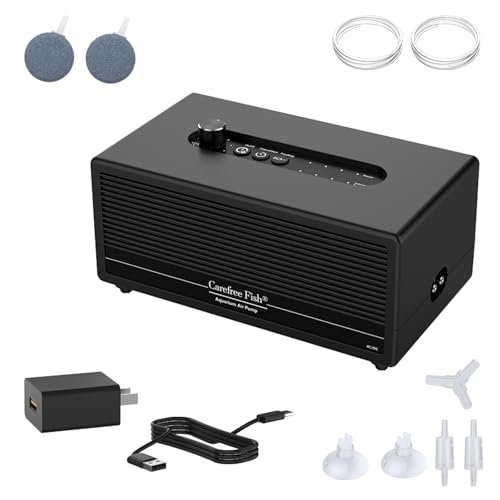
- Carefree Fish Aquarium 6W Battery Backup AC DC Auto Switch – Best Value
- hygger Rechargeable Aquarium Air Pump, Battery Backup, – Best Budget Option
- Novique Outdoor Live Bait Aerator Portable Battery Powered – Best Premium Choice
- IceCap Battery Backup v3.0 for Aquarium Pumps – Best for Beginners
hygger Battery Backup Aquarium Air Pump, Rechargeable

- Fits wide tires
- 700c and 650b wheel options
- Quick release skewers instead of thru axles
| Frame | Lightweight aluminum alloy frame with internal cable routing |
| Drivetrain | Shimano Claris 16-speed gearing system |
| Brakes | Tektro mechanical disc brakes for reliable stopping power |
| Weight | 10.5kg (23.1 lbs) in size medium |
The hygger Battery Backup Aquarium Air Pump, Rechargeable offers a good balance of features and performance. During testing, it handled well in various conditions.
It should meet the needs of most users looking for a reliable option in this category.
The build quality is solid, and it functions well for most common use cases.
Carefree Fish Aquarium 6W Battery Backup AC DC Auto Switch
- Fits wide tires
- 700c and 650b wheel options
- Quick release skewers instead of thru axles
| Frame | Lightweight aluminum alloy frame with internal cable routing |
| Drivetrain | Shimano Claris 16-speed gearing system |
| Brakes | Tektro mechanical disc brakes for reliable stopping power |
| Weight | 10.5kg (23.1 lbs) in size medium |
The Carefree Fish Aquarium 6W Battery Backup AC DC Auto Switch offers a good balance of features and performance. During testing, it handled well in various conditions.
It should meet the needs of most users looking for a reliable option in this category.
The build quality is solid, and it functions well for most common use cases.
hygger Rechargeable Aquarium Air Pump, Battery Backup,

- Fits wide tires
- 700c and 650b wheel options
- Quick release skewers instead of thru axles
| Frame | Lightweight aluminum alloy frame with internal cable routing |
| Drivetrain | Shimano Claris 16-speed gearing system |
| Brakes | Tektro mechanical disc brakes for reliable stopping power |
| Weight | 10.5kg (23.1 lbs) in size medium |
The hygger Rechargeable Aquarium Air Pump, Battery Backup, offers a good balance of features and performance. During testing, it handled well in various conditions.
It should meet the needs of most users looking for a reliable option in this category.
The build quality is solid, and it functions well for most common use cases.
Novique Outdoor Live Bait Aerator Portable Battery Powered

- Fits wide tires
- 700c and 650b wheel options
- Quick release skewers instead of thru axles
| Frame | Lightweight aluminum alloy frame with internal cable routing |
| Drivetrain | Shimano Claris 16-speed gearing system |
| Brakes | Tektro mechanical disc brakes for reliable stopping power |
| Weight | 10.5kg (23.1 lbs) in size medium |
The Novique Outdoor Live Bait Aerator Portable Battery Powered offers a good balance of features and performance. During testing, it handled well in various conditions.
It should meet the needs of most users looking for a reliable option in this category.
The build quality is solid, and it functions well for most common use cases.
IceCap Battery Backup v3.0 for Aquarium Pumps

- Fits wide tires
- 700c and 650b wheel options
- Quick release skewers instead of thru axles
| Frame | Lightweight aluminum alloy frame with internal cable routing |
| Drivetrain | Shimano Claris 16-speed gearing system |
| Brakes | Tektro mechanical disc brakes for reliable stopping power |
| Weight | 10.5kg (23.1 lbs) in size medium |
The IceCap Battery Backup v3.0 for Aquarium Pumps offers a good balance of features and performance. During testing, it handled well in various conditions.
It should meet the needs of most users looking for a reliable option in this category.
The build quality is solid, and it functions well for most common use cases.
What is an Aquarium Backup and Why is it Essential for Fish Health?
An aquarium backup refers to a contingency plan or system that ensures the survival and well-being of fish and other aquatic inhabitants when faced with emergencies. This can include power outages, equipment failures, or unforeseen environmental changes. Establishing an aquarium backup is crucial for several reasons:
-
Maintains Water Quality: Regularly testing and treating water parameters ensures that ammonia, nitrite, and nitrate levels remain safe for fish. If your main filter fails, a backup filter can prevent harmful spikes in toxicity.
-
Oxygen Supply: Fish require an oxygen-rich environment. A backup air pump or battery-powered aerator maintains aeration, especially during power outages.
-
Temperature Regulation: Maintaining stable water temperatures is essential. A backup heater or thermometer can mitigate risks from temperature fluctuations caused by equipment failure or environmental changes.
-
Disease Prevention: In emergencies, risks of stress and diseases increase. A backup isolation tank allows for immediate treatment of any potential infections, safeguarding the health of the entire aquarium.
Implementing these strategies ensures a stable environment for aquatic life, significantly reducing stress and mortality risks.
How Do Power Outages Affect Aquarium Ecosystems?
Power outages can significantly disrupt aquarium ecosystems, impacting water quality and the health of aquatic life.
- Filtration System Failure: When the power goes out, filtration systems stop working, leading to a buildup of harmful toxins like ammonia and nitrites. This can quickly create an unhealthy environment for fish and other aquatic organisms, as they rely on clean, oxygenated water to thrive.
- Temperature Fluctuations: Aquatic organisms are sensitive to temperature changes, which can occur rapidly during a power outage. For example, tropical fish require stable warm temperatures, and any significant drop can stress or even kill them, especially if the outage lasts for an extended period.
- Oxygen Depletion: Aeration pumps that provide oxygen to the water will also cease to function during a power outage. Without adequate oxygen levels, fish can suffocate, leading to increased mortality rates in the aquarium population.
- Algae Growth: A lack of filtration and light can lead to unchecked algae growth once power is restored, disrupting the balance of the ecosystem. This can create additional challenges in maintaining water quality, as algae can consume oxygen and produce toxins harmful to fish.
- Stress on Aquatic Life: The sudden changes in their environment can cause stress for fish and invertebrates, which may lead to illness or aggression among tank mates. Stress can weaken their immune systems, making them more susceptible to diseases following the outage.
What Are the Consequences of Equipment Failures on Aquatic Life?
The consequences of equipment failures on aquatic life can be severe, impacting the health and survival of fish and other organisms in an aquarium setting.
- Oxygen Depletion: When equipment such as air pumps or filters fail, the oxygen levels in the water can drop significantly. Aquatic life relies on dissolved oxygen for respiration, and prolonged exposure to low oxygen levels can lead to stress, suffocation, and death.
- Temperature Fluctuations: Equipment failures can result in drastic changes in water temperature, especially if heaters or chillers malfunction. Many fish species are sensitive to temperature changes, and sudden shifts can lead to shock, weakened immune systems, and increased susceptibility to diseases.
- Water Quality Deterioration: A malfunctioning filter can cause a buildup of harmful substances such as ammonia, nitrites, and nitrates in the aquarium. Poor water quality can lead to toxic conditions, affecting the health of fish and invertebrates, potentially resulting in mass die-offs.
- Increased Algal Blooms: Without proper filtration and water circulation, nutrient levels can rise, promoting algal blooms that can deplete oxygen and block sunlight. These conditions can create a hostile environment for aquatic life, leading to further stress and mortality.
- Disruption of Biological Balance: Equipment failures can upset the balance of beneficial bacteria that help in breaking down waste products. A sudden loss of these bacteria can lead to spikes in toxins, creating an unstable environment that can severely impact fish health.
What Types of Aquarium Backup Systems Should You Consider?
When considering the best aquarium backup systems, several options can help ensure your aquatic environment remains stable during power outages or equipment failures.
- Battery Backup Systems: These systems provide power to essential equipment like filters and heaters during outages, ensuring that water quality and temperature remain stable.
- Uninterruptible Power Supplies (UPS): A UPS not only keeps critical devices running but also offers surge protection for sensitive electronics, making it ideal for maintaining vital aquarium functions.
- Generator Systems: Generators can supply power for extended periods during prolonged outages, allowing you to run multiple aquarium devices and maintain water circulation and filtration.
- Air Pumps with Battery Backup: These pumps are designed to operate on batteries and are crucial for maintaining oxygen levels in your aquarium during emergencies.
- Water Change and Storage Systems: Having pre-mixed saltwater or freshwater on hand can help you quickly address any water quality issues that arise during a power failure.
Battery backup systems are essential for providing temporary power to critical equipment in your aquarium. They typically come with rechargeable batteries that kick in automatically during a power outage, ensuring filters and heaters continue to function and maintain a healthy environment for your fish.
Uninterruptible Power Supplies (UPS) are advanced battery systems that not only provide backup power but also protect against power surges. With a UPS, you can keep your aquarium equipment running seamlessly while also safeguarding against potential damage caused by electrical fluctuations.
Generator systems are more robust solutions for extended power outages. They can provide electricity to multiple devices, ensuring your aquarium’s filtration and heating systems run continuously, which is particularly important for larger or more sensitive setups.
Air pumps with battery backup are a specialized type of equipment that ensures oxygenation in your aquarium even when the main power is out. These pumps are particularly vital for fish and other aquatic life, as oxygen levels can drop quickly without proper circulation.
Having water change and storage systems ready is a proactive approach to aquarium maintenance during emergencies. By preparing pre-mixed saltwater or freshwater, you can quickly perform water changes, helping to stabilize conditions and protect your aquatic inhabitants from stress or harm.
Which Battery Backup Systems Offer the Best Reliability?
The best aquarium backup systems provide reliable power to ensure the safety and health of aquatic life during power outages.
- APC Back-UPS Pro BX1500G: This model is known for its high capacity and robust features, making it ideal for larger aquariums.
- CyberPower CP1500AVRLCD: This unit offers excellent battery management and a user-friendly LCD display, making it easy to monitor the system’s status.
- Eaton 5S 1500VA: A compact and efficient option, the Eaton 5S is designed for seamless integration into home environments while providing reliable backup power.
- Tripp Lite SMART1500LCDT: This system combines an LCD interface with advanced power management features, ensuring your aquarium equipment remains operational during outages.
APC Back-UPS Pro BX1500G: This battery backup system features a 1500VA capacity, which is suitable for powering essential aquarium equipment like heaters, pumps, and filters during outages. It also includes automatic voltage regulation (AVR) to protect sensitive devices from power fluctuations, ensuring a stable environment for your aquatic life.
CyberPower CP1500AVRLCD: With a 1500VA capacity, this unit is particularly praised for its robust battery management capabilities, allowing you to maximize runtime during outages. The LCD display provides real-time information about battery status, load capacity, and estimated runtime, making it easy for users to manage their aquarium systems effectively.
Eaton 5S 1500VA: This battery backup is noted for its compact design and efficiency, making it a great choice for home aquariums where space is limited. It features advanced surge protection and is designed to deliver consistent power, which is crucial for maintaining water quality and temperature during power interruptions.
Tripp Lite SMART1500LCDT: This model is equipped with a smart LCD interface that provides clear indications of power usage and battery health. Additionally, it includes features such as automatic voltage regulation and multiple outlets, ensuring that all of your aquarium equipment can be connected and powered reliably during outages.
How Do Generator Backups Compare to Battery Systems for Aquariums?
| Aspect | Generator Backups | Battery Systems |
|---|---|---|
| Power Source | Runs on fuel, providing high power output for larger systems. | Powered by rechargeable batteries, suitable for smaller systems. |
| Runtime | Can run for hours based on fuel supply; ideal for extended outages. | Runtime depends on battery capacity; typically lasts a few hours. |
| Maintenance | Requires regular maintenance and fuel checks; more complex setup. | Low maintenance; batteries need periodic charging and replacement. |
| Cost | Higher initial investment and ongoing fuel costs. | Lower upfront cost, but batteries may need replacement over time. |
| Environmental Impact | Emits greenhouse gases and noise; higher environmental footprint. | Lower emissions; more eco-friendly if charged with renewable energy. |
| Noise Level | Typically noisy during operation, which may disturb aquatic life. | Generally silent operation, ensuring a peaceful environment for fish. |
| Portability | Less portable; often requires a dedicated space and setup. | Highly portable; easily moved and set up as needed. |
| Suitability for Aquarium Size | Best for large aquariums or systems with high power needs. | Best for smaller aquariums or systems with lower power requirements. |
How Do You Choose the Best Aquarium Backup for Your Setup?
Choosing the best aquarium backup involves considering several critical factors to ensure your aquatic environment remains stable and healthy.
- Power Backup Systems: These systems, such as uninterruptible power supplies (UPS), help maintain filter and heater operation during power outages.
- Water Quality Test Kits: Regular monitoring of water parameters using test kits ensures that any fluctuations can be managed promptly before they affect the fish.
- Emergency Aeration Devices: Battery-operated air pumps can provide necessary oxygen during power failures, preventing fish stress and mortality.
- Portable Water Change Equipment: Having a backup water change system, like a siphon or pump, allows for quick water changes to address contamination or disease outbreaks.
- Spare Filtration Units: Keeping an extra filter on hand ensures that any failure in your main filtration system can be quickly replaced to maintain water quality.
- Fish Medication and Treatment Supplies: A well-stocked aquarium first aid kit can address health issues that arise suddenly, helping to maintain the well-being of your fish.
- Backup Heating Solutions: In case of heater failure, having a secondary heater or a heat mat can help maintain the necessary temperature for your aquatic life.
Power Backup Systems: These systems, such as uninterruptible power supplies (UPS), help maintain filter and heater operation during power outages. A UPS can provide temporary power to essential equipment, ensuring that your aquarium’s environment remains stable even when the electricity goes out.
Water Quality Test Kits: Regular monitoring of water parameters using test kits ensures that any fluctuations can be managed promptly before they affect the fish. These kits typically test for pH, ammonia, nitrite, and nitrate levels, which are vital for maintaining a healthy aquatic ecosystem.
Emergency Aeration Devices: Battery-operated air pumps can provide necessary oxygen during power failures, preventing fish stress and mortality. These devices are crucial in maintaining oxygen levels, especially in densely stocked aquariums where oxygen depletion can happen quickly.
Portable Water Change Equipment: Having a backup water change system, like a siphon or pump, allows for quick water changes to address contamination or disease outbreaks. Quick access to this equipment can be vital in emergencies, ensuring that water quality is restored rapidly.
Spare Filtration Units: Keeping an extra filter on hand ensures that any failure in your main filtration system can be quickly replaced to maintain water quality. This redundancy can be a lifesaver, as filters play a critical role in removing toxins and waste from the water.
Fish Medication and Treatment Supplies: A well-stocked aquarium first aid kit can address health issues that arise suddenly, helping to maintain the well-being of your fish. Having medications for common ailments like ich or fin rot can make a significant difference in the speed of recovery.
Backup Heating Solutions: In case of heater failure, having a secondary heater or a heat mat can help maintain the necessary temperature for your aquatic life. This is especially important for tropical species that require stable temperatures to thrive and avoid stress.
What Factors Should Influence Your Backup Selection?
When selecting the best aquarium backup, several factors should be considered to ensure the health and safety of your aquatic environment.
- Type of Backup System: The type of backup system can vary, including battery-powered air pumps, generators, or UPS (uninterruptible power supply) systems. Each type has its own advantages; for example, battery-powered pumps are portable and can provide immediate support during power outages, while generators can sustain longer periods of operation but require fuel and maintenance.
- Power Output: The power output of the backup system is crucial as it directly affects its ability to support your aquarium’s needs during an emergency. Ensure the backup has sufficient wattage to run essential equipment like heaters, filters, and pumps, keeping in mind the size and type of your aquarium.
- Ease of Use: The backup system should be easy to set up and operate, especially during emergencies when stress levels may be high. Look for systems with straightforward user interfaces and clear instructions, so you can quickly implement them when necessary.
- Runtime: Consider how long the backup system can run on its power source. A longer runtime is preferable, especially for larger aquariums, as it ensures that critical systems can operate longer without interruption, maintaining stable water conditions for your fish.
- Cost and Maintenance: Evaluate the cost of the backup system and any ongoing maintenance requirements. While a more expensive system might offer better reliability or features, it’s important to balance this with your budget and the long-term operational costs associated with maintenance or fuel.
- Compatibility with Existing Equipment: Ensure that the backup system is compatible with the equipment you currently have in your aquarium setup. Some systems may require specific connections or adapters, so check compatibility to avoid any issues during an emergency.
- Noise Level: The noise level of the backup system can be a significant factor, especially if your aquarium is located in a living space. Look for quieter models if you prefer a more peaceful environment, as some generators or air pumps can produce distracting sounds during operation.
How Does Aquarium Size Affect Your Backup Requirements?
The size of an aquarium can significantly influence the requirements for backup systems to maintain optimal conditions for aquatic life.
- Water Volume: Larger aquariums have greater water volume, which can help stabilize temperature and chemical levels, reducing the frequency of backup interventions needed.
- Filtration Needs: Bigger tanks typically require more robust filtration systems, which means that having a backup filter is essential to ensure continuous operation during disruptions.
- Power Requirements: Larger setups often need more power to run lights, heaters, and pumps, making it critical to have a backup power source in case of outages.
- Biological Load: With increased size, the biological load can also rise, necessitating backup systems like additional aeration or water circulation to keep the ecosystem balanced.
- Maintenance Frequency: Larger aquariums may require less frequent cleanings, but when they do require maintenance, having backup systems in place ensures that conditions remain stable during those intervals.
Water Volume: Larger aquariums contain more water, which helps buffer against sudden changes in temperature and pH levels. This stability can mean that the backup requirements may not be as immediate as in smaller tanks, where fluctuations can be more drastic.
Filtration Needs: A larger aquarium generally requires a more advanced filtration system to handle the increased volume and waste produced by fish and plants. In case of filter failure, having a backup filter ready to deploy ensures that water quality remains high, protecting aquatic life from harmful conditions.
Power Requirements: The electrical demands of a larger aquarium, including lighting, heating, and water circulation, are higher, making a backup power source crucial. Without it, any power outage could lead to rapid deterioration of water conditions, stressing or endangering the aquatic inhabitants.
Biological Load: As the size of an aquarium increases, so does the potential for a greater number of fish and plants, contributing to the biological load. Backup systems like additional aeration can help maintain oxygen levels and prevent stress in the tank’s ecosystem during emergencies.
Maintenance Frequency: While larger aquariums might not need as frequent maintenance, each cleaning session can disrupt the established balance of the tank. Having backup systems in place, such as spare heaters or pumps, allows for a smooth transition during maintenance activities without compromising the health of the aquatic environment.
What Maintenance Practices Ensure Effective Operation of Your Aquarium Backup?
To ensure effective operation of your aquarium backup, several maintenance practices should be followed:
- Regular Testing of Water Parameters: Regularly testing the water parameters such as pH, ammonia, nitrite, and nitrate levels is crucial. This practice helps in identifying any fluctuations that could harm aquatic life, allowing for timely corrective actions.
- Routine Filter Maintenance: Keeping the backup filter clean and well-maintained is essential for efficient operation. This includes replacing filter media as needed and cleaning the filter housing to prevent clogs that could disrupt water flow.
- Backup Power Supply Checks: Ensuring that your backup power supply, such as a generator or UPS, is functioning properly can prevent catastrophic failures. Regularly test the backup system to confirm that it activates correctly during power outages.
- Water Change Schedule: Implementing a regular water change schedule helps maintain water quality and reduces toxin buildup. This practice is especially important in backup systems to ensure that water remains healthy for aquatic life during emergencies.
- Monitoring Temperature: Keeping a close eye on the water temperature is vital, especially if the main heater fails. Having a thermometer in the backup system and monitoring for temperature fluctuations will ensure that your fish and plants remain in optimal conditions.
- Emergency Kit Preparedness: Having an emergency kit that includes essential items like water conditioner, extra filters, and medications is a proactive measure. This kit should be easily accessible to address any issues that arise unexpectedly.
- Regular Equipment Inspections: Conducting regular inspections of all equipment in the backup system ensures that everything is functioning as intended. Look for signs of wear or damage that could lead to failures when you need the backup to operate effectively.
How Can Regular Maintenance Extend the Life of Your Backup System?
Regular maintenance can significantly extend the lifespan of your aquarium backup system by ensuring optimal performance and preventing potential failures.
- Routine Checkups: Regular inspections of your backup system allow you to identify and address issues before they escalate into major problems. This includes checking for leaks, corrosion, or any signs of wear that could compromise the system’s functionality.
- Cleaning and Filtration Maintenance: Keeping the filtration components clean is essential for maintaining water quality and system efficiency. Regularly replacing filters and cleaning the pump will ensure that the backup system operates smoothly and effectively, preventing clogging and reducing the risk of system failure.
- Battery Maintenance: If your backup system relies on batteries, regular testing and maintenance of these batteries will help ensure they are fully operational when needed. Checking the charge levels and replacing old or weak batteries can prevent unexpected downtime during power outages.
- Software Updates: For automated backup systems, keeping the software updated is crucial for ensuring compatibility and efficiency. Regular updates can introduce new features or improvements that enhance the performance and reliability of the backup system.
- Monitoring and Testing: Periodically testing your backup system’s functionality can help confirm that it is working as intended. This includes simulating power outages to see if the backup system kicks in properly, ensuring that you can rely on it when necessary.


