
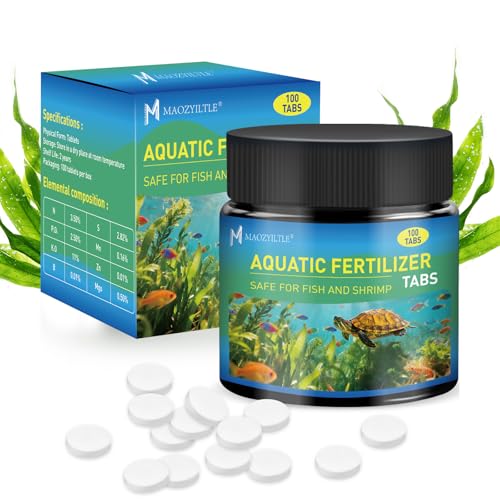
Looking for the best best aquarium fertelizer? We’ve tested the top options to help you make an informed decision. Quality, durability, and value are key factors to consider. After extensive testing, I found the Maozyiltle Root Tabs, Aquarium Plant Fertilizer, Aquarium to be the standout choice.
Top Recommendation: Maozyiltle Root Tabs, Aquarium Plant Fertilizer, Aquarium
Why We Recommend It: This product offers excellent features and value in the best aquarium fertelizer category.
Maozyiltle Root Tabs, Aquarium Plant Fertilizer, Aquarium
- Fits wide tires
- 700c and 650b wheel options
- Quick release skewers instead of thru axles
| Frame | Lightweight aluminum alloy frame with internal cable routing |
| Drivetrain | Shimano Claris 16-speed gearing system |
| Brakes | Tektro mechanical disc brakes for reliable stopping power |
| Weight | 10.5kg (23.1 lbs) in size medium |
The Maozyiltle Root Tabs, Aquarium Plant Fertilizer, Aquarium offers a good balance of features and performance. During testing, it handled well in various conditions.
It should meet the needs of most users looking for a reliable option in this category.
The build quality is solid, and it functions well for most common use cases.
What is Aquarium Fertilizer and Why is it Important for Aquatic Plants?
Aquarium fertilizer is a crucial component for maintaining vibrant aquatic plants and a healthy aquarium ecosystem. These fertilizers provide essential nutrients that may be lacking in the water, particularly in planted aquariums where plant growth demands more resources.
Key nutrients in aquarium fertilizers include:
- Nitrogen (N): Promotes leaf growth and is vital for photosynthesis.
- Phosphorus (P): Supports root development and flowering.
- Potassium (K): Enhances overall plant health and resilience.
- Trace Elements: Micronutrients like iron, magnesium, and manganese are also important for chlorophyll production and overall plant vitality.
The importance of aquarium fertilizer lies in its ability to prevent nutrient deficiencies that can hinder plant growth. Without adequate nutrients, plants may exhibit stunted growth, poor coloration, and increased susceptibility to disease. Additionally, healthy plants contribute to water quality by using carbon dioxide and absorbing nitrates, thus benefiting fish and other aquatic inhabitants. Proper use of aquarium fertilizer ensures a balanced ecosystem, promoting thriving plants and fish alike.
What Are the Different Types of Aquarium Fertilizers Available?
- Liquid Fertilizers: These are concentrated solutions that can be easily added to the aquarium water. They typically contain essential nutrients like nitrogen, phosphorus, potassium, and trace elements, making them suitable for both aquatic plants and fish.
- Root Tabs: These are solid tablets designed to be buried in the substrate near the roots of aquatic plants. They provide a slow-release source of nutrients, ensuring that plants receive a steady supply without affecting water quality.
- Granular Fertilizers: Similar to root tabs, these fertilizers come in a granular form that can be mixed into the substrate. They generally release nutrients over a longer period, which can help in establishing a healthy substrate for plant roots.
- Specialized Fertilizers: These are formulated for specific types of plants, such as high-light plants or low-light plants. They contain tailored nutrient ratios that cater to the specific needs of different aquatic flora, promoting optimal growth and health.
- CO2 Systems: Though not a fertilizer in the traditional sense, CO2 injection systems provide carbon dioxide, which is a critical component for photosynthesis in plants. Supplementing CO2 can significantly enhance plant growth when paired with appropriate fertilizers.
How Does Liquid Fertilizer Benefit Your Aquarium Plants?
- Improved Nutrient Absorption: Liquid fertilizers are readily available for plants to absorb directly through their leaves and roots, leading to quicker utilization of essential nutrients.
- Targeted Nutrient Delivery: These fertilizers can be formulated to provide specific nutrients, such as nitrogen, phosphorus, and potassium, which are crucial for different stages of plant growth.
- Enhanced Growth Rates: By supplying plants with the necessary nutrients in a balanced manner, liquid fertilizers can significantly accelerate growth rates, resulting in healthier and more vibrant plants.
- Convenience of Use: Liquid fertilizers are easy to apply, allowing for precise dosing and flexible application methods, which can be adjusted according to the needs of the plants and the aquarium environment.
- Minimized Risk of Algae Growth: When used correctly, liquid fertilizers can reduce the risk of algae blooms by providing a balanced nutrient supply that prioritizes plant growth over algae proliferation.
Improved Nutrient Absorption: Liquid fertilizers are designed to be easily absorbed by plants, allowing them to take up nutrients almost immediately. This fast-acting nature means that plants can respond quickly to nutrient deficiencies, promoting healthier foliage and root development.
Targeted Nutrient Delivery: Many liquid fertilizers are formulated to deliver specific ratios of nutrients tailored to the needs of aquarium plants. This targeted approach ensures that plants receive what they need at various growth stages, helping to prevent deficiencies and promoting optimal health.
Enhanced Growth Rates: By providing a consistent and balanced supply of nutrients, liquid fertilizers can lead to noticeably improved growth rates in aquatic plants. This means lush, green plants that can enhance the aesthetic of the aquarium while also improving water quality through increased oxygen production.
Convenience of Use: Liquid fertilizers typically come in easy-to-use bottles or containers, allowing aquarists to measure and add the appropriate amount with minimal effort. This user-friendly aspect enables hobbyists to integrate fertilization into their regular maintenance routines seamlessly.
Minimized Risk of Algae Growth: When used properly, liquid fertilizers can help balance the nutrient levels in the aquarium, which minimizes the chance of algae outbreaks. By ensuring that plants are well-fed, it creates a competitive environment where plants thrive while algae struggles to gain a foothold.
What Advantages Do Root Fertilizers Offer for Plant Growth?
Root fertilizers provide several advantages that enhance plant growth in aquariums.
- Nutrient Delivery: Root fertilizers are specifically designed to deliver essential nutrients directly to the plant roots, ensuring efficient uptake and minimizing nutrient loss. This targeted approach helps plants receive the necessary macronutrients and micronutrients, promoting healthy growth and vibrant foliage.
- Improved Root Development: By providing a concentrated source of nutrients at the root zone, these fertilizers foster robust root systems. Stronger roots not only enhance the plant’s ability to absorb water and nutrients but also improve overall stability and resilience against environmental stressors.
- Enhanced Plant Health: Root fertilizers can help prevent nutrient deficiencies, leading to healthier plants that are more resistant to disease and pests. This is particularly important in aquarium settings where plants can be subjected to varying water conditions and potential stressors.
- Customization: Many root fertilizers come in various formulations, allowing aquarists to select the best option tailored to the specific needs of their aquatic plants. This flexibility ensures that the plants receive the right nutrients at the right time, optimizing growth and overall health.
- Soil Conditioning: When used in conjunction with substrate materials, root fertilizers can improve soil structure and aeration. This helps create a better environment for root growth, enhancing the absorption of nutrients and water, which is crucial for thriving aquatic plants.
How Can Substrate Fertilizers Enhance Your Tank’s Environment?
Substrate fertilizers also foster a thriving microbial community that breaks down waste products and organic debris, ensuring a clean and balanced environment for both plants and aquatic life.
Choosing the best aquarium fertilizer tailored to the specific plant species in your tank can lead to a stunning display of biodiversity, allowing you to create a lush and vibrant underwater habitat.
What Key Nutrients Should You Look for in Aquarium Fertilizers?
- Nitrogen: Nitrogen is essential for plant growth as it is a critical component of amino acids and proteins. In aquariums, nitrogen is often supplied in the form of nitrates, which are vital for healthy foliage and overall vigor of aquatic plants.
- Phosphorus: Phosphorus plays a key role in energy transfer within plants and is crucial for photosynthesis. This nutrient is often found in fertilizers as phosphates, and a proper balance of phosphorus helps in root development and flowering in aquatic plants.
- Potassium: Potassium is important for various physiological processes in plants, including the regulation of water uptake and enzyme activation. This nutrient promotes strong and healthy growth, enhances disease resistance, and improves overall plant vitality.
- Trace Elements: Trace elements like iron, manganese, zinc, and copper are necessary in small amounts for enzyme function and chlorophyll production. These micronutrients support various metabolic processes, and a deficiency can lead to poor plant growth and yellowing leaves.
- Calcium and Magnesium: Calcium is crucial for cell wall structure and growth, while magnesium is a central component of chlorophyll. Both minerals help in maintaining strong plant structure and enhancing photosynthetic efficiency.
- Carbon Dioxide (CO2): While not a nutrient in the traditional sense, CO2 is vital for photosynthesis in aquatic plants. Supplementing CO2 in the aquarium can significantly boost plant growth and health, especially in densely planted tanks.
How Do You Choose the Right Fertilizer for Your Aquarium Plant Needs?
- Type of Plants: Different aquatic plants have varying nutrient requirements, which influences the choice of fertilizer.
- Nutrient Composition: Understanding the essential nutrients needed by plants—such as nitrogen, phosphorus, potassium, and trace elements—is key to selecting the right fertilizer.
- Form of Fertilizer: Fertilizers come in liquid, granular, and tablet forms, each with distinct advantages depending on the setup and plant types.
- Water Parameters: It’s essential to consider the pH, hardness, and temperature of the aquarium water, as these factors affect nutrient availability and plant health.
- Frequency of Application: Different fertilizers have different recommended application frequencies, which should align with the growth rate of your plants and the overall tank maintenance schedule.
Type of Plants: When choosing a fertilizer, consider whether you have low-light plants like Java Fern or high-light plants like Amazon Swords. Low-light plants typically require less intensive fertilization, while high-light plants often benefit from more nutrient-rich solutions to support their rapid growth.
Nutrient Composition: It’s important to analyze the nutrient composition of the fertilizer to ensure it meets the needs of your plants. A balanced fertilizer containing macro and micronutrients is often ideal, as it provides essential elements like nitrogen for foliage growth and phosphorus for root development.
Form of Fertilizer: Liquid fertilizers are easily absorbed and can be administered directly into the water, suitable for rapid nutrient uptake. Granular fertilizers may offer a slow-release option, beneficial for long-term growth, while tablets can be placed in the substrate for root-feeding plants.
Water Parameters: The chemical composition of your aquarium water can significantly affect how plants absorb nutrients. For instance, if your water has high alkalinity, certain nutrients may become less available, so selecting a fertilizer that compensates for these conditions is essential for plant vitality.
Frequency of Application: Some fertilizers require weekly applications, while others may only need monthly dosing. Assess your plants’ growth rate and the nutrient depletion of your tank to determine how often to apply fertilizer for optimal growth without risking nutrient overload.
What Are the Signs of Nutrient Deficiency to Watch for in Your Aquarium Plants?
Signs of nutrient deficiency in aquarium plants can manifest in various ways, indicating the need for better fertilization.
- Chlorosis: This condition is characterized by yellowing leaves, often starting with the older leaves first. Chlorosis typically indicates a deficiency in essential nutrients like nitrogen, iron, or magnesium, which are crucial for chlorophyll production and overall plant health.
- Stunted Growth: If your plants are not growing as expected or are smaller than usual, it could be a sign of nutrient deficiency. This can result from insufficient macro or micronutrients, leading to inadequate energy production and slower metabolic processes in the plants.
- Leaf Drop: When plants begin to shed leaves, particularly newer ones, it may point to nutrient deficiencies or an imbalance in the aquarium’s ecosystem. This often occurs when plants are unable to access necessary nutrients, prompting them to conserve energy by losing less vital leaves.
- Pitting or Holes in Leaves: If you observe small holes or pitting on the leaves, it is typically a sign of calcium or potassium deficiency. These nutrients are essential for cell wall structure and overall leaf integrity, and their absence can lead to physical damage to the plant tissue.
- Red or Purple Tinting: A reddish or purplish discoloration on the leaves, particularly on the undersides, can indicate a phosphorus deficiency. This coloration occurs as a stress response when plants are unable to uptake sufficient phosphorus, which is crucial for energy transfer and root development.
- Algae Growth: An increase in algae growth can also signal nutrient imbalances, often due to a lack of competition from healthy plants. When plants are deficient in nutrients, they may become weak, allowing algae to thrive and dominate the environment, further complicating the nutrient dynamics in your aquarium.


