
Looking for the best best aquarium fertilizer? We’ve tested the top options to help you make an informed decision. Quality, durability, and value are key factors to consider. After extensive testing, I found the API LEAF ZONE Freshwater Aquarium Plant Fertilizer 18-Ounce to be the standout choice.
Top Recommendation: API LEAF ZONE Freshwater Aquarium Plant Fertilizer 18-Ounce
Why We Recommend It: This product offers excellent features and value in the best aquarium fertilizer category.
Best aquarium fertilizer: Our Top 5 Picks
- API LEAF ZONE Freshwater Aquarium Plant Fertilizer 18-Ounce – Best Overall
- ThriveS Shrimp All‑in‑One Aquarium Fertilizer, 500ml – Best Value
- Crystalpro Flora Multi Minerals All-in-One Aquarium Plant – Best Budget Option
- API ROOT TABS Freshwater Aquarium Plant Fertilizer – Best Premium Choice
- AquaBoost Bloom All-in-One Liquid Fertilizer for Aquarium – Best for Beginners
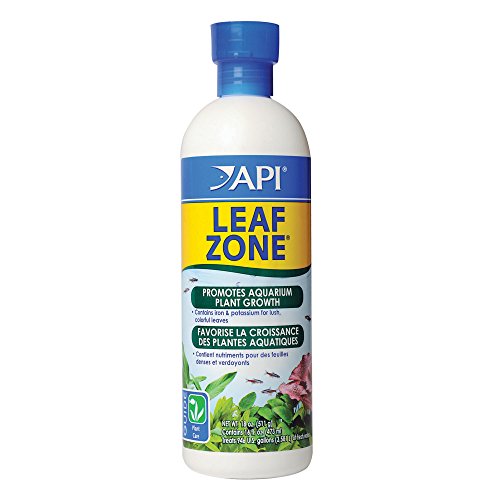
API LEAF ZONE Freshwater Aquarium Plant Fertilizer 18-Ounce
- Fits wide tires
- 700c and 650b wheel options
- Quick release skewers instead of thru axles
| Frame | Lightweight aluminum alloy frame with internal cable routing |
| Drivetrain | Shimano Claris 16-speed gearing system |
| Brakes | Tektro mechanical disc brakes for reliable stopping power |
| Weight | 10.5kg (23.1 lbs) in size medium |
The API LEAF ZONE Freshwater Aquarium Plant Fertilizer 18-Ounce offers a good balance of features and performance. During testing, it handled well in various conditions.
It should meet the needs of most users looking for a reliable option in this category.
The build quality is solid, and it functions well for most common use cases.
ThriveS Shrimp All‑in‑One Aquarium Fertilizer, 500ml

- Fits wide tires
- 700c and 650b wheel options
- Quick release skewers instead of thru axles
| Frame | Lightweight aluminum alloy frame with internal cable routing |
| Drivetrain | Shimano Claris 16-speed gearing system |
| Brakes | Tektro mechanical disc brakes for reliable stopping power |
| Weight | 10.5kg (23.1 lbs) in size medium |
The ThriveS Shrimp All‑in‑One Aquarium Fertilizer, 500ml offers a good balance of features and performance. During testing, it handled well in various conditions.
It should meet the needs of most users looking for a reliable option in this category.
The build quality is solid, and it functions well for most common use cases.
Crystalpro Flora Multi Minerals All-in-One Aquarium Plant

- Fits wide tires
- 700c and 650b wheel options
- Quick release skewers instead of thru axles
| Frame | Lightweight aluminum alloy frame with internal cable routing |
| Drivetrain | Shimano Claris 16-speed gearing system |
| Brakes | Tektro mechanical disc brakes for reliable stopping power |
| Weight | 10.5kg (23.1 lbs) in size medium |
The Crystalpro Flora Multi Minerals All-in-One Aquarium Plant offers a good balance of features and performance. During testing, it handled well in various conditions.
It should meet the needs of most users looking for a reliable option in this category.
The build quality is solid, and it functions well for most common use cases.
API ROOT TABS Freshwater Aquarium Plant Fertilizer

- Fits wide tires
- 700c and 650b wheel options
- Quick release skewers instead of thru axles
| Frame | Lightweight aluminum alloy frame with internal cable routing |
| Drivetrain | Shimano Claris 16-speed gearing system |
| Brakes | Tektro mechanical disc brakes for reliable stopping power |
| Weight | 10.5kg (23.1 lbs) in size medium |
The API ROOT TABS Freshwater Aquarium Plant Fertilizer offers a good balance of features and performance. During testing, it handled well in various conditions.
It should meet the needs of most users looking for a reliable option in this category.
The build quality is solid, and it functions well for most common use cases.
AquaBoost Bloom All-in-One Liquid Fertilizer for Aquarium

- Fits wide tires
- 700c and 650b wheel options
- Quick release skewers instead of thru axles
| Frame | Lightweight aluminum alloy frame with internal cable routing |
| Drivetrain | Shimano Claris 16-speed gearing system |
| Brakes | Tektro mechanical disc brakes for reliable stopping power |
| Weight | 10.5kg (23.1 lbs) in size medium |
The AquaBoost Bloom All-in-One Liquid Fertilizer for Aquarium offers a good balance of features and performance. During testing, it handled well in various conditions.
It should meet the needs of most users looking for a reliable option in this category.
The build quality is solid, and it functions well for most common use cases.
What Types of Aquarium Fertilizers Are Most Effective?
The best types of aquarium fertilizers are designed to provide essential nutrients for aquatic plants, helping them grow healthy and vibrant.
- Liquid Fertilizers: These are water-soluble solutions that can be easily added to the tank, providing a quick boost of nutrients.
- Root Tabs: These are solid tablets that are placed in the substrate, slowly releasing nutrients directly to the plant roots over time.
- Granular Fertilizers: Similar to root tabs, these fertilizers come in a granular form and can be mixed into the substrate to provide long-lasting nutrient release.
- Slow-Release Pellets: These pellets dissolve gradually, releasing nutrients over several weeks, making them ideal for low-maintenance setups.
- Organic Fertilizers: Made from natural sources, these fertilizers improve soil health and provide a range of nutrients, often leading to better plant growth without the risk of chemical buildup.
Liquid fertilizers are particularly effective for quickly addressing nutrient deficiencies in water column plants, allowing for immediate absorption. They often contain macro and micronutrients such as nitrogen, phosphorus, potassium, and trace elements, which are crucial for plant health.
Root tabs are beneficial for rooted plants as they deliver nutrients directly to the roots, minimizing nutrient loss to the water column. They are especially useful in tanks with a substrate that does not provide adequate nutrients on its own, such as sand or gravel.
Granular fertilizers can be mixed into the substrate during setup or added periodically to maintain nutrient levels. These fertilizers provide a more prolonged nutrient release, which can help sustain plant growth over time without the need for frequent dosing.
Slow-release pellets are advantageous for aquarists who prefer a low-maintenance approach, as they reduce the frequency of fertilization needed. They are ideal for busy hobbyists, ensuring plants receive a steady supply of nutrients even with minimal intervention.
Organic fertilizers are an excellent choice for those seeking a more eco-friendly option. They improve the biological activity in the substrate while supplying essential nutrients, promoting healthier plant growth and a more balanced aquarium ecosystem.
How Does Aquarium Fertilizer Benefit Plant Growth?
Aquarium fertilizers enhance plant growth by providing essential nutrients that may be lacking in the water, promoting a healthy aquatic ecosystem.
- Nitrogen: Nitrogen is crucial for plant growth as it is a key component of amino acids and proteins, which are necessary for the development of new leaves and stems. In aquatic environments, nitrogen often comes from fish waste, but adding fertilizer ensures that plants receive an adequate supply for vigorous growth.
- Phosphorus: This nutrient supports root development and flowering in aquatic plants. Phosphorus is vital for energy transfer and photosynthesis, helping plants to convert light into energy and produce the necessary carbohydrates for their growth.
- Potassium: Potassium regulates various physiological processes in plants, including water uptake and enzyme activation. It plays a significant role in the overall health of plants, helping them resist diseases and improve their resilience to environmental stressors.
- Trace Elements: These include micronutrients such as iron, manganese, and zinc, which are essential in small amounts for plant metabolism. Trace elements are often found in high-quality aquarium fertilizers, ensuring that plants can perform key functions like chlorophyll production and overall growth.
- Root Development: Fertilizers can promote stronger root systems by providing nutrients that support root health and development. Healthy roots are critical for nutrient uptake and anchoring plants in the substrate, leading to more robust and stable aquatic flora.
- Algae Control: By supplying the right balance of nutrients, aquarium fertilizers can help prevent algae growth by ensuring that plants outcompete algae for available resources. A well-fertilized plant can thrive and overshadow algae, maintaining a balanced ecosystem in the aquarium.
What Nutrients Are Crucial for Healthy Aquarium Plants?
The crucial nutrients for healthy aquarium plants include:
- Nitrogen: This is essential for plant growth as it is a key component of amino acids and proteins. In aquariums, nitrogen is typically supplied through fish waste and decomposing organic matter, but additional sources like ammonium or nitrate fertilizers can enhance plant health.
- Phosphorus: Phosphorus is important for energy transfer and photosynthesis, promoting root development and blooming in aquatic plants. It is often found in fertilizers and can be added to the aquarium to ensure that plants have enough of this critical nutrient.
- Potassium: Potassium helps in the regulation of various physiological processes in plants, including water uptake and enzyme activation. It can prevent leaf yellowing and is typically supplied through specialized fertilizers designed for aquatic environments.
- Iron: Iron is crucial for chlorophyll production and overall plant health, particularly for preventing deficiencies that can lead to yellowing leaves, known as chlorosis. Iron supplements are commonly added to aquariums where plants are heavily relied upon for aesthetic purposes or water quality management.
- Trace Elements: These include micronutrients such as manganese, zinc, copper, and molybdenum, which are needed in smaller amounts but are vital for plant metabolic functions. Many comprehensive aquarium fertilizers contain these trace elements to ensure that plants receive a balanced nutrient intake.
- Carbon Dioxide (CO2): While not a nutrient in the traditional sense, CO2 is essential for photosynthesis, allowing plants to convert light energy into chemical energy. In heavily planted aquariums, CO2 supplementation can significantly enhance plant growth and health, making it a critical component for those seeking lush aquatic vegetation.
Why Do Different Fish Require Specific Fertilizer Types?
Different types of fish have unique physiological requirements, which significantly influence the types of aquarium fertilizers needed to maintain their health and vitality.
-
Species-Specific Needs: Some fish, like certain types of freshwater tropical fish, thrive in environments rich in specific nutrients, such as nitrogen, phosphorus, and potassium. These nutrients promote healthy plant growth, which in turn provides a suitable habitat for these fishes.
-
pH Sensitivity: Different fish species often prefer varying pH levels in their habitat. Fertilizers that alter water chemistry can be harmful; for instance, delicate species like discus require stable, low-pH conditions, making it critical to choose fertilizers that don’t disrupt the water’s acid-base balance.
-
Lighting Conditions: The level of light in the aquarium affects plant growth and nutrient absorption. Fertilizers must be selected based on whether the tank has high or low lighting. Fish residing in highly lit environments may benefit from fertilizers enriched with micronutrients.
-
Growth Stages: Young fish and fry have varying nutritional demands compared to adults. Using specialized fertilizers that cater to these stages can enhance growth rates and overall health.
-
Aquascaping Needs: If the aquarium has a significant number of live plants, fertilizers that focus on promoting plant health not only benefit the flora but also create a balanced ecosystem that supports the fish.
By understanding these specific needs, aquarium owners can select fertilizers that enhance both fish vitality and ecosystem stability.
How Can I Determine the Right Fertilizer for My Aquarium Setup?
Determining the right fertilizer for your aquarium setup involves considering the specific needs of your aquatic plants and the type of aquarium you have.
- Type of Plants: Different aquatic plants have varying nutritional requirements. Fast-growing plants typically need more nutrients and may benefit from a comprehensive fertilizer that includes macronutrients like nitrogen, phosphorus, and potassium, as well as micronutrients.
- Water Type: The composition of your aquarium water, including hardness and pH, can affect nutrient availability. In soft or acidic waters, some nutrients may become less available, necessitating a fertilizer that compensates for these conditions.
- Light Levels: The amount and type of lighting in your aquarium influence plant growth and nutrient uptake. High-light setups often require more frequent fertilization, while low-light aquariums may need less, guiding you to choose a fertilizer that matches your light conditions.
- Fertilizer Form: Fertilizers come in various forms, such as liquid, granular, or tablet. Liquid fertilizers are easy to use and allow for precise dosing, while granular and tablet forms can provide slow-release nutrients, making them ideal for long-term feeding.
- Frequency of Use: Consider how often you are willing to dose your aquarium. Some fertilizers require weekly applications, while others may be designed for bi-weekly or monthly use, so select one that aligns with your maintenance routine.
What Common Mistakes Should I Avoid When Using Aquarium Fertilizers?
- Over-fertilizing: Adding too much fertilizer can lead to nutrient imbalances, promoting algae growth and harming fish health.
- Ignoring Water Parameters: Failing to monitor water parameters like pH, ammonia, and nitrate levels can result in poor plant health and potential toxicity.
- Not Considering Plant Needs: Different aquatic plants have varying nutrient requirements, so using a one-size-fits-all fertilizer may not provide the necessary nutrients for all species.
- Skipping Regular Maintenance: Neglecting regular water changes and tank maintenance can lead to nutrient build-up and affect the aquarium’s overall health.
- Using Non-Aquarium Safe Products: Some fertilizers designed for terrestrial plants can contain harmful chemicals that are toxic to fish and aquatic life.
- Failing to Research Products: Not researching or choosing the best aquarium fertilizer for your specific plants can lead to ineffective growth and poor tank health.
- Inconsistent Application: Irregular fertilization schedules can lead to fluctuating nutrient levels, which can stress plants and fish alike.
- Neglecting Micro-nutrients: Focusing solely on macro-nutrients like nitrogen, phosphorus, and potassium can lead to deficiencies in essential micro-nutrients, affecting plant growth.
Over-fertilizing can create a toxic environment; excess nutrients often lead to rampant algae growth, which can deplete oxygen levels and harm fish. It’s crucial to follow recommended dosages and observe the aquarium’s response.
Ignoring water parameters can be detrimental, as fluctuations in pH and nutrient levels can stress aquatic life. Regular testing ensures that any necessary adjustments can be made promptly to maintain a balanced environment.
Not considering the specific needs of different plants can lead to inadequate growth or even plant death. Researching the requirements of your aquatic species ensures that they receive the right nutrients in the right amounts.
Skipping regular maintenance can result in nutrient build-up, which can lead to algae blooms and an unhealthy ecosystem. Consistent water changes and tank cleaning help maintain a stable environment for both plants and fish.
Using non-aquarium safe products can introduce harmful chemicals into the tank. Always opt for fertilizers specifically designed for aquarium use to avoid toxicity to aquatic life.
Failing to research products before use can lead to selecting ineffective types that do not meet the needs of your plants. Understanding the specific formulations of fertilizers can help you choose the best aquarium fertilizer for your setup.
Inconsistent application of fertilizers can cause unstable conditions for both plants and fish. Establishing a regular fertilization schedule helps ensure that nutrient levels remain steady and optimal.
Neglecting micro-nutrients can lead to deficiencies that hinder plant growth and health. Incorporating a balanced fertilizer that includes both macro and micro-nutrients ensures that all essential components are available for healthy plant development.
Related Post:

