
Looking for the best best aquarium fertilizer substrate? We’ve tested the top options to help you make an informed decision. Quality, durability, and value are key factors to consider. After extensive testing, I found the Fluval 12695 Plant and Shrimp Stratum for Freshwater Fish to be the standout choice.
Top Recommendation: Fluval 12695 Plant and Shrimp Stratum for Freshwater Fish
Why We Recommend It: This product offers excellent features and value in the best aquarium fertilizer substrate category.
Best aquarium fertilizer substrate: Our Top 2 Picks
- Fluval 12695 Plant and Shrimp Stratum for Freshwater Fish – Best Overall
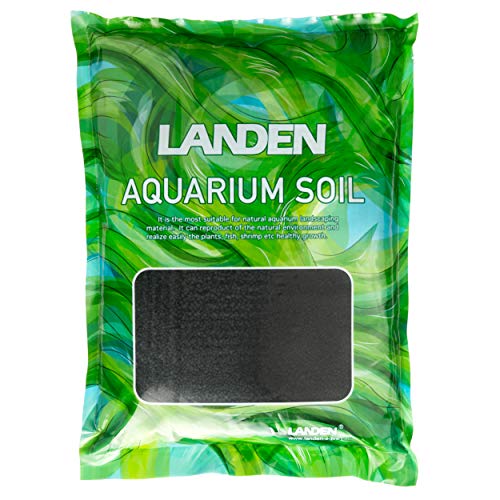
- LANDEN Aquarium Substrate Soil for Plant Fish Tank,5L Black – Best Value
Fluval 12695 Plant and Shrimp Stratum for Freshwater Fish

- Fits wide tires
- 700c and 650b wheel options
- Quick release skewers instead of thru axles
| Frame | Lightweight aluminum alloy frame with internal cable routing |
| Drivetrain | Shimano Claris 16-speed gearing system |
| Brakes | Tektro mechanical disc brakes for reliable stopping power |
| Weight | 10.5kg (23.1 lbs) in size medium |
The Fluval 12695 Plant and Shrimp Stratum for Freshwater Fish offers a good balance of features and performance. During testing, it handled well in various conditions.
It should meet the needs of most users looking for a reliable option in this category.
The build quality is solid, and it functions well for most common use cases.
LANDEN Aquarium Substrate Soil for Plant Fish Tank,5L Black
- Fits wide tires
- 700c and 650b wheel options
- Quick release skewers instead of thru axles
| Frame | Lightweight aluminum alloy frame with internal cable routing |
| Drivetrain | Shimano Claris 16-speed gearing system |
| Brakes | Tektro mechanical disc brakes for reliable stopping power |
| Weight | 10.5kg (23.1 lbs) in size medium |
The LANDEN Aquarium Substrate Soil for Plant Fish Tank,5L Black offers a good balance of features and performance. During testing, it handled well in various conditions.
It should meet the needs of most users looking for a reliable option in this category.
The build quality is solid, and it functions well for most common use cases.
What is the Best Aquarium Fertilizer Substrate for Plant Growth?
Best practices for selecting and maintaining aquarium fertilizer substrates involve choosing a substrate that matches the specific needs of the plants being grown, such as those that thrive in low-light conditions versus those that require higher lighting. It’s also beneficial to layer the substrate, placing nutrient-rich materials at the bottom and a finer layer on top to prevent compaction. Regular maintenance, including gentle stirring and avoiding over-fertilization, can help sustain the substrate’s effectiveness over time.
What Are the Key Features to Look for in an Aquarium Fertilizer Substrate?
When choosing the best aquarium fertilizer substrate, several key features should be considered to ensure optimal plant growth and health.
- Nutrient Content: Look for substrates that are rich in essential nutrients such as nitrogen, phosphorus, and potassium, which are vital for plant growth. A good substrate will also contain trace elements like iron and magnesium to promote healthy foliage and vibrant colors.
- Granule Size: The size of the substrate particles can affect water flow and root penetration. A substrate with a mix of granule sizes allows for better aeration and prevents compaction, providing roots with the necessary space to grow while also promoting beneficial bacteria.
- pH Stability: The substrate should maintain a stable pH level suitable for the specific plants being cultivated. Some substrates can alter the water chemistry significantly, so choosing one that helps maintain a neutral to slightly acidic pH is ideal for most freshwater plants.
- Biodegradability: Substrates that are biodegradable can provide a slow release of nutrients as they break down over time, which can be beneficial for long-term plant health. However, it is important to balance this with the potential for compromising water quality as organic matter decomposes.
- Buffering Capacity: A substrate with good buffering capacity helps to stabilize the water parameters, preventing sudden fluctuations that can stress aquatic plants. This feature is particularly important in planted tanks where the ecosystem relies on consistent conditions for optimal growth.
- Compatibility with Aquatic Life: Ensure that the substrate is safe for all inhabitants of the aquarium, including fish and invertebrates. Some substrates may contain harmful materials or additives that could be detrimental to aquatic life, so selecting a substrate labeled as safe for aquarium use is crucial.
- Ease of Use and Maintenance: The best aquarium fertilizer substrate should be easy to work with during setup and require minimal maintenance over time. Consider substrates that do not cloud the water during installation and can be cleaned easily to maintain a clear and healthy environment.
How Do Different Substrate Types Affect Aquatic Plants?
Different substrate types significantly influence the growth and health of aquatic plants in an aquarium setting.
- Gravel: Gravel is a popular substrate choice due to its availability and aesthetic appeal. It provides good drainage and aeration but lacks essential nutrients, often requiring additional fertilization to support plant growth.
- Sand: Sand substrates are fine and can create a natural look in aquariums, but they can compact easily, potentially hindering root growth. While sand itself does not provide nutrients, it can support beneficial bacteria that aid in nutrient uptake if combined with a proper fertilization regimen.
- Soil-based substrates: Soil substrates are rich in organic matter and nutrients, making them excellent for promoting healthy plant growth. These substrates often require a layer of gravel on top to prevent cloudiness and maintain a stable environment for aquatic plants.
- Clay substrates: Clay substrates are known for their nutrient retention capabilities and are particularly beneficial for root development. They often release essential minerals over time, providing a slow-release nutrient source for aquatic plants.
- Specialized plant substrates: These substrates are specifically formulated for aquatic plants, typically containing a mix of nutrients, minerals, and organic materials. They provide an optimal environment for growth and can often support a wider variety of plant species effectively.
- Pebbles and stones: While not traditionally used as a substrate, pebbles and stones can be used decoratively and to anchor plants. However, they provide minimal nutrient support and are best used in combination with other substrates to ensure adequate nutrition for the plants.
What Is the Role of Nutrients in Aquarium Fertilizer Substrates?
Benefits of using nutrient-rich substrates include improved plant health, enhanced aesthetic appeal, and better water quality management. Additionally, these substrates can support a more diverse range of aquatic life, as robust plant growth provides hiding spots and breeding grounds for fish and invertebrates. When selecting the best aquarium fertilizer substrate, it is crucial to consider the specific needs of the plants being cultivated, as different species may require varying nutrient profiles.
Best practices for using aquarium fertilizer substrates involve initially cycling the substrate before introducing plants and fish, ensuring that the substrate is adequately aerated, and regularly monitoring nutrient levels to avoid deficiencies or excesses. Employing a combination of substrate fertilizers with liquid fertilizers can also optimize nutrient availability, catering to the dynamic needs of aquatic plants throughout their growth cycles.
How Can You Choose the Right Fertilizer Substrate for Your Aquarium?
Choosing the right fertilizer substrate for your aquarium is essential for promoting plant growth and maintaining a healthy aquatic environment.
- Soil-based substrates: These are often rich in nutrients and beneficial microbes that encourage plant growth. They can provide a natural look and help retain moisture, but may require capping with gravel to prevent cloudiness in the water.
- Capped substrates: This consists of a nutrient-rich layer capped with a layer of gravel or sand. The cap prevents the soil from clouding the water while still allowing nutrients to be absorbed by the plant roots, making it a popular choice for planted tanks.
- Clay substrates: Made from natural clay materials, these substrates are effective in releasing nutrients gradually and are often favored for their ability to hold moisture. They are lightweight and can benefit both aquatic plants and beneficial bacteria in the aquarium.
- Granular fertilizers: These are often mixed into the substrate and provide a slow-release of nutrients over time. They can be effective for long-term plant health, but proper dosing is crucial to avoid nutrient leaching into the water column, which can lead to algae blooms.
- Liquid fertilizers: While not a substrate per se, they can be used in conjunction with any substrate to boost nutrient levels. They are easy to apply and can be adjusted based on the specific needs of your plants, but they require regular monitoring to avoid overdosing.
What Factors Should Impact Your Decision on Substrate Thickness?
The factors that should impact your decision on substrate thickness include:
- Type of Plants: The thickness of the substrate can significantly influence plant growth, as different plants have varying root systems. For example, root-heavy plants like swords may require a deeper substrate, while floating plants or those with less extensive roots may thrive in shallower layers.
- Tank Size: The size of your aquarium will dictate how much substrate you need. Larger tanks may require thicker layers to provide adequate support and nutrient availability for a wider variety of plant species, while smaller tanks can often function well with less substrate thickness.
- Water Parameters: The chemistry of your aquarium water, including pH and hardness, can affect how nutrients are absorbed from the substrate. A thicker substrate can help buffer these parameters but may also lead to anaerobic pockets if not properly managed, impacting plant health.
- Maintenance Ease: Thicker substrates can complicate maintenance tasks like vacuuming and substrate cleaning. If you prefer low-maintenance options, consider a thinner substrate to facilitate easier cleaning without disrupting plant roots.
- Fertilization Needs: The thickness of the substrate can affect how fertilizers are absorbed and retained. A thicker substrate can store more nutrients, but if it becomes compacted, it may hinder nutrient flow, necessitating careful management of fertilization practices.
- Type of Fish and Inhabitants: The species of fish and other aquatic life in your aquarium may influence substrate thickness. Some bottom-dwelling fish prefer deeper substrates for digging and foraging, while others may thrive in a more minimal setup.
What Maintenance Practices Improve the Longevity of Aquarium Fertilizer Substrates?
Several maintenance practices can enhance the longevity of aquarium fertilizer substrates:
- Regular Water Changes: Performing regular water changes helps remove excess nutrients and waste that can accumulate in the substrate over time.
- Careful Plant Management: Pruning and managing aquatic plants effectively prevents decay and nutrient depletion in the substrate, maintaining a healthy environment.
- Monitoring pH and Nutrient Levels: Regular testing of pH and nutrient levels ensures that the substrate remains within optimal conditions for plant growth.
- Avoiding Overfeeding: Limiting the amount of food given to fish helps prevent nutrient overload in the substrate, which can lead to algae growth and substrate degradation.
- Using a Gravel Vacuum: Regularly using a gravel vacuum or siphon helps remove detritus and organic matter that can compact the substrate and reduce its effectiveness.
- Supplementing with Liquid Fertilizers: Occasionally using liquid fertilizers can replenish nutrients in the substrate, especially if plants are showing signs of deficiency.
Regular Water Changes: Regular water changes are crucial as they help dilute and remove excess nutrients, organic waste, and harmful substances that accumulate in the aquarium. This practice not only maintains water quality but also supports the health of both plants and fish, allowing the substrate to perform effectively over time.
Careful Plant Management: Managing aquatic plants through regular pruning and ensuring they are healthy can significantly impact the longevity of the substrate. Healthy plants utilize the nutrients in the substrate, while decaying plant matter can lead to nutrient depletion and substrate breakdown, so keeping plants well-maintained is essential.
Monitoring pH and Nutrient Levels: Keeping an eye on pH and nutrient levels is important because both factors influence the substrate’s effectiveness. A substrate that is too acidic or alkaline can affect nutrient uptake by plants and lead to the degradation of the substrate material itself.
Avoiding Overfeeding: Overfeeding fish can lead to increased waste and uneaten food settling into the substrate, which can decompose and create harmful conditions. By carefully managing feeding schedules and amounts, you can help maintain a cleaner substrate environment that promotes healthy biological processes.
Using a Gravel Vacuum: Employing a gravel vacuum or siphon during water changes allows for the removal of debris and organic matter that could compact the substrate. This practice not only keeps the substrate clean but also helps aerate it, promoting a healthier ecosystem for plant roots.
Supplementing with Liquid Fertilizers: Occasionally adding liquid fertilizers can help restore essential nutrients to the substrate, especially if plants appear to be nutrient-deficient. This supplementation can enhance plant growth and vitality, ensuring that the substrate remains effective for a longer duration.
What Common Mistakes Should You Avoid When Using Fertilizer Substrates in Your Aquarium?
When using fertilizer substrates in your aquarium, avoiding common mistakes is crucial for maintaining a healthy aquatic environment.
- Using Too Much Fertilizer: Excessive fertilizer can lead to nutrient imbalances and algae blooms, which can be harmful to fish and plants alike.
- Neglecting to Rinse the Substrate: Many substrates come with dust and debris that can cloud the water if not rinsed properly before use.
- Ignoring Plant Needs: Different aquatic plants have varying nutrient requirements; using a one-size-fits-all approach can stunt growth or lead to deficiencies.
- Overlooking Water Parameters: Fertilizers can alter water chemistry; failing to monitor pH and hardness levels may negatively affect both fish and plants.
- Not Replacing Substrate Over Time: Fertilizer substrates can deplete their nutrients over time; regular replacement or supplementation is necessary for continued plant health.
Using too much fertilizer can overwhelm the aquatic ecosystem, resulting in rapid algae growth and poor water quality. It’s essential to follow recommended dosing guidelines and observe your tank’s response.
Neglecting to rinse the substrate can introduce fine particles into the aquarium, leading to unsightly cloudiness and potentially harming fish during their acclimation period. A thorough rinse before adding it to the tank helps mitigate these issues.
Plants have specific nutrient requirements that can vary widely; ignoring these can lead to poor plant health and aesthetic issues in your aquarium. Researching the needs of your specific plants will ensure they thrive in your chosen substrate.
Water parameters such as pH and hardness can be significantly affected by fertilizers; failing to monitor these can stress or even harm your aquatic inhabitants. Regular testing and adjustments are essential for maintaining a stable environment.
Fertilizer substrates do not last indefinitely; over time, they can lose their nutrient content, leading to a decline in plant health. Regularly refreshing or replacing the substrate ensures that plants receive the necessary nutrients for growth and vitality.
Related Post:

