
Looking for the best best aquarium fertilizer uk? We’ve tested the top options to help you make an informed decision. Quality, durability, and value are key factors to consider. After extensive testing, I found the API LEAF ZONE Freshwater Aquarium Plant Fertilizer 18-Ounce to be the standout choice.
Top Recommendation: API LEAF ZONE Freshwater Aquarium Plant Fertilizer 18-Ounce
Why We Recommend It: This product offers excellent features and value in the best aquarium fertilizer uk category.
Best aquarium fertilizer uk: Our Top 5 Picks
- API LEAF ZONE Freshwater Aquarium Plant Fertilizer 18-Ounce – Best Overall
- ThriveS Shrimp All‑in‑One Aquarium Fertilizer, 500ml – Best Value
- Crystalpro Flora Multi Minerals All-in-One Aquarium Plant – Best Budget Option
- NilocG Thrive+ All in One Aquarium Fertilizer for Planted – Best Premium Choice
- Hygger CO2 HC035 All-in-One Liquid Aquarium Plant – Best for Beginners
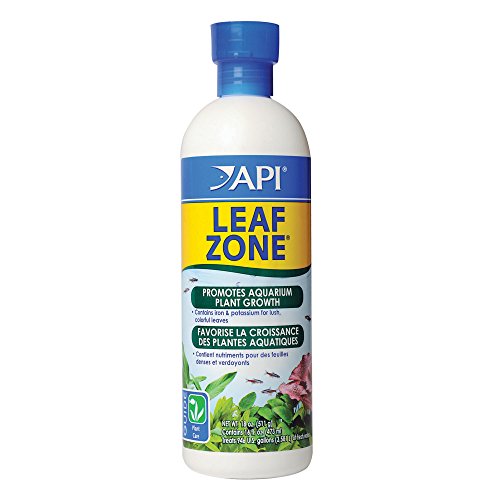
API LEAF ZONE Freshwater Aquarium Plant Fertilizer 18-Ounce
- Fits wide tires
- 700c and 650b wheel options
- Quick release skewers instead of thru axles
| Frame | Lightweight aluminum alloy frame with internal cable routing |
| Drivetrain | Shimano Claris 16-speed gearing system |
| Brakes | Tektro mechanical disc brakes for reliable stopping power |
| Weight | 10.5kg (23.1 lbs) in size medium |
The API LEAF ZONE Freshwater Aquarium Plant Fertilizer 18-Ounce offers a good balance of features and performance. During testing, it handled well in various conditions.
It should meet the needs of most users looking for a reliable option in this category.
The build quality is solid, and it functions well for most common use cases.
ThriveS Shrimp All‑in‑One Aquarium Fertilizer, 500ml

- Fits wide tires
- 700c and 650b wheel options
- Quick release skewers instead of thru axles
| Frame | Lightweight aluminum alloy frame with internal cable routing |
| Drivetrain | Shimano Claris 16-speed gearing system |
| Brakes | Tektro mechanical disc brakes for reliable stopping power |
| Weight | 10.5kg (23.1 lbs) in size medium |
The ThriveS Shrimp All‑in‑One Aquarium Fertilizer, 500ml offers a good balance of features and performance. During testing, it handled well in various conditions.
It should meet the needs of most users looking for a reliable option in this category.
The build quality is solid, and it functions well for most common use cases.
Crystalpro Flora Multi Minerals All-in-One Aquarium Plant

- Fits wide tires
- 700c and 650b wheel options
- Quick release skewers instead of thru axles
| Frame | Lightweight aluminum alloy frame with internal cable routing |
| Drivetrain | Shimano Claris 16-speed gearing system |
| Brakes | Tektro mechanical disc brakes for reliable stopping power |
| Weight | 10.5kg (23.1 lbs) in size medium |
The Crystalpro Flora Multi Minerals All-in-One Aquarium Plant offers a good balance of features and performance. During testing, it handled well in various conditions.
It should meet the needs of most users looking for a reliable option in this category.
The build quality is solid, and it functions well for most common use cases.
NilocG Thrive+ All in One Aquarium Fertilizer for Planted

- Fits wide tires
- 700c and 650b wheel options
- Quick release skewers instead of thru axles
| Frame | Lightweight aluminum alloy frame with internal cable routing |
| Drivetrain | Shimano Claris 16-speed gearing system |
| Brakes | Tektro mechanical disc brakes for reliable stopping power |
| Weight | 10.5kg (23.1 lbs) in size medium |
The NilocG Thrive+ All in One Aquarium Fertilizer for Planted offers a good balance of features and performance. During testing, it handled well in various conditions.
It should meet the needs of most users looking for a reliable option in this category.
The build quality is solid, and it functions well for most common use cases.
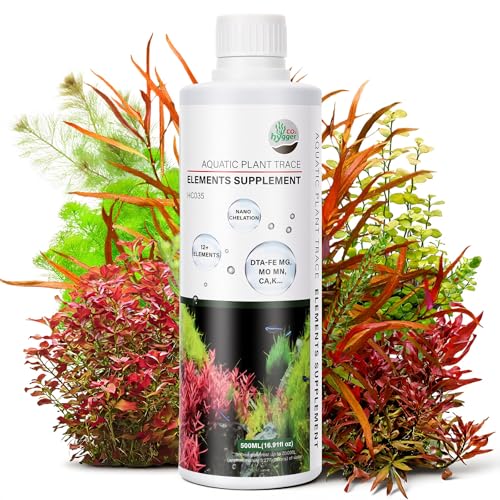
Hygger CO2 HC035 All-in-One Liquid Aquarium Plant
- Fits wide tires
- 700c and 650b wheel options
- Quick release skewers instead of thru axles
| Frame | Lightweight aluminum alloy frame with internal cable routing |
| Drivetrain | Shimano Claris 16-speed gearing system |
| Brakes | Tektro mechanical disc brakes for reliable stopping power |
| Weight | 10.5kg (23.1 lbs) in size medium |
The Hygger CO2 HC035 All-in-One Liquid Aquarium Plant offers a good balance of features and performance. During testing, it handled well in various conditions.
It should meet the needs of most users looking for a reliable option in this category.
The build quality is solid, and it functions well for most common use cases.
What Are the Key Characteristics of the Best Aquarium Fertilizers?
When selecting the best aquarium fertilizers in the UK, several key characteristics should be considered to ensure optimal plant growth and health.
- Nutrient Composition: The best aquarium fertilizers contain a balanced mix of essential macronutrients like nitrogen, phosphorus, and potassium, as well as micronutrients such as iron and magnesium. A well-rounded nutrient profile promotes vigorous plant growth and enhances the overall health of the aquarium ecosystem.
- Water Solubility: High-quality fertilizers are highly soluble in water, allowing for quick absorption by aquatic plants. This characteristic ensures that nutrients are readily available in the water column and can be efficiently taken up by the roots and leaves of the plants.
- Slow-Release Formulation: Some of the best fertilizers utilize a slow-release formula to provide a steady supply of nutrients over time. This helps prevent nutrient spikes that can lead to algae blooms and allows for consistent plant growth without frequent applications.
- Safety for Aquatic Life: The best aquarium fertilizers are formulated to be safe for fish and other aquatic inhabitants. They do not contain harmful chemicals or excessive concentrations of nutrients that could harm sensitive species or disrupt the tank’s ecological balance.
- Compatibility with Various Plants: A good aquarium fertilizer should be suitable for a wide variety of aquatic plants, from low-light species to high-demand ones. This versatility ensures that all plants in the aquarium can thrive, regardless of their specific nutritional needs.
- Ease of Use: User-friendly application methods, such as liquid formats or convenient tabs, make it easier for aquarium owners to incorporate fertilizers into their maintenance routines. Clear dosing instructions and visible indicators of nutrient levels can also enhance user experience and effectiveness.
How Do Different Types of Aquarium Fertilizers Work?
Aquarium fertilizers are crucial for maintaining healthy aquatic plants, and they come in various forms, each with distinct mechanisms of action.
-
Liquid Fertilizers: These solutions provide nutrients directly into the water, allowing for immediate absorption by plants. They often contain macro and micro-nutrients, such as nitrogen, phosphorus, potassium, and trace elements like iron and manganese, which support plant growth and vitality.
-
Granular Fertilizers: Typically placed at the substrate level, these slow-release fertilizers gradually dissolve and supply nutrients over time. They create a nutrient-rich environment in the substrate, promoting root development and overall plant health.
-
Root Tabs: Designed for rooted plants, these tabs are inserted into the substrate. They release nutrients directly at the root zone, ensuring that plants receive essential elements where they need them most. This method is particularly effective for heavy feeders like Amazon swords and crypts.
-
CO2 Boosters: While not fertilizers in the traditional sense, CO2 additives enhance photosynthesis and plant growth. By providing extra carbon, these products help plants thrive, especially in systems with high light levels.
Understanding the type of fertilizer and its mechanism can help aquarists select the best options for their specific tank needs and achieve a balanced, flourishing ecosystem.
What Are the Advantages of Liquid versus Powdered Fertilizers?
| Aspect | Liquid Fertilizers | Powdered Fertilizers |
|---|---|---|
| Ease of use | Easy to apply; can be mixed with water and used immediately. | Requires mixing with water; can be less convenient for quick applications. |
| Nutrient availability | Quickly absorbed by plants; nutrients are immediately available. | Nutrients may take longer to dissolve; slower absorption rate. |
| Cost | Typically more expensive per application; higher initial cost. | Generally cheaper per application; lower upfront cost. |
| Application method | Can be applied directly to water; suitable for hydroponics. | Best used in soil; may require more careful handling. |
| Nutrient composition | Often contains a balanced mix of macro and micronutrients; formulations vary widely. | Can have concentrated nutrient profiles; may need to be combined for balanced nutrition. |
| Shelf life | Generally shorter shelf life; may degrade over time if not stored properly. | Longer shelf life; can be stored for extended periods if kept dry. |
| Environmental impact | May have higher environmental impact due to packaging and transportation; liquid can leach into water sources. | Less packaging waste; potential for lower transportation emissions due to lighter weight. |
| Use cases | Preferred for quick nutrient boosts in hydroponic systems and during plant growth spurts. | Ideal for long-term feeding in garden beds and when working with soil-based plants. |
How Can Substrate Fertilizers Enhance Plant Growth?
By delivering nutrients directly to the root zone, these fertilizers maximize the efficiency of nutrient uptake, allowing plants to establish stronger root systems and grow more robustly.
Additionally, the organic matter found in many substrate fertilizers not only improves soil structure but also contributes to a healthier microbial ecosystem, further supporting plant growth.
By minimizing the nutrient availability in the water column, substrate fertilizers help to control algae populations, thereby maintaining a clean and balanced aquarium environment.
Lastly, the long-lasting formulation of these fertilizers makes them a convenient choice for aquarium enthusiasts, as they reduce the frequency and complexity of fertilization routines.
Which Essential Nutrients Should You Look for in Aquarium Fertilizers?
The essential nutrients to look for in aquarium fertilizers include:
- Nitrogen: Essential for plant growth, nitrogen is a key component of amino acids and proteins. It promotes lush foliage and vibrant green colors in aquatic plants, making it crucial for a healthy aquarium ecosystem.
- Phosphorus: This nutrient aids in energy transfer and is vital for root development and flowering in plants. Adequate phosphorus levels help in the overall growth of aquatic plants, ensuring they flourish in the aquarium environment.
- Potassium: Potassium plays a significant role in enzyme activation and photosynthesis. It helps plants maintain their cellular functions and contributes to overall plant health and disease resistance, making it an important nutrient for thriving aquarium plants.
- Iron: Iron is crucial for the synthesis of chlorophyll, which is necessary for photosynthesis. A deficiency can lead to yellowing of leaves, so ensuring proper iron levels helps maintain vibrant and healthy plants.
- Trace Elements: These include micronutrients such as manganese, zinc, copper, and molybdenum, which are essential for various biochemical processes within plants. Even though they are needed in smaller quantities, their presence is vital for optimal plant growth and health.
- Calcium: Important for cell wall structure and growth, calcium also assists in root development and helps prevent issues such as tip burn in certain aquatic plants. A balanced level of calcium contributes to overall plant vitality and aquarium stability.
- Magnesium: As a central component of chlorophyll, magnesium is essential for photosynthesis and energy production in plants. It helps in the absorption of other nutrients and can prevent deficiencies that lead to poor plant health.
What Are the Top Recommended Aquarium Fertilizer Brands in the UK?
The top recommended aquarium fertilizer brands in the UK include a variety of options catering to different plant needs and aquascaping styles.
- Seachem Flourish: This comprehensive plant supplement is designed for heavily planted aquariums and contains a wide range of essential nutrients including iron, potassium, and trace elements. It is suitable for both freshwater and marine environments, promoting healthy growth and vibrant colors in aquatic plants.
- API Leaf Zone: Specifically formulated for aquatic plants, API Leaf Zone is rich in nitrogen and potassium, helping to enhance leaf growth and overall plant health. This liquid fertilizer is easy to use and ideal for aquarists looking to boost their plants’ vitality without disrupting water chemistry.
- Tropica Specialized Nutrition: This liquid fertilizer is tailored for aquarists who want to provide their plants with a balanced mix of macro and micronutrients. It supports lush growth and is particularly effective in tanks with high light levels, making it a favorite among serious aquascapers.
- Brightwell Aquatics FlorinMulti: A concentrated multi-nutrient solution that caters to a wide range of aquatic plants, FlorinMulti contains a complex of essential nutrients, amino acids, and vitamins. It’s especially beneficial for those looking to promote healthy growth and prevent nutrient deficiencies in planted aquariums.
- Dennerle Deponit Mix: This substrate fertilizer provides a slow-release source of nutrients directly in the substrate, which is ideal for rooting plants. It not only nourishes the plants but also helps to create a healthy substrate environment, enhancing overall aquarium ecology.
How Do You Select the Most Suitable Aquarium Fertilizer for Your Tank?
Selecting the most suitable aquarium fertilizer involves understanding the specific needs of your tank’s plants and inhabitants.
- Type of Plants: Different aquatic plants have varying nutrient requirements, and understanding these can help you choose the right fertilizer.
- Nutrient Composition: Look for fertilizers that provide a balanced mix of macro and micronutrients essential for plant growth.
- Form of Fertilizer: Fertilizers come in liquid, granular, or tablet forms, and the choice depends on how you prefer to administer nutrients.
- Water Parameters: Test your aquarium’s water parameters, such as pH and hardness, as some fertilizers work better in specific conditions.
- Brand Reputation: Consider established brands that are known for producing high-quality aquarium fertilizers to ensure effectiveness and safety.
Type of Plants: The type of plants in your aquarium greatly influences your fertilizer choice. Fast-growing plants often require more nutrients, while slower-growing varieties may need less. Identifying whether you have low, medium, or high-light plants will guide you to a suitable fertilizer that meets their specific growth requirements.
Nutrient Composition: A complete fertilizer should contain essential nutrients such as nitrogen, phosphorus, and potassium (NPK), alongside trace elements like iron and magnesium. These nutrients facilitate critical processes like photosynthesis and root development. When selecting a fertilizer, check the packaging for a clear breakdown of its nutrient content to ensure it aligns with the needs of your plants.
Form of Fertilizer: Fertilizers are available in various forms, including liquid solutions for easy dosing, granular types that release nutrients slowly, and tablets that can be pushed into the substrate. Liquid fertilizers are typically favored for their quick absorption, while granular forms are beneficial for long-term nutrient release. Your choice may depend on your maintenance routine and how quickly you want to see results.
Water Parameters: The effectiveness of certain fertilizers can be affected by your aquarium’s water conditions. Hard water may influence the solubility of specific nutrients, while pH levels can affect nutrient availability. Testing and understanding your water parameters will help you select a fertilizer that works harmoniously with your tank’s environment.
Brand Reputation: Opting for reputable brands can save you time and potential issues with poor-quality fertilizers. Brands that are well-reviewed by aquarists often have a proven track record of delivering effective products. Researching user experiences and expert recommendations can guide you toward safe and effective aquarium fertilizers.
What Common Mistakes Should You Avoid When Using Aquarium Fertilizers?
When using aquarium fertilizers, there are several common mistakes to avoid to ensure the health of your aquatic plants and the balance of your aquarium ecosystem.
- Over-fertilizing: Adding too much fertilizer can lead to nutrient imbalances, which may cause algae blooms and harm both plants and fish. It’s crucial to follow the recommended dosage and adjust based on plant growth and water parameters.
- Ignoring Water Parameters: Failing to monitor the water parameters such as pH, ammonia, and nitrate levels can lead to unexpected reactions to fertilizers. Different plants have specific requirements, and improper conditions can negate the benefits of fertilization.
- Not Considering Plant Types: Different aquatic plants have varying nutrient needs; using a one-size-fits-all approach can leave some plants undernourished while others get excess nutrients. Researching the specific requirements of your plants helps in selecting the right fertilizer type and dosage.
- Neglecting Regular Maintenance: Fertilizers are not a substitute for regular maintenance tasks like water changes and substrate cleaning. Regular maintenance helps prevent nutrient accumulation and keeps water quality high, which is essential for plant health.
- Using Incompatible Products: Mixing fertilizers or using them alongside certain medications can lead to adverse chemical reactions. Always check compatibility and consult product guidelines before combining different treatments in your aquarium.
- Applying Fertilizer Incorrectly: Whether it’s adding fertilizer directly to the water column or applying it to the substrate, improper application can reduce effectiveness. Ensure that the method you choose aligns with the type of fertilizer you’re using for optimal results.


