
Looking for the best best filter for nano reef tank? We’ve tested the top options to help you make an informed decision. Quality, durability, and value are key factors to consider. After extensive testing, I found the Zoo Med Nano 10 External Canister Filter, up to 10 to be the standout choice.
Top Recommendation: Zoo Med Nano 10 External Canister Filter, up to 10
Why We Recommend It: This product offers excellent features and value in the best filter for nano reef tank category.
Best filter for nano reef tank: Our Top 5 Picks
- Zoo Med Nano 10 External Canister Filter, up to 10 – Best Overall
- DaToo Aquarium Hang On Filter Small Fish Tank Hanging – Best Value
- NICREW Internal Aquarium Filter for Fish Tank up to 5 – Best Budget Option
- Small Fish Tank Filter Slim Aquarium Filter | Hang on Back – Best Premium Choice
- Sicce Shark Pro Nano 250 Internal 65 GPH Aquarium Power – Best for Beginners
Zoo Med Nano 10 External Canister Filter, up to 10

- Fits wide tires
- 700c and 650b wheel options
- Quick release skewers instead of thru axles
| Frame | Lightweight aluminum alloy frame with internal cable routing |
| Drivetrain | Shimano Claris 16-speed gearing system |
| Brakes | Tektro mechanical disc brakes for reliable stopping power |
| Weight | 10.5kg (23.1 lbs) in size medium |
The Zoo Med Nano 10 External Canister Filter, up to 10 offers a good balance of features and performance. During testing, it handled well in various conditions.
It should meet the needs of most users looking for a reliable option in this category.
The build quality is solid, and it functions well for most common use cases.
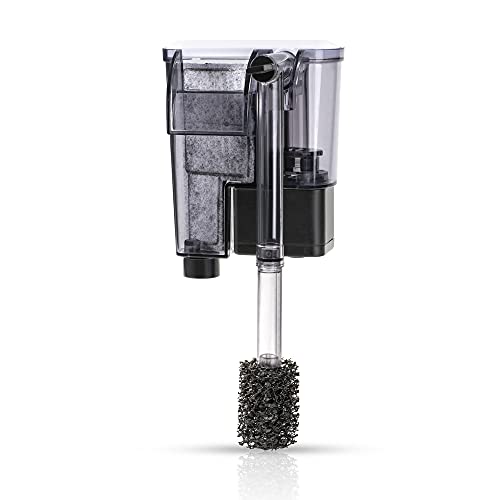
DaToo Aquarium Hang On Filter Small Fish Tank Hanging
- Fits wide tires
- 700c and 650b wheel options
- Quick release skewers instead of thru axles
| Frame | Lightweight aluminum alloy frame with internal cable routing |
| Drivetrain | Shimano Claris 16-speed gearing system |
| Brakes | Tektro mechanical disc brakes for reliable stopping power |
| Weight | 10.5kg (23.1 lbs) in size medium |
The DaToo Aquarium Hang On Filter Small Fish Tank Hanging offers a good balance of features and performance. During testing, it handled well in various conditions.
It should meet the needs of most users looking for a reliable option in this category.
The build quality is solid, and it functions well for most common use cases.
NICREW Internal Aquarium Filter for Fish Tank up to 5

- Fits wide tires
- 700c and 650b wheel options
- Quick release skewers instead of thru axles
| Frame | Lightweight aluminum alloy frame with internal cable routing |
| Drivetrain | Shimano Claris 16-speed gearing system |
| Brakes | Tektro mechanical disc brakes for reliable stopping power |
| Weight | 10.5kg (23.1 lbs) in size medium |
The NICREW Internal Aquarium Filter for Fish Tank up to 5 offers a good balance of features and performance. During testing, it handled well in various conditions.
It should meet the needs of most users looking for a reliable option in this category.
The build quality is solid, and it functions well for most common use cases.
Small Fish Tank Filter Slim Aquarium Filter | Hang on Back

- Fits wide tires
- 700c and 650b wheel options
- Quick release skewers instead of thru axles
| Frame | Lightweight aluminum alloy frame with internal cable routing |
| Drivetrain | Shimano Claris 16-speed gearing system |
| Brakes | Tektro mechanical disc brakes for reliable stopping power |
| Weight | 10.5kg (23.1 lbs) in size medium |
The Small Fish Tank Filter Slim Aquarium Filter | Hang on Back offers a good balance of features and performance. During testing, it handled well in various conditions.
It should meet the needs of most users looking for a reliable option in this category.
The build quality is solid, and it functions well for most common use cases.
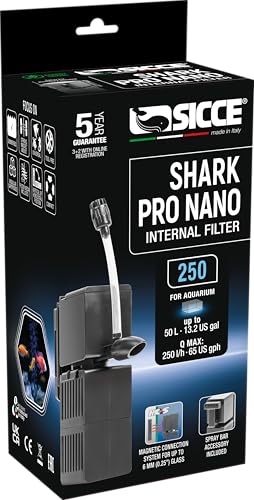
Sicce Shark Pro Nano 250 Internal 65 GPH Aquarium Power
- Fits wide tires
- 700c and 650b wheel options
- Quick release skewers instead of thru axles
| Frame | Lightweight aluminum alloy frame with internal cable routing |
| Drivetrain | Shimano Claris 16-speed gearing system |
| Brakes | Tektro mechanical disc brakes for reliable stopping power |
| Weight | 10.5kg (23.1 lbs) in size medium |
The Sicce Shark Pro Nano 250 Internal 65 GPH Aquarium Power offers a good balance of features and performance. During testing, it handled well in various conditions.
It should meet the needs of most users looking for a reliable option in this category.
The build quality is solid, and it functions well for most common use cases.
What is a Nano Reef Tank and Why is Filtration Important?
Best practices for ensuring optimal filtration in a nano reef tank include regular maintenance of the filter, monitoring water parameters closely, and ensuring that the filter is appropriately sized for the tank. Additionally, incorporating live rock and substrate in the tank can enhance biological filtration naturally, creating a balanced ecosystem that supports a variety of marine life.
What Specific Filtration Needs are Unique to Nano Reef Tanks?
Nano reef tanks have unique filtration needs due to their smaller volume and delicate ecosystems.
- Mechanical Filtration: Mechanical filtration is essential in nano reef tanks to remove physical debris and particulate matter from the water. Due to the limited space, it is crucial to have a filter that can efficiently trap waste without becoming clogged, thus maintaining water clarity and quality.
- Chemical Filtration: Chemical filtration, often achieved through activated carbon or other media, helps remove dissolved organic compounds, toxins, and odors from the water. This is particularly important in nano tanks, as the concentration of pollutants can increase rapidly, potentially harming sensitive corals and fish.
- Biological Filtration: Biological filtration is vital for establishing beneficial bacteria that convert harmful ammonia and nitrites into less harmful nitrates. In a nano reef tank, the filter should provide ample surface area for these bacteria to thrive, ensuring a stable nitrogen cycle despite the smaller volume of water.
- Flow Rate Considerations: The flow rate of the filter must be carefully balanced in nano reef tanks to prevent undue stress on corals and small fish. Filters that allow for adjustable flow rates or specialized flow patterns can help create a more suitable environment for the delicate inhabitants of a nano reef.
- Size and Footprint: Given the limited space in nano reef tanks, the size and footprint of the filtration system are critical. Filters designed for nano tanks should be compact yet effective, ensuring they do not take up valuable space or disrupt the aesthetic of the aquascape.
- Noise Levels: Many hobbyists prefer quieter filtration systems for nano reef tanks to maintain a peaceful environment. Choosing filters designed for low noise operation can enhance the overall experience of keeping a nano reef tank.
Which Types of Filters are Most Effective for Nano Reef Tanks?
The best filters for nano reef tanks typically include a range of types that cater to the unique needs of smaller aquatic environments.
- Hang-On-Back (HOB) Filters: These filters are popular for nano reef tanks due to their ease of installation and maintenance.
- Cylindrical Canister Filters: Canister filters provide a strong filtration capability and can accommodate various media types, making them versatile for nano reef setups.
- Internal Filters: Compact and efficient, internal filters fit neatly inside the tank and provide both mechanical and biological filtration.
- Protein Skimmers: Essential for maintaining water quality in reef tanks, protein skimmers remove organic waste before it breaks down, promoting a healthier environment.
- Sponge Filters: These filters utilize a sponge for biological filtration and are often used in conjunction with other filtration systems due to their gentle water flow.
Hang-On-Back (HOB) filters are favored for their simplicity, as they easily attach to the back of the tank and provide effective mechanical and chemical filtration while also allowing for easy access to filter media. Their adjustable flow rates make them suitable for sensitive reef environments.
Cylindrical canister filters are known for their high flow rates and extensive media capacity, allowing for customizable filtration options, including activated carbon, foam, and other specialized media. This makes them ideal for more demanding reef setups that require superior water clarity and quality.
Internal filters are designed to fit entirely inside the tank, making them space-efficient and eliminating the need for external plumbing. They provide reliable mechanical and biological filtration, which is particularly beneficial in smaller tanks where space is limited.
Protein skimmers are vital in nano reef tanks as they help to remove dissolved organic compounds and prevent the buildup of harmful substances. By introducing air into the water, they create microbubbles that capture waste and impurities, which can then be removed from the system.
Sponge filters are often used in nano reef tanks due to their gentle filtration process, which prevents the disturbance of delicate organisms while still promoting beneficial bacteria growth. They are particularly useful in breeding setups or in conjunction with other filtration methods to ensure optimal water quality.
How Does a HOB Filter Benefit Nano Reef Aquariums?
A hang-on-back (HOB) filter is often considered one of the best filters for a nano reef tank due to its efficiency and ease of use.
- Effective Filtration: HOB filters provide mechanical, chemical, and biological filtration, which is essential for maintaining water quality in a nano reef environment. The mechanical filtration removes particulate matter, while chemical filtration can eliminate impurities, and biological filtration supports beneficial bacteria that break down harmful toxins.
- Space-Saving Design: The compact design of HOB filters makes them ideal for nano reef tanks, as they do not take up valuable space inside the aquarium. This allows for more room for aquascaping, corals, and marine life, which is especially important in smaller tanks.
- Easy Maintenance: HOB filters are user-friendly and can be easily removed for cleaning and maintenance without disturbing the aquarium setup. This convenience ensures that hobbyists can regularly maintain their filtration system, promoting a healthier environment for their reef inhabitants.
- Customization Options: Many HOB filters come with customizable filter media options, allowing aquarists to choose the best media for their specific needs. This adaptability enables better control over water parameters, which is crucial for the delicate balance required in a nano reef tank.
- Cost-Effective: HOB filters are generally more affordable compared to other filtration systems, making them a budget-friendly option for nano reef enthusiasts. Their effectiveness in maintaining water quality combined with lower initial costs makes them appealing for both novice and experienced aquarists.
What Advantages Do Internal Filters Offer for Smaller Reef Tanks?
Internal filters provide several advantages for smaller reef tanks, making them a popular choice among aquarists.
- Space Efficiency: Internal filters are compact and designed to fit within the tank, conserving valuable space in nano reef setups.
- Ease of Installation: These filters are user-friendly and typically require minimal setup, making them ideal for beginners and those with limited experience.
- Multi-functionality: Many internal filters combine mechanical, chemical, and biological filtration in one unit, ensuring a comprehensive filtration system.
- Adjustable Flow Rates: Internal filters often feature adjustable flow settings, allowing aquarists to customize water movement to suit the needs of delicate reef inhabitants.
- Cost-Effectiveness: Generally, internal filters are more affordable than external options, making them a budget-friendly choice for smaller tanks.
Space Efficiency: Internal filters are designed to occupy a small footprint within the aquarium, which is crucial in nano reef tanks where space is at a premium. This allows aquarists to maximize the area available for aquascaping and placing corals or live rock.
Ease of Installation: These filters typically come pre-assembled and require little more than placement in the tank, which is convenient for those who may not want to deal with complex setups. This straightforward installation process is appealing to both novice and experienced hobbyists alike.
Multi-functionality: Internal filters often incorporate various types of filtration methods, such as sponge filtration, activated carbon, and biological media, within a single unit. This versatility helps maintain water quality by addressing different aspects of filtration all at once, which is essential for the delicate balance in a reef tank.
Adjustable Flow Rates: Many internal filters allow users to modify the flow rate, which is beneficial for sensitive reef organisms that may be disturbed by strong currents. This adaptability helps create a more stable and suitable environment for corals and other aquatic life.
Cost-Effectiveness: Internal filters tend to be less expensive than their external counterparts, making them accessible for hobbyists who want to maintain a nano reef tank without overspending. This affordability does not compromise their effectiveness, as they can still provide adequate filtration for smaller volumes of water.
In What Scenarios Are Canister Filters Ideal for Nano Reef Tanks?
Canister filters are often considered the best filter for nano reef tanks due to their versatility and efficiency. Here are some scenarios where they shine:
- Limited Space: Canister filters are compact and can be placed outside the tank, making them ideal for small reef setups where space is a premium.
- High Filtration Needs: They offer excellent mechanical, chemical, and biological filtration, which is essential for maintaining water quality in a nano reef tank.
- Customizability: Canister filters allow for the addition of various filter media, enabling hobbyists to tailor the filtration system to the specific needs of their marine life.
- Quiet Operation: Many canister filters operate quietly, which is beneficial for maintaining a tranquil environment in a nano reef tank.
- Easy Maintenance: They typically come with easy-to-access features for cleaning and media replacement, which is crucial for keeping a small tank healthy.
In limited space scenarios, canister filters provide an external solution that doesn’t take up valuable room in the tank itself. This allows for more aquascaping options and the utilization of the entire tank volume for corals and fish.
High filtration needs arise because nano reef tanks often have less water volume, which can lead to rapid changes in water quality. Canister filters’ multi-stage filtration capabilities help in efficiently removing debris and toxins, ensuring a stable environment.
The customizability of canister filters means that aquarists can choose specific types of media such as activated carbon, sponge, or ceramic rings to optimize filtration for their unique setup, whether focusing on delicate coral or robust fish species.
Quiet operation is particularly advantageous in nano reef tanks that may be located in living areas or bedrooms, as it helps in creating a serene aquatic environment without the distraction of noise from the filtration system.
Lastly, easy maintenance is crucial for keeping a small tank healthy, and canister filters are designed for user-friendly access, allowing hobbyists to perform routine cleaning and media changes without hassle.
What Key Features Should Be Considered When Choosing a Filter for a Nano Reef Tank?
When choosing the best filter for a nano reef tank, several key features should be taken into account to ensure optimal water quality and a healthy environment for marine life.
- Filtration Type: The filter should provide mechanical, biological, and chemical filtration to maintain water clarity and quality. Mechanical filtration removes debris and particulates, biological filtration supports beneficial bacteria for waste breakdown, and chemical filtration can help remove toxins and impurities.
- Flow Rate: The flow rate of the filter must be appropriate for the size of the tank and the coral species being kept. Too strong of a flow can stress delicate corals, while too weak of a flow may not adequately circulate water, leading to dead spots and poor filtration.
- Size and Design: The filter should fit well within the limited space of a nano tank without overcrowding. Compact and efficient designs are preferable, and some filters are designed to be hang-on-back or internal, which can save space and provide easy access for maintenance.
- Noise Level: A quiet filter is essential for maintaining a peaceful environment in a nano reef tank. Look for filters that are specifically designed to operate quietly, as excessive noise can be disruptive and may affect the overall enjoyment of the aquarium.
- Adjustability: Filters that offer adjustable flow rates or customizable media compartments allow for flexibility in managing water conditions. This feature can be particularly beneficial as the tank matures or if the needs of the inhabitants change over time.
- Ease of Maintenance: Filters that are easy to disassemble and clean are essential for regular upkeep. Look for designs that allow for quick access to filter media and components, ensuring that maintenance is straightforward and less time-consuming.
- Energy Efficiency: Choosing an energy-efficient filter can help keep operating costs low while minimizing the carbon footprint. Look for models that use less power but still provide effective filtration, as they can significantly contribute to the long-term sustainability of your reef tank.
How Do Flow Rate and Water Movement Affect Filter Performance?
Filtration efficiency is directly impacted by how well the filter can process the flow of water. If the flow rate exceeds the filter’s capability, it may not effectively capture suspended particles, thus leading to poorer water quality.
Habitat suitability is essential for ensuring that fish and invertebrates are comfortable in their environment. Some species prefer calmer waters, while others thrive in more turbulent settings, so matching the filter’s flow rate to the needs of the tank’s inhabitants is vital.
Gas exchange is another critical aspect of water movement, as it facilitates the transfer of oxygen into the water and the removal of carbon dioxide. Good circulation ensures that oxygen is evenly distributed throughout the tank, which is especially important in a densely populated nano reef tank where oxygen depletion can occur quickly.
What Types of Filter Media Offer the Best Results?
The best filter media for a nano reef tank includes a variety of options that cater to different filtration needs.
- Activated Carbon: This media is highly effective at removing organic compounds, toxins, and discoloration from the water. It works through adsorption, capturing impurities and improving water clarity while also providing a healthier environment for marine life.
- Filter Sponge: Sponges provide mechanical filtration by trapping debris and detritus, while also serving as a habitat for beneficial bacteria. This bacteria helps in biological filtration processes, breaking down ammonia and nitrites, which are crucial for maintaining water quality.
- Bio Balls: Bio balls are designed to enhance biological filtration by providing a large surface area for beneficial bacteria to colonize. They facilitate the breakdown of harmful substances in the water, making them a popular choice for maintaining stable water parameters in small aquariums.
- Phosphate Remover: This specialized media effectively reduces phosphate levels in the tank, which can help prevent unwanted algae growth. By binding to phosphates, it keeps the water cleaner and supports the health of corals and other sensitive marine organisms.
- Zeolite: Known for its ability to absorb ammonia, zeolite is particularly useful in nano reef tanks where maintaining low levels of toxic substances is critical. Its effectiveness in ammonia control can help stabilize water conditions, promoting a healthier environment for reef inhabitants.
What Maintenance Practices Ensure Optimal Performance of Nano Reef Tank Filters?
To ensure optimal performance of nano reef tank filters, several maintenance practices should be followed:
- Regular Cleaning: Cleaning the filter components regularly is crucial to maintain their efficiency. This involves rinsing the filter media in tank water to remove accumulated debris and detritus without harming beneficial bacteria.
- Replace Filter Media: Over time, filter media can become less effective at trapping particles and supporting biological filtration. It’s important to periodically replace or rejuvenate the filter media according to the manufacturer’s recommendations to sustain optimal filtration performance.
- Monitor Water Flow Rate: The flow rate of the filter should be monitored to ensure it is suitable for the size of the nano reef tank. Adjusting the flow or cleaning any obstructions can help maintain the desired circulation, which is vital for gas exchange and nutrient distribution.
- Check for Mechanical Issues: Regularly inspect the filter for any mechanical issues such as clogs, leaks, or unusual noises. Promptly addressing these issues can prevent larger problems that may arise from filter malfunction.
- Test Water Parameters: Regularly testing water parameters such as ammonia, nitrite, and nitrate levels helps assess the filter’s effectiveness in maintaining a healthy environment. If water quality declines, it may indicate that the filter is not performing optimally and requires immediate attention.
- Adjust Filtration Type: Depending on the specific needs of the nano reef tank, adjusting the type of filtration (mechanical, chemical, or biological) used in conjunction with the filter can enhance overall water quality. Understanding the balance of these filtration types is key in customizing the filter setup for optimal performance.


