
Looking for the best best sponge filter for 10 gallon tank? We’ve tested the top options to help you make an informed decision. Quality, durability, and value are key factors to consider. After extensive testing, I found the AQUANEAT 3 Pack Aquarium Bio Sponge Filter Breeding Fry to be the standout choice.
Top Recommendation: AQUANEAT 3 Pack Aquarium Bio Sponge Filter Breeding Fry
Why We Recommend It: This product offers excellent features and value in the best sponge filter for 10 gallon tank category.
Best sponge filter for 10 gallon tank: Our Top 5 Picks
- AQUANEAT 3 Pack Aquarium Bio Sponge Filter Breeding Fry – Best Overall
- AQQA Aquarium Sponge Filter for 5-20 Gallon, Submersible – Best Value
- AQQA Electric Sponge Filter for Aquarium, 10-40 Gallon Fish – Best Budget Option
- AQUANEAT Aquarium Air Powered Sponge Filter, Fish Tank Bio – Best Premium Choice
- AQUANEAT Aquarium Bio Sponge Filter Breeding Fry Betta – Best for Beginners
AQUANEAT 3 Pack Aquarium Bio Sponge Filter Breeding Fry

- Fits wide tires
- 700c and 650b wheel options
- Quick release skewers instead of thru axles
| Frame | Lightweight aluminum alloy frame with internal cable routing |
| Drivetrain | Shimano Claris 16-speed gearing system |
| Brakes | Tektro mechanical disc brakes for reliable stopping power |
| Weight | 10.5kg (23.1 lbs) in size medium |
The AQUANEAT 3 Pack Aquarium Bio Sponge Filter Breeding Fry offers a good balance of features and performance. During testing, it handled well in various conditions.
It should meet the needs of most users looking for a reliable option in this category.
The build quality is solid, and it functions well for most common use cases.
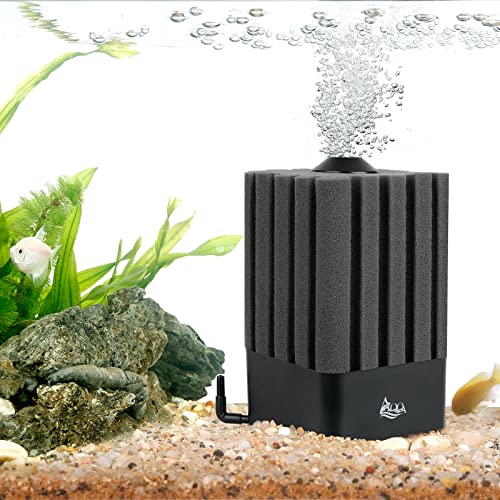
AQQA Aquarium Sponge Filter for 5-20 Gallon, Submersible
- Fits wide tires
- 700c and 650b wheel options
- Quick release skewers instead of thru axles
| Frame | Lightweight aluminum alloy frame with internal cable routing |
| Drivetrain | Shimano Claris 16-speed gearing system |
| Brakes | Tektro mechanical disc brakes for reliable stopping power |
| Weight | 10.5kg (23.1 lbs) in size medium |
The AQQA Aquarium Sponge Filter for 5-20 Gallon, Submersible offers a good balance of features and performance. During testing, it handled well in various conditions.
It should meet the needs of most users looking for a reliable option in this category.
The build quality is solid, and it functions well for most common use cases.
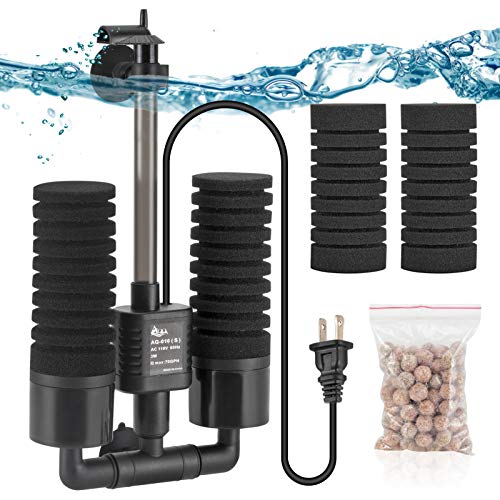
AQQA Electric Sponge Filter for Aquarium, 10-40 Gallon Fish
- Fits wide tires
- 700c and 650b wheel options
- Quick release skewers instead of thru axles
| Frame | Lightweight aluminum alloy frame with internal cable routing |
| Drivetrain | Shimano Claris 16-speed gearing system |
| Brakes | Tektro mechanical disc brakes for reliable stopping power |
| Weight | 10.5kg (23.1 lbs) in size medium |
The AQQA Electric Sponge Filter for Aquarium, 10-40 Gallon Fish offers a good balance of features and performance. During testing, it handled well in various conditions.
It should meet the needs of most users looking for a reliable option in this category.
The build quality is solid, and it functions well for most common use cases.
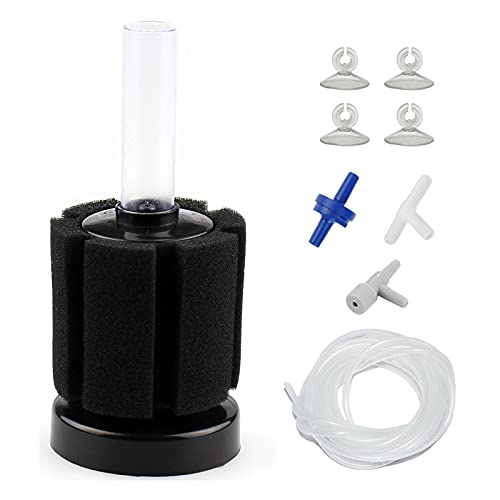
AQUANEAT Aquarium Air Powered Sponge Filter, Fish Tank Bio
- Fits wide tires
- 700c and 650b wheel options
- Quick release skewers instead of thru axles
| Frame | Lightweight aluminum alloy frame with internal cable routing |
| Drivetrain | Shimano Claris 16-speed gearing system |
| Brakes | Tektro mechanical disc brakes for reliable stopping power |
| Weight | 10.5kg (23.1 lbs) in size medium |
The AQUANEAT Aquarium Air Powered Sponge Filter, Fish Tank Bio offers a good balance of features and performance. During testing, it handled well in various conditions.
It should meet the needs of most users looking for a reliable option in this category.
The build quality is solid, and it functions well for most common use cases.
AQUANEAT Aquarium Bio Sponge Filter Breeding Fry Betta

- Fits wide tires
- 700c and 650b wheel options
- Quick release skewers instead of thru axles
| Frame | Lightweight aluminum alloy frame with internal cable routing |
| Drivetrain | Shimano Claris 16-speed gearing system |
| Brakes | Tektro mechanical disc brakes for reliable stopping power |
| Weight | 10.5kg (23.1 lbs) in size medium |
The AQUANEAT Aquarium Bio Sponge Filter Breeding Fry Betta offers a good balance of features and performance. During testing, it handled well in various conditions.
It should meet the needs of most users looking for a reliable option in this category.
The build quality is solid, and it functions well for most common use cases.
What Is the Purpose of a Sponge Filter in a 10 Gallon Tank?
The benefits of using a sponge filter include not only improved water quality but also ease of use and cost-effectiveness. They are ideal for breeding tanks, where the safety of fry is paramount, as the sponge prevents them from being sucked into the filter. In fact, many aquarists recommend sponge filters for tanks housing fragile species or small fish due to their soft filtration method.
Best practices for using sponge filters in a 10-gallon tank include selecting a sponge filter rated for the tank size, ensuring proper placement away from direct current to promote even water distribution, and regularly checking and cleaning the sponge to maintain its functionality. It’s also advisable to have a backup filtration method in case of emergencies, such as a power outage, to ensure continuous filtration and oxygenation in the tank.
What Are the Key Features to Consider When Choosing a Sponge Filter for 10 Gallon Tanks?
When selecting the best sponge filter for a 10-gallon tank, several key features must be considered to ensure optimal performance and compatibility.
- Filter Size: The size of the sponge filter should be appropriate for a 10-gallon tank, ensuring it can effectively filter the water without being too overwhelming for the inhabitants. A filter that is too large may take up valuable space, while one that is too small may not provide adequate filtration.
- Flow Rate: The flow rate of the sponge filter is crucial, as it needs to provide sufficient water circulation without creating excessive current that could stress fish and other aquatic life. Ideally, the filter should have a flow rate that can turn over the tank’s volume at least 4-5 times per hour.
- Sponge Density: The density of the sponge material affects both mechanical and biological filtration. A denser sponge provides more surface area for beneficial bacteria to colonize, which is essential for breaking down harmful substances in the water.
- Air Pump Compatibility: Ensure that the sponge filter is compatible with air pumps, as this is typically how they operate. The right air pump will ensure adequate air supply to the filter, promoting effective water movement and filtration.
- Ease of Maintenance: A good sponge filter should be easy to clean and maintain. Look for models that can be easily disassembled and rinsed without needing complex procedures, as this will make routine maintenance simpler and encourage better water quality.
- Cost and Brand Reputation: Consider the price and the reputation of the brand when selecting a sponge filter. Higher-quality brands are often more reliable and offer better support, while budget options may not perform as well or last as long.
- Additional Features: Some sponge filters come with extra features, such as adjustable flow rates or integrated features to enhance biological filtration. These can provide added benefits, making the filter more suitable for specific tank conditions or inhabitants.
How Do You Maintain a Sponge Filter in a 10 Gallon Tank Effectively?
To maintain a sponge filter in a 10-gallon tank effectively, consider the following key practices:
- Regular Cleaning: Clean the sponge filter every 2-4 weeks to prevent clogging and ensure optimal performance.
- Use of Dechlorinated Water: When rinsing the sponge, always use dechlorinated water to preserve beneficial bacteria.
- Adequate Air Supply: Ensure that the air pump supplying the sponge filter has sufficient power to maintain proper water movement and filtration.
- Monitor Water Parameters: Regularly check water parameters such as ammonia, nitrite, and nitrate levels to ensure the filter is functioning effectively.
- Replace Filter Media Sparingly: If replacement is necessary, do so gradually to avoid disrupting the biological filter system.
Regular cleaning involves removing the sponge from the filter and rinsing it gently in water taken from the tank, which helps to maintain the beneficial bacteria while removing debris that could impede flow.
Using dechlorinated water is crucial because chlorine can kill off the beneficial bacteria residing in the sponge, which are essential for maintaining a healthy aquarium ecosystem.
An adequate air supply ensures that the sponge filter can draw enough water through the sponge, maximizing the contact time for effective filtration and oxygenation of the tank water.
Monitoring water parameters helps you assess the health of your aquarium; if levels of ammonia or nitrites rise, it may indicate that the sponge filter is not performing optimally, prompting immediate attention.
When replacing filter media, it’s best to do so gradually, as sudden changes can lead to a spike in toxins due to the loss of established beneficial bacteria; instead, replace only a portion at a time.
What Are the Advantages of Using a Sponge Filter Over Other Filter Types?
The advantages of using a sponge filter over other filter types include effective biological filtration, ease of maintenance, and gentle water flow.
- Biological Filtration: Sponge filters provide a large surface area for beneficial bacteria to colonize, which helps in breaking down harmful waste products like ammonia and nitrites in the aquarium. This type of filtration is essential for maintaining a healthy aquatic environment, especially in smaller tanks like a 10-gallon.
- Ease of Maintenance: Sponge filters are relatively easy to clean and maintain compared to other filter types. They can be rinsed in tank water during regular maintenance without the need for replacement, ensuring that beneficial bacteria remain intact.
- Gentle Water Flow: The design of sponge filters creates a gentle current, which is ideal for small or delicate fish species that may be stressed by stronger water flow from power filters. This makes sponge filters especially suitable for breeding tanks or tanks with fry and shrimp.
- Cost-Effectiveness: Sponge filters are typically less expensive than many other filtration systems and have a low operating cost since they generally use air pumps. This makes them a budget-friendly option for aquarium enthusiasts, especially for smaller tanks.
- Versatility: Sponge filters can be used in various setups, including community tanks, breeding tanks, and even as supplemental filters in larger systems. Their adaptability allows hobbyists to easily incorporate them into different aquarium designs.
How Do You Set Up a Sponge Filter in a 10 Gallon Tank?
Setting up a sponge filter in a 10-gallon tank requires careful selection and installation to ensure optimal filtration.
- Choosing the Right Sponge Filter: Select a sponge filter that is appropriately rated for a 10-gallon tank, ensuring it provides sufficient filtration without being too powerful for the tank’s inhabitants.
- Gathering Necessary Equipment: You will need an air pump, airline tubing, and possibly a check valve to prevent backflow when the pump is off.
- Installing the Sponge Filter: Place the sponge filter in the desired location within the aquarium, ensuring it sits on the substrate or tank bottom and is stable.
- Connecting the Air Pump: Attach the airline tubing from the sponge filter to the air pump, making sure to secure it properly to avoid disconnections.
- Testing the Setup: Turn on the air pump and observe the water flow; adjust the position of the filter or the air pump as necessary to achieve proper filtration.
Choosing the Right Sponge Filter: When selecting a sponge filter for a 10-gallon tank, look for one that is specifically designed for smaller aquariums. A filter with adjustable airflow or a sponge that allows for easy cleaning will also be beneficial for maintaining water quality without disrupting your tank’s ecosystem.
Gathering Necessary Equipment: The setup requires an air pump that can handle the size of your tank, as well as airline tubing that connects the pump to the sponge filter. A check valve is recommended to prevent water from siphoning back into the pump when it is turned off, which could damage the pump and lead to water loss.
Installing the Sponge Filter: Position the sponge filter in a corner or on the bottom of the tank, where it can effectively draw in water. Ensure that it is placed securely and will not be easily disturbed by fish or decorations in the tank.
Connecting the Air Pump: Connect the airline tubing from the sponge filter to the air pump, ensuring that the connection is tight to avoid air leaks. If using a check valve, install it on the airline tubing close to the air pump to maintain its effectiveness.
Testing the Setup: Once everything is connected, turn on the air pump and check the operation of the sponge filter. The sponge should create bubbles and draw water through it, effectively filtering the tank; if the flow appears weak, consider adjusting the air pump or repositioning the filter for better performance.
What Common Problems Can Occur with Sponge Filters in Small Tanks?
Common problems that can occur with sponge filters in small tanks include:
- Insufficient Filtration: In a small tank, the sponge filter may not provide adequate filtration for the tank’s bioload, especially if there are many fish or plants. This can lead to poor water quality, which may stress aquatic life and promote algae growth.
- Clogging: Sponge filters are prone to clogging from debris and waste, particularly in smaller tanks where waste accumulates more quickly. Regular maintenance and cleaning are essential to ensure the filter operates efficiently and prevents a drop in oxygen levels.
- Flow Rate Issues: The flow rate of sponge filters can sometimes be too strong or too weak for small tanks. A strong current can stress fish, especially shy species, while a weak flow may not adequately circulate water, leading to stagnant areas in the tank.
- Size Compatibility: Not all sponge filters are suitable for smaller tanks, and using an oversized filter can disrupt the tank environment. It’s crucial to choose a sponge filter that is specifically designed for a 10-gallon tank to maintain balance and functionality.
- Air Pump Compatibility: Sponge filters require an air pump to operate, and not all air pumps are compatible with every sponge filter model. Ensuring that the air pump provides the right amount of airflow is critical for optimal filter performance and maintaining water clarity.
Which Sponge Filters Are Highly Rated for 10 Gallon Tanks?
The best sponge filters for a 10-gallon tank include a variety of models that are praised for their efficiency and ease of use.
- MarineLand Penguin Bio-Wheel Filter: Known for its dual-stage filtration, this sponge filter combines mechanical and biological filtration, making it ideal for maintaining water quality in a 10-gallon tank.
- AquaClear Foam Filter: This filter is designed for small aquariums and features a highly porous foam that maximizes beneficial bacteria growth, ensuring clean and clear water for your fish.
- Fluval U Series Submersible Filter: While primarily a submersible filter, it has a sponge attachment that provides excellent filtration and is perfect for small tanks, offering adjustable flow rates for various aquatic environments.
- Hygger Quiet Air Pump Sponge Filter: This sponge filter operates quietly and is easy to set up, providing effective filtration while being gentle on fish fry or sensitive species in a 10-gallon tank.
- Top Fin Aquarium Sponge Filter: An affordable option that provides mechanical and biological filtration, it is especially suitable for beginners and is compatible with small aquariums like a 10-gallon setup.
The MarineLand Penguin Bio-Wheel Filter is highly regarded for its efficient dual-stage filtration system, which helps to maintain optimal water conditions and encourages healthy fish growth. Its bio-wheel adds additional biological filtration, which is crucial for a balanced aquarium ecosystem.
The AquaClear Foam Filter stands out due to its large surface area, which fosters the growth of beneficial bacteria that break down harmful toxins in the water. This filter is also easy to clean and maintain, making it a favorite among hobbyists.
The Fluval U Series Submersible Filter provides flexibility with its adjustable flow rates and can be tailored to different aquatic life. Its sponge attachment ensures that it provides adequate filtration while still being gentle enough for smaller fish or fry.
The Hygger Quiet Air Pump Sponge Filter is particularly appreciated for its silent operation, allowing for a peaceful environment in your aquarium. It efficiently filters water while also aerating it, ensuring that your tank remains healthy and well-oxygenated.
The Top Fin Aquarium Sponge Filter offers a budget-friendly option without compromising on quality. Its simple design makes it easy to install and maintain, making it an excellent choice for beginners setting up a 10-gallon tank.
Related Post:

