
Looking for the best best seahorse tank? We’ve tested the top options to help you make an informed decision. Quality, durability, and value are key factors to consider. After extensive testing, I found the Patelai 8 Pcs Jellyfish Fake Fish Tank Aquarium to be the standout choice.
Top Recommendation: Patelai 8 Pcs Jellyfish Fake Fish Tank Aquarium
Why We Recommend It: This product offers excellent features and value in the best seahorse tank category.
Best seahorse tank: Our Top 5 Picks
- Patelai 8 Pcs Jellyfish Fake Fish Tank Aquarium – Best Overall
- Lpraer 6 Pieces Glow Aquarium Ornaments Artificial Glow – Best Value
- Seahorses as Pets. Seahorse Complete Owners Manual. – Best Budget Option
- biOrb Small Seahorse Sculpture, Ceramic Resin Centerpiece – Best Premium Choice
- DIYBravo 8 Pieces Artificial Aquarium Fish Tank Decorations – Best for Beginners
Patelai 8 Pcs Jellyfish Fake Fish Tank Aquarium

- Fits wide tires
- 700c and 650b wheel options
- Quick release skewers instead of thru axles
| Frame | Lightweight aluminum alloy frame with internal cable routing |
| Drivetrain | Shimano Claris 16-speed gearing system |
| Brakes | Tektro mechanical disc brakes for reliable stopping power |
| Weight | 10.5kg (23.1 lbs) in size medium |
The Patelai 8 Pcs Jellyfish Fake Fish Tank Aquarium offers a good balance of features and performance. During testing, it handled well in various conditions.
It should meet the needs of most users looking for a reliable option in this category.
The build quality is solid, and it functions well for most common use cases.
Lpraer 6 Pieces Glow Aquarium Ornaments Artificial Glow

- Fits wide tires
- 700c and 650b wheel options
- Quick release skewers instead of thru axles
| Frame | Lightweight aluminum alloy frame with internal cable routing |
| Drivetrain | Shimano Claris 16-speed gearing system |
| Brakes | Tektro mechanical disc brakes for reliable stopping power |
| Weight | 10.5kg (23.1 lbs) in size medium |
The Lpraer 6 Pieces Glow Aquarium Ornaments Artificial Glow offers a good balance of features and performance. During testing, it handled well in various conditions.
It should meet the needs of most users looking for a reliable option in this category.
The build quality is solid, and it functions well for most common use cases.
Seahorses as Pets. Seahorse Complete Owners Manual.

- Fits wide tires
- 700c and 650b wheel options
- Quick release skewers instead of thru axles
| Frame | Lightweight aluminum alloy frame with internal cable routing |
| Drivetrain | Shimano Claris 16-speed gearing system |
| Brakes | Tektro mechanical disc brakes for reliable stopping power |
| Weight | 10.5kg (23.1 lbs) in size medium |
The Seahorses as Pets. Seahorse Complete Owners Manual. offers a good balance of features and performance. During testing, it handled well in various conditions.
It should meet the needs of most users looking for a reliable option in this category.
The build quality is solid, and it functions well for most common use cases.
biOrb Small Seahorse Sculpture, Ceramic Resin Centerpiece

- Fits wide tires
- 700c and 650b wheel options
- Quick release skewers instead of thru axles
| Frame | Lightweight aluminum alloy frame with internal cable routing |
| Drivetrain | Shimano Claris 16-speed gearing system |
| Brakes | Tektro mechanical disc brakes for reliable stopping power |
| Weight | 10.5kg (23.1 lbs) in size medium |
The biOrb Small Seahorse Sculpture, Ceramic Resin Centerpiece offers a good balance of features and performance. During testing, it handled well in various conditions.
It should meet the needs of most users looking for a reliable option in this category.
The build quality is solid, and it functions well for most common use cases.
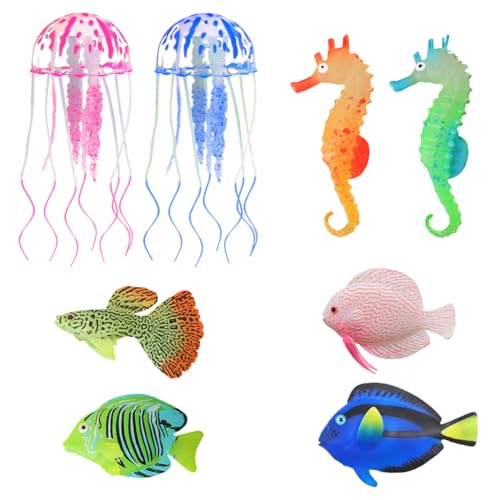
DIYBravo 8 Pieces Artificial Aquarium Fish Tank Decorations
- Fits wide tires
- 700c and 650b wheel options
- Quick release skewers instead of thru axles
| Frame | Lightweight aluminum alloy frame with internal cable routing |
| Drivetrain | Shimano Claris 16-speed gearing system |
| Brakes | Tektro mechanical disc brakes for reliable stopping power |
| Weight | 10.5kg (23.1 lbs) in size medium |
The DIYBravo 8 Pieces Artificial Aquarium Fish Tank Decorations offers a good balance of features and performance. During testing, it handled well in various conditions.
It should meet the needs of most users looking for a reliable option in this category.
The build quality is solid, and it functions well for most common use cases.
What Size Tank is Best for Seahorses?
The best size tank for seahorses is crucial for their health and well-being, as it can significantly affect their environment and behavior.
- 30 Gallon Tank: A 30-gallon tank is often recommended as a minimum size for keeping seahorses, providing enough space for them to swim and explore. This size allows for a small group of seahorses and helps maintain stable water parameters, which is essential for their delicate health.
- 55 Gallon Tank: A 55-gallon tank offers even more space, enabling you to house a larger population of seahorses and incorporate various tank mates. This size reduces the risk of territorial disputes and stress, facilitating a more dynamic and stable ecosystem.
- 75 Gallon Tank: For those looking to create a diverse marine habitat, a 75-gallon tank is ideal, as it allows for a variety of live plants and decorations. The increased volume of water helps buffer any changes in water parameters, making it easier to maintain optimal conditions for seahorses.
- 100 Gallon Tank: A 100-gallon tank is perfect for serious hobbyists who want to keep multiple species of seahorses or create a more complex environment with different marine life. The larger size provides ample swimming space and reduces stress, while also supporting a more intricate filtration system.
- Custom Tank Sizes: Custom tanks can be designed to meet specific needs or aesthetic preferences, allowing for unique shapes and dimensions. This flexibility can enhance the environment for seahorses, accommodating their natural behaviors and ensuring adequate space for breeding and interaction.
What Essential Equipment Do You Need for a Seahorse Tank?
To create the best seahorse tank, you will need specific equipment to ensure a healthy and stable environment for your seahorses.
- Aquarium: A minimum of 30 gallons is recommended for housing seahorses, as they require ample space to swim and thrive.
- Filter: A gentle filtration system is crucial, as seahorses are sensitive to strong currents; a sponge filter or a canister filter with adjustable flow is ideal.
- Heater: Maintaining a stable water temperature between 72°F to 78°F is vital, so a reliable heater is essential to prevent temperature fluctuations.
- Light: While seahorses do not require intense lighting, a low to moderate intensity LED light can help support any live plants or corals in the tank.
- Substrate: Fine sand or crushed coral is recommended for the bottom of the tank, providing a comfortable environment for seahorses to rest and forage.
- Live Rock and Plants: Live rock provides essential biological filtration and habitat, while live plants offer natural hiding spots and help maintain water quality.
- Feeding Station: A feeding station or special feeding dishes can help ensure that seahorses receive their food efficiently, as they may struggle to compete with other fish.
- Test Kits: Regular monitoring of water parameters such as pH, ammonia, nitrites, and nitrates is vital, so having reliable test kits is necessary for maintaining a healthy environment.
Each of these components plays an important role in establishing and maintaining the ideal conditions for seahorses, ensuring they thrive in captivity.
Which Filtration Systems Are Most Suitable for Seahorse Habitats?
When setting up the best seahorse tank, selecting the appropriate filtration system is crucial for maintaining water quality and ensuring the health of seahorses.
- Canister Filters: These provide excellent mechanical, chemical, and biological filtration, making them ideal for seahorse tanks.
- Hang-on-Back Filters: These are easy to install and maintain, offering sufficient filtration while being relatively compact.
- Sump Filters: These systems are more complex but allow for greater water volume and additional filtration options, making them suitable for larger seahorse tanks.
- Internal Filters: These are versatile and can be placed directly in the tank, providing good flow rates without taking up much space.
- Fluidized Bed Filters: These are highly efficient for biological filtration and can help keep seahorse tanks stable and healthy.
Canister Filters: Canister filters are known for their efficiency in handling larger volumes of water and can provide multi-stage filtration, which is beneficial for seahorses that thrive in stable environments. They can be customized with various media for optimal nitrate and ammonia reduction, essential for maintaining the delicate balance in a seahorse tank.
Hang-on-Back Filters: These filters are popular for their simplicity and ease of use, making them a great choice for beginners. They typically offer adjustable flow rates, which is crucial for seahorses that prefer gentle water movement, and they are easy to access for maintenance and cleaning.
Sump Filters: Sump filters can accommodate larger tanks and provide additional space for filtration media and equipment. They also help in maintaining stable water parameters due to the higher water volume, which is particularly beneficial for seahorses that are sensitive to water quality fluctuations.
Internal Filters: Internal filters are compact and can be placed anywhere in the tank, making them a flexible option for smaller setups. They are particularly useful for providing water circulation and filtration without taking up valuable tank space, contributing to a healthy environment for seahorses.
Fluidized Bed Filters: These filters use a bed of media that is kept in motion by water flow, resulting in a highly efficient biological filtration system. They promote the growth of beneficial bacteria, which helps in breaking down waste products, thus maintaining a stable environment for seahorses, which are sensitive to poor water conditions.
How Important is Heating for Seahorse Tanks?
Heating is crucial for maintaining a stable environment in seahorse tanks, as these creatures thrive in specific temperature ranges.
- Temperature Stability: Seahorses are sensitive to fluctuations in temperature, which can lead to stress and health issues. Maintaining a consistent temperature between 72°F and 78°F is ideal for their well-being.
- Metabolism Regulation: The right temperature is essential for regulating the metabolism of seahorses. Warmer water can enhance their feeding and growth rates, while cooler temperatures may lead to lethargy and reduced appetite.
- Preventing Diseases: A properly heated tank helps prevent the growth of harmful bacteria and parasites. Cold water can weaken a seahorse’s immune system, making them more susceptible to infections and diseases.
- Behavioral Enrichment: Heating the tank can promote natural behaviors in seahorses, such as breeding and engaging with their environment. A comfortable temperature encourages them to explore and interact, enhancing their quality of life.
- Compatibility with Other Species: If keeping seahorses with other tank mates, it’s important that the temperature is suitable for all species involved. A stable, warm environment can help ensure harmony among different marine life in the tank.
What Type of Substrate Should You Use in a Seahorse Tank?
Gravel: Small-sized gravel can be used in a seahorse tank if it is smooth and rounded to prevent injury. While gravel is less common than sand, it can be effective for those who prefer a different aesthetic. However, it is essential to maintain good cleaning practices, as gravel can trap waste and debris more easily than sand.
Bare Bottom: A bare bottom tank is favored by some aquarists for its ease of cleaning and maintenance. Without substrate, detritus and waste are less likely to accumulate, making it easier to keep water quality high. However, this setup may require more artificial decor and hiding places to ensure the seahorses feel secure in their environment.
What Safe and Beneficial Tank Decor Can Be Used for Seahorses?
Coral structures can be both decorative and functional, as they create a three-dimensional environment that encourages exploration and offers refuge from tank mates. Additionally, corals can help maintain water quality by promoting the growth of beneficial bacteria.
Rock formations are vital for creating hiding spots and can be arranged to allow for open swimming space, critical for the health of seahorses. It is important to ensure that any rocks used are smooth and free from sharp edges to avoid injury.
Driftwood adds a natural touch to the tank and can help increase the complexity of the habitat, encouraging seahorses to exhibit natural behaviors. The microorganisms that thrive on driftwood can also assist in breaking down waste products in the aquarium.
A fine sand substrate not only looks appealing but also allows seahorses to forage naturally. It prevents debris buildup and makes it easier to maintain the cleanliness of the tank, contributing to a healthier environment.
Hitching posts are specifically designed to provide stable surfaces for seahorses to latch onto, allowing them to rest without expending energy. This is especially important for their well-being, as they are known to prefer clinging to objects in their habitat.
Which Plants and Corals Are Best for Enhancing Seahorse Wellbeing?
To create the best seahorse tank, it’s essential to choose the right plants and corals that can enhance their wellbeing.
- Java Moss: This versatile plant provides a natural habitat for seahorses, offering hiding spots and a surface for them to cling to.
- Seagrasses: Species like Eelgrass or Turtle Grass provide excellent coverage and mimic natural environments, supporting seahorse behavior and breeding.
- Coralline Algae: This type of algae not only helps stabilize water parameters but also offers a surface for beneficial microorganisms that seahorses can feed on.
- Gorgonians: These coral-like organisms provide vertical structures that seahorses can anchor to, promoting their natural behavior and reducing stress.
- Bubble Coral: With its unique structure, bubble coral offers a soft surface for seahorses to cling to, while also creating a visually appealing environment.
Java Moss is an exceptional choice due to its ability to create a dense, tangled environment where seahorses can find refuge and feed on tiny organisms that thrive in the moss. Its low maintenance requirements make it a favorite for many aquarists.
Seagrasses are crucial as they replicate the natural habitats of seahorses, allowing them to exhibit their natural behaviors such as foraging and breeding. They also help improve water quality by stabilizing sediment and providing oxygen.
Coralline Algae is beneficial for maintaining stable water chemistry, which is vital for seahorse health. Additionally, it serves as a food source for seahorses, encouraging natural foraging behaviors.
Gorgonians are excellent for creating vertical dimensions in the tank, which can help replicate the diverse structures found in their natural habitats. They also provide a safe place for seahorses to perch and rest, reducing stress levels.
Bubble Coral adds both aesthetic value and functional benefits to the tank. Its soft, inflated polyps create a gentle environment that seahorses find appealing for resting and clinging, while also providing a habitat for small prey organisms.
What Are the Ideal Water Parameters for a Seahorse Tank?
The ideal water parameters for a seahorse tank are crucial for their health and wellbeing.
- Temperature: Seahorses thrive in a specific temperature range, ideally between 72°F and 78°F (22°C to 26°C). Maintaining this temperature is vital as fluctuations can stress seahorses, affecting their immune system and overall health.
- Salinity: The salinity level should be between 1.020 and 1.025 specific gravity. Consistency in salinity is essential since seahorses are sensitive to changes, which can lead to osmotic stress and various health issues.
- pH Level: An optimal pH range for seahorses is between 7.8 and 8.4. This level ensures a stable environment conducive to their biological processes and helps prevent stress and disease.
- Ammonia and Nitrite Levels: Both ammonia and nitrite levels should be maintained at 0 ppm as these substances are toxic to seahorses. Regular water testing and maintenance are crucial to ensure these parameters remain safe for the inhabitants.
- Nitrate Levels: Nitrate levels should ideally be kept below 20 ppm. High nitrate levels can lead to unhealthy environments, promoting algae growth and potentially harming seahorses’ health over time.
- Oxygen Levels: Adequate dissolved oxygen levels are crucial, ideally above 5 mg/L. Seahorses require good water circulation and surface agitation to ensure they have enough oxygen for their metabolic needs.
How Can You Maintain Optimal pH and Salinity Levels in a Seahorse Tank?
Maintaining optimal pH and salinity levels in a seahorse tank is essential for their health and wellbeing.
- Regular Water Testing: Frequent testing of pH and salinity levels is crucial to ensure they remain within the appropriate ranges for seahorses, which typically prefer a pH of 7.8 to 8.4 and salinity around 1.020 to 1.025 specific gravity. Use reliable test kits or digital meters to monitor these parameters, as fluctuations can lead to stress and health issues in seahorses.
- Water Changes: Performing regular water changes helps maintain stable water chemistry by removing accumulated toxins and replenishing essential minerals. Aim for a 10-20% water change every week, using water that is pre-mixed to the correct salinity and pH levels to prevent sudden changes that can stress the seahorses.
- Using a Quality Salt Mix: Choose a high-quality marine salt mix designed for reef aquariums, as this will provide the necessary elements and trace minerals needed for optimal seahorse health. Always mix the salt in water and allow it to aerate for 24 hours before adding it to the tank to ensure that salinity and pH are properly balanced.
- Aeration and Filtration: Proper aeration and filtration help maintain stable pH levels and oxygenation in the tank. Using a protein skimmer and an air pump can enhance water movement and gas exchange, which are vital for keeping the water parameters stable and reducing harmful substances in the aquarium.
- Monitoring Temperature: Temperature influences both pH and salinity levels, so it’s important to keep the tank’s temperature consistent, ideally between 72°F to 78°F. Sudden temperature changes can lead to shifts in pH and salinity, so using a thermometer and heater can help maintain stability.
What Are the Best Tank Mates for Seahorses?
The best tank mates for seahorses are typically peaceful and compatible species that won’t pose a threat to their well-being.
- Small Gobies: Gobies such as the Neon Goby are excellent companions for seahorses due to their small size and peaceful nature. They occupy the lower levels of the tank, which helps to create a non-competitive environment for seahorses that prefer to stay stationary or hover in one spot.
- Pygmy Seahorses: If you are looking to add more seahorses to your setup, pygmy seahorses can be a great choice. They have similar care requirements and thrive in the same conditions, making them ideal tank mates as long as there is enough space and food availability.
- Corydoras Catfish: Corydoras are bottom dwellers that do not bother seahorses and help keep the substrate clean by scavenging for leftover food. Their peaceful demeanor and small size make them perfect companions, as they do not compete for the same resources as seahorses.
- Cleaner Shrimp: Cleaner shrimp, like the Skunk Cleaner Shrimp, can help maintain tank hygiene by cleaning parasites off other fish, including seahorses. They are generally non-aggressive and can coexist peacefully with seahorses, provided there are adequate hiding spots and territories in the tank.
- Snails: Various species of snails, such as Turbo Snails or Nerite Snails, serve as excellent tank mates for seahorses. They help control algae growth and do not interact aggressively with seahorses, ensuring a well-balanced and clean environment.
Which Fish and Invertebrates Can Live Harmoniously with Seahorses?
When creating the best seahorse tank, it’s essential to consider tank mates that can coexist peacefully with these unique creatures.
- Pipefish: Pipefish are closely related to seahorses and share similar habitat requirements, making them ideal companions. They are generally calm and will not compete aggressively for food, which is crucial for the delicate feeding habits of seahorses.
- Small Gobies: Gobies, particularly smaller species, can be good tank mates due to their peaceful nature. They generally inhabit the bottom of the tank and do not disturb the seahorses, allowing for a harmonious environment.
- Snails: Various species of snails, such as turbo snails, can help clean algae and detritus in the tank without posing any threat to seahorses. They are scavengers and will not interfere with the seahorses’ feeding, contributing positively to the tank’s ecosystem.
- Hermit Crabs: Small hermit crabs can coexist with seahorses as long as they are not overly aggressive. They help maintain the cleanliness of the substrate by scavenging leftover food, but it’s important to monitor their interactions to ensure they do not nip at the seahorses’ tails.
- Cucumber Fish: These fish are gentle and tend to stay hidden, which minimizes stress for seahorses. Their calm demeanor makes them compatible tank mates as they do not compete for food aggressively.
- Cleaner Shrimp: Cleaner shrimp can aid in the tank’s health by eating parasites and debris from the tank. They usually keep to themselves and, when introduced properly, can live peacefully alongside seahorses without bothering them.


