
Looking for the best best sealant for aquarium glass? We’ve tested the top options to help you make an informed decision. Quality, durability, and value are key factors to consider. After extensive testing, I found the SELSIL Aquarium Silicone Clear Sealant – High Elasticity, to be the standout choice.
Top Recommendation: SELSIL Aquarium Silicone Clear Sealant – High Elasticity,
Why We Recommend It: This product offers excellent features and value in the best sealant for aquarium glass category.
Best sealant for aquarium glass: Our Top 5 Picks
- SELSIL Aquarium Silicone Clear Sealant – High Elasticity, – Best Overall
- Novique Aquarium Silicone Sealant Fish Tank Clear Sealant – Best Value
- Aqueon Silicone Sealant Clear 3 Ounces | Waterproof – Best Budget Option
- Akfix 100AQ Aquarium Sealant Clear – 100% Waterproof, – Best Premium Choice
- Seal/Fix Aquarium Silicone Sealant – Clear – 100% Fish-Safe – Best for Beginners
SELSIL Aquarium Silicone Clear Sealant – High Elasticity,

- Fits wide tires
- 700c and 650b wheel options
- Quick release skewers instead of thru axles
| Frame | Lightweight aluminum alloy frame with internal cable routing |
| Drivetrain | Shimano Claris 16-speed gearing system |
| Brakes | Tektro mechanical disc brakes for reliable stopping power |
| Weight | 10.5kg (23.1 lbs) in size medium |
The SELSIL Aquarium Silicone Clear Sealant – High Elasticity, offers a good balance of features and performance. During testing, it handled well in various conditions.
It should meet the needs of most users looking for a reliable option in this category.
The build quality is solid, and it functions well for most common use cases.
Novique Aquarium Silicone Sealant Fish Tank Clear Sealant

- Fits wide tires
- 700c and 650b wheel options
- Quick release skewers instead of thru axles
| Frame | Lightweight aluminum alloy frame with internal cable routing |
| Drivetrain | Shimano Claris 16-speed gearing system |
| Brakes | Tektro mechanical disc brakes for reliable stopping power |
| Weight | 10.5kg (23.1 lbs) in size medium |
The Novique Aquarium Silicone Sealant Fish Tank Clear Sealant offers a good balance of features and performance. During testing, it handled well in various conditions.
It should meet the needs of most users looking for a reliable option in this category.
The build quality is solid, and it functions well for most common use cases.
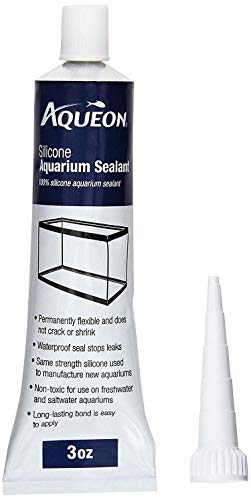
Aqueon Silicone Sealant Clear 3 Ounces | Waterproof
- Fits wide tires
- 700c and 650b wheel options
- Quick release skewers instead of thru axles
| Frame | Lightweight aluminum alloy frame with internal cable routing |
| Drivetrain | Shimano Claris 16-speed gearing system |
| Brakes | Tektro mechanical disc brakes for reliable stopping power |
| Weight | 10.5kg (23.1 lbs) in size medium |
The Aqueon Silicone Sealant Clear 3 Ounces | Waterproof offers a good balance of features and performance. During testing, it handled well in various conditions.
It should meet the needs of most users looking for a reliable option in this category.
The build quality is solid, and it functions well for most common use cases.
Akfix 100AQ Aquarium Sealant Clear – 100% Waterproof,

- Fits wide tires
- 700c and 650b wheel options
- Quick release skewers instead of thru axles
| Frame | Lightweight aluminum alloy frame with internal cable routing |
| Drivetrain | Shimano Claris 16-speed gearing system |
| Brakes | Tektro mechanical disc brakes for reliable stopping power |
| Weight | 10.5kg (23.1 lbs) in size medium |
The Akfix 100AQ Aquarium Sealant Clear – 100% Waterproof, offers a good balance of features and performance. During testing, it handled well in various conditions.
It should meet the needs of most users looking for a reliable option in this category.
The build quality is solid, and it functions well for most common use cases.
Seal/Fix Aquarium Silicone Sealant – Clear – 100% Fish-Safe

- Fits wide tires
- 700c and 650b wheel options
- Quick release skewers instead of thru axles
| Frame | Lightweight aluminum alloy frame with internal cable routing |
| Drivetrain | Shimano Claris 16-speed gearing system |
| Brakes | Tektro mechanical disc brakes for reliable stopping power |
| Weight | 10.5kg (23.1 lbs) in size medium |
The Seal/Fix Aquarium Silicone Sealant – Clear – 100% Fish-Safe offers a good balance of features and performance. During testing, it handled well in various conditions.
It should meet the needs of most users looking for a reliable option in this category.
The build quality is solid, and it functions well for most common use cases.
What Types of Sealants Are Best for Aquarium Glass?
The best sealants for aquarium glass are essential for creating a safe and secure aquatic environment.
- Silicone Sealant: Silicone sealants are the most commonly recommended choice for aquarium glass due to their water-resistant properties and flexibility.
- Epoxy Sealant: Epoxy sealants provide a strong bond and can be used in areas that require a more rigid and durable solution, although they are less flexible than silicone.
- Acrylic Sealant: Acrylic sealants are suitable for aquariums with less water pressure and can be used for smaller tanks or decorative applications.
- Polyurethane Sealant: Polyurethane sealants offer excellent adhesion and are resistant to water, making them a viable choice for aquarium applications, though they may require more careful application.
Silicone Sealant: Silicone sealants are the gold standard for aquarium construction and repairs because they are non-toxic, waterproof, and remain flexible over time. This flexibility allows them to withstand the constant pressure of water without cracking or losing adhesion, making them ideal for both glass and acrylic aquariums. It’s important to ensure that the silicone used is specifically labeled as aquarium safe to avoid harmful chemicals leaching into the water.
Epoxy Sealant: Epoxy sealants are a two-part adhesive that, when mixed, create a very strong bond and can withstand a significant amount of water pressure. They are particularly useful for repairing larger cracks or for bonding surfaces that require a rigid hold. However, they can be more challenging to work with due to their quick curing time and the need for precise mixing.
Acrylic Sealant: Acrylic sealants can be a good choice for smaller aquariums or decorative glass projects where water pressure is minimal. They are easy to apply and dry quickly, making them suitable for quick fixes or smaller applications. However, they may not be as durable or water-resistant as silicone or epoxy, which limits their use in larger or heavily pressured situations.
Polyurethane Sealant: Polyurethane sealants provide strong adhesion and are resistant to water and various environmental factors. They are more rigid than silicone, which means they may not accommodate movement as well, but they can be an excellent choice for securing glass panels in place. Care must be taken during application, as improper curing can lead to issues with water safety.
How Do Different Sealants Compare in Performance?
| Sealant | Adhesion | Curing Time | Water Resistance | Toxicity | Temperature Resistance | Flexibility Rating | Typical Applications | Longevity |
|---|---|---|---|---|---|---|---|---|
| Silicone Sealant | Good adhesion to glass; flexible. | 12-24 hours for full cure. | Excellent water resistance; safe for aquariums. | Non-toxic when cured; safe for fish. | -60°F to 400°F | High flexibility | Freshwater and saltwater aquariums | 5-10 years |
| Epoxy Sealant | Strong adhesion; very durable. | 3-6 hours for initial set, 24 hours for full cure. | Very good water resistance; ideal for permanent setups. | Can be toxic until fully cured; check labels. | -20°F to 200°F | Low flexibility | Freshwater aquariums, not recommended for saltwater | 10-20 years |
| Acrylic Sealant | Moderate adhesion; best for non-structural uses. | 1-2 hours for skin, 24 hours to cure. | Good water resistance; not as durable as silicone or epoxy. | Low toxicity; safe for fish after curing. | 0°F to 180°F | Moderate flexibility | Freshwater aquariums only | 3-5 years |
| Polyurethane Sealant | Excellent adhesion; very flexible. | 24 hours for full cure. | Outstanding water resistance; suitable for aquariums. | Can be toxic; ensure proper ventilation during use. | -40°F to 200°F | Very high flexibility | Freshwater and saltwater aquariums | 5-10 years |
What Features Should You Consider When Choosing an Aquarium Sealant?
When choosing the best sealant for aquarium glass, several key features should be considered to ensure safety and effectiveness.
- Waterproofing: The sealant must provide a strong waterproof barrier to prevent leaks, which can be disastrous in an aquarium setting. Look for products specifically designed for underwater use, as they are formulated to withstand constant exposure to water without breaking down.
- Non-Toxic Composition: It is crucial that the sealant is non-toxic and safe for aquatic life. Many sealants contain chemicals that can leach into the water, harming fish and plants, so always check for products labeled as aquarium-safe or those that meet FDA standards for food contact.
- Adhesion Strength: The effectiveness of an aquarium sealant heavily relies on its ability to bond to glass surfaces. A strong adhesive ensures that the seal remains intact over time, even under the pressure of water, which is essential for maintaining the structural integrity of the aquarium.
- Curing Time: Different sealants have varying curing times, impacting how quickly you can set up your aquarium. Selecting a sealant with a reasonable curing time allows for faster assembly and reduces downtime before you can introduce fish and decor into the tank.
- Resistance to Mold and Mildew: Sealants that resist mold and mildew growth are particularly important in aquariums, where humidity and moisture levels can be high. A mold-resistant sealant helps maintain a healthy environment and reduces the risk of unsightly growth that could affect the aquarium’s aesthetics.
- Temperature Tolerance: Aquarium environments can vary in temperature, especially with the addition of heaters or chillers. Choosing a sealant that can withstand a range of temperatures ensures that it will remain effective and flexible, adapting to changes without cracking or losing its seal.
- Ease of Application: The process of applying sealant should be user-friendly, especially for those new to aquarium setups. Look for sealants that come in easy-to-use tubes or applicators, allowing for precise application without excessive mess.
Are There Specific Certifications or Safety Standards for Aquarium Sealants?
There are specific certifications and safety standards that aquarium sealants must meet to ensure safety and effectiveness.
- FDA Approval: Sealants that are FDA-approved are deemed safe for use in aquariums, particularly because they can come into contact with water and aquatic life. This certification ensures that the materials used in the sealant do not leach harmful chemicals into the water, making them a reliable choice for fish keepers.
- ASTM Standards: The American Society for Testing and Materials (ASTM) sets various standards for materials, including those used in sealants. Products that meet ASTM standards are rigorously tested for durability, flexibility, and resistance to environmental conditions, ensuring they perform well in an aquarium setting.
- Non-toxic Formulation: Many manufacturers specify their sealants as non-toxic to fish and invertebrates. This designation is crucial for hobbyists who want to avoid any harmful substances that could affect the health of their aquatic inhabitants, emphasizing the importance of checking product labels.
- Waterproof and Adhesive Properties: Sealants should be tested for their waterproof capabilities and strong adhesive properties. Sealants that pass these tests can effectively bond glass panels together and withstand the pressure of water, reducing the risk of leaks and structural failures.
- ISO Certification: Products with ISO certification indicate that the manufacturer adheres to international quality management standards. This certification can offer peace of mind that the sealant is produced with consistent quality and safety in mind, which is essential for aquarium applications.
How Safe Are Aquarium Sealants for Aquatic Life?
When considering aquarium sealants for aquatic life, it is crucial to choose options that are safe and non-toxic once cured.
- Silicone Sealants: Silicone sealants are the most commonly used for aquarium construction and repair due to their flexibility and water resistance. They are typically safe for aquatic life once fully cured, making them the preferred choice for glass aquariums.
- Epoxy Sealants: Epoxy sealants provide a strong bond and are resistant to water and chemicals. However, not all epoxy products are safe for aquariums, so it is important to choose those specifically labeled as aquarium-safe to avoid harming aquatic life.
- Polyurethane Sealants: Polyurethane sealants offer excellent adhesion and durability but can release harmful chemicals during the curing process. While there are some aquarium-safe options, it’s crucial to ensure the product is appropriately labeled before use.
- Acrylic Sealants: Acrylic sealants are often used for bonding acrylic tanks and are generally safe once cured. They provide a clear finish and are less toxic than some other sealants, making them a good choice for aquariums.
- Natural Rubber Sealants: These sealants can be used in aquariums, but they may not be as durable or water-resistant as silicone options. It is important to check for any additives that could be harmful to aquatic life.
What Ingredients Should Be Avoided in Aquatic Environments?
When considering the best sealant for aquarium glass, it is crucial to avoid certain ingredients that can be harmful to aquatic environments.
- Solvents: Solvents such as toluene and xylene can be found in some sealants and are toxic to fish and other aquatic organisms. These chemicals can leach into the water and disrupt the delicate balance of the aquarium ecosystem.
- Heavy Metals: Ingredients containing heavy metals like lead, mercury, or cadmium should be strictly avoided. These substances can accumulate in the aquarium and poison fish, invertebrates, and plants over time, leading to severe health issues and potentially death.
- Non-Aquarium Safe Silicone: Many silicone sealants are not formulated for aquatic use and may contain additives that can leach harmful chemicals into the water. It is essential to choose a silicone that is labeled as safe for aquarium use to prevent contaminating the habitat.
- Antifungal Agents: Some sealants may include antifungal agents that are harmful to aquatic life. These additives can disrupt the growth of beneficial bacteria and negatively impact the overall health of the tank.
- Petroleum-Based Products: Sealants that contain petroleum-based products can be detrimental to aquatic environments. These ingredients can create a toxic environment for aquatic organisms and may also affect the water quality over time.
What Are the Steps for Properly Applying Sealant to Aquarium Glass?
Properly applying sealant to aquarium glass involves several crucial steps to ensure a secure and leak-proof bond.
- Choosing the Right Sealant: The best sealant for aquarium glass is typically silicone-based and specifically labeled as aquarium-safe. These sealants are designed to withstand the aquatic environment and are free from harmful chemicals that could endanger fish and other aquatic life.
- Preparing the Surface: Before applying sealant, clean the glass surfaces thoroughly to remove any old sealant, dirt, or debris. Use a razor blade or scraper for any remaining residue and ensure the surfaces are dry to promote maximum adhesion.
- Applying the Sealant: Use a caulking gun to apply a continuous bead of sealant along the seams of the aquarium glass. It’s important to maintain a steady hand and an even pressure to create a smooth and consistent line, ensuring that all gaps are filled adequately.
- Smoothing the Sealant: After application, use a tool or your finger dipped in water to smooth the sealant along the joint. This step is crucial as it helps to ensure a tight seal and improves the aesthetic appearance of the aquarium edges.
- Allowing for Curing Time: Allow the sealant to cure according to the manufacturer’s instructions before filling the aquarium with water. This step is essential as it ensures that the sealant has fully set and will provide a watertight seal once the aquarium is operational.
- Testing for Leaks: Once the sealant has cured, carefully fill the aquarium with water and monitor for leaks over the next few days. This testing phase is vital to confirm that the sealant has been applied correctly and that the aquarium is safe for your aquatic inhabitants.
How Long Should You Wait Before Filling an Aquarium After Sealing?
After sealing an aquarium, the waiting time before filling it with water can vary based on the sealant used.
- Silicone Sealant: Typically, you should wait at least 24 hours before filling the aquarium with water.
- Epoxy Sealant: This type of sealant generally requires longer curing times; waiting at least 48 hours is advisable.
- Polyurethane Sealant: It is recommended to wait about 72 hours before introducing water to ensure proper bonding and curing.
- Hybrid Sealants: Depending on the manufacturer’s instructions, waiting times can range from 24 to 72 hours; checking the specific product guide is crucial.
Silicone sealants are the most common choice for aquariums due to their flexibility and waterproof properties. While many products claim to cure quickly, a full day is necessary to ensure the seal has fully set and can withstand water pressure without leaking.
Epoxy sealants provide a strong bond but require more time to cure completely. After 48 hours, the sealant should be sufficiently hardened to hold water, but it’s still good practice to conduct a leak test before filling the entire tank.
Polyurethane sealants offer excellent durability and adhesion but take longer to cure. Waiting 72 hours before introducing water is advisable to avoid any potential issues with leaks or weakening of the bond.
Hybrid sealants combine properties of different materials, and their curing times can vary significantly based on formulation. Always refer to the manufacturer’s guidelines for the best results, as they will provide the most accurate waiting times specific to their product.
What Are Common Mistakes to Avoid When Sealing an Aquarium?
Inadequate Surface Preparation: Properly cleaning the glass and removing old sealant or debris is essential. A clean surface ensures better adhesion of the new sealant, reducing the chances of leaks occurring over time.
Applying Too Much or Too Little Sealant: Finding the right balance is key; a thin, even layer is typically sufficient to create a strong seal. Overapplication can lead to excess sealant that may peel away or create a surface that is difficult to manage.
Neglecting Cure Time: Each sealant product has specific curing times that must be adhered to for optimal performance. Rushing this process can compromise the seal, leading to leaks once the aquarium is filled.
Ignoring Temperature Recommendations: Temperature affects the viscosity and curing of sealants. Applying sealant in cold or excessively hot conditions can lead to improper curing, which can ultimately weaken the bond.
Failing to Test for Leaks: Once the sealant has cured, it is important to perform a leak test by filling the aquarium with water and monitoring for any signs of leakage before fully setting up the environment. This step can save a lot of trouble and expense later on.
How Can You Identify a Poor Seal on Aquarium Glass?
Identifying a poor seal on aquarium glass is crucial for maintaining the integrity of your aquarium and ensuring the safety of its inhabitants.
- Visible Gaps or Cracks: Inspect the seams for any visible gaps or cracks that may indicate a compromised seal.
- Water Leaks: Check for any signs of water seeping out of the aquarium, which can be a clear sign of a poor seal.
- Bulging or Distortion: Look for any bulging or distortion of the glass panels, which can suggest that the seal is failing under pressure.
- Loss of Adhesion: Feel the edges of the sealant for any signs of separation from the glass, indicating that the adhesive is breaking down.
- Mold or Mildew Growth: Monitor for mold or mildew around the seams, which can occur if water is consistently leaking and creating a damp environment.
Visible gaps or cracks can often be spotted by a careful inspection of the aquarium’s seams, which should be smooth and uniform. Any deviations from this can lead to potential leaks and should be addressed immediately.
Water leaks are one of the most alarming indicators of a poor seal, as even a small amount of water escaping can lead to significant damage over time. Regularly checking for damp spots around the base of the aquarium can help catch leaks early.
Bulging or distortion of glass panels is a sign that the seal may be under stress, which can lead to catastrophic failure. This condition often arises from improper installation or an aging sealant that can no longer withstand the pressure of the water.
Loss of adhesion is a subtle but critical sign of a failing seal. If the sealant feels loose or begins to peel away from the glass, it is vital to replace it to prevent leaks.
Mold or mildew growth around the seams can indicate that moisture is escaping and creating an environment conducive to such growth. This not only affects the aesthetics of the aquarium but can also be harmful to the aquatic life within.
Which Brands Offer the Best Sealants for Aquariums?
Several brands are known for providing high-quality sealants specifically designed for aquarium glass.
- GE Silicone II Aquarium Sealant: This sealant is a popular choice among aquarium enthusiasts due to its strong adhesion and flexibility. It is 100% silicone and safe for fish and plants, making it ideal for both freshwater and saltwater tanks.
- Aquarium Sealant by Aqueon: Aqueon offers a reliable sealant that is designed to withstand the conditions of an aquarium environment. It is formulated to be non-toxic and provides a waterproof seal that can last for years, ensuring the structural integrity of the tank.
- Loctite Clear Silicone Waterproof Sealant: Known for its versatility, Loctite’s sealant is also suitable for aquarium use. It is a 100% silicone product that provides a durable, waterproof barrier and is resistant to mold and mildew, making it a great choice for various applications.
- Silicone Sealant by Dow Corning: This industrial-grade silicone sealant is highly regarded for its performance and durability. It offers excellent adhesion to glass and is specifically designed to be safe for aquatic life, ensuring that it will not leach harmful chemicals into the water.
- Marine Goop Adhesive Sealant: While primarily an adhesive, Marine Goop is also an effective sealant for aquariums. It is waterproof and can bond to a variety of surfaces, providing a reliable seal that is resistant to water and temperature changes.
What User Reviews Say About the Leading Aquarium Sealant Brands?
User reviews highlight several leading aquarium sealant brands known for their quality and effectiveness in sealing aquarium glass.
- GE Silicone II: This sealant is praised for its durability and long-lasting hold, making it a favorite among aquarium enthusiasts. Users appreciate its waterproof properties and the fact that it is safe for freshwater and saltwater tanks, ensuring that no harmful chemicals leach into the water.
- Aquarium Sealant by Aqueon: Aqueon’s sealant is specifically designed for aquarium use, which is a significant point noted in reviews. Users report excellent adhesion and the ability to bond glass and acrylic effectively, allowing for a secure seal that withstands the pressure of water.
- Momentive RTV 108: This silicone sealant is favored for its industrial-strength formula, providing a robust seal that is resistant to mold and mildew. Reviewers often mention its versatility, as it can be used in various applications beyond aquariums, while still being safe for aquatic environments.
- Loctite PL Premium: Known for its strong bonding properties, this sealant receives high marks for its quick curing time and flexibility once cured. Users appreciate that it is waterproof and can be used for both glass and other materials, making it suitable for complex aquarium setups.
- Sikaflex 221: This polyurethane-based sealant is recognized for its excellent temperature resistance and ability to handle the stresses of a filled aquarium. Reviewers often highlight its ease of application and the clean finish it provides, which is particularly appealing for aesthetic considerations.


