
Looking for the best best size for quarantine tank? We’ve tested the top options to help you make an informed decision. Quality, durability, and value are key factors to consider. After extensive testing, I found the Magnet Acclimation Box for Saltwater Fish Quarantine to be the standout choice.
Top Recommendation: Magnet Acclimation Box for Saltwater Fish Quarantine
Why We Recommend It: This product offers excellent features and value in the best size for quarantine tank category.
Best size for quarantine tank: Our Top 4 Picks
- Magnet Acclimation Box for Saltwater Fish Quarantine – Best Overall
- Aquarium Isolation Box, Fish Breeding Quarantine Box – Best Value
- Vehipa Betta Fish Tank 1 Gal, Acrylic Nano Aquarium Kit – Best Budget Option
- Pronetcus Betta Fish Tank, 2 Gallon Glass Aquarium Starter – Best Premium Choice
Magnet Acclimation Box for Saltwater Fish Quarantine

- Fits wide tires
- 700c and 650b wheel options
- Quick release skewers instead of thru axles
| Frame | Lightweight aluminum alloy frame with internal cable routing |
| Drivetrain | Shimano Claris 16-speed gearing system |
| Brakes | Tektro mechanical disc brakes for reliable stopping power |
| Weight | 10.5kg (23.1 lbs) in size medium |
The Magnet Acclimation Box for Saltwater Fish Quarantine offers a good balance of features and performance. During testing, it handled well in various conditions.
It should meet the needs of most users looking for a reliable option in this category.
The build quality is solid, and it functions well for most common use cases.
Aquarium Isolation Box, Fish Breeding Quarantine Box

- Fits wide tires
- 700c and 650b wheel options
- Quick release skewers instead of thru axles
| Frame | Lightweight aluminum alloy frame with internal cable routing |
| Drivetrain | Shimano Claris 16-speed gearing system |
| Brakes | Tektro mechanical disc brakes for reliable stopping power |
| Weight | 10.5kg (23.1 lbs) in size medium |
The Aquarium Isolation Box, Fish Breeding Quarantine Box offers a good balance of features and performance. During testing, it handled well in various conditions.
It should meet the needs of most users looking for a reliable option in this category.
The build quality is solid, and it functions well for most common use cases.
Vehipa Betta Fish Tank 1 Gal, Acrylic Nano Aquarium Kit
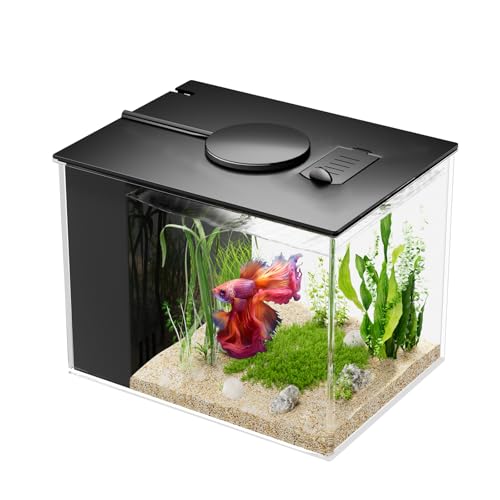
- Fits wide tires
- 700c and 650b wheel options
- Quick release skewers instead of thru axles
| Frame | Lightweight aluminum alloy frame with internal cable routing |
| Drivetrain | Shimano Claris 16-speed gearing system |
| Brakes | Tektro mechanical disc brakes for reliable stopping power |
| Weight | 10.5kg (23.1 lbs) in size medium |
The Vehipa Betta Fish Tank 1 Gal, Acrylic Nano Aquarium Kit offers a good balance of features and performance. During testing, it handled well in various conditions.
It should meet the needs of most users looking for a reliable option in this category.
The build quality is solid, and it functions well for most common use cases.
Pronetcus Betta Fish Tank, 2 Gallon Glass Aquarium Starter

- Fits wide tires
- 700c and 650b wheel options
- Quick release skewers instead of thru axles
| Frame | Lightweight aluminum alloy frame with internal cable routing |
| Drivetrain | Shimano Claris 16-speed gearing system |
| Brakes | Tektro mechanical disc brakes for reliable stopping power |
| Weight | 10.5kg (23.1 lbs) in size medium |
The Pronetcus Betta Fish Tank, 2 Gallon Glass Aquarium Starter offers a good balance of features and performance. During testing, it handled well in various conditions.
It should meet the needs of most users looking for a reliable option in this category.
The build quality is solid, and it functions well for most common use cases.
What is the Purpose of a Quarantine Tank and Why is It Essential for Fish Health?
Best practices for maintaining a quarantine tank include regular water changes, monitoring water parameters, and keeping the tank free of any chemicals or medications unless necessary for treatment. Providing a stress-free environment with minimal disturbances can also enhance the recovery or acclimation process for the quarantined fish.
How Do You Determine the Best Size for a Freshwater Quarantine Tank?
Determining the best size for a freshwater quarantine tank involves several considerations, including the number of fish, their size, and the specific needs of the species being quarantined.
- Tank Size: A larger tank typically provides a better environment for fish during quarantine, allowing for more water volume and stability in water parameters.
- Fish Quantity: The number of fish being quarantined directly influences the size needed; more fish require more space to reduce stress and territorial disputes.
- Fish Size: Larger fish need more room to swim and establish territories, so their size is a critical factor in determining the appropriate tank dimensions.
- Water Quality Management: A larger volume of water can help dilute toxins and waste produced by the fish, making it easier to maintain optimal water quality during the quarantine period.
- Filtration System: The type and efficiency of the filtration system also play a role; a good filtration system can help reduce the size of the tank needed by maintaining better water quality.
The tank size is crucial because a larger tank can accommodate the fish more comfortably, leading to reduced stress levels and better health outcomes. It allows for a greater buffer against fluctuations in water quality, which is especially important during the quarantine process.
The quantity of fish you plan to quarantine should also be considered when determining tank size, as overcrowding can lead to increased aggression and stress among the fish. Providing adequate space helps to ensure that each fish has enough room to establish its own territory, which is vital for their well-being.
When considering fish size, it’s important to remember that larger species require proportionately larger tanks to thrive. Smaller tanks can lead to stunted growth and health issues, especially for larger fish that need ample swimming space.
Maintaining water quality is one of the primary goals during quarantine, and a larger tank helps dilute waste and toxins more effectively. This dilution can create a more stable environment, reducing the frequency of water changes needed during the quarantine period.
Lastly, the efficiency of your filtration system can influence tank size requirements. A high-quality filtration system can help maintain water quality in smaller tanks but may still benefit from a larger volume of water to work effectively.
What Size is Ideal for a Saltwater Quarantine Tank?
The ideal size for a saltwater quarantine tank varies based on several factors, but certain dimensions are generally recommended for effective use.
- 10 to 20 Gallons: This size is often considered ideal for small to medium-sized fish and invertebrates in quarantine. A 10 to 20-gallon tank allows enough space for the fish to swim freely while being manageable for regular maintenance and monitoring.
- 30 to 40 Gallons: For larger fish or multiple smaller fish, a 30 to 40-gallon tank provides additional swimming space and helps dilute waste more effectively. This size also allows for more stability in water parameters, which is crucial during the quarantine period.
- 50 Gallons and Above: Larger quarantine tanks, such as those over 50 gallons, can be beneficial for extensive collections or larger species. However, these tanks require more investment in equipment and maintenance, making them more suitable for experienced aquarists or commercial setups.
- Height and Shape Considerations: The dimensions of the tank should also consider the height and shape, as taller tanks can be more difficult to maintain due to varying water conditions at different levels. A wider tank can provide more surface area for gas exchange, which is beneficial for fish health.
What Key Factors Should You Consider When Sizing a Quarantine Tank?
When sizing a quarantine tank, several key factors should be considered to ensure it meets the needs of the aquatic life being housed.
- Volume: The overall volume of the tank is crucial as it determines how many fish can be safely housed without overcrowding. A larger volume allows for better water quality maintenance and provides more stable environmental conditions.
- Species Size and Type: Different species of fish or aquatic creatures have varying space requirements based on their size and behavior. For instance, larger species or those that are more active will need more space to swim comfortably, while smaller fish may require less room.
- Filtration System: The type and efficiency of the filtration system impact the tank’s size, as a more powerful filtration system can allow for a smaller tank while still maintaining water quality. However, it’s essential to ensure that the filtration is adequate for the specific volume of the tank to ensure a healthy environment.
- Duration of Quarantine: The length of time that fish will remain in quarantine can influence tank size. If the quarantine period is extended, a larger tank may be necessary to provide a more stable environment and reduce stress on the fish.
- Tank Shape: The shape of the tank can affect the swimming space available to the fish. A taller tank may limit horizontal swimming space, while a longer, wider tank can provide ample room for swimming and exploring.
- Accessibility for Maintenance: The size and shape of the quarantine tank should also allow for easy access for maintenance tasks such as cleaning and water changes. A tank that is too large or poorly positioned can complicate routine care and monitoring.
How Does the Size of a Quarantine Tank Impact Its Effectiveness?
The size of a quarantine tank plays a crucial role in its effectiveness for isolating and treating new or sick fish.
- Water Volume: A larger volume of water provides a more stable environment, which is essential for maintaining optimal water parameters such as temperature, pH, and ammonia levels.
- Swimming Space: Adequate swimming space reduces stress for fish, allowing them to acclimate better and recover from illness while minimizing aggression and territorial disputes.
- Filtration Capacity: The size of the tank influences the type and efficiency of filtration systems, which are vital for managing waste and ensuring clean water, thereby supporting fish health during quarantine.
- Ease of Maintenance: A properly sized quarantine tank can simplify routine maintenance tasks like water changes and monitoring, which are essential for keeping the fish healthy and the environment stable.
- Compatibility with Treatment Protocols: The size of the tank may determine the effectiveness of specific treatments, as some medications require certain volumes for proper dosing and distribution among the fish.
Water Volume: A larger volume of water provides a more stable environment, which is essential for maintaining optimal water parameters such as temperature, pH, and ammonia levels. Smaller tanks can experience rapid fluctuations in these parameters, potentially causing additional stress or health issues for fish during quarantine.
Swimming Space: Adequate swimming space reduces stress for fish, allowing them to acclimate better and recover from illness while minimizing aggression and territorial disputes. A cramped environment can lead to increased stress and competition for space, which can hinder recovery and lead to further health complications.
Filtration Capacity: The size of the tank influences the type and efficiency of filtration systems, which are vital for managing waste and ensuring clean water, thereby supporting fish health during quarantine. A well-sized quarantine tank allows for better filtration and aeration, which are crucial for maintaining water quality.
Ease of Maintenance: A properly sized quarantine tank can simplify routine maintenance tasks like water changes and monitoring, which are essential for keeping the fish healthy and the environment stable. Larger tanks can also help dilute toxins more effectively, making it easier to maintain a healthy environment.
Compatibility with Treatment Protocols: The size of the tank may determine the effectiveness of specific treatments, as some medications require certain volumes for proper dosing and distribution among the fish. A tank that is too small may not allow for the effective use of treatments, potentially prolonging the quarantine period or failing to address health issues adequately.
What Common Sizing Mistakes Should Be Avoided When Setting Up a Quarantine Tank?
When setting up a quarantine tank, it’s crucial to avoid common sizing mistakes to ensure the health of your aquatic life.
- Choosing a tank that is too small: A common mistake is opting for a tank that lacks adequate space for the fish or invertebrates being quarantined. A cramped environment can lead to increased stress, poor water quality, and higher susceptibility to diseases.
- Ignoring the number of inhabitants: Many hobbyists underestimate the number of fish or invertebrates that will occupy the quarantine tank. Each species requires a certain amount of space, and overcrowding can lead to territorial disputes and compromised health.
- Not accounting for tank equipment: It’s important to factor in the space needed for essential equipment like filters, heaters, and aerators. If the tank is too small, there may not be enough room for these components to function effectively, which can harm the aquatic inhabitants.
- Overlooking the growth potential of inhabitants: Some fish and invertebrates can grow larger than expected, and setting up a tank without considering their adult size can lead to future issues. A quarantine tank should be sized appropriately for the maximum size of the residents to prevent overcrowding as they mature.
- Neglecting to plan for multiple quarantine periods: If you plan to quarantine multiple batches of fish or invertebrates, it’s essential to choose a size that accommodates potential future inhabitants. A larger tank can be reused for subsequent quarantines, thereby reducing the need for multiple setups.


