
Looking for the best best fish to start a 10 gallon aquarium? We’ve tested the top options to help you make an informed decision. Quality, durability, and value are key factors to consider. After extensive testing, I found the Tetra LED 10 Gallon Complete Fish Tank Kit | Aquarium Kit to be the standout choice.
Top Recommendation: Tetra LED 10 Gallon Complete Fish Tank Kit | Aquarium Kit
Why We Recommend It: This product offers excellent features and value in the best fish to start a 10 gallon aquarium category.
Best fish to start a 10 gallon aquarium: Our Top 4 Picks
- Tetra LED 10 Gallon Complete Fish Tank Kit | Aquarium Kit – Best Overall
- Coospider 10 Gallon Glass Fish Tank, Aquarium Starter Kit, – Best Value
- 10 Gallon Fish Tank Glass Aquarium Lid Filter Lighting | – Best Budget Option
- Vimvins 10 Gallon Glass Small Fish Tank Filter Light and – Best Premium Choice
Tetra LED 10 Gallon Complete Fish Tank Kit | Aquarium Kit

- Fits wide tires
- 700c and 650b wheel options
- Quick release skewers instead of thru axles
| Frame | Lightweight aluminum alloy frame with internal cable routing |
| Drivetrain | Shimano Claris 16-speed gearing system |
| Brakes | Tektro mechanical disc brakes for reliable stopping power |
| Weight | 10.5kg (23.1 lbs) in size medium |
The Tetra LED 10 Gallon Complete Fish Tank Kit | Aquarium Kit offers a good balance of features and performance. During testing, it handled well in various conditions.
It should meet the needs of most users looking for a reliable option in this category.
The build quality is solid, and it functions well for most common use cases.
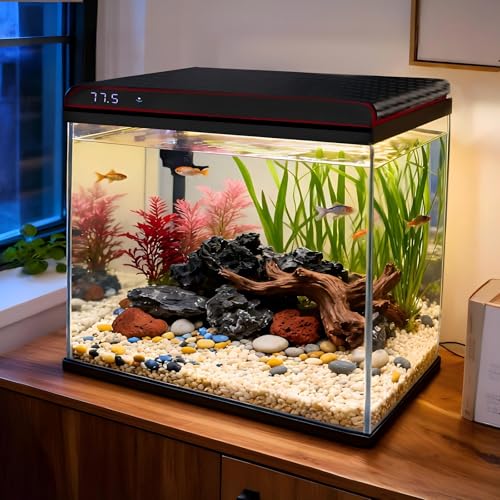
Coospider 10 Gallon Glass Fish Tank, Aquarium Starter Kit,
- Fits wide tires
- 700c and 650b wheel options
- Quick release skewers instead of thru axles
| Frame | Lightweight aluminum alloy frame with internal cable routing |
| Drivetrain | Shimano Claris 16-speed gearing system |
| Brakes | Tektro mechanical disc brakes for reliable stopping power |
| Weight | 10.5kg (23.1 lbs) in size medium |
The Coospider 10 Gallon Glass Fish Tank, Aquarium Starter Kit, offers a good balance of features and performance. During testing, it handled well in various conditions.
It should meet the needs of most users looking for a reliable option in this category.
The build quality is solid, and it functions well for most common use cases.
10 Gallon Fish Tank Glass Aquarium Lid Filter Lighting |

- Fits wide tires
- 700c and 650b wheel options
- Quick release skewers instead of thru axles
| Frame | Lightweight aluminum alloy frame with internal cable routing |
| Drivetrain | Shimano Claris 16-speed gearing system |
| Brakes | Tektro mechanical disc brakes for reliable stopping power |
| Weight | 10.5kg (23.1 lbs) in size medium |
The 10 Gallon Fish Tank Glass Aquarium Lid Filter Lighting | offers a good balance of features and performance. During testing, it handled well in various conditions.
It should meet the needs of most users looking for a reliable option in this category.
The build quality is solid, and it functions well for most common use cases.
Vimvins 10 Gallon Glass Small Fish Tank Filter Light and

- Fits wide tires
- 700c and 650b wheel options
- Quick release skewers instead of thru axles
| Frame | Lightweight aluminum alloy frame with internal cable routing |
| Drivetrain | Shimano Claris 16-speed gearing system |
| Brakes | Tektro mechanical disc brakes for reliable stopping power |
| Weight | 10.5kg (23.1 lbs) in size medium |
The Vimvins 10 Gallon Glass Small Fish Tank Filter Light and offers a good balance of features and performance. During testing, it handled well in various conditions.
It should meet the needs of most users looking for a reliable option in this category.
The build quality is solid, and it functions well for most common use cases.
What Factors Should I Consider When Choosing Fish for a 10 Gallon Aquarium?
When choosing fish for a 10-gallon aquarium, several factors need to be considered to ensure a healthy and vibrant aquatic environment.
- Tank Size: The 10-gallon volume limits the number and size of fish you can keep.
- Fish Compatibility: It’s essential to select species that can coexist peacefully without aggressive behavior.
- Water Conditions: Different fish species require specific water temperatures, pH levels, and hardness.
- Feeding Requirements: Consider the dietary needs of the fish you choose, as some may require special foods or feeding schedules.
- Aquascaping Needs: The type of decorations and plants you want to include can affect fish types that thrive in your tank.
- Activity Level: Some fish are more active than others, which can impact how they utilize the space in your aquarium.
- Experience Level: Beginners may want to choose hardier species that are easier to care for and more forgiving of mistakes.
Tank Size: The 10-gallon volume limits the number and size of fish you can keep. Larger fish or a high number of small fish can lead to overcrowding, which can cause stress and health issues for the fish, so it’s important to adhere to general stocking guidelines.
Fish Compatibility: It’s essential to select species that can coexist peacefully without aggressive behavior. Researching the temperament of potential fish will help avoid conflicts and ensure a harmonious environment, as some species are known to be territorial.
Water Conditions: Different fish species require specific water temperatures, pH levels, and hardness. Ensuring the water parameters match the needs of your chosen fish is crucial for their health and longevity in your aquarium.
Feeding Requirements: Consider the dietary needs of the fish you choose, as some may require special foods or feeding schedules. Understanding the nutritional needs will help you maintain a balanced diet for your fish, promoting growth and vitality.
Aquascaping Needs: The type of decorations and plants you want to include can affect fish types that thrive in your tank. Some fish prefer open swimming spaces, while others require hiding spots or specific types of substrate for their well-being.
Activity Level: Some fish are more active than others, which can impact how they utilize the space in your aquarium. Fish that are constantly swimming may require more room to behave naturally, so it’s vital to consider their activity level when selecting species.
Experience Level: Beginners may want to choose hardier species that are easier to care for and more forgiving of mistakes. Starting with resilient fish can help build confidence and provide a more enjoyable aquarium experience for novice aquarists.
What Are the Best Freshwater Fish for a 10 Gallon Tank?
The best fish to start a 10-gallon aquarium are typically small, peaceful species that thrive in a contained environment.
- Betta Fish: Betta fish, or Siamese fighting fish, are vibrant and hardy, making them an excellent choice for beginners. They prefer warm water and can live alone in a 10-gallon tank, as males are known to be aggressive towards each other. A 10-gallon tank allows for proper swimming space and décor that can enhance their natural behavior.
- Neon Tetras: Neon tetras are small schooling fish that exhibit stunning blue and red coloration, which makes them popular for community tanks. They thrive in groups of at least six and prefer a well-planted aquarium with gentle filtration. Their peaceful nature allows them to coexist well with other non-aggressive species.
- Guppies: Guppies are colorful, lively fish that are easy to care for and breed, making them a great choice for new aquarists. They adapt well to various water conditions and can be kept in groups, which adds to their lively display. Their diverse color patterns also make them visually appealing in a 10-gallon setup.
- Corydoras Catfish: Corydoras catfish are bottom-dwelling fish that help keep the tank clean by scavenging for leftover food. They are social creatures that thrive in groups, so it’s best to keep at least three or four together. Their peaceful demeanor makes them compatible with many other fish species in a community tank.
- Endler’s Livebearers: Endler’s livebearers are similar to guppies but are often smaller and more colorful, making them an attractive option for a smaller aquarium. They are easy to care for and breed in captivity, providing an engaging experience for beginners. These fish are also quite friendly and can coexist with various tank mates without issues.
- Cherry Shrimp: While not a fish, cherry shrimp are an excellent addition to a 10-gallon tank and can coexist peacefully with smaller fish. They help maintain the tank’s cleanliness by eating algae and leftover food, making them beneficial for the aquarium’s ecosystem. Their bright red coloration adds aesthetic appeal to the tank while being easy to care for.
Which Fish Are Ideal for Beginners in a 10 Gallon Aquarium?
The best fish to start a 10-gallon aquarium are typically small, hardy species that thrive in community settings.
- Betta Fish: Betta fish are vibrant and come in various colors, making them a popular choice for beginners.
- Neon Tetras: Neon tetras are small, schooling fish that are known for their striking blue and red coloration and are peaceful in community tanks.
- Guppies: Guppies are colorful and hardy fish that reproduce quickly, providing a lively atmosphere in the aquarium.
- Corydoras Catfish: Corydoras catfish are bottom-dwellers that help keep the tank clean and are known for their friendly nature.
- Zebra Danios: Zebra danios are active and hardy fish that can adapt well to various water conditions, making them perfect for beginners.
Betta fish are vibrant and come in various colors, making them a popular choice for beginners. They are relatively easy to care for, requiring a specific water temperature and quality but can thrive in smaller tanks. However, it’s essential to house them alone or with compatible species, as males can be aggressive towards each other.
Neon tetras are small, schooling fish that are known for their striking blue and red coloration and are peaceful in community tanks. They thrive in groups of six or more, which not only provides them comfort but also enhances the visual appeal of the aquarium. Neon tetras are also hardy and adapt well to various water conditions.
Guppies are colorful and hardy fish that reproduce quickly, providing a lively atmosphere in the aquarium. They come in a variety of colors and patterns, adding vibrancy to any tank setup. Guppies are also social creatures, so it’s best to keep them in groups of at least three to prevent stress.
Corydoras catfish are bottom-dwellers that help keep the tank clean and are known for their friendly nature. They are peaceful and do well in groups, making them ideal companions for other small fish. Corydoras are also excellent scavengers, sifting through substrate for leftover food and helping maintain the aquarium’s cleanliness.
Zebra danios are active and hardy fish that can adapt well to various water conditions, making them perfect for beginners. They are sociable and should be kept in groups, as they thrive on the interaction with their own kind. Their energetic behavior and distinctive stripes make them an exciting addition to a 10-gallon aquarium.
Are There Community Fish That Can Live Harmoniously in a 10 Gallon Aquarium?
There are several community fish that can thrive in a 10-gallon aquarium.
- Betta Fish: Betta fish, especially males, are known for their vibrant colors and flowing fins. They can be kept alone in a 10-gallon tank or with peaceful tank mates, but care must be taken to avoid fin nippers or overly aggressive species.
- Neon Tetras: Neon tetras are small, colorful fish that do well in schools of six or more. They prefer slightly acidic to neutral water and are generally peaceful, making them ideal companions for other small fish in a community setup.
- Guppies: Guppies are hardy, colorful fish that come in many varieties. They breed readily, so it’s best to keep them in a ratio of one male to several females to prevent overcrowding and aggression among males.
- Cherry Shrimp: While not fish, cherry shrimp add color and help keep the tank clean by eating algae. They are peaceful and can coexist with small fish, but they do require hiding spots to feel secure in the aquarium.
- Corydoras Catfish: These small, bottom-dwelling catfish are social and should be kept in groups of three or more. They help clean the substrate and are peaceful, making them perfect for a community tank with small fish.
- Endler’s Livebearers: Similar to guppies, Endler’s livebearers are vibrant and thrive in groups. They are easy to care for and adaptable, making them a great option for beginners in a 10-gallon aquarium.
How Can I Determine the Right Number of Fish for My 10 Gallon Aquarium?
Determining the right number of fish for a 10-gallon aquarium involves considering the species, their adult size, and their compatibility with each other.
- Fish Size: Smaller fish generally allow for a higher stocking density compared to larger species.
- Species Compatibility: Some fish are more territorial or aggressive, which can affect how many you can keep together.
- Bioload: Each fish produces waste, so understanding the bioload is crucial to maintaining water quality.
- Aquascaping and Environment: The layout of your aquarium can influence how many fish can thrive comfortably.
- Recommended Stocking Guidelines: Following general guidelines can help you determine a safe number of fish for your tank.
Fish Size: When considering the size of fish, smaller species such as guppies or neon tetras are ideal for a 10-gallon tank. Larger fish or those that grow significantly can quickly exceed the tank’s capacity, leading to stress and unhealthy conditions.
Species Compatibility: It’s important to choose fish that can coexist peacefully. Some species may be more aggressive or territorial, which can limit the number of fish you can introduce into the aquarium without causing stress or conflict.
Bioload: The bioload refers to the amount of waste produced by the fish in your aquarium. A higher bioload means more frequent water changes and filtration maintenance, so it’s vital to choose species that keep the bioload manageable while ensuring a healthy environment.
Aquascaping and Environment: The way you design your aquarium can impact the number and types of fish you can keep. Providing hiding spots and open swimming areas can help reduce stress and territorial disputes among fish, allowing you to stock a few more than in a bare tank.
Recommended Stocking Guidelines: A common rule of thumb is to allow one inch of fish per gallon of water, although this can vary by species. Researching specific stocking recommendations for the fish you are interested in will help ensure that you maintain a balanced and healthy aquarium ecosystem.
What Are the Basic Care Requirements for Fish in a 10 Gallon Aquarium?
The basic care requirements for fish in a 10-gallon aquarium include water quality management, appropriate filtration, proper feeding, and maintaining a suitable environment.
- Water Quality: Regular monitoring of water parameters such as pH, ammonia, nitrite, and nitrate levels is crucial for fish health.
- Filtration: A reliable filtration system is essential to maintain clean water and provide adequate oxygenation for the fish.
- Feeding: Providing a balanced diet tailored to the specific fish species in the tank is important for their growth and well-being.
- Temperature Control: Maintaining a stable water temperature within the appropriate range for the fish species is vital to prevent stress and illness.
- Aquascaping: Creating a comfortable habitat with plants, rocks, and hiding spots can help reduce stress and promote natural behaviors in fish.
Water quality is the foundation of a healthy aquarium; it should be checked regularly using test kits to ensure levels are within safe ranges. Ammonia and nitrite should be at zero, while nitrate should be kept low to prevent toxic buildup.
Filtration is key to removing waste and uneaten food from the aquarium; a good filter not only cleans the water but also promotes beneficial bacteria that break down harmful substances. It’s important to choose a filter rated for at least a 10-gallon tank to ensure efficiency.
Feeding should be done with high-quality fish food appropriate for the specific species you have, feeding only what they can consume in a few minutes to avoid overfeeding, which can pollute the water. Varying their diet can also help meet nutritional needs.
Temperature control is achieved through heaters or chillers, depending on the fish species; most tropical fish thrive in temperatures between 74-78°F (23-26°C). Sudden temperature fluctuations can be harmful, so using a reliable thermometer is advised.
Aquascaping involves arranging decorations and plants in a way that provides hiding spots and open swimming areas; this not only enhances the tank’s aesthetics but also creates a more natural environment. Live plants can also help improve water quality by absorbing nitrates.
What Common Mistakes Should I Avoid When Starting a 10 Gallon Aquarium?
When starting a 10-gallon aquarium, avoiding common mistakes is crucial for creating a healthy environment for your fish.
- Choosing incompatible fish: Selecting species that do not get along can lead to stress and aggression within the tank. It’s important to research fish compatibility and choose peaceful, community-friendly species that thrive in smaller environments.
- Overstocking the aquarium: Many beginners underestimate how many fish can comfortably live in a 10-gallon tank. Overstocking can lead to poor water quality and increased waste, which can ultimately harm your fish; a general rule is to allow one inch of fish per gallon of water.
- Neglecting the nitrogen cycle: Failing to cycle the aquarium before adding fish can result in toxic ammonia and nitrite levels. It’s essential to establish beneficial bacteria that will convert waste into less harmful substances, ensuring a stable environment for your aquatic life.
- Inadequate filtration: Using a filter that is too weak for your tank size can lead to poor water quality. A good filter helps maintain clean water and provides adequate circulation, which is vital for the health of your fish.
- Ignoring water quality: New aquarists often overlook the importance of regular water testing and maintenance. Parameters such as pH, ammonia, nitrites, and nitrates should be monitored frequently to keep the tank balanced and the fish healthy.
- Skipping acclimation: Introducing fish directly into a new environment without acclimation can shock their systems and lead to mortality. Gradually acclimating your fish to the new water conditions helps them adjust and reduces stress.
- Improper lighting: Using too much or too little light can cause algae blooms or stress fish. Understanding the specific lighting needs of your chosen fish and plants is vital for maintaining a healthy aquarium ecosystem.
- Neglecting tank maintenance: Regular water changes and cleaning are essential for preventing the buildup of harmful substances. Establishing a routine for maintenance helps ensure a stable and healthy environment for your aquatic pets.


