
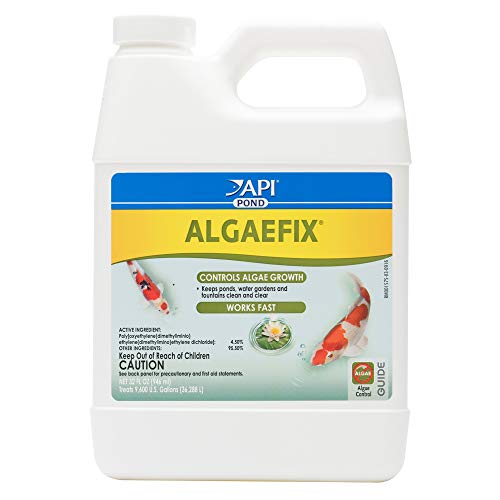
Looking for the best best algaecide for small pond? We’ve tested the top options to help you make an informed decision. Quality, durability, and value are key factors to consider. After extensive testing, I found the API POND ALGAEFIX Pond Algae Control – Copper Free – Clean, to be the standout choice.
Top Recommendation: API POND ALGAEFIX Pond Algae Control – Copper Free – Clean,
Why We Recommend It: This product offers excellent features and value in the best algaecide for small pond category.
Best algaecide for small pond: Our Top 4 Picks
- API POND ALGAEFIX Pond Algae Control – Copper Free – Clean, – Best Overall
- Aquascape Algaecide for Pond, Waterfall, and Water – Best Value
- Fountain Algaecide and Clarifier – 8oz – Kills and Inhibits – Best Budget Option
- Crystal Plex – Lake and Pond Algaecide Treatment – Liquid – Best Premium Choice
API POND ALGAEFIX Pond Algae Control – Copper Free – Clean,
- Fits wide tires
- 700c and 650b wheel options
- Quick release skewers instead of thru axles
| Frame | Lightweight aluminum alloy frame with internal cable routing |
| Drivetrain | Shimano Claris 16-speed gearing system |
| Brakes | Tektro mechanical disc brakes for reliable stopping power |
| Weight | 10.5kg (23.1 lbs) in size medium |
The API POND ALGAEFIX Pond Algae Control – Copper Free – Clean, offers a good balance of features and performance. During testing, it handled well in various conditions.
It should meet the needs of most users looking for a reliable option in this category.
The build quality is solid, and it functions well for most common use cases.
Aquascape Algaecide for Pond, Waterfall, and Water

- Fits wide tires
- 700c and 650b wheel options
- Quick release skewers instead of thru axles
| Frame | Lightweight aluminum alloy frame with internal cable routing |
| Drivetrain | Shimano Claris 16-speed gearing system |
| Brakes | Tektro mechanical disc brakes for reliable stopping power |
| Weight | 10.5kg (23.1 lbs) in size medium |
The Aquascape Algaecide for Pond, Waterfall, and Water offers a good balance of features and performance. During testing, it handled well in various conditions.
It should meet the needs of most users looking for a reliable option in this category.
The build quality is solid, and it functions well for most common use cases.
Fountain Algaecide and Clarifier – 8oz – Kills and Inhibits

- Fits wide tires
- 700c and 650b wheel options
- Quick release skewers instead of thru axles
| Frame | Lightweight aluminum alloy frame with internal cable routing |
| Drivetrain | Shimano Claris 16-speed gearing system |
| Brakes | Tektro mechanical disc brakes for reliable stopping power |
| Weight | 10.5kg (23.1 lbs) in size medium |
The Fountain Algaecide and Clarifier – 8oz – Kills and Inhibits offers a good balance of features and performance. During testing, it handled well in various conditions.
It should meet the needs of most users looking for a reliable option in this category.
The build quality is solid, and it functions well for most common use cases.
Crystal Plex – Lake and Pond Algaecide Treatment – Liquid

- Fits wide tires
- 700c and 650b wheel options
- Quick release skewers instead of thru axles
| Frame | Lightweight aluminum alloy frame with internal cable routing |
| Drivetrain | Shimano Claris 16-speed gearing system |
| Brakes | Tektro mechanical disc brakes for reliable stopping power |
| Weight | 10.5kg (23.1 lbs) in size medium |
The Crystal Plex – Lake and Pond Algaecide Treatment – Liquid offers a good balance of features and performance. During testing, it handled well in various conditions.
It should meet the needs of most users looking for a reliable option in this category.
The build quality is solid, and it functions well for most common use cases.
What is Algae and Why Does it Present a Challenge in Small Ponds?
Algae are simple, typically aquatic organisms that can perform photosynthesis, similar to plants. They can be unicellular or multicellular and are found in a variety of environments, including freshwater ponds. Algae can proliferate rapidly under favorable conditions, leading to what is commonly known as algal blooms.
According to the United States Environmental Protection Agency (EPA), algae are essential to many ecosystems as they produce oxygen and form the base of aquatic food webs. However, excessive growth can lead to negative environmental impacts, particularly in small ponds where nutrient levels and sunlight availability can trigger rapid algal growth.
Key aspects of algae include their ability to reproduce quickly, which can outpace the natural balance of aquatic ecosystems. Factors such as nutrient runoff from fertilizers, warm temperatures, and stagnant water create ideal conditions for algal blooms. In small ponds, this rapid growth can deplete oxygen levels, create unsightly scum, and produce toxins harmful to fish and other aquatic life, creating a challenging scenario for pond management.
The impacts of algal blooms in small ponds are significant. They can lead to fish kills due to oxygen depletion, affect water quality, and disrupt recreational activities such as swimming and fishing. Additionally, some algae produce harmful toxins that can pose health risks to humans and animals, complicating the management of small water bodies.
Statistics show that harmful algal blooms are on the rise, with the National Oceanic and Atmospheric Administration (NOAA) reporting an increase in their frequency and intensity in many U.S. freshwater systems. This trend emphasizes the need for effective management strategies to control algae growth in small ponds. Implementing practices such as reducing nutrient runoff, maintaining proper aeration, and using physical or chemical controls can help mitigate algal blooms.
Choosing the best algaecide for small ponds involves understanding the types of algae present and selecting a product that targets those specific species while being safe for the surrounding environment. Biological controls, such as introducing certain fish species that consume algae, and chemical treatments can significantly reduce algal populations when applied correctly. Regular monitoring and maintenance are essential for sustaining a healthy pond ecosystem and preventing future algal outbreaks.
What Types of Algaecides Can Be Used in Small Ponds?
The best algaecides for small ponds include various chemical and natural options tailored for effective algae control.
- Copper-based Algaecides: These are among the most popular types used in small ponds as they are effective against a wide range of algae. Copper ions disrupt the cellular processes of algae, leading to their death, but care must be taken to avoid harming fish and other aquatic life when used in high concentrations.
- Hydrogen Peroxide: This is a more eco-friendly option that works by releasing oxygen and creating a hostile environment for algae. It breaks down quickly into water and oxygen, making it safe for fish and plants, but may require multiple applications for extensive infestations.
- Beneficial Bacteria: This natural algaecide introduces beneficial bacteria into the pond ecosystem that compete with algae for nutrients, effectively reducing their growth. This method promotes a healthier pond environment, though it may take longer to see results compared to chemical options.
- Barley Straw: When decomposed, barley straw releases compounds that inhibit algae growth, making it a natural method for controlling algae in small ponds. It acts gradually, usually requiring several weeks to months to notice a significant reduction in algae, but it is safe for all aquatic life.
- Ultraviolet (UV) Clarifiers: These devices use UV light to kill algae in the water as it circulates through the filter system. While not a chemical method, UV clarifiers effectively reduce algae blooms and improve water clarity, making them a popular choice for pond owners looking for a more sustainable solution.
How Do Chemical Algaecides Function and What are Their Effects?
Chemical algaecides function by disrupting the cellular processes of algae, leading to their death and subsequent removal from water bodies.
- Copper-Based Algaecides: These algaecides contain copper ions that interfere with the metabolic processes of algae, ultimately causing cell lysis. They are effective against a wide range of algae types in small ponds but can be toxic to fish and other aquatic life if used in high concentrations.
- Quaternary Ammonium Compounds: These algaecides work by damaging the cell membranes of algae, which leads to cell death. While they are less harmful to fish, they can only target certain types of algae, making them less versatile in diverse pond ecosystems.
- Hydrogen Peroxide: This algaecide releases oxygen when decomposed, which can help control algae growth by enhancing oxygen levels in the water. It is generally safer for aquatic life and can improve water quality, but its effectiveness can vary based on the concentration and water conditions.
- Endothall: This algaecide acts by inhibiting photosynthesis in algae, thus preventing their growth and reproduction. Although it can be effective in treating dense algal blooms, it may also affect non-target aquatic plants and requires careful application to minimize ecological impact.
- Flumioxazin: This algaecide disrupts the photosynthetic process in algae, leading to their quick decline. It has a broader spectrum of activity against various algae types and is less harmful to fish, making it a preferred option for small ponds with diverse aquatic life.
What Are the Benefits of Using Natural Algaecides in Ponds?
The benefits of using natural algaecides in ponds include environmental safety, effectiveness, and promoting biodiversity.
- Environmental Safety: Natural algaecides are derived from plant or mineral sources, making them less harmful to aquatic life compared to synthetic alternatives. They do not introduce toxic chemicals into the water, which can disrupt the ecosystem and harm fish and beneficial microorganisms.
- Effectiveness: Many natural algaecides can effectively control algae growth by targeting specific species or by enhancing the natural balance in the pond. For example, certain plant extracts can inhibit the growth of algae while promoting the health of aquatic plants that compete with algae for nutrients.
- Promotion of Biodiversity: By using natural algaecides, the overall biodiversity of the pond can be improved. Healthy ecosystems rely on a variety of organisms, and natural products help maintain this balance, ensuring that beneficial bacteria, plants, and fish thrive alongside controlled algae levels.
- Reduced Risk of Resistance: Natural algaecides are less likely to lead to the development of resistant algae strains. Unlike synthetic chemicals that can promote resistance over time, the diverse modes of action found in natural products encourage a more sustainable approach to algae management.
- Ease of Use: Many natural algaecides are easy to apply and often come in concentrated forms that can be diluted before use. This convenience allows pond owners to manage algae effectively without requiring specialized equipment or extensive knowledge of chemistry.
What Key Factors Should You Consider When Selecting an Algaecide?
When selecting an algaecide for a small pond, several key factors should be taken into account to ensure effective treatment and minimal impact on the aquatic ecosystem.
- Type of Algaecide: Different algaecides target specific types of algae, so it’s crucial to identify whether you are dealing with green algae, blue-green algae (cyanobacteria), or filamentous algae. Some algaecides are broad-spectrum and will work on multiple types, while others are more specialized. Knowing the type of algae present will help you choose the most effective product.
- Active Ingredients: The effectiveness and safety of an algaecide largely depend on its active ingredients. Common active ingredients include copper-based compounds, hydrogen peroxide, and quaternary ammonium compounds. Understanding how these ingredients work and their potential side effects on fish and plant life in your pond is essential for making an informed choice.
- Water Conditions: Factors such as pH levels, temperature, and water hardness can influence how well an algaecide works. Some products perform better in specific conditions, so knowing your pond’s water parameters will help you select an algaecide that is more likely to be effective. Additionally, certain algaecides may have restrictions based on the water conditions, which should be taken into account before application.
- Safety for Aquatic Life: It’s vital to consider how the algaecide will affect fish, plants, and other organisms in your pond. Some products may be harmful to beneficial bacteria or aquatic life, especially if not used according to the manufacturer’s guidelines. Opting for a product labeled as safe for use in ponds can minimize the risk of unintended harm while still effectively controlling algae growth.
- Application Method: Different algaecides come with various application methods, such as granules, liquids, or tablets. The ease of application can impact how effectively the product is used. Consider your own comfort level with the application process and choose a product that fits your needs, whether it requires dilution, spreading, or simply tossing it into the water.
- Environmental Impact: Consider the broader environmental implications of using a particular algaecide. Some products may have lasting effects on the ecosystem, potentially leading to harmful algal blooms or disrupting the natural balance of the pond. Look for environmentally friendly options that are designed to degrade quickly and have minimal impact on the surrounding ecosystem.
- Cost and Availability: Finally, consider the cost of the algaecide and its availability in your area or online. While it may be tempting to choose the cheapest option, it’s important to balance cost with effectiveness and safety. Researching various brands and comparing their prices can help you find a suitable algaecide that fits your budget.
What Are the Most Effective Algaecides Recommended for Small Ponds?
The most effective algaecides recommended for small ponds include:
- Copper Sulfate: Copper sulfate is a widely used algaecide that effectively controls algae growth by disrupting the metabolic processes of the algae. It’s particularly effective against blue-green algae and can be applied as a granular or liquid treatment, but care must be taken to avoid harming fish and other aquatic life in the pond.
- Hydrogen Peroxide: Hydrogen peroxide acts as an oxidizer and is effective in killing algae without leaving harmful residues. When applied in appropriate concentrations, it breaks down quickly and can improve oxygen levels in the water, making it a safe option for ponds that house fish and plants.
- Potassium Salts of Fatty Acids: This natural algaecide works by disrupting the cell membranes of algae, leading to their death. It is safe for use in small ponds with fish and plants, making it a popular choice among pond owners looking for environmentally friendly solutions.
- Barley Straw Extract: Barley straw extract is a natural method that promotes the growth of beneficial bacteria, which can outcompete algae for nutrients. It is not an instant solution but works over time to naturally reduce algae growth without harming aquatic life.
- Quaternary Ammonium Compounds: These compounds are effective against a broad spectrum of algae types and can also help to clarify pond water. However, they must be used carefully as they can be toxic to fish if overdosed, requiring accurate measurements during application.
How Should You Apply Algaecides for Maximum Effectiveness?
To apply algaecides effectively in a small pond, follow these steps for optimal results:
-
Choose the Right Time: Apply algaecides during calm, sunny days when water temperatures are ideally between 60°F and 80°F. Avoid windy conditions to prevent drift and ensure even distribution.
-
Read Manufacturer Instructions: Different products have unique application methods and recommended dosages. Adhere to these guidelines for effective treatment.
-
Pre-Application Preparation: Before applying, remove any visible algae manually. This can enhance the efficacy of the algaecide by allowing it to focus on the remaining algae.
-
Disperse Evenly: Use a sprayer or disperser to distribute the algaecide across the surface of the pond. Pay attention to areas where algae blooms are more concentrated.
-
Water Circulation: Ensure proper circulation in the pond to help mix the algaecide throughout the water. This may involve using pond pumps or fountains to disperse the treatment evenly.
-
Monitor and Repeat: After application, monitor algal growth. Depending on the water conditions and algae type, a second application may be necessary after a week or two.
By implementing these steps, you can enhance the effectiveness of your algaecide treatment in controlling algae growth in a small pond.
What Alternative Methods Can Help Control Algae Without Chemicals?
Alternative methods to control algae in small ponds without the use of chemicals include:
- Biological Control: This method involves introducing natural predators or competitive species that can help keep algae in check.
- Mechanical Removal: Physical methods such as skimming or raking can be effective in reducing algae biomass.
- Water Aeration: Increasing oxygen levels in the water can promote beneficial bacteria that outcompete algae for nutrients.
- Planting Aquatic Vegetation: Adding native plants can help absorb excess nutrients and provide shade, which reduces algae growth.
- UV Clarifiers: These devices use ultraviolet light to kill algae cells and keep water clear without chemicals.
Biological Control: This method introduces organisms such as certain fish (like grass carp) or snails that feed on algae, thereby naturally reducing its population. This approach helps maintain ecological balance and can sustainably manage algae over time.
Mechanical Removal: Skimming the pond surface or using a rake to physically remove algae can provide immediate results. However, this method may need to be repeated regularly to prevent regrowth.
Water Aeration: Aerating the water increases oxygen levels, which fosters a healthy environment for beneficial bacteria. These bacteria can break down organic matter and consume nutrients that would otherwise fuel algae growth, effectively reducing its prevalence.
Planting Aquatic Vegetation: Introducing native plants can help compete with algae for nutrients and light. When plants thrive, they can naturally limit algae growth by shading the water and absorbing nutrients that algae would utilize.
UV Clarifiers: UV clarifiers utilize ultraviolet light to disrupt the reproductive cycle of algae, effectively killing them and clearing the water. They are a chemical-free solution that can maintain clear pond water but require proper installation and maintenance to be effective.
Related Post:

