
Looking for the best best filter for 75 gallon saltwater tank? We’ve tested the top options to help you make an informed decision. Quality, durability, and value are key factors to consider. After extensive testing, I found the Marineland Bio-Wheel Penguin 375 GPH Power Aquarium Filter to be the standout choice.
Top Recommendation: Marineland Bio-Wheel Penguin 375 GPH Power Aquarium Filter
Why We Recommend It: This product offers excellent features and value in the best filter for 75 gallon saltwater tank category.
Best filter for 75 gallon saltwater tank: Our Top 5 Picks
- Marineland Bio-Wheel Penguin 375 GPH Power Aquarium Filter – Best Overall
- 55 Gallon Fish Tank Filter to 100 Gallon Fish Tank Filter | – Best Value
- Veehoo Canister Filters for Aquarium Easy Bottom Drain up – Best Budget Option
- Aqueon PRO QuietFlow Aquarium Power Filter Size 75, Up to – Best Premium Choice
- Large Hang on Back Aquarium Filter w/ U-V 13-Stage for – Best for Beginners
Marineland Bio-Wheel Penguin 375 GPH Power Aquarium Filter

- Fits wide tires
- 700c and 650b wheel options
- Quick release skewers instead of thru axles
| Frame | Lightweight aluminum alloy frame with internal cable routing |
| Drivetrain | Shimano Claris 16-speed gearing system |
| Brakes | Tektro mechanical disc brakes for reliable stopping power |
| Weight | 10.5kg (23.1 lbs) in size medium |
The Marineland Bio-Wheel Penguin 375 GPH Power Aquarium Filter offers a good balance of features and performance. During testing, it handled well in various conditions.
It should meet the needs of most users looking for a reliable option in this category.
The build quality is solid, and it functions well for most common use cases.
55 Gallon Fish Tank Filter to 100 Gallon Fish Tank Filter |

- Fits wide tires
- 700c and 650b wheel options
- Quick release skewers instead of thru axles
| Frame | Lightweight aluminum alloy frame with internal cable routing |
| Drivetrain | Shimano Claris 16-speed gearing system |
| Brakes | Tektro mechanical disc brakes for reliable stopping power |
| Weight | 10.5kg (23.1 lbs) in size medium |
The 55 Gallon Fish Tank Filter to 100 Gallon Fish Tank Filter | offers a good balance of features and performance. During testing, it handled well in various conditions.
It should meet the needs of most users looking for a reliable option in this category.
The build quality is solid, and it functions well for most common use cases.
Veehoo Canister Filters for Aquarium Easy Bottom Drain up

- Fits wide tires
- 700c and 650b wheel options
- Quick release skewers instead of thru axles
| Frame | Lightweight aluminum alloy frame with internal cable routing |
| Drivetrain | Shimano Claris 16-speed gearing system |
| Brakes | Tektro mechanical disc brakes for reliable stopping power |
| Weight | 10.5kg (23.1 lbs) in size medium |
The Veehoo Canister Filters for Aquarium Easy Bottom Drain up offers a good balance of features and performance. During testing, it handled well in various conditions.
It should meet the needs of most users looking for a reliable option in this category.
The build quality is solid, and it functions well for most common use cases.
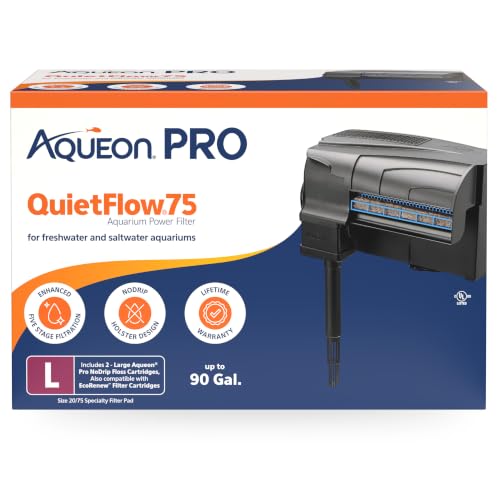
Aqueon PRO QuietFlow Aquarium Power Filter Size 75, Up to
- Fits wide tires
- 700c and 650b wheel options
- Quick release skewers instead of thru axles
| Frame | Lightweight aluminum alloy frame with internal cable routing |
| Drivetrain | Shimano Claris 16-speed gearing system |
| Brakes | Tektro mechanical disc brakes for reliable stopping power |
| Weight | 10.5kg (23.1 lbs) in size medium |
The Aqueon PRO QuietFlow Aquarium Power Filter Size 75, Up to offers a good balance of features and performance. During testing, it handled well in various conditions.
It should meet the needs of most users looking for a reliable option in this category.
The build quality is solid, and it functions well for most common use cases.
Large Hang on Back Aquarium Filter w/ U-V 13-Stage for

- Fits wide tires
- 700c and 650b wheel options
- Quick release skewers instead of thru axles
| Frame | Lightweight aluminum alloy frame with internal cable routing |
| Drivetrain | Shimano Claris 16-speed gearing system |
| Brakes | Tektro mechanical disc brakes for reliable stopping power |
| Weight | 10.5kg (23.1 lbs) in size medium |
The Large Hang on Back Aquarium Filter w/ U-V 13-Stage for offers a good balance of features and performance. During testing, it handled well in various conditions.
It should meet the needs of most users looking for a reliable option in this category.
The build quality is solid, and it functions well for most common use cases.
What Are the Best Filter Types for a 75 Gallon Saltwater Tank?
Protein Skimmer: Essential for saltwater tanks, protein skimmers remove dissolved organic compounds before they break down into harmful substances. By creating microbubbles that attract and trap waste, they significantly improve water quality and clarity, which is vital for the health of marine organisms.
Internal Filter: This type of filter is submerged within the tank and can be a good option for smaller tanks or as a supplemental filtration method. While they are easy to install and maintain, they may require more frequent cleaning to prevent clogging and ensure they continue to function effectively in maintaining water quality.
How Do I Choose the Right Filter for My 75 Gallon Saltwater Tank?
Choosing the right filter for a 75-gallon saltwater tank involves considering several factors that ensure optimal water quality and fish health.
- Type of Filter: There are several types of filters suitable for saltwater tanks, including canister filters, hang-on-back (HOB) filters, and sump filters.
- Flow Rate: The flow rate of the filter is crucial, as it should ideally turn over the water volume at least 5-10 times per hour for a 75-gallon tank.
- Filtration Media: The choice of filtration media is important; options include mechanical, biological, and chemical media that cater to the specific needs of saltwater environments.
- Maintenance Requirements: Different filters have varying maintenance needs, and it’s important to choose one that fits your schedule and willingness to perform regular upkeep.
- Noise Level: For a peaceful aquarium environment, consider the noise level of the filter, especially if the tank is located in a living area.
Type of Filter: Canister filters are popular for larger tanks due to their high capacity and versatility, allowing for multiple types of filtration media. Hang-on-back filters are easier to install and maintain but may not provide as much filtration power as canister or sump systems. Sump filters, which are located below the tank, offer excellent filtration and additional space for equipment but require more setup and plumbing skills.
Flow Rate: For a 75-gallon saltwater tank, a filter with a flow rate of 375 to 750 gallons per hour is ideal. This ensures that the water is adequately circulated and filtered, providing a healthy environment for your marine life. Inadequate flow can lead to dead spots in the tank, where debris accumulates and water quality diminishes.
Filtration Media: Mechanical filtration removes large particles and debris, while biological filtration promotes beneficial bacteria growth that breaks down harmful toxins. Chemical filtration, such as activated carbon, can help remove impurities and odors from the water. A combination of these media types is often recommended for a balanced filtration system.
Maintenance Requirements: Canister filters may require more frequent cleaning and media replacement compared to HOB filters, which typically only need filter cartridge changes. Sump filters can be easier to maintain in some respects, as they allow for easier access to media and equipment, but they do require monitoring of water levels and potential evaporation. Choose a filter that aligns with the level of effort you are willing to invest in maintenance.
Noise Level: While most modern filters are designed to operate quietly, some canister and sump filters can generate more noise due to water movement and equipment operation. If noise is a concern, opt for filters specifically designed to minimize sound, and consider reading reviews to gauge the experiences of other users regarding noise levels. A quieter filter will contribute to a more serene aquarium experience.
What Are the Advantages of Canister Filters for a 75 Gallon Saltwater Tank?
The advantages of canister filters for a 75-gallon saltwater tank include their efficiency, versatility, and ease of maintenance.
- High Filtration Efficiency: Canister filters are known for their ability to effectively remove debris and impurities from the water. They utilize multiple stages of filtration, including mechanical, chemical, and biological processes, ensuring that the water remains clean and clear, which is crucial for maintaining a healthy environment for marine life.
- Versatility: Canister filters are highly versatile and can be customized with different filter media to cater to specific needs. This means that hobbyists can choose from various types of filtration materials, such as activated carbon for chemical filtration or sponge media for biological filtration, making them suitable for various tank setups.
- Space Efficiency: Canister filters are typically placed outside the aquarium, which saves valuable space inside the tank. This is particularly beneficial for a 75-gallon saltwater tank, as it allows for more room for aquascaping and placing decorations, while also keeping the tank looking clean and organized.
- Quiet Operation: Many canister filters are designed to operate quietly, making them ideal for home environments where noise can be a concern. This tranquility allows you to enjoy the beauty of your aquarium without the distraction of loud equipment.
- Easy Maintenance: Maintenance of canister filters is straightforward, as they usually come with easy-to-access compartments for cleaning and replacing filter media. This makes it convenient for aquarium owners to keep their filtration system in optimal condition without too much hassle.
What Are the Benefits of Hang-On-Back Filters for a 75 Gallon Saltwater Tank?
The benefits of hang-on-back filters for a 75 gallon saltwater tank include effective filtration, ease of maintenance, and versatility.
- Effective Filtration: Hang-on-back filters provide mechanical, chemical, and biological filtration, which is essential for maintaining water quality in a saltwater tank. The multiple media options allow for the removal of debris, toxins, and harmful bacteria, ensuring a healthy environment for fish and coral.
- Ease of Maintenance: These filters are designed for easy access and maintenance, making it simple to replace filter media and clean the unit without needing to disrupt the tank setup. This convenience is particularly beneficial for hobbyists who may need to perform regular maintenance on a larger aquarium.
- Versatility: Hang-on-back filters can accommodate various filter media types, allowing for customization based on the specific needs of the aquarium. This adaptability makes them suitable for different setups and fish species, providing flexibility for any aquarist.
- Space-Saving Design: Being mounted outside the tank, hang-on-back filters do not take up valuable space inside the aquarium, allowing for more room for aquascaping and fish. This design is particularly advantageous in a 75 gallon tank where space might be at a premium.
- Affordable Options: Compared to more complex filtration systems like canister filters or sump systems, hang-on-back filters are often more budget-friendly. This affordability makes them accessible for both beginner and experienced aquarists looking to maintain a saltwater environment without excessive investment.
How Can Protein Skimmers Enhance Filtration in a 75 Gallon Saltwater Tank?
Protein skimmers are an essential addition to enhancing filtration in a 75-gallon saltwater tank.
- Removal of Dissolved Organics: Protein skimmers effectively remove dissolved organic compounds (DOCs) from the water before they break down into harmful substances.
- Oxygenation of Water: As protein skimmers operate, they introduce air into the water, which increases oxygen levels, benefiting fish and corals.
- Reduction of Nitrates and Phosphates: By eliminating organic waste, protein skimmers help to reduce nitrates and phosphates, which can lead to algae growth if left unchecked.
- Improvement of Water Clarity: Utilizing a protein skimmer can enhance water clarity by removing particulates and organic matter that cloud the water.
- Support for Beneficial Bacteria: A cleaner tank environment allows beneficial bacteria to thrive, which can further aid in biological filtration and nutrient cycling.
Removal of Dissolved Organics: Protein skimmers work by creating tiny bubbles that attract and bind to dissolved organic compounds. As these bubbles rise to the surface, they carry the organic waste with them, allowing for easy removal from the tank, thus maintaining a healthier aquatic environment.
Oxygenation of Water: The process of skimming involves air being drawn into the skimmer, where it mixes with water to produce bubbles. This action not only removes waste but also enriches the water with oxygen, which is crucial for the survival of aerobic organisms in the aquarium.
Reduction of Nitrates and Phosphates: By continuously removing organic waste before it degrades, protein skimmers help preemptively cut down on the production of nitrates and phosphates in the tank. This is vital for preventing algae blooms, which can disrupt the ecosystem and harm tank inhabitants.
Improvement of Water Clarity: With the removal of particulates and dissolved organics, the water in a saltwater tank becomes clearer and more visually appealing. Clean water not only enhances the aesthetic of the aquarium but also promotes the health of the fish and corals by allowing better light penetration.
Support for Beneficial Bacteria: A protein skimmer creates a cleaner environment that allows beneficial bacteria to flourish. These bacteria play a critical role in breaking down ammonia and nitrites, completing the nitrogen cycle, and ensuring a stable and healthy tank ecosystem.
What Are the Top Recommended Filters for 75 Gallon Saltwater Tanks?
The best filters for a 75-gallon saltwater tank are essential for maintaining water quality and ensuring a healthy aquatic environment.
- Canister Filter: Canister filters are highly efficient and provide excellent filtration for saltwater tanks. They can handle high flow rates and can be customized with various filter media, making them ideal for removing debris, chemicals, and biological waste from the water.
- Hang-on-Back (HOB) Filter: HOB filters are popular for their ease of installation and maintenance. They are effective for mechanical and biological filtration, and their design allows for additional media options, which can enhance water clarity and quality in a saltwater environment.
- Protein Skimmer: A protein skimmer is crucial for saltwater tanks as it removes organic waste before it decomposes in the water. This device works by creating bubbles that attract and remove proteins and other waste, significantly improving water quality and reducing the nutrient load in the tank.
- Sump Filter: Sump filters are a more advanced option that offers extensive filtration capabilities. They can accommodate various types of filter media, and their design allows for additional equipment like heaters and protein skimmers, making them ideal for larger systems or more complex setups.
- Internal Filter: Internal filters are compact and fit directly inside the tank, making them suitable for smaller setups or as supplementary filtration. They provide effective mechanical and biological filtration and can be easily adjusted for flow rate, helping to maintain water circulation in the tank.
How Often Should I Clean or Replace Filters in a 75 Gallon Saltwater Tank?
Maintaining a 75-gallon saltwater tank requires regular cleaning and filter replacement to ensure a healthy environment for marine life.
- Mechanical Filters: Clean or replace every 2-4 weeks.
- Chemical Filters: Change every 4-8 weeks depending on water quality.
- Biological Filters: Monitor regularly, clean as needed but replace only if damaged.
- Protein Skimmers: Clean weekly to bi-weekly for optimal performance.
Mechanical Filters: These filters physically remove debris and particulates from the water. Cleaning them every 2-4 weeks is essential to prevent clogging, which can lead to reduced water flow and efficiency. If using disposable cartridges, it’s advisable to replace them on this schedule to maintain optimal filtration.
Chemical Filters: These filters utilize materials like activated carbon or resin to remove toxins and impurities from the water. They should be changed every 4-8 weeks, as their effectiveness diminishes over time, especially in a saltwater environment where chemical levels can fluctuate significantly.
Biological Filters: These filters provide a habitat for beneficial bacteria that break down harmful ammonia and nitrites. While they do not require frequent cleaning, it’s important to monitor them for effectiveness; replace them only if they become damaged or if performance declines significantly.
Protein Skimmers: Essential for removing organic waste before it decomposes, protein skimmers should be cleaned weekly to bi-weekly. Regular maintenance of the skimmer helps to ensure that it operates efficiently, thereby improving water quality and reducing the frequency of water changes.
Related Post:

