
Looking for the best best filter for fish bowl? We’ve tested the top options to help you make an informed decision. Quality, durability, and value are key factors to consider. After extensive testing, I found the HIERYAN Circular Fish Tank Filter, Aquarium Hang on Filter, to be the standout choice.
Top Recommendation: HIERYAN Circular Fish Tank Filter, Aquarium Hang on Filter,
Why We Recommend It: This product offers excellent features and value in the best filter for fish bowl category.
Best filter for fish bowl: Our Top 5 Picks
- HIERYAN Circular Fish Tank Filter, Aquarium Hang on Filter, – Best Overall
- Circular Fish Tank Filter, Aquarium Hang on Filter, Sponge – Best Value
- DaToo Aquarium Power Filter in-Tank Ultra Silent Small Fish – Best Budget Option
- Tetra Whisper 27 GPH Internal Power Filter For Aquariums | – Best Premium Choice
- UPETTOOLS Mini Submersible Aquarium Filter for Fish Tanks – Best for Beginners
HIERYAN Circular Fish Tank Filter, Aquarium Hang on Filter,

- Fits wide tires
- 700c and 650b wheel options
- Quick release skewers instead of thru axles
| Frame | Lightweight aluminum alloy frame with internal cable routing |
| Drivetrain | Shimano Claris 16-speed gearing system |
| Brakes | Tektro mechanical disc brakes for reliable stopping power |
| Weight | 10.5kg (23.1 lbs) in size medium |
The HIERYAN Circular Fish Tank Filter, Aquarium Hang on Filter, offers a good balance of features and performance. During testing, it handled well in various conditions.
It should meet the needs of most users looking for a reliable option in this category.
The build quality is solid, and it functions well for most common use cases.
Circular Fish Tank Filter, Aquarium Hang on Filter, Sponge

- Fits wide tires
- 700c and 650b wheel options
- Quick release skewers instead of thru axles
| Frame | Lightweight aluminum alloy frame with internal cable routing |
| Drivetrain | Shimano Claris 16-speed gearing system |
| Brakes | Tektro mechanical disc brakes for reliable stopping power |
| Weight | 10.5kg (23.1 lbs) in size medium |
The Circular Fish Tank Filter, Aquarium Hang on Filter, Sponge offers a good balance of features and performance. During testing, it handled well in various conditions.
It should meet the needs of most users looking for a reliable option in this category.
The build quality is solid, and it functions well for most common use cases.
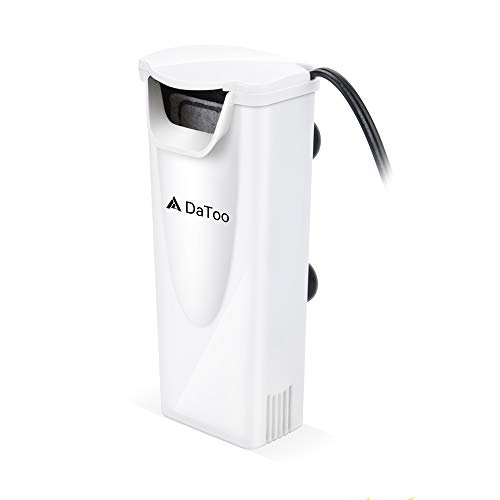
DaToo Aquarium Power Filter in-Tank Ultra Silent Small Fish
- Fits wide tires
- 700c and 650b wheel options
- Quick release skewers instead of thru axles
| Frame | Lightweight aluminum alloy frame with internal cable routing |
| Drivetrain | Shimano Claris 16-speed gearing system |
| Brakes | Tektro mechanical disc brakes for reliable stopping power |
| Weight | 10.5kg (23.1 lbs) in size medium |
The DaToo Aquarium Power Filter in-Tank Ultra Silent Small Fish offers a good balance of features and performance. During testing, it handled well in various conditions.
It should meet the needs of most users looking for a reliable option in this category.
The build quality is solid, and it functions well for most common use cases.
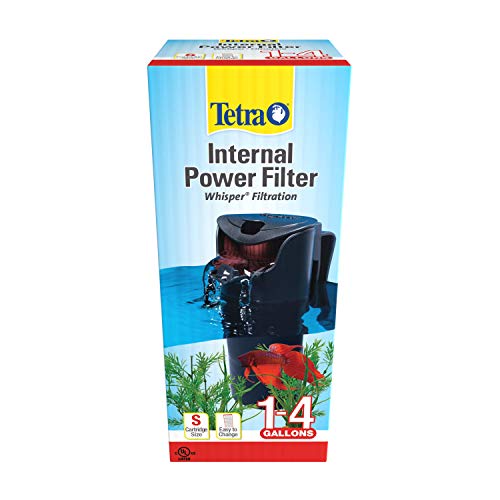
Tetra Whisper 27 GPH Internal Power Filter For Aquariums |
- Fits wide tires
- 700c and 650b wheel options
- Quick release skewers instead of thru axles
| Frame | Lightweight aluminum alloy frame with internal cable routing |
| Drivetrain | Shimano Claris 16-speed gearing system |
| Brakes | Tektro mechanical disc brakes for reliable stopping power |
| Weight | 10.5kg (23.1 lbs) in size medium |
The Tetra Whisper 27 GPH Internal Power Filter For Aquariums | offers a good balance of features and performance. During testing, it handled well in various conditions.
It should meet the needs of most users looking for a reliable option in this category.
The build quality is solid, and it functions well for most common use cases.
UPETTOOLS Mini Submersible Aquarium Filter for Fish Tanks

- Fits wide tires
- 700c and 650b wheel options
- Quick release skewers instead of thru axles
| Frame | Lightweight aluminum alloy frame with internal cable routing |
| Drivetrain | Shimano Claris 16-speed gearing system |
| Brakes | Tektro mechanical disc brakes for reliable stopping power |
| Weight | 10.5kg (23.1 lbs) in size medium |
The UPETTOOLS Mini Submersible Aquarium Filter for Fish Tanks offers a good balance of features and performance. During testing, it handled well in various conditions.
It should meet the needs of most users looking for a reliable option in this category.
The build quality is solid, and it functions well for most common use cases.
What Types of Filters Are Best for Fish Bowls?
The best types of filters for fish bowls include:
- Internal Filters: Internal filters are compact and designed to be submerged within the fish bowl, making them ideal for small spaces.
- Hang-on-Back Filters: Hang-on-back filters are mounted on the back of the tank and provide efficient filtration while being easy to maintain.
- Sponges Filters: Sponge filters are gentle and great for fish bowls, offering both mechanical and biological filtration without creating strong currents.
- Undergravel Filters: Undergravel filters utilize a plate placed under the substrate, allowing beneficial bacteria to thrive and helping to maintain water clarity.
- Air Pumps with Air Stones: While not traditional filters, air pumps combined with air stones can help circulate water in a fish bowl, promoting oxygenation.
Internal filters are a popular choice due to their all-in-one design, which includes a pump and filter media, ensuring that they fit easily into smaller environments without taking up too much space. They also usually come with adjustable flow rates, making them suitable for different fish species.
Hang-on-back filters are beneficial for their powerful filtration capabilities and ease of use, as they effectively remove debris and waste while also allowing for easy access to filter media for cleaning or replacement. This type of filter is typically larger, so it may not be suitable for very small bowls.
Sponge filters are especially favorable in fish bowls housing delicate fish or fry since they provide gentle filtration without strong water currents, which can stress the fish. They also serve as excellent breeding grounds for beneficial bacteria, promoting a healthy tank environment.
Undergravel filters work by drawing water through the substrate, which helps to aerate the gravel and create a natural biological filtration system. However, they require a thicker layer of substrate and can be less effective in very small bowls.
Air pumps with air stones enhance water movement and gas exchange in fish bowls, supporting oxygen levels that are crucial for fish health. While they don’t filter the water in the traditional sense, they can complement other filtration methods effectively.
How Does a Hang-On-Back Filter Benefit My Fish Bowl?
A Hang-On-Back (HOB) filter offers several benefits for maintaining a healthy environment in your fish bowl.
- Efficient Filtration: HOB filters provide mechanical, chemical, and biological filtration, which keeps the water clean and free of harmful toxins. The mechanical aspect removes debris and particulate matter, while the chemical filtration helps eliminate impurities through activated carbon.
- Oxygenation: The design of HOB filters creates surface agitation, which increases oxygen exchange in the water. This is crucial for the well-being of fish as they rely on dissolved oxygen for respiration.
- Easy Maintenance: HOB filters are user-friendly and easy to maintain. Most models have removable filter cartridges, allowing for quick changes and cleaning without disturbing the tank’s ecosystem significantly.
- Space-Saving Design: Since HOB filters hang on the back of the tank, they save valuable space within the bowl. This can be particularly advantageous for smaller fish bowls where space is limited for both equipment and fish.
- Versatility: HOB filters are available in various sizes and flow rates, making them suitable for different types of fish bowls, from small setups to larger aquariums. This versatility allows fish keepers to choose a filter that best suits their specific tank conditions.
In What Situations Is a Sponge Filter the Best Choice?
A sponge filter is an excellent choice for specific situations in maintaining a fish bowl environment.
- Small Aquariums: Sponge filters are ideal for small fish bowls or aquariums, typically under 10 gallons, where space is limited.
- Breeding Tanks: They provide gentle filtration, making them suitable for breeding tanks where fry need protection from strong currents.
- Low-Bio Load Situations: In tanks with fewer fish or plants, sponge filters maintain water quality without over-filtering.
- Low-Energy Environments: Their low power consumption makes sponge filters perfect for environments where energy efficiency is a priority.
- Easy Maintenance: Sponge filters are simple to clean and maintain, making them a great option for novice aquarists.
Sponge filters are ideal for small fish bowls or aquariums, typically under 10 gallons, where space is limited. They take up minimal space and provide adequate filtration without overwhelming the small ecosystem.
They provide gentle filtration, making them suitable for breeding tanks where fry need protection from strong currents. The soft sponge surface is also an excellent area for beneficial bacteria to grow, promoting a healthy environment for baby fish.
In tanks with fewer fish or plants, sponge filters maintain water quality without over-filtering. They help to provide biological filtration without being too aggressive, which can disturb delicate tank inhabitants.
Their low power consumption makes sponge filters perfect for environments where energy efficiency is a priority. They can run on low-wattage pumps, making them economical for long-term use.
Sponge filters are simple to clean and maintain, making them a great option for novice aquarists. Regular rinsing in aquarium water helps keep them clean while preserving beneficial bacteria, making maintenance straightforward and hassle-free.
What Advantages Do Submersible Filter Heaters Offer?
Submersible filter heaters provide several advantages for maintaining optimal conditions in fish bowls.
- Efficient Heating: Submersible filter heaters are designed to provide consistent and efficient heating throughout the aquarium, ensuring that all areas receive the necessary warmth.
- Space-Saving Design: These heaters take up minimal space within the fish bowl, allowing for more room for decorations and aquatic life without compromising the heating capabilities.
- Integrated Filtration: Many submersible filter heaters combine both heating and filtration functions, which simplifies the setup and maintenance of the aquarium while ensuring clean and warm water.
- Adjustable Temperature Settings: Most models come with adjustable temperature controls, allowing aquarists to set and maintain the ideal water temperature for their specific fish species.
- Safety Features: Submersible filter heaters often include safety features such as automatic shut-off mechanisms to prevent overheating and damage to the fish or equipment.
Efficient heating is crucial for aquatic life, and submersible filter heaters excel in maintaining a uniform temperature, which is vital for the health of fish, as fluctuations can lead to stress or illness.
The space-saving design is particularly beneficial for smaller fish bowls where space is limited; this feature allows hobbyists to enhance the aesthetic appeal of their setup without overcrowding it.
With integrated filtration, these heaters simplify aquarium maintenance by reducing the number of devices needed, providing both clean water and optimal temperature in one unit.
Adjustable temperature settings give aquarists the flexibility to cater to the specific needs of various fish species, ensuring a comfortable environment for their aquatic pets.
Safety features are essential for preventing accidents; the automatic shut-off mechanisms help protect both the fish and the heating equipment from potential hazards, promoting a safer aquarium environment.
What Factors Should Be Considered When Choosing a Fish Bowl Filter?
When choosing the best filter for a fish bowl, several factors should be considered to ensure the health and well-being of the aquatic inhabitants.
- Size of the Fish Bowl: The size of the fish bowl is crucial as it determines the type and size of the filter that can be effectively used. A filter that is too powerful for a small bowl can create strong currents, stressing the fish, while a small filter may not adequately clean larger bowls.
- Type of Filter: There are different types of filters, such as internal, external, and sponge filters, each with its own advantages. Internal filters are compact and fit inside the bowl, while external filters are more powerful and suited for larger setups, and sponge filters provide gentle filtration ideal for smaller fish bowls.
- Flow Rate: The flow rate of a filter, measured in gallons per hour (GPH), should match the needs of the fish bowl. A filter with an appropriate flow rate ensures effective water circulation without overwhelming the fish, promoting a healthy environment.
- Filtration Method: Effective filtration involves mechanical, biological, and sometimes chemical processes. Biological filtration is essential for maintaining beneficial bacteria that process waste, while mechanical filtration removes debris, and chemical filtration can help manage impurities in the water.
- Noise Level: The noise produced by the filter can impact the overall tranquility of the environment, especially in a home setting. Some filters are designed to operate quietly, which is an important consideration for those looking to maintain a peaceful atmosphere.
- Maintenance Requirements: The ease of maintenance is another factor to consider, as some filters require more frequent cleaning and upkeep than others. A filter that is easy to disassemble and clean will save time and effort, making it more user-friendly for fish owners.
- Price and Quality: The cost of the filter should align with its quality and performance. Investing in a reputable brand may offer better durability and efficiency, ultimately benefiting the health of the fish in the long run.
How Does the Size of My Fish Bowl Influence Filter Selection?
- Filtration Capacity: The capacity of the filter must match the size of the fish bowl to ensure adequate water circulation and cleanliness.
- Flow Rate: The flow rate of the filter should be appropriate for the bowl size to avoid stressing the fish while maintaining effective filtration.
- Filter Type: Different types of filters, such as sponge filters or internal filters, can be more suitable for smaller bowls compared to larger tanks.
- Space Availability: The physical dimensions of the fish bowl might limit the size and type of filter you can install without compromising the aesthetic or usable space.
- Maintenance Requirements: Larger filters may require more maintenance, and the size of your bowl can dictate how often and how easily you can perform upkeep.
Filtration Capacity: The filter’s capacity is crucial because it determines how much water can be processed effectively. For smaller bowls, a filter that can handle less water volume is ideal, ensuring that it can remove toxins and waste without overwhelming the system.
Flow Rate: The flow rate refers to how quickly the filter can move water through it, which is essential for maintaining water quality. In smaller bowls, a high flow rate can create strong currents that stress fish, so it’s important to choose a filter that allows for gentle water movement.
Filter Type: The type of filter is vital as some designs are more suitable for small environments. Sponge filters are often recommended for smaller bowls due to their gentle filtration and aeration capabilities, while internal filters can be compact but may need careful selection to avoid excess flow.
Space Availability: The physical space in your fish bowl can limit the size and functionality of the filter you can use. It’s important to select a filter that fits comfortably without taking up too much room or interfering with the fish’s swimming space.
Maintenance Requirements: Different filters have varying maintenance needs, and larger filters may require frequent cleaning. In smaller bowls, you should consider how easy it will be to access and maintain the filter without disturbing the fish or the tank setup.
Why Is Flow Rate Important for Fish Bowl Filters?
According to the American Aquarium Products, maintaining an appropriate flow rate is crucial for the biological filtration process, as it helps in the breakdown of harmful ammonia and nitrites produced by fish waste. Insufficient flow can lead to stagnant areas, resulting in poor water quality and increased stress for fish, while excessive flow can disrupt their natural behavior and make it difficult for them to swim comfortably.
The underlying mechanism involves the interaction between water movement and the biological filter media. When water passes through the filter at an optimal flow rate, beneficial bacteria that break down toxins are effectively nourished and distributed throughout the tank. If the flow is too slow, these bacteria may not receive enough nutrients, leading to a buildup of harmful substances. Conversely, if the flow is too fast, it can wash away these bacteria, reducing their effectiveness and destabilizing the tank’s ecosystem. This delicate balance is essential for creating a healthy environment for fish.
How Do Different Fish Species Affect Filter Choices?
Different fish species have varying needs that can influence the choice of filter for a fish bowl.
- Goldfish: Goldfish produce a high amount of waste, which can lead to poor water quality if not managed properly. A filter that provides strong mechanical and biological filtration is essential to keep the water clean and oxygenated, making an aquarium sponge filter or a canister filter a good choice.
- Tropical Fish: Many tropical fish prefer a softer water flow, so a filter with adjustable flow rates is ideal. A hang-on-back filter or a sponge filter can provide adequate filtration while maintaining a gentle current, ensuring the fish remain stress-free.
- Betta Fish: Betta fish thrive in calm waters, so filters that create excessive turbulence can be harmful. A low-flow sponge filter or a small hang-on-back filter with a baffle can provide necessary filtration without disturbing the fish’s environment.
- Community Fish: In a community tank with various species, choosing a filter that balances flow and filtration is vital. A versatile canister filter can cater to the diverse needs of the fish by providing strong filtration while allowing for flow adjustments, benefiting all the inhabitants.
- Small Fish Species: Small fish, such as guppies and neon tetras, require filtration that won’t overpower them. A gentle sponge filter or a small internal filter can effectively keep the water clean while ensuring the fish are not swept away by strong currents.
What Are the Key Benefits of Using a Filter in a Fish Bowl?
The key benefits of using a filter in a fish bowl include improved water quality, enhanced fish health, and reduced maintenance efforts.
- Improved Water Quality: A filter helps to maintain the clarity and cleanliness of the water by removing debris, uneaten food, and fish waste. This process prevents the buildup of harmful toxins, ensuring a healthier environment for the fish.
- Enhanced Fish Health: By promoting better water quality, a filter contributes to the overall well-being of the fish. Clean water reduces stress and the risk of diseases, allowing fish to thrive and exhibit natural behaviors.
- Reduced Maintenance Efforts: With a filter in place, the frequency of water changes can be decreased, making it easier for fish owners to maintain their tanks. Filters automate a significant part of the cleaning process, allowing for a more stable and manageable aquarium setup.
- Oxygenation of Water: Many filters also increase water movement, which helps to improve oxygen exchange at the surface. This oxygenation is essential for fish respiration and overall health, as fish require dissolved oxygen in the water to survive.
- Biological Filtration: Filters provide a habitat for beneficial bacteria that break down harmful ammonia and nitrites produced by fish waste. This biological filtration process is crucial for establishing a balanced ecosystem within the fish bowl.
How Can a Filter Improve the Water Quality in My Fish Bowl?
A filter can significantly enhance the water quality in your fish bowl by removing harmful substances and promoting a healthier environment for your fish.
- Mechanical Filtration: This process involves the physical removal of debris, uneaten food, and waste products from the water. Mechanical filters use sponges or filter pads to trap particles, making the water clearer and reducing the buildup of harmful substances.
- Chemical Filtration: Chemical filtration uses activated carbon or other media to remove toxins and impurities from the water. This type of filtration can help eliminate odors and discoloration, improving the overall aesthetic and health of the fish bowl.
- Biological Filtration: This filtration method involves beneficial bacteria that break down harmful ammonia and nitrite produced by fish waste. By establishing a balanced ecosystem, biological filters help maintain stable water conditions, crucial for the long-term well-being of your fish.
- Air Pump Filters: These filters utilize an air pump to create bubbles that agitate the water surface, enhancing oxygen exchange. This not only helps maintain oxygen levels but also supports beneficial bacteria growth, further improving the overall water quality.
- Submersible Filters: Submersible filters are designed to be placed underwater and often combine mechanical, chemical, and biological filtration in one unit. Their compact design makes them ideal for small fish bowls while effectively maintaining clean and clear water.
What Maintenance Benefits Come with Using a Filter?
Using a filter in a fish bowl offers several maintenance benefits that enhance the health of the aquatic environment.
- Water Clarity: A filter helps to remove debris and particulates from the water, ensuring it remains clear and visually appealing. This clarity not only improves the aesthetic of the fish bowl but also allows for better observation of the fish and their behaviors.
- Biological Filtration: Filters provide a medium for beneficial bacteria to grow, which aids in breaking down harmful ammonia and nitrites produced by fish waste. This process, known as biological filtration, is crucial for maintaining a stable and healthy environment for fish, preventing toxic buildup that can lead to stress or illness.
- Oxygenation: Filters agitate the water surface, promoting oxygen exchange between the water and air. Enhanced oxygen levels are vital for fish health, as they rely on dissolved oxygen for respiration, leading to increased vitality and activity levels.
- Reduced Frequency of Water Changes: With effective filtration, the overall water quality improves, lessening the frequency of water changes needed to maintain a clean environment. This not only saves time and effort for the fish keeper but also helps to stabilize the water conditions, reducing stress for the fish.
- Removal of Odors: Filters can help eliminate unpleasant odors caused by organic waste decomposing in the water. By maintaining better water quality, filters contribute to a more pleasant atmosphere around the fish bowl, making it more enjoyable for both the owner and visitors.
- Temperature Regulation: Some filters include a heater function that helps maintain a stable water temperature, which is essential for the well-being of tropical fish. Consistent temperatures prevent stress and promote healthy metabolic rates in fish, contributing to their overall health and longevity.
How Do I Select the Right Filter for My Fish Bowl?
Selecting the right filter for your fish bowl is crucial for maintaining a healthy aquatic environment.
- Size of the Filter: The size of the filter should be appropriate for the volume of water in your fish bowl. A filter that is too powerful may create strong currents that stress the fish, while one that is underpowered will not adequately clean the water.
- Type of Filter: There are various types of filters available, including sponge, internal, and hang-on-back filters. Sponge filters are excellent for small bowls and provide biological filtration, while internal filters are compact and effective, and hang-on-back filters offer powerful filtration but may require more space.
- Filtration Capacity: It’s important to choose a filter that can handle the specific needs of your fish bowl. Look for filters that can process the water volume several times per hour; this ensures that waste and toxins are removed efficiently.
- Noise Level: Some filters can be noisy, which might disturb both you and your fish. Opt for a filter known for quiet operation to maintain a peaceful environment.
- Maintenance Requirements: Consider how easy the filter is to clean and maintain. Filters that require frequent cleaning or complicated maintenance can become burdensome, so look for models with user-friendly designs.
- Price and Quality: A higher price does not always guarantee better quality, but investing in a reputable brand can ensure durability and effectiveness. Balance your budget with the need for reliable filtration to protect your fish.


