
Looking for the best best filter for nano planted tank? We’ve tested the top options to help you make an informed decision. Quality, durability, and value are key factors to consider. After extensive testing, I found the FZONE Aquarium Filter Kit, 48 GPH External Canister Filter to be the standout choice.
Top Recommendation: FZONE Aquarium Filter Kit, 48 GPH External Canister Filter
Why We Recommend It: This product offers excellent features and value in the best filter for nano planted tank category.
Best filter for nano planted tank: Our Top 5 Picks
- FZONE Aquarium Filter Kit, 48 GPH External Canister Filter – Best Overall
- DaToo Aquarium Hang On Filter Small Fish Tank Hanging – Best Value
- Zoo Med Nano 10 External Canister Filter, up to 10 – Best Budget Option
- NICREW Internal Aquarium Filter for Fish Tank up to 5 – Best Premium Choice
- hygger Quiet Hang On Back Aquarium Filter 5-30 Gallon Small – Best for Beginners
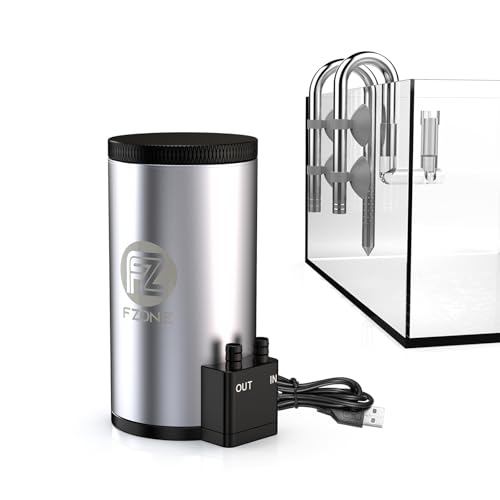
FZONE Aquarium Filter Kit, 48 GPH External Canister Filter
- Fits wide tires
- 700c and 650b wheel options
- Quick release skewers instead of thru axles
| Frame | Lightweight aluminum alloy frame with internal cable routing |
| Drivetrain | Shimano Claris 16-speed gearing system |
| Brakes | Tektro mechanical disc brakes for reliable stopping power |
| Weight | 10.5kg (23.1 lbs) in size medium |
The FZONE Aquarium Filter Kit, 48 GPH External Canister Filter offers a good balance of features and performance. During testing, it handled well in various conditions.
It should meet the needs of most users looking for a reliable option in this category.
The build quality is solid, and it functions well for most common use cases.
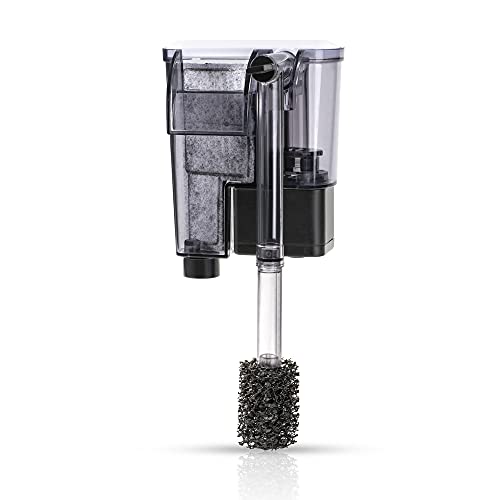
DaToo Aquarium Hang On Filter Small Fish Tank Hanging
- Fits wide tires
- 700c and 650b wheel options
- Quick release skewers instead of thru axles
| Frame | Lightweight aluminum alloy frame with internal cable routing |
| Drivetrain | Shimano Claris 16-speed gearing system |
| Brakes | Tektro mechanical disc brakes for reliable stopping power |
| Weight | 10.5kg (23.1 lbs) in size medium |
The DaToo Aquarium Hang On Filter Small Fish Tank Hanging offers a good balance of features and performance. During testing, it handled well in various conditions.
It should meet the needs of most users looking for a reliable option in this category.
The build quality is solid, and it functions well for most common use cases.
Zoo Med Nano 10 External Canister Filter, up to 10

- Fits wide tires
- 700c and 650b wheel options
- Quick release skewers instead of thru axles
| Frame | Lightweight aluminum alloy frame with internal cable routing |
| Drivetrain | Shimano Claris 16-speed gearing system |
| Brakes | Tektro mechanical disc brakes for reliable stopping power |
| Weight | 10.5kg (23.1 lbs) in size medium |
The Zoo Med Nano 10 External Canister Filter, up to 10 offers a good balance of features and performance. During testing, it handled well in various conditions.
It should meet the needs of most users looking for a reliable option in this category.
The build quality is solid, and it functions well for most common use cases.
NICREW Internal Aquarium Filter for Fish Tank up to 5

- Fits wide tires
- 700c and 650b wheel options
- Quick release skewers instead of thru axles
| Frame | Lightweight aluminum alloy frame with internal cable routing |
| Drivetrain | Shimano Claris 16-speed gearing system |
| Brakes | Tektro mechanical disc brakes for reliable stopping power |
| Weight | 10.5kg (23.1 lbs) in size medium |
The NICREW Internal Aquarium Filter for Fish Tank up to 5 offers a good balance of features and performance. During testing, it handled well in various conditions.
It should meet the needs of most users looking for a reliable option in this category.
The build quality is solid, and it functions well for most common use cases.
hygger Quiet Hang On Back Aquarium Filter 5-30 Gallon Small

- Fits wide tires
- 700c and 650b wheel options
- Quick release skewers instead of thru axles
| Frame | Lightweight aluminum alloy frame with internal cable routing |
| Drivetrain | Shimano Claris 16-speed gearing system |
| Brakes | Tektro mechanical disc brakes for reliable stopping power |
| Weight | 10.5kg (23.1 lbs) in size medium |
The hygger Quiet Hang On Back Aquarium Filter 5-30 Gallon Small offers a good balance of features and performance. During testing, it handled well in various conditions.
It should meet the needs of most users looking for a reliable option in this category.
The build quality is solid, and it functions well for most common use cases.
What Factors Should You Consider When Selecting the Best Filter for a Nano Planted Tank?
When selecting the best filter for a nano planted tank, several factors need to be considered to ensure optimal water quality and plant health.
- Filter Type: The main types of filters include hang-on-back (HOB), canister, and sponge filters. HOB filters are easy to install and maintain, making them ideal for beginners, while canister filters offer superior filtration capabilities for more advanced setups. Sponge filters provide gentle filtration and are great for breeding tanks and small fish populations.
- Flow Rate: The flow rate of the filter should be suitable for the tank size and the needs of the plants and fish. A flow rate that is too high can disturb delicate plant life and create stress for fish, while a flow rate that is too low may not adequately filter the water. Generally, a flow rate of 3-5 times the tank volume per hour is recommended for nano tanks.
- Filtration Media: The type of filtration media used in the filter plays a crucial role in maintaining water quality. Mechanical media removes debris, biological media supports beneficial bacteria growth, and chemical media can remove impurities and toxins. In a planted tank, a combination of these media types is often the best approach for comprehensive filtration.
- Size and Aesthetics: The physical size of the filter should be proportionate to the nano tank, as a bulky filter can disrupt the aesthetic appeal. Compact designs are preferred for smaller tanks to maintain a clean and unobtrusive look. Additionally, some filters come in various colors and styles, allowing you to choose one that complements your tank’s design.
- Noise Level: The noise produced by the filter can be a significant factor, especially if the tank is located in a living area or bedroom. Look for filters that are specifically designed to operate quietly, as excessive noise can be disruptive. Many modern filters utilize advanced technology to minimize sound without sacrificing performance.
- Ease of Maintenance: Consider how easy it is to clean and maintain the filter. Some filters have removable parts or easy access to the filtration media, making routine maintenance simpler. Filters that require less frequent cleaning or that are easy to disassemble can save time and effort in the long run.
- Cost: Budget is always a consideration when selecting equipment for an aquarium. While it can be tempting to go for the cheapest option, investing in a quality filter often pays off in terms of performance and longevity. Assess the long-term costs, including replacement media and electricity consumption, when determining your budget.
How Does the Size of the Filter Impact Your Nano Planted Tank’s Health?
The size of the filter plays a crucial role in maintaining the health of a nano planted tank.
- Water Flow Rate: The flow rate of the filter must be appropriate for a nano tank to prevent disturbance to delicate plants and inhabitants.
- Filtration Capacity: A filter’s capacity must be sufficient to handle the bioload of the tank, ensuring that beneficial bacteria can thrive and break down waste effectively.
- Size and Space Considerations: The physical size of the filter should fit the tank’s dimensions without overcrowding, allowing for adequate light and space for plant growth.
- Type of Filtration: Different types of filtration (mechanical, biological, chemical) are essential for a balanced ecosystem, and their effectiveness can be influenced by the filter size.
Water Flow Rate: In a nano planted tank, excessive water flow can uproot plants and stress fish, so selecting a filter that provides gentle circulation is vital. Filters with adjustable flow rates are often ideal, as they can be tailored to suit the specific needs of the tank’s inhabitants.
Filtration Capacity: The filtration capacity should correspond to the size of the tank and the number of fish and plants. A filter that is too small may not adequately process waste, leading to poor water quality and unhealthy conditions for both aquatic plants and fish.
Size and Space Considerations: Filters come in various sizes, and selecting one that complements the tank’s dimensions is important. A filter that takes up too much space can limit the area available for plants to grow and may obstruct light, which is essential for photosynthesis.
Type of Filtration: Effective filtration in a nano planted tank typically includes mechanical, biological, and sometimes chemical filtration. Each type serves a unique purpose; for example, mechanical filtration removes debris, biological filtration supports beneficial bacteria, and chemical filtration can eliminate toxins, all of which can be influenced by the size of the filter used.
What Role Does Flow Rate Play in Maintaining a Healthy Nano Planted Tank?
- Water Circulation: Adequate flow rate ensures that water is evenly distributed throughout the tank, preventing stagnant areas where debris can accumulate. This circulation helps maintain consistent water parameters, which is vital for the health of both plants and aquatic life.
- Nutrient Distribution: Plants in a nano planted tank rely on the even distribution of nutrients for optimal growth. A well-calibrated flow rate facilitates the movement of fertilizers and CO2, allowing plants to absorb these essential resources effectively and thrive.
- Gas Exchange: Proper flow helps with gas exchange at the water’s surface, which is important for oxygenating the water and allowing carbon dioxide to enter, both of which are necessary for the photosynthesis process in aquatic plants. Insufficient flow can lead to low oxygen levels, negatively impacting both fish and plant health.
- Waste Removal: A suitable flow rate assists in the movement of waste particles toward the filter, where they can be removed from the tank. This helps maintain water clarity and quality, minimizing the risk of algae blooms and unhealthy conditions for the tank’s inhabitants.
- Aquascaping Considerations: When setting up a nano planted tank, the flow rate must be considered in relation to the specific plants and fish species being kept. Some plants prefer gentle flow, while others may thrive in stronger currents, making it essential to choose the right filter and adjust flow rates accordingly.
What Types of Filters Are Most Effective for Nano Planted Tanks?
The best filters for nano planted tanks include several types that cater to the unique needs of small aquatic environments.
- Hang-on-back (HOB) Filters: These are popular for nano tanks due to their compact size and ease of installation. They provide efficient mechanical and biological filtration while allowing for surface agitation, which helps oxygenate the water.
- Canister Filters: Canister filters are versatile and powerful, making them suitable for larger nano tanks or those with higher bioloads. They offer customizable filtration options and can be tucked away out of sight, maintaining the aesthetic of the planted tank.
- Internal Filters: These filters are designed to be submerged within the tank, taking up minimal space and providing good filtration for smaller setups. They are often adjustable and can offer both mechanical and biological filtration, making them ideal for low-maintenance nano tanks.
- sponge Filters: Sponge filters are a great choice for nano planted tanks, especially those with delicate or small fish. They provide gentle water flow and excellent biological filtration, while the sponge material offers a habitat for beneficial bacteria.
- Surface Skimmers: While not a primary filter, surface skimmers can be beneficial in nano planted tanks by removing organic debris and preventing the buildup of film on the water surface. They help maintain water quality and clarity, which is crucial for plant health.
Why Are Sponge Filters Ideal for Nano Planted Tanks?
Sponge filters are often considered the ideal choice for nano planted tanks due to several key advantages:
-
Gentle Filtration: The gentle flow produced by sponge filters helps to maintain a calm environment for aquatic plants and small fish. This prevents the disruption of delicate roots and sediments, promoting healthy plant growth.
-
Biological Filtration: Sponge filters provide ample surface area for beneficial bacteria to colonize, enhancing biological filtration. This is crucial in a nano tank where balancing water parameters is vital for the health of both plants and inhabitants.
-
Easy Maintenance: Cleaning sponge filters is straightforward. Simply rinse the sponge in tank water to preserve the beneficial bacteria, ensuring minimal disruption to the tank’s ecosystem.
-
Cost-Effective: Generally more affordable than other filtration options, sponge filters are budget-friendly while still providing essential filtration duties.
-
Aeration: As water is drawn through the sponge, it creates movement that helps oxygenate the water. This is beneficial for both fish and plant life in a nano setup.
All these factors make sponge filters a practical option for maintaining an optimal environment in a nano planted tank, ensuring both flora and fauna thrive.
What Are the Benefits of Hang-On-Back Filters for Small Aquariums?
The benefits of Hang-On-Back (HOB) filters for small aquariums include effective filtration, ease of maintenance, and versatility in design.
- Effective Filtration: HOB filters provide mechanical, biological, and chemical filtration, making them suitable for maintaining water quality in nano planted tanks. The design allows for efficient water flow, ensuring that all areas of the tank are filtered and that beneficial bacteria can flourish in the filter media.
- Ease of Maintenance: These filters are easy to install and maintain, which is particularly advantageous for beginners or those with limited time. Most HOB filters come with quick-release features that allow for easy access to filter media, simplifying the cleaning process and reducing the time required for routine maintenance.
- Space-Saving Design: HOB filters are compact and hang on the back of the aquarium, freeing up valuable space inside the tank. This design is particularly beneficial for small aquariums, where maximizing space is crucial for both aesthetic and functional purposes.
- Adjustable Flow Rate: Many HOB filters come with adjustable flow rates, allowing aquarists to tailor the water current to the needs of their specific plants and fish. This feature is essential for nano planted tanks, as some plants and smaller fish prefer calmer waters to thrive.
- Cost-Effective: HOB filters are generally more affordable compared to other filtration systems, making them an ideal choice for those setting up a budget-friendly nano planted tank. They offer a good balance between performance and price, which appeals to both novice and experienced aquarists.
What Key Features Should the Best Filter for a Nano Planted Tank Include?
The best filter for a nano planted tank should include several key features to ensure optimal water quality and a healthy environment for the plants and aquatic life.
- Adjustable Flow Rate: An adjustable flow rate is crucial for a nano planted tank to prevent excessive water movement, which can uproot delicate plants. Filters with variable flow settings allow you to tailor the water flow to the specific needs of your tank’s inhabitants and plant species.
- Filtration Types: A combination of mechanical, biological, and chemical filtration is essential for maintaining a balanced ecosystem. Mechanical filtration removes debris and particulates, biological filtration supports beneficial bacteria that break down waste, and chemical filtration can help manage toxins and impurities in the water.
- Compact Size: Given the limited space in a nano tank, a compact filter design is necessary to ensure it fits without disrupting the aesthetic of the aquascape. Smaller filters can still provide effective filtration while minimizing their visual impact and allowing more room for plants and fish.
- Quiet Operation: A good filter should operate quietly, as noise can be disruptive in a home or office environment. Look for filters specifically designed for low noise levels, which will enhance the peaceful atmosphere of your nano planted tank.
- Easy Maintenance: Filters that are easy to clean and maintain are essential for convenience, especially in smaller tanks where regular upkeep is necessary. Features like removable media trays and easy access to filter components make routine maintenance simpler and less time-consuming.
- Energy Efficiency: An energy-efficient filter not only reduces electricity costs but also minimizes heat output in the tank. This is particularly important in nano tanks, where temperature stability is crucial for the well-being of the aquatic plants and animals.
- Surface Skimmer: A filter with a surface skimmer can help remove organic debris and film from the water’s surface, promoting gas exchange and improving overall water quality. This feature is especially beneficial in planted tanks where surface build-up can hinder light penetration and oxygen exchange.
How Important Is Adjustable Flow for Different Aquatic Plants and Inhabitants?
Adjustable flow is crucial for maintaining a healthy environment in nano planted tanks, affecting both aquatic plants and inhabitants.
- Water Circulation: Proper water circulation ensures that nutrients and gases are evenly distributed throughout the tank. In a nano planted tank, where space is limited, adjustable flow allows aquarists to tailor the current to meet the specific needs of various plants and fish species, promoting optimal growth and health.
- Plant Health: Different aquatic plants require varying flow rates to thrive. Fast-growing species may benefit from stronger currents that encourage photosynthesis, while delicate plants might suffer from excessive flow, leading to damage or uprooting. Adjustable flow allows for fine-tuning to support diverse plant needs.
- Fish Behavior: Many fish species have specific flow preferences; for instance, some thrive in slow-moving waters, while others prefer stronger currents. Adjustable flow helps create a more natural habitat, reducing stress and allowing fish to exhibit normal behaviors like swimming, foraging, and hiding.
- Debris Management: In a nano planted tank, organic waste and uneaten food can accumulate quickly. Adjustable flow helps manage debris by directing it toward the filter intake, ensuring cleaner water and reducing the risk of harmful buildups that could adversely affect both plants and aquatic life.
- Algae Control: Algae thrive in stagnant water where nutrients can build up. By adjusting the flow, aquarists can create conditions less favorable for algae growth, promoting a healthier balance within the tank ecosystem and allowing aquatic plants to outcompete algae for resources.
Why Does Filtration Media Choice Matter in a Nano Planted Tank?
According to a study published in the Journal of Aquatic Plant Management, the right filter media can enhance the biological filtration processes, which are crucial in maintaining a balanced ecosystem in small aquariums. For instance, porous materials like ceramic rings or sponge filters provide significant surface area for beneficial bacteria, promoting effective nitrification, which is essential for converting toxic ammonia into less harmful substances.
The underlying mechanism involves the relationship between filtration media and the nitrogen cycle. In a nano planted tank, the volume of water is limited, making it essential to maintain stable water parameters. When beneficial bacteria colonize the filtration media, they break down waste products, thereby preventing spikes in ammonia and nitrites that can harm both plants and fish. Moreover, certain filter media can release nutrients such as phosphates, which are critical for plant growth, thereby creating a synergy between the filtration system and plant health.
Furthermore, the choice of filtration media can influence water flow and oxygenation levels in the tank. In a nano environment, a gentle water flow is often preferred to avoid disturbing substrate and plant roots. Filters designed with adjustable flows or those that use media that do not create excessive turbulence can help maintain a serene environment conducive to plant growth while still providing adequate filtration. This balance is essential for achieving the best results in a nano planted tank.
What Are Some Top Recommended Filters for Nano Planted Tanks?
Some of the best filters for nano planted tanks include:
- Hang-on-Back (HOB) Filters: These filters are popular for their ease of installation and maintenance. They provide efficient mechanical and biological filtration while allowing for adjustable flow rates, making them suitable for delicate plants and fish in a nano environment.
- Canister Filters: Canister filters offer superior filtration capabilities and are ideal for larger nano tanks. They can house multiple types of filter media and provide excellent water circulation, ensuring a clean and stable aquatic environment for plants and inhabitants.
- Internal Filters: Compact and versatile, internal filters are designed to fit inside the tank, making them perfect for smaller spaces. They provide both filtration and water movement, which can help distribute nutrients evenly among the plants.
- Sponge Filters: Known for their gentle filtration, sponge filters are excellent for nano tanks, especially those housing fry or delicate species. They provide biological filtration and aeration, promoting a healthy environment without strong currents that could disturb smaller plants.
- Submersible Filters: These filters are submerged within the tank and are great for maintaining a low profile while providing reliable filtration. They often have adjustable flow rates and can include features like aeration, making them versatile for various nano setups.
Which Filters Are Highly Rated by Aquarists for Nano Planted Tanks?
The Eheim Classic External Canister Filter is well-known for its durability and exceptional filtration capabilities. It can handle a variety of tank sizes and is particularly effective in keeping nano planted tanks clean without disturbing the substrate or delicate plants. Its external design allows for easy maintenance and less clutter within the aquarium.
The Seachem Tidal Power Filter features a unique self-priming mechanism and adjustable flow settings, making it straightforward to use and maintain. It comes with an oversized media basket, allowing for ample filtration options tailored to the needs of a planted tank, while its design minimizes water disturbance, which is crucial for maintaining a healthy plant ecosystem.
What Models Are Considered the Best for Optimal Water Quality and Plant Growth?
When considering the best filter for a nano planted tank, several models stand out for their ability to maintain optimal water quality and promote plant growth.
- Fluval Nano Aquarium Filter: This filter is renowned for its compact size and efficient multi-stage filtration system.
- Seachem Tidal 35 Filter: The Seachem Tidal 35 provides a powerful water flow while maintaining a low profile, making it ideal for small aquariums.
- AquaClear Power Filter: This filter is celebrated for its customizable filtration options, allowing for tailored water conditions that benefit plant growth.
- Hydor Prime Filter: Known for its sleek design, the Hydor Prime offers excellent filtration capabilities while minimizing water disturbance.
- Submersible Filters: These filters are a great choice for nano tanks as they provide gentle water circulation without disrupting delicate plant roots.
The Fluval Nano Aquarium Filter is particularly efficient in small setups, offering a three-stage filtration process that includes mechanical, chemical, and biological filtration, ensuring crystal clear water and a healthy environment for plants. Its adjustable flow rate is beneficial for delicate plants that prefer calmer waters.
The Seachem Tidal 35 Filter excels in delivering a strong water current, which is essential for oxygenating the tank while still being compact enough for nano setups. Its self-priming feature and easy maintenance make it a favorite among aquarists looking for reliability.
The AquaClear Power Filter is highly adaptable, with varying media options that allow hobbyists to customize their filtration according to specific plant needs. Its large media capacity also ensures that beneficial bacteria can thrive, promoting a balanced ecosystem.
The Hydor Prime Filter is not only effective in its filtering capabilities but also designed to minimize surface agitation, which helps maintain CO2 levels crucial for plant growth. Its sleek appearance is a bonus for those looking to maintain an aesthetic appeal in their nano tank.
Submersible Filters are often preferred for nano tanks due to their low profile and gentle water flow, which helps prevent uprooting sensitive plants. They are easy to install and maintain, making them an excellent choice for beginners and seasoned aquarists alike.
What Regular Maintenance is Necessary for Filters in Nano Planted Tanks?
Regular maintenance for filters in nano planted tanks is crucial to ensure a healthy environment for both plants and aquatic life.
- Regular Cleaning: It is essential to clean the filter media and components every few weeks to prevent clogging and maintain optimal water flow. This can involve rinsing sponge filters with tank water to avoid killing beneficial bacteria while removing debris.
- Media Replacement: Over time, filter media can degrade or become saturated with waste. It’s important to replace or refresh filter media according to the manufacturer’s recommendations to ensure efficient filtration and avoid spikes in toxins.
- Check Flow Rate: Monitoring the flow rate of the filter is vital, as a decrease can indicate blockage or dirty components. Adjusting or cleaning the filter can help restore the necessary flow for the health of the tank’s ecosystem.
- Inspect for Damage: Regularly inspect the filter for any signs of wear or damage, such as cracks or leaks. Addressing these issues promptly can prevent larger problems and ensure the filter operates effectively.
- Water Parameter Testing: While not directly related to the filter itself, testing water parameters regularly helps determine if the filter is maintaining a healthy environment. If parameters are off, it may indicate a need for filter maintenance or adjustments.
How Often Should You Clean Filter Media to Ensure Optimal Performance?
To maintain optimal performance of your filter media in a nano planted tank, regular cleaning is essential, typically every 4-6 weeks, depending on various factors.
- Frequency of Cleaning: Cleaning your filter media every 4-6 weeks is a good practice to prevent clogging and maintain effective water flow.
- Type of Filter Media: Different types of filter media, such as sponge filters, ceramic rings, or activated carbon, may require different cleaning approaches and frequencies.
- Tank Bioload: The more fish and plants in your nano tank, the higher the bioload, which can lead to faster accumulation of waste and necessitate more frequent cleaning.
- Water Parameters: Regularly testing water parameters like ammonia and nitrite levels can indicate the health of your filter media and whether it needs cleaning sooner.
- Visual Inspection: Periodically visually inspecting the filter media for debris and discoloration can help determine if cleaning is necessary before the usual schedule.
The frequency of cleaning your filter media should be based on your specific tank conditions and observed performance. Maintaining a balance is crucial as overly frequent cleaning may disrupt beneficial bacteria, while infrequent cleaning can lead to clogging and reduced filtration efficiency.
The type of filter media used affects cleaning needs; for instance, sponge filters can be rinsed in tank water to preserve beneficial bacteria, while activated carbon may need replacement rather than cleaning. Understanding the unique requirements of your chosen media will help maintain optimal water quality.
A higher bioload from multiple fish and plants in the tank typically results in greater waste production, which can clog filter media more quickly. In such cases, monitoring the tank closely and adjusting cleaning frequency is important to ensure the filter operates effectively.
Regular testing of water parameters can provide insights into the performance of your filter media. If you notice spikes in ammonia or nitrites, it might be time to clean the filter media sooner than the regular schedule.
Lastly, performing a visual inspection can help identify any buildup of debris or discoloration, indicating that the filter media might require cleaning. This proactive approach allows you to maintain a healthy environment for your nano planted tank.
What Signs Indicate That Your Filter May Need Immediate Attention?
Several signs can indicate that your filter may need immediate attention:
- Decreased Water Flow: A noticeable drop in water flow from the filter can indicate clogging or a malfunction. This reduced circulation can lead to poor water quality, affecting the health of your nano planted tank.
- Unpleasant Odors: If you detect foul smells coming from the filter or the tank, it might indicate the presence of decaying organic matter or a buildup of harmful bacteria. Regular cleaning and maintenance of the filter can help prevent this issue.
- Visible Debris: Accumulation of debris, such as algae or uneaten food, around the filter intake or in the tank itself may suggest that the filter is not functioning effectively. This can lead to poor water quality, which can stress your plants and fish.
- Increased Algae Growth: An uptick in algae growth in your nano planted tank may signal a problem with filtration, as ineffective filters can lead to excess nutrients in the water. This not only impacts aesthetics but can also harm the overall ecosystem within the tank.
- Frequent Cleaning Required: If you find yourself having to clean the filter more often than usual, it may not be adequately filtering the water. A filter that requires frequent maintenance might not be the best choice for your nano planted tank.


