
Looking for the best best filter for discus tank? We’ve tested the top options to help you make an informed decision. Quality, durability, and value are key factors to consider. After extensive testing, I found the Veehoo Canister Filters for Aquarium Easy Bottom Drain up to be the standout choice.
Top Recommendation: Veehoo Canister Filters for Aquarium Easy Bottom Drain up
Why We Recommend It: This product offers excellent features and value in the best filter for discus tank category.
Best filter for discus tank: Our Top 5 Picks
- Veehoo Canister Filters for Aquarium Easy Bottom Drain up – Best Overall
- 264GPH UV Large Hang on Back Aquarium Filter for 20-65 – Best Value
- Pawfly Aquarium Sponge Filter, Mini Sponge Filter Kit – Best Budget Option
- 55 Gallon Fish Tank Filter to 100 Gallon Fish Tank Filter | – Best Premium Choice
- Pawfly 7 W Hang on Back Aquarium Filter for 30-40 Gallon – Best for Beginners
Veehoo Canister Filters for Aquarium Easy Bottom Drain up

- Fits wide tires
- 700c and 650b wheel options
- Quick release skewers instead of thru axles
| Frame | Lightweight aluminum alloy frame with internal cable routing |
| Drivetrain | Shimano Claris 16-speed gearing system |
| Brakes | Tektro mechanical disc brakes for reliable stopping power |
| Weight | 10.5kg (23.1 lbs) in size medium |
The Veehoo Canister Filters for Aquarium Easy Bottom Drain up offers a good balance of features and performance. During testing, it handled well in various conditions.
It should meet the needs of most users looking for a reliable option in this category.
The build quality is solid, and it functions well for most common use cases.
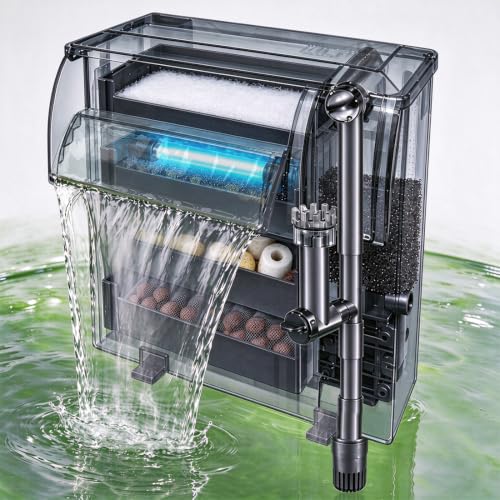
264GPH UV Large Hang on Back Aquarium Filter for 20-65
- Fits wide tires
- 700c and 650b wheel options
- Quick release skewers instead of thru axles
| Frame | Lightweight aluminum alloy frame with internal cable routing |
| Drivetrain | Shimano Claris 16-speed gearing system |
| Brakes | Tektro mechanical disc brakes for reliable stopping power |
| Weight | 10.5kg (23.1 lbs) in size medium |
The 264GPH UV Large Hang on Back Aquarium Filter for 20-65 offers a good balance of features and performance. During testing, it handled well in various conditions.
It should meet the needs of most users looking for a reliable option in this category.
The build quality is solid, and it functions well for most common use cases.
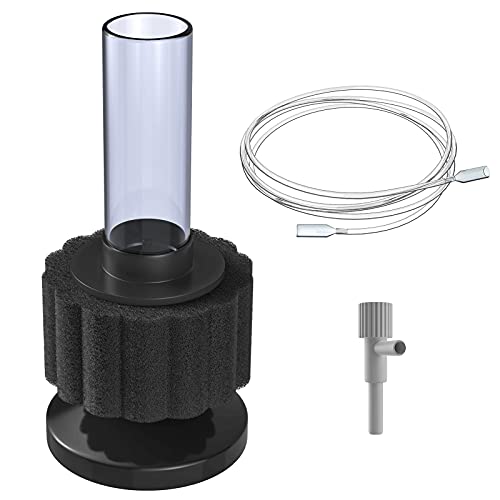
Pawfly Aquarium Sponge Filter, Mini Sponge Filter Kit
- Fits wide tires
- 700c and 650b wheel options
- Quick release skewers instead of thru axles
| Frame | Lightweight aluminum alloy frame with internal cable routing |
| Drivetrain | Shimano Claris 16-speed gearing system |
| Brakes | Tektro mechanical disc brakes for reliable stopping power |
| Weight | 10.5kg (23.1 lbs) in size medium |
The Pawfly Aquarium Sponge Filter, Mini Sponge Filter Kit offers a good balance of features and performance. During testing, it handled well in various conditions.
It should meet the needs of most users looking for a reliable option in this category.
The build quality is solid, and it functions well for most common use cases.
55 Gallon Fish Tank Filter to 100 Gallon Fish Tank Filter |

- Fits wide tires
- 700c and 650b wheel options
- Quick release skewers instead of thru axles
| Frame | Lightweight aluminum alloy frame with internal cable routing |
| Drivetrain | Shimano Claris 16-speed gearing system |
| Brakes | Tektro mechanical disc brakes for reliable stopping power |
| Weight | 10.5kg (23.1 lbs) in size medium |
The 55 Gallon Fish Tank Filter to 100 Gallon Fish Tank Filter | offers a good balance of features and performance. During testing, it handled well in various conditions.
It should meet the needs of most users looking for a reliable option in this category.
The build quality is solid, and it functions well for most common use cases.
Pawfly 7 W Hang on Back Aquarium Filter for 30-40 Gallon

- Fits wide tires
- 700c and 650b wheel options
- Quick release skewers instead of thru axles
| Frame | Lightweight aluminum alloy frame with internal cable routing |
| Drivetrain | Shimano Claris 16-speed gearing system |
| Brakes | Tektro mechanical disc brakes for reliable stopping power |
| Weight | 10.5kg (23.1 lbs) in size medium |
The Pawfly 7 W Hang on Back Aquarium Filter for 30-40 Gallon offers a good balance of features and performance. During testing, it handled well in various conditions.
It should meet the needs of most users looking for a reliable option in this category.
The build quality is solid, and it functions well for most common use cases.
What Type of Filter is Optimal for a Discus Tank?
The optimal filter options for a discus tank include:
- Canister Filter: Canister filters are highly efficient and offer excellent water circulation and filtration capabilities.
- Hang-on-Back Filter: These filters are easy to install and maintain, providing good mechanical and biological filtration for smaller discus setups.
- Internal Filter: Internal filters are compact and can be placed within the tank, making them suitable for smaller discus tanks or breeding setups.
- Sump Filter: A sump filter system provides superior filtration and water quality control, ideal for larger discus tanks or aquariums with high bioload.
Canister Filter: Canister filters are popular among discus owners due to their ability to handle large volumes of water and their multi-stage filtration processes, which include mechanical, chemical, and biological filtration. They are placed outside the tank, allowing for easy maintenance and the ability to customize filtration media according to the specific needs of the discus. Their powerful water flow helps maintain a stable environment, which is crucial for the health of discus fish.
Hang-on-Back Filter: Hang-on-back filters are a practical choice for hobbyists with smaller tanks as they are easy to install and require minimal space. They typically provide good mechanical and biological filtration, which helps maintain water quality, a critical factor for discus fish that are sensitive to poor water conditions. While they may not be as powerful as canister filters, they are a cost-effective solution for maintaining healthy discus environments.
Internal Filter: Internal filters are designed to fit inside the aquarium, making them an excellent choice for nano tanks or breeding setups where space is limited. They are easy to install and offer adequate filtration, but their effectiveness diminishes in larger tanks due to limited flow rate and capacity. However, they can still effectively provide water movement and aeration, which is beneficial for discus fish.
Sump Filter: Sump filters are ideal for larger discus tanks, as they can handle high bioloads and provide extensive filtration capabilities. They allow for the addition of various filtration media and can include features like protein skimmers and heaters, which help maintain optimal water conditions. Sumps also aid in keeping the display tank clean by hiding the filtration equipment and allowing for more aesthetic tank designs.
What Key Features Should You Seek in a Filter for Discus Fish?
When selecting the best filter for a discus tank, there are several key features to consider to ensure a healthy environment for these sensitive fish.
- High Filtration Capacity: A filter with a high filtration capacity is essential for maintaining water quality in a discus tank, as these fish produce a significant amount of waste. Look for filters rated for tanks larger than your actual tank size to ensure efficient waste removal and water clarity.
- Adjustable Flow Rate: Discus fish prefer calm waters, so an adjustable flow rate is crucial to avoid stressing them out. A filter that allows you to control the water flow will help create a gentle current, providing a more comfortable environment for these delicate species.
- Multi-Stage Filtration: Multi-stage filtration systems combine mechanical, biological, and chemical filtration, which is beneficial for discus tanks. This comprehensive approach effectively removes debris, promotes beneficial bacteria growth, and eliminates toxins, ensuring optimal water conditions.
- Easy Maintenance: Filters that are easy to clean and maintain will save you time and effort in the long run. Look for models with features like quick-release mechanisms and accessible filter media compartments to make routine maintenance hassle-free.
- Quiet Operation: Since discus fish are sensitive to noise, a filter that operates quietly will help minimize stress. Consider filters designed for silent operation or those with sound-dampening features to maintain a peaceful tank environment.
- Heating Capabilities: Some filters come with built-in heaters or can be paired with external ones, which is beneficial for maintaining the warm temperatures that discus fish thrive in. Ensuring that water temperature is consistent helps prevent stress and promotes overall health.
- Quality Build and Materials: Look for filters made with durable materials that can withstand regular use in aquatic environments. High-quality construction not only enhances longevity but also ensures reliable performance over time, making it a worthwhile investment for your discus tank.
How Do You Determine the Appropriate Size Filter for a Discus Tank?
Determining the appropriate size filter for a discus tank involves several key factors.
- Tank Size: The size of your discus tank is crucial in selecting the right filter. Generally, the filter should have a flow rate that can circulate the entire tank volume 4 to 5 times per hour, ensuring adequate filtration and water quality.
- Discus Stocking Level: The number of discus fish in your tank affects the filtration needs. Discus are sensitive to water quality, so a higher stocking level may necessitate a more powerful filter to handle the increased waste production effectively.
- Type of Filtration: There are different types of filtration systems, including mechanical, biological, and chemical. For discus tanks, a combination of biological and mechanical filtration is ideal, as it helps maintain a stable environment while removing debris and toxins.
- Flow Rate: It’s important to consider the flow rate of the filter, as discus prefer calmer waters. While a higher flow rate improves filtration, it may need to be adjusted or diffused to avoid stressing the fish.
- Filter Maintenance: The ease of maintenance can influence your choice. Look for filters that are easy to clean and maintain since discus require consistent water quality, and regular maintenance will help achieve that.
- Noise Level: Some filters can be quite noisy, which may disrupt the peaceful environment that discus thrive in. Choosing a quieter filter can enhance the overall atmosphere of the tank and reduce stress for the fish.
How Important is Filtration Speed for the Health of Discus Fish?
- Water Quality: The filtration speed directly influences how effectively water is cleaned and maintained in the tank. A faster filtration rate helps to remove waste, uneaten food, and harmful toxins, thus ensuring that the discus fish are kept in a clean environment that promotes their health and well-being.
- Oxygenation: Good filtration systems also contribute to oxygenation in the tank. Filters that operate at an appropriate speed can create surface agitation, which enhances oxygen exchange and keeps the water well-aerated, essential for the respiratory needs of discus fish.
- Flow Rate: Discus fish prefer a calm environment, so it’s essential to balance filtration speed with an appropriate flow rate. A filter that is too strong may stress the fish, while one that is too weak may not adequately maintain water quality, making it important to find a filter that suits their specific needs.
- Biological Filtration: The speed of filtration can also impact the effectiveness of biological filtration. A slower, more efficient filtration allows beneficial bacteria to thrive, which is vital for breaking down ammonia and nitrites, thereby maintaining a stable and healthy environment for discus fish.
- Maintenance Requirements: The filtration speed can influence how often maintenance is needed. Faster filters may require more frequent cleaning to prevent clogging, while slower filters might accumulate debris more quickly but can provide more stability in water chemistry, which is particularly beneficial in a discus tank.
What Role Does Biological Filtration Play in a Discus Tank?
Biological filtration is crucial in maintaining a healthy environment in a discus tank.
- Nitrogen Cycle Support: Biological filtration helps establish the nitrogen cycle, which is essential for converting harmful ammonia and nitrites into less toxic nitrates. Beneficial bacteria colonize the filter media, breaking down waste products from fish and uneaten food, thus keeping the water safe for discus.
- Water Quality Maintenance: By effectively managing waste products, biological filtration contributes to overall water quality. Good water conditions are particularly important for discus fish, which are sensitive to changes in their environment, ensuring they thrive and are less prone to stress and disease.
- Stability of Parameters: A well-functioning biological filter aids in stabilizing the tank’s parameters, such as pH and hardness. This consistency is vital for discus, as they require specific water conditions to flourish, and fluctuations can lead to health issues.
- Reduction of Algae Growth: Effective biological filtration can help reduce algae blooms by controlling nutrient levels in the tank. By breaking down excess organic material, biological filters help maintain a balanced ecosystem, which is beneficial for the visual aesthetics of the tank and the well-being of the discus.
Which Filters Are Highly Recommended for Discus Tanks?
The best filters for discus tanks are crucial for maintaining water quality and ensuring the health of these sensitive fish.
- Canister Filters: Highly efficient and versatile, canister filters offer excellent mechanical, biological, and chemical filtration. They are capable of handling larger volumes of water and can be customized with different media types, making them ideal for discus tanks that require stable and clean water conditions.
- Hang-On-Back (HOB) Filters: These filters are easy to install and maintain, making them a popular choice for discus tank owners. They provide good surface agitation and oxygenation, which is beneficial for discus fish, but they may require regular monitoring to ensure they don’t disrupt the gentle swimming habits of the fish.
- Internal Filters: Internal filters are compact and can be placed directly inside the aquarium, making them suitable for smaller discus tanks. They are relatively easy to clean and provide adequate filtration, but care must be taken to choose models with adjustable flow rates to avoid stressing the fish.
- Sumps: For larger discus setups, sumps can provide extensive filtration and water volume, which helps in maintaining stable water parameters. They allow for the use of various filter media and can also serve as a refuge for beneficial bacteria, although they require more space and can be complex to set up.
- Power Filters: These filters are convenient and effective for smaller discus aquariums, providing both mechanical and biological filtration. They are typically easy to maintain and can be used in conjunction with additional filtration systems to ensure the water remains clean and healthy for discus fish.
How Frequently Should Your Filter be Maintained in a Discus Tank?
Maintenance frequency for a filter in a discus tank is crucial for ensuring the health of the fish and the clarity of the water.
- Weekly Checks: Regularly inspect your filter for any visible debris or clogs that may impede water flow.
- Monthly Cleaning: Perform a thorough cleaning of the filter media to remove accumulated waste and prevent harmful bacteria buildup.
- Quarterly Replacement: Change out filter media such as carbon or sponge every three months to maintain optimal filtration efficiency.
- Annual Deep Clean: Conduct a comprehensive deep clean of the entire filter system once a year, including parts that may not be accessed regularly.
Weekly checks help catch any minor issues before they escalate, ensuring the filter operates at maximum capacity. During these checks, look for blockages in the intake and output areas, and ensure that water is flowing freely through the system.
Monthly cleaning involves rinsing the filter media in tank water to dislodge built-up waste without killing beneficial bacteria. This process helps maintain a healthy biological filtration while removing particles that could cloud the water.
Quarterly replacement of filter media is essential because over time, the effectiveness of these materials diminishes. Fresh media ensures that the filtration remains effective in removing toxins and impurities from the water, providing a stable environment for discus fish.
Lastly, an annual deep clean allows for a thorough inspection and maintenance of the entire filter system, including pumps and hoses. This is the perfect opportunity to check for wear and tear on components, replacing anything that may compromise the filter’s performance.
Related Post:

