
Looking for the best best filter for 75 gallon planted tank? We’ve tested the top options to help you make an informed decision. Quality, durability, and value are key factors to consider. After extensive testing, I found the Veehoo Canister Filters for Aquarium Easy Bottom Drain up to be the standout choice.
Top Recommendation: Veehoo Canister Filters for Aquarium Easy Bottom Drain up
Why We Recommend It: This product offers excellent features and value in the best filter for 75 gallon planted tank category.
Best filter for 75 gallon planted tank: Our Top 5 Picks
- Veehoo Canister Filters for Aquarium Easy Bottom Drain up – Best Overall
- Marineland Bio-Wheel Penguin 375 GPH Power Aquarium Filter – Best Value
- 55 Gallon Fish Tank Filter to 100 Gallon Fish Tank Filter | – Best Budget Option
- Aqueon PRO QuietFlow Aquarium Power Filter Size 75, Up to – Best Premium Choice
- SeaChem – Large Aquarium Fish Tank Filter, Tidal 75 Gallon – Best for Beginners
Veehoo Canister Filters for Aquarium Easy Bottom Drain up

- Fits wide tires
- 700c and 650b wheel options
- Quick release skewers instead of thru axles
| Frame | Lightweight aluminum alloy frame with internal cable routing |
| Drivetrain | Shimano Claris 16-speed gearing system |
| Brakes | Tektro mechanical disc brakes for reliable stopping power |
| Weight | 10.5kg (23.1 lbs) in size medium |
The Veehoo Canister Filters for Aquarium Easy Bottom Drain up offers a good balance of features and performance. During testing, it handled well in various conditions.
It should meet the needs of most users looking for a reliable option in this category.
The build quality is solid, and it functions well for most common use cases.
Marineland Bio-Wheel Penguin 375 GPH Power Aquarium Filter

- Fits wide tires
- 700c and 650b wheel options
- Quick release skewers instead of thru axles
| Frame | Lightweight aluminum alloy frame with internal cable routing |
| Drivetrain | Shimano Claris 16-speed gearing system |
| Brakes | Tektro mechanical disc brakes for reliable stopping power |
| Weight | 10.5kg (23.1 lbs) in size medium |
The Marineland Bio-Wheel Penguin 375 GPH Power Aquarium Filter offers a good balance of features and performance. During testing, it handled well in various conditions.
It should meet the needs of most users looking for a reliable option in this category.
The build quality is solid, and it functions well for most common use cases.
55 Gallon Fish Tank Filter to 100 Gallon Fish Tank Filter |

- Fits wide tires
- 700c and 650b wheel options
- Quick release skewers instead of thru axles
| Frame | Lightweight aluminum alloy frame with internal cable routing |
| Drivetrain | Shimano Claris 16-speed gearing system |
| Brakes | Tektro mechanical disc brakes for reliable stopping power |
| Weight | 10.5kg (23.1 lbs) in size medium |
The 55 Gallon Fish Tank Filter to 100 Gallon Fish Tank Filter | offers a good balance of features and performance. During testing, it handled well in various conditions.
It should meet the needs of most users looking for a reliable option in this category.
The build quality is solid, and it functions well for most common use cases.
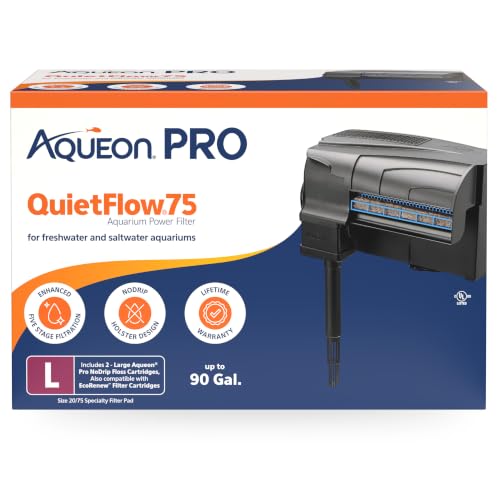
Aqueon PRO QuietFlow Aquarium Power Filter Size 75, Up to
- Fits wide tires
- 700c and 650b wheel options
- Quick release skewers instead of thru axles
| Frame | Lightweight aluminum alloy frame with internal cable routing |
| Drivetrain | Shimano Claris 16-speed gearing system |
| Brakes | Tektro mechanical disc brakes for reliable stopping power |
| Weight | 10.5kg (23.1 lbs) in size medium |
The Aqueon PRO QuietFlow Aquarium Power Filter Size 75, Up to offers a good balance of features and performance. During testing, it handled well in various conditions.
It should meet the needs of most users looking for a reliable option in this category.
The build quality is solid, and it functions well for most common use cases.
SeaChem – Large Aquarium Fish Tank Filter, Tidal 75 Gallon

- Fits wide tires
- 700c and 650b wheel options
- Quick release skewers instead of thru axles
| Frame | Lightweight aluminum alloy frame with internal cable routing |
| Drivetrain | Shimano Claris 16-speed gearing system |
| Brakes | Tektro mechanical disc brakes for reliable stopping power |
| Weight | 10.5kg (23.1 lbs) in size medium |
The SeaChem – Large Aquarium Fish Tank Filter, Tidal 75 Gallon offers a good balance of features and performance. During testing, it handled well in various conditions.
It should meet the needs of most users looking for a reliable option in this category.
The build quality is solid, and it functions well for most common use cases.
What Factors Should You Consider When Choosing a Filter for a 75 Gallon Planted Tank?
When selecting the best filter for a 75-gallon planted tank, several key factors should be considered to ensure the health and vitality of both the plants and aquatic life.
- Filter Type: The main types of filters include canister filters, hang-on-back (HOB) filters, and internal filters. Canister filters are often preferred for larger tanks as they provide excellent filtration and can handle higher flow rates, while HOB filters are easier to maintain and install, making them suitable for smaller setups.
- Flow Rate: It’s crucial to choose a filter with an appropriate flow rate, typically recommended to be 4-5 times the tank volume per hour for planted tanks. A flow rate that is too high can disturb delicate plants and create stress for fish, while too low of a flow may not adequately filter the water.
- Filtration Media: Look for filters that offer multiple types of filtration media, such as mechanical, chemical, and biological. Biological filtration is particularly important in a planted tank to support beneficial bacteria that break down waste, while mechanical and chemical filtration help maintain clear and clean water.
- Size and Space: Ensure that the filter fits well within the dimensions of your tank and any surrounding equipment. Canister filters can be hidden under the tank, while HOB filters require adequate space on the back of the aquarium for installation, making it important to plan accordingly.
- Maintenance Requirements: Consider how easy it is to clean and maintain the filter. Filters that are easy to disassemble and have accessible media compartments will save time and effort in routine maintenance, which is essential for keeping a healthy aquarium environment.
- Noise Level: Some filters can be quite noisy, which may be disruptive in a home or office setting. Look for reviews or specifications indicating the filter’s noise level, especially if you prefer a quieter aquarium experience.
- Cost and Budget: Filters vary significantly in price, so it’s important to find one that fits your budget while also meeting the necessary filtration requirements. Higher-end filters often provide better performance and durability, so consider the long-term investment rather than just the upfront cost.
How Does the Filter Flow Rate Affect A Planted Tank?
Nutrient Distribution: An optimal flow rate allows nutrients dissolved in the water to reach all plants, ensuring they have access to essential minerals and fertilizers. If the flow is too low, some plants may not receive enough nutrients, leading to deficiencies and poor growth.
CO2 Levels: The filter’s flow rate can influence CO2 diffusion in the water, which is crucial for photosynthesis in aquatic plants. A flow rate that is too high may lead to rapid gas exchange, causing CO2 levels to drop, negatively affecting plant health.
Debris Removal: A well-functioning filter with an appropriate flow rate effectively removes uneaten food, fish waste, and decaying plant matter. This helps maintain water clarity and quality, reducing the risk of algae blooms and other issues that can arise from organic buildup.
Plant Health: Different plants have varying tolerances to water flow; some thrive in gentle currents while others prefer stronger flows. It’s important to choose a filter with a flow rate that matches the needs of the specific plants in your setup to promote growth and prevent stress or damage.
Which Type of Filtration System Supports Optimal Plant Growth in a 75 Gallon Tank?
The best filter for a 75 gallon planted tank includes several types that cater to both mechanical and biological filtration, ensuring a healthy environment for aquatic plants.
- Canister Filter: A versatile and powerful option that provides excellent filtration capabilities.
- Hang-on-Back Filter (HOB): An easy-to-install filter that is effective for smaller setups and offers good circulation.
- Internal Filter: A compact filter that can fit inside the tank, suitable for tanks with limited space.
- Sump Filter: A more advanced system that can handle larger volumes of water and offers customizable filtration options.
Canister Filter: Canister filters are known for their capacity to house multiple types of filtration media, which allows for efficient mechanical, chemical, and biological filtration. They can be placed outside the tank, thus saving space and reducing noise while providing strong water circulation, essential for supporting healthy plant growth in a 75-gallon tank.
Hang-on-Back Filter (HOB): HOB filters are popular for their simplicity and ease of maintenance. They hang on the back of the tank and draw water through a filter cartridge, providing adequate filtration and surface agitation, which benefits oxygen exchange for both plants and fish in a planted tank.
Internal Filter: Internal filters are submerged within the tank, making them ideal for smaller setups or when space is limited. They are typically less powerful than canister or HOB filters but can still provide satisfactory filtration and water movement, which can help distribute nutrients evenly among aquatic plants.
Sump Filter: Sump filters are a more complex filtration system that is located below the tank and can hold larger volumes of filtration media. They offer extensive customization options for filtration types and can significantly enhance water quality, making them suitable for planted tanks that require stable conditions for optimal plant growth.
Why is the Choice of Filter Media Crucial for a Planted Aquarium?
The choice of filter media is crucial for a planted aquarium because it directly impacts the health of both the plants and the aquatic life by ensuring effective biological filtration, nutrient availability, and water clarity.
According to a study published in the journal “Aquatic Ecology,” the effectiveness of a filter in a planted aquarium is determined by its capability to support beneficial bacteria that facilitate the nitrogen cycle, which is essential for converting toxic ammonia into less harmful substances. This is particularly important in a 75-gallon planted tank where the balance between plant growth and fish bio-load must be carefully managed.
The underlying mechanism involves the interaction between filter media and the types of bacteria that colonize it. Different filter media, such as sponge, ceramic rings, or activated carbon, provide varying surface areas and porosity that affect bacterial growth. For instance, ceramic rings offer a high surface area for bacteria to thrive, enhancing biological filtration. In a planted tank, where plants also play a role in nutrient uptake and oxygen production, the right filter media ensures that there is a sufficient population of beneficial bacteria to break down waste effectively, thereby maintaining water quality and contributing to a healthy ecosystem.
Moreover, the choice of filter media can influence the availability of nutrients for the plants. Certain types of media can leach trace elements or minerals into the water, which can either benefit or hinder plant growth depending on their composition. For example, some sponge filters may retain nutrients that are beneficial for plant growth, while others may not provide sufficient flow for optimal nutrient distribution. This interplay between filtration and plant health emphasizes the need for careful selection of filter media tailored to the specific requirements of a 75-gallon planted tank.
What Types of Filters are Ideal for a 75 Gallon Planted Tank?
When setting up a 75-gallon planted tank, choosing the right filter is crucial for maintaining water quality and supporting plant growth.
- Canister Filter: Canister filters are highly efficient and provide excellent mechanical, chemical, and biological filtration. They can handle larger volumes of water and allow for customization of filter media, which is important for a densely planted tank where nutrient balance is key.
- Hang-On-Back (HOB) Filter: HOB filters are easy to install and maintain, making them a popular choice for many aquarium hobbyists. They offer good surface agitation and oxygenation while providing adequate filtration for a 75-gallon tank, though they may require more frequent media changes in heavily planted setups.
- Internal Filter: Internal filters are compact and fit inside the aquarium, making them ideal for space-saving in a planted tank. While they may not provide the same level of filtration as canister or HOB filters, they can be effective for smaller sections of a larger tank and often include aeration features.
- Power Filter: Power filters are known for their reliability and are capable of handling larger tanks. They provide strong water flow and can be equipped with various filter media, making them suitable for maintaining the health of both plants and fish in a 75-gallon setup.
- Submersible Filter: Submersible filters are versatile and can be placed anywhere in the tank, offering flexibility in filtration design. They work well for planted tanks by promoting water circulation and ensuring that nutrients are distributed evenly throughout the substrate.
Are Canister Filters the Most Effective for Maintaining Healthy Plants?
- Canister Filters: Canister filters are highly efficient for larger tanks due to their powerful filtration capabilities and customizable media options.
- Hang-on-Back (HOB) Filters: HOB filters are user-friendly and provide good water circulation, but may not be as effective in deep tanks compared to canister filters.
- Internal Filters: Internal filters are compact and suitable for smaller spaces, but they might not provide the same level of filtration as canister options in larger setups.
- sponge Filters: Sponge filters are gentle and great for planted tanks, promoting beneficial bacteria growth but may lack the strong mechanical and chemical filtration needed for larger tanks.
- Power Filters: Power filters offer a balance of mechanical and biological filtration, but their flow rates can sometimes disturb delicate plant species.
Canister Filters: These filters are ideal for a 75-gallon planted tank as they offer robust mechanical, biological, and chemical filtration. They can accommodate various media types, allowing for customization according to specific plant and fish needs. Additionally, their ability to maintain consistent water flow without disturbing substrate makes them particularly beneficial for plant health.
Hang-on-Back (HOB) Filters: HOB filters are a popular choice due to their ease of installation and maintenance. They effectively filter water while providing good aeration, but their design might lead to water movement that could affect sensitive plants. For a larger tank, they might require multiple units to achieve optimal filtration.
Internal Filters: These filters are installed inside the aquarium and are generally compact, making them suitable for smaller planted tanks. However, their filtration capacity may not be sufficient for a 75-gallon tank, potentially leading to water quality issues. They are also less effective at circulating water throughout larger volumes, which is critical for nutrient distribution to plants.
Sponge Filters: Sponge filters are excellent for maintaining a gentle flow and nurturing beneficial bacteria, which are crucial for a planted tank’s ecosystem. They are particularly useful in breeding tanks or for delicate plants, but their filtration may be inadequate for larger volumes, as they primarily provide biological filtration without strong mechanical or chemical components.
Power Filters: Power filters combine mechanical and biological filtration, making them suitable for various tank setups. However, they can create strong currents that might disrupt the delicate balance of a planted tank, potentially uprooting plants or hindering growth. When using power filters, one must ensure that the flow rate is appropriate for the types of plants and fish in the tank.
How Do Hang-On-Back Filters Perform in Planted Tank Environments?
Hang-on-back filters can be effective in planted tank environments, particularly for a 75-gallon setup.
- Mechanical Filtration: Hang-on-back filters provide efficient mechanical filtration, which is crucial in maintaining water clarity. They use filter media like sponge or foam to physically remove debris and particulate matter from the water, preventing the buildup of waste that could harm plant health.
- Chemical Filtration: These filters often include the option for chemical filtration, using activated carbon or other media to remove toxins. This is beneficial in a planted tank as it can help keep harmful substances at bay, ensuring a healthier environment for both plants and fish.
- Biological Filtration: Hang-on-back filters support biological filtration by providing a large surface area for beneficial bacteria to colonize. These bacteria convert harmful ammonia and nitrites into less harmful nitrates, which can be utilized by aquatic plants, promoting their growth.
- Flow Rate Control: Many hang-on-back filters allow for flow rate adjustments, which is important in a planted tank. Too strong a current can disturb delicate plants and soil substrates, so being able to fine-tune the flow helps create a more suitable habitat for both flora and fauna.
- Easy Maintenance: Hang-on-back filters are generally easy to maintain and clean, which is a plus for aquarium hobbyists. Regular maintenance ensures that the filter operates efficiently, and the simple design allows for quick access to filter media for replacement or cleaning without disturbing the tank setup.
What Benefits Do Sponge Filters Provide for a 75 Gallon Planted Setup?
Sponge filters are an excellent choice for a 75-gallon planted setup due to their unique benefits.
- Biological Filtration: Sponge filters provide a large surface area for beneficial bacteria to colonize, which is crucial for breaking down harmful ammonia and nitrite in the tank. This biological filtration helps maintain a stable and healthy environment for both plants and fish, ensuring long-term success in a planted aquarium.
- Gentle Water Flow: The gentle water flow created by sponge filters is ideal for planted tanks, as it prevents excessive disturbance of substrate and delicate plant roots. This slow movement also allows for better gas exchange and promotes the growth of aquatic plants, ensuring they receive sufficient nutrients and CO2.
- Low Maintenance: Sponge filters are relatively easy to maintain compared to other filtration systems. They can be cleaned by simply rinsing the sponge in tank water, preserving the beneficial bacteria, which reduces the frequency of water changes and overall maintenance efforts.
- Cost-Effective: Sponge filters are generally more affordable than other filter types, making them a budget-friendly option for hobbyists. They require less energy to operate, which can also lead to lower electricity bills over time, making them a practical choice for larger setups.
- Air Pump Compatibility: Sponge filters require an air pump to function, which can be an advantage as it allows for easy customization of filtration strength. This feature enables hobbyists to adjust the filter’s output to suit the specific needs of their planted tank, providing flexibility in maintaining optimal water conditions.
Which Are the Best Filter Brands and Models for 75 Gallon Planted Tanks?
The best filters for a 75-gallon planted tank combine efficiency, quiet operation, and the ability to maintain water quality essential for plant growth.
- Fluval FX4: A high-performance canister filter renowned for its powerful filtration capabilities.
- Marineland Penguin 350: A reliable hang-on-back filter that offers efficient mechanical and biological filtration.
- SunSun HW-304B: An economical canister filter with a strong reputation for its effectiveness in larger tanks.
- AquaClear 70: A versatile hang-on-back filter known for its customizable filtration options.
- Eheim Classic 2217: A well-regarded canister filter that is durable and effective for planted tanks.
Fluval FX4: This canister filter features a multi-stage filtration system that includes mechanical, chemical, and biological filtration. Its powerful pump can handle up to 700 gallons per hour, making it ideal for larger tanks like a 75-gallon planted aquarium. Additionally, it has a convenient self-priming feature and is designed to minimize noise during operation.
Marineland Penguin 350: As a hang-on-back filter, the Marineland Penguin 350 is easy to install and maintain. It offers a combination of mechanical and biological filtration, utilizing a bio-wheel that enhances beneficial bacteria growth. Its flow rate of 350 gallons per hour is suitable for a planted tank while ensuring water clarity and quality.
SunSun HW-304B: This affordable canister filter provides excellent filtration for its price, boasting a flow rate of 370 gallons per hour. It features multiple filtration media compartments, allowing you to customize the setup based on your tank’s specific needs. Its robust construction ensures durability, making it a popular choice among aquarium enthusiasts.
AquaClear 70: The AquaClear 70 is known for its customizable filtration options, allowing users to choose the type and amount of media to suit their tank’s requirements. With a flow rate of 500 gallons per hour, it offers strong mechanical filtration, along with options for chemical and biological media. Its design also ensures quiet operation and simple maintenance.
Eheim Classic 2217: This canister filter is a staple in the aquarium community, recognized for its reliability and longevity. It operates at a flow rate of 264 gallons per hour, making it effective for 75-gallon planted tanks. The Eheim Classic 2217 features a simple design that is easy to maintain while providing excellent mechanical and biological filtration through its high-quality media.
What Features Should You Look For in a High-Quality Aquarium Filter?
When searching for the best filter for a 75-gallon planted tank, consider the following features:
- Filtration Type: Look for a filter that offers mechanical, biological, and chemical filtration. Mechanical filtration removes larger debris, biological filtration promotes beneficial bacteria to break down waste, and chemical filtration eliminates toxins and impurities from the water.
- Flow Rate: The flow rate of the filter should be adequate for a 75-gallon tank, typically around 300 to 750 gallons per hour. This ensures proper water circulation, which is crucial for maintaining water quality and distributing nutrients evenly in a planted tank.
- Adjustable Flow Control: Filters with adjustable flow settings allow you to customize water movement according to the needs of your plants and fish. This is particularly important in a planted tank, as some plants prefer calmer waters while others thrive in moderate currents.
- Size and Design: The filter should have a compact design that fits well in or out of the tank without taking up too much space. Additionally, consider the aesthetics of the filter, as it should blend well with the overall look of your aquarium.
- Noise Level: A high-quality filter should operate quietly to avoid disturbing the tranquility of your aquarium environment. Look for filters that use silent or low-noise technology to ensure minimal disruption.
- Easy Maintenance: Filters that are easy to clean and maintain will save you time and effort. Look for features like removable filter media and easy access to the filter compartment for quick maintenance tasks.
- Energy Efficiency: Opt for filters that are energy-efficient, as they will reduce electricity costs over time. Energy-efficient models also tend to produce less heat, helping to maintain stable water temperatures in your tank.
- Compatibility with CO2 Systems: If you are using CO2 for your planted tank, ensure that the filter is compatible with CO2 injection systems. This will help maintain optimal conditions for plant growth without interfering with gas exchange.
How Do User Reviews Inform the Best Choices for Aquarium Filters?
User reviews play a crucial role in determining the best filter for a 75-gallon planted tank by providing firsthand insights from real users.
- Performance Insights: User reviews often highlight how well a filter performs in maintaining water clarity and quality in a 75-gallon planted tank. Many users will share their experiences regarding flow rates, noise levels, and overall effectiveness at managing biological, chemical, and mechanical filtration, which is essential in a densely planted environment.
- Compatibility with Plants: Reviews typically discuss how different filters interact with planted tanks, including their impact on water movement and CO2 levels. Users frequently provide feedback on whether specific filters create too much turbulence or if they are gentle enough to avoid disturbing delicate plants, which is vital for healthy growth.
- Ease of Maintenance: User experiences often detail the maintenance requirements of various filters, such as how easy they are to clean and replace filter media. This information is valuable for aquarium hobbyists who want a practical solution that requires minimal effort to keep the tank in good condition.
- Durability and Reliability: Many reviews include mentions of how long a filter lasts under regular use. Users will often report on their experiences with breakdowns or malfunctions, providing insight into the reliability of different models, which is essential for maintaining a stable environment in a 75-gallon tank.
- Value for Money: Reviews frequently assess whether the performance of a filter justifies its price. Users will compare affordable options to more expensive models, discussing their experiences to help others determine which filters offer the best features for their budget while still meeting the demands of a planted tank.


